
Iniciar sesión o Regístrese para acceder a los vídeos.
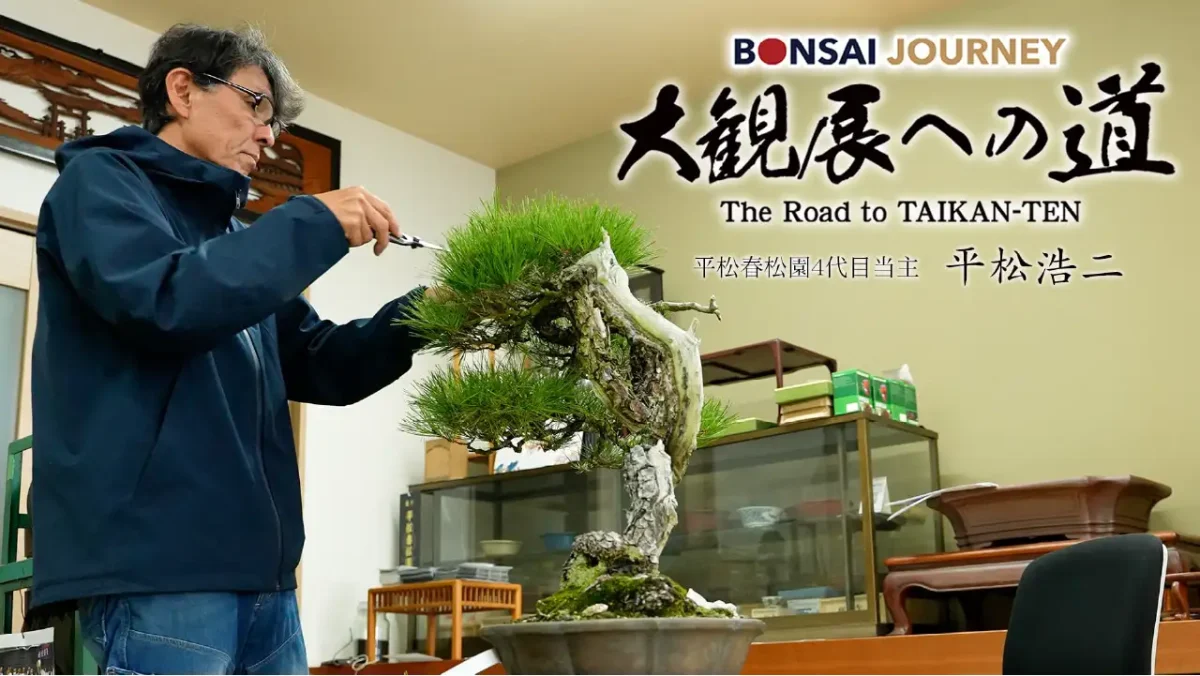
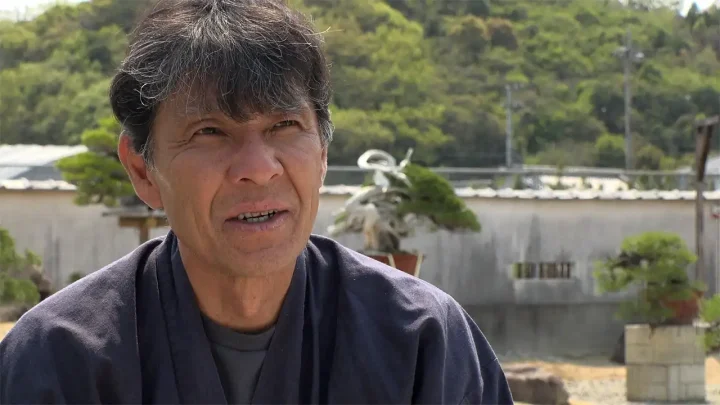
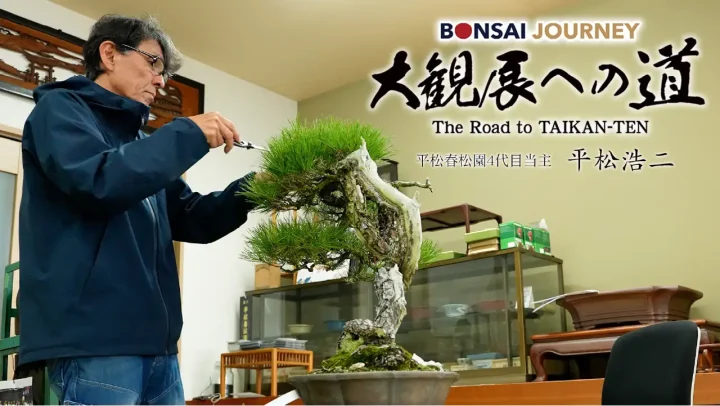
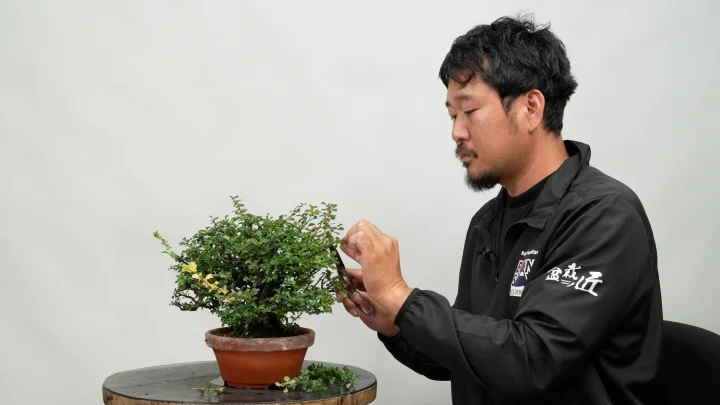
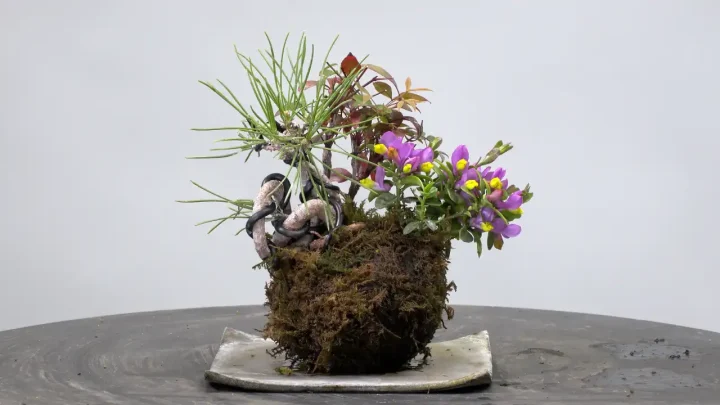
Una semana antes de la exposición, aplica musgo sobre un pino rojo japonés en estilo bunjin. Un tiempo de trabajo silencioso y manual, fundiéndolo con la yema de los dedos hasta lograr un porte natural. «La batalla se decide en la preparación»——aquí se encuentra la acumulación de esfuerzos de Sensei de cara a la Taikan-ten del Miyako Messe.
La Taikan-ten, celebrada en el Miyako Messe de Kioto. Para Koji Hiramatsu, es el escenario donde cada año presenta al mundo lo que ha cultivado con esmero.
Sin embargo, el verdadero comienzo de la exposición no está en el recinto. Desde la aplicación del musgo una semana antes, pasando por la carga en plena noche, hasta el montaje a la mañana siguiente——la batalla se libra por entero en el camino que conduce hasta allí.
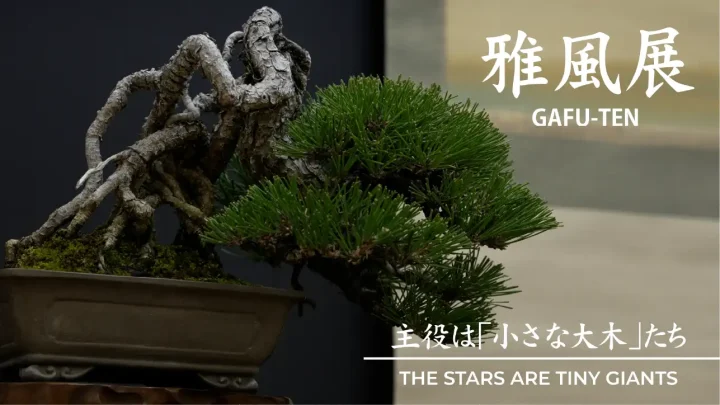
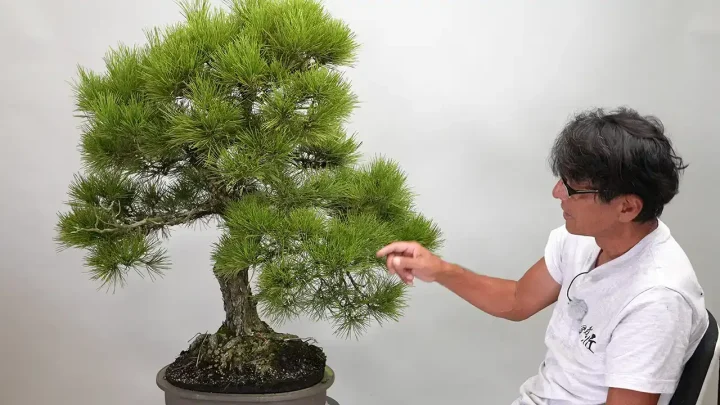
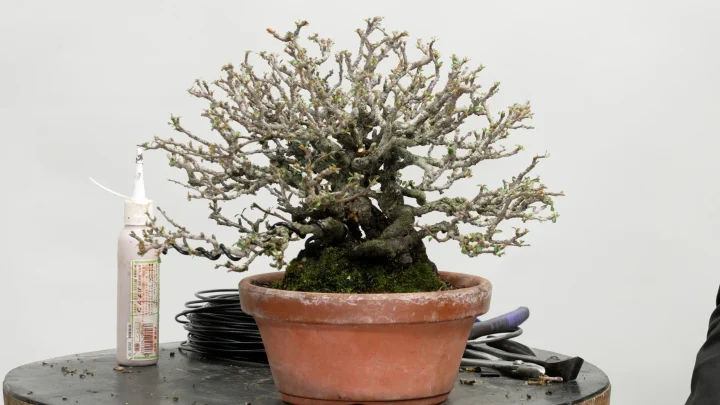
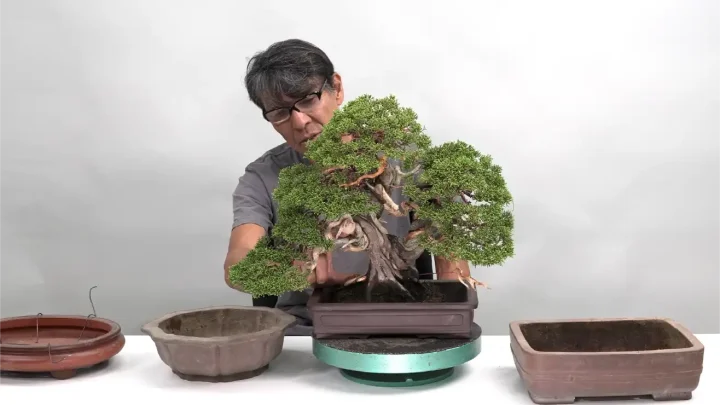
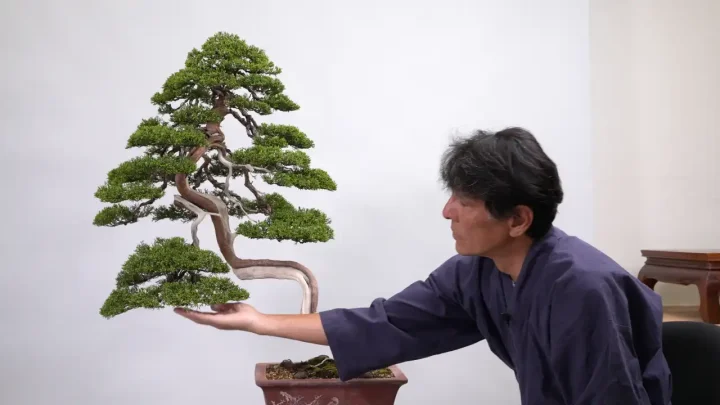
El protagonista de esta ocasión es un pino rojo japonés en estilo bunjin. Una obra moldeada durante años, asentada en una maceta shirokochi.
«No es un árbol que busque impresionar con fuerza bruta»——el bunjin es ese tipo de forma. Se dice que los antiguos, al contemplar un árbol así, exclamaban: «es un árbol junto al que se puede tomar té». Aunque Sensei reconoce que aún no ha alcanzado ese nivel, este árbol posee algo que solo se percibe «saboreándolo con la mirada». Permanecer en silencio, desear quedarse a su lado——esa dimensión de belleza es la que alberga la forma bunjin.
No recortar las ramas en exceso. Dejar las flores ligeramente desordenadas para preservar el aire natural. El movimiento de un shari natural no puede crearlo la mano humana —por eso, el discernimiento de no intervenir demasiado se convierte en el núcleo mismo de esta estética. ¿Hasta dónde se puede llegar antes de caer en el «demasiado»? Conocer esa frontera quizá sea algo que se cultiva a lo largo de mucho tiempo.
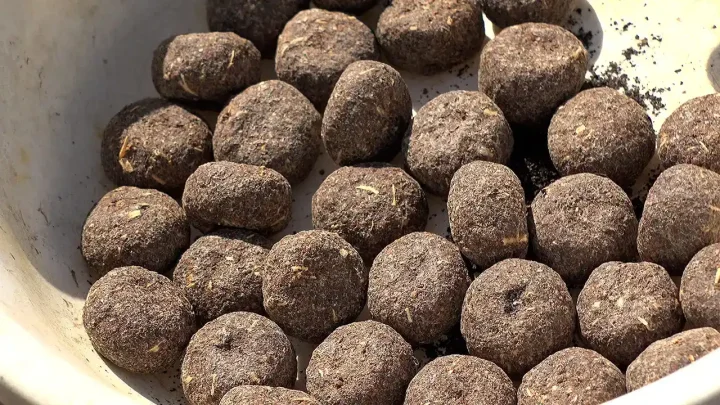
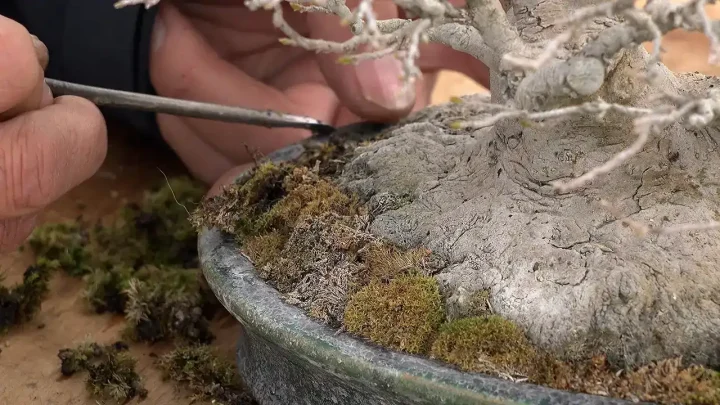
Una semana antes de la exposición. Koji Hiramatsu toma el musgo entre sus manos. No el día anterior, no el mismo día——tiene que ser una semana antes. Porque el tiempo que necesita para asentarse determina la belleza del acabado.
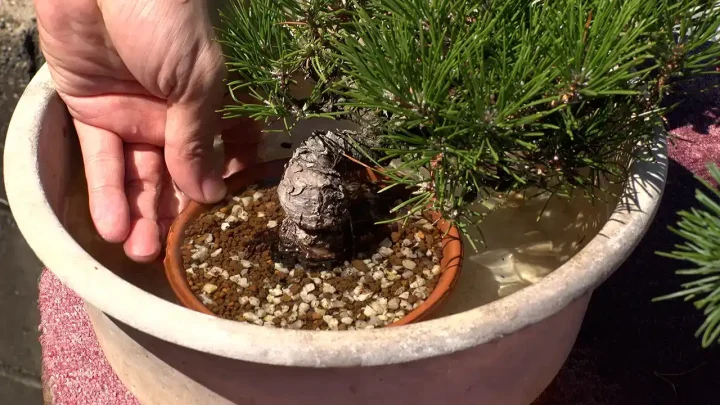
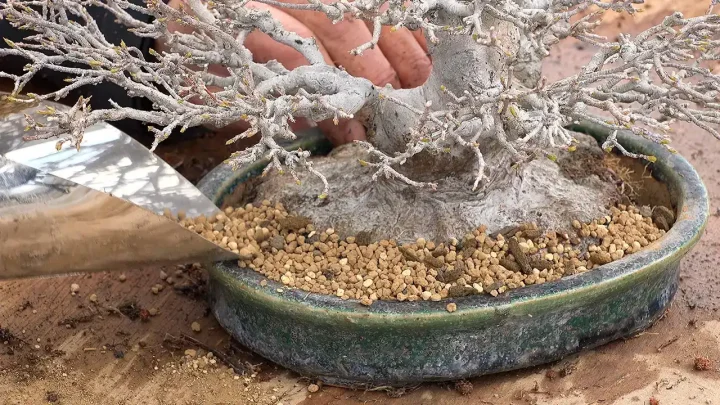
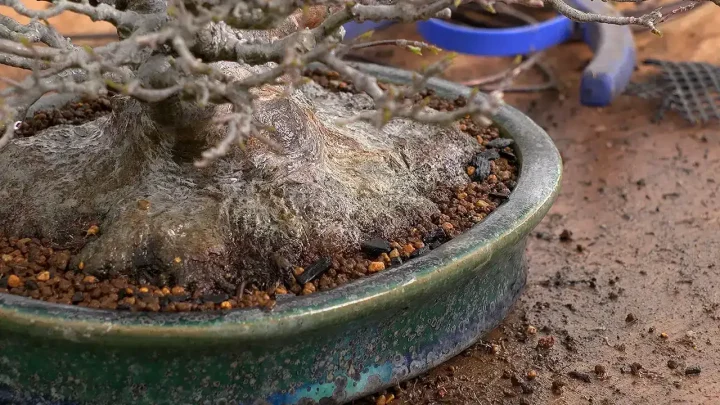
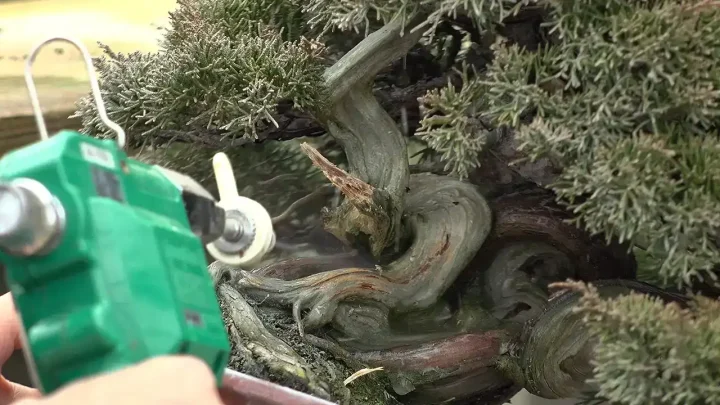
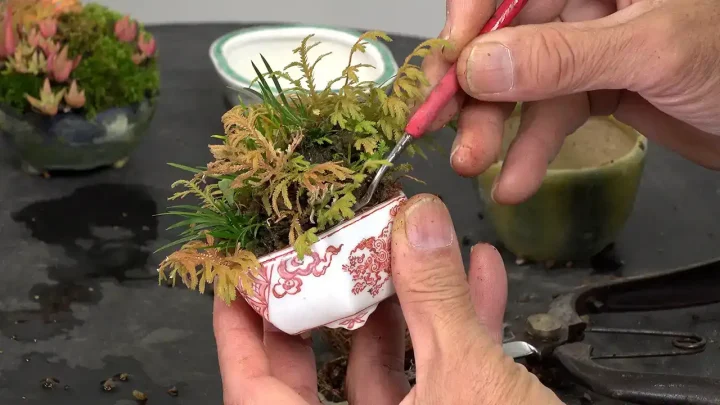
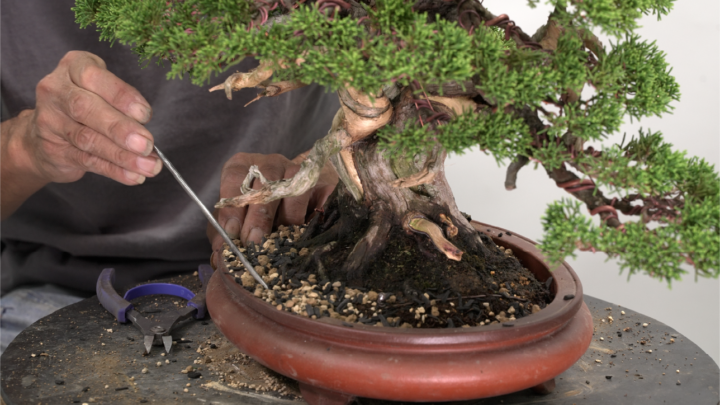
Presionando con la yema de los dedos, lo extiende sobre la superficie de la maceta. No amontonándolo en grumos abultados, sino de forma natural, como si echara raíces en la tierra. Las uniones se presionan con la yema de los dedos, fundiéndolas hasta que las costuras desaparecen. Este tiempo de trabajo silencioso y manual terminará definiendo la presencia de cada árbol en la sala de exposición.
«La batalla se decide en la preparación. Si no se vende, significa que mi ojo no fue lo bastante bueno»——carga unas cincuenta piezas en el coche, recorre la carretera nocturna y a la mañana siguiente monta los estantes en el Miyako Messe. La determinación de Sensei es ya inquebrantable.
Detrás del esplendor de la exposición hay un transporte, una semana de aplicación de musgo y años de cultivo paciente. Aunque uno quiera hacer algo el día de la muestra, ya es tarde. Todas las respuestas ya residen en el tiempo acumulado.
La exposición es también un escenario donde se presenta al mundo lo que se ha cultivado con esmero. Lo que se juzga no es la actuación del día, sino la acumulación de todo lo anterior——ahí reside el orgullo del artesano.
«El bonsái no termina hasta que uno muere»——este viaje no tiene fin.
El año que viene, de nuevo aplicar el musgo, de nuevo recorrer las carreteras nocturnas, dirigirse una vez más a Miyako Messe. Parece la misma repetición y, sin embargo, el árbol es distinto, la estación es distinta, y la propia mirada también cambia poco a poco. No es un trabajo que persigue la culminación, sino un trabajo en el que se disfruta de un viaje sin término —quizá esa sea la verdadera esencia del bonsái.
La travesía de «Intermedio: Uma» comienza con el registro de membresía.
Comenzar la travesíaYou must be logged in to post a comment.


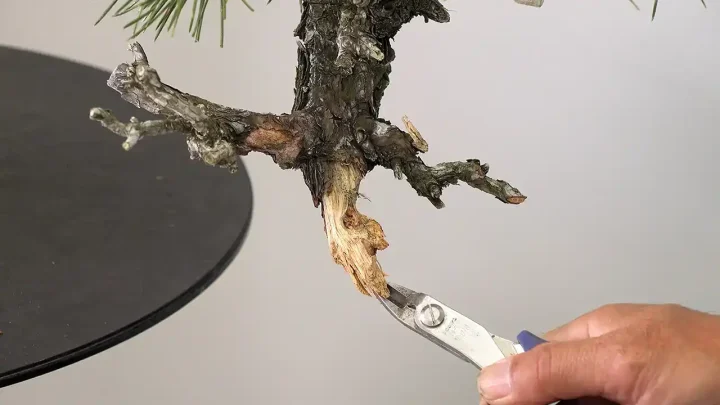
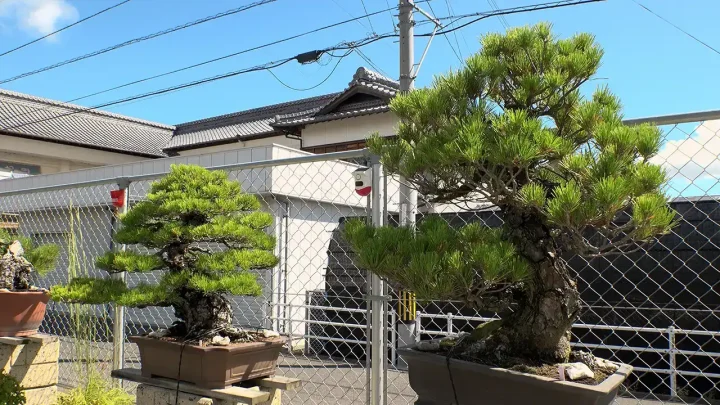
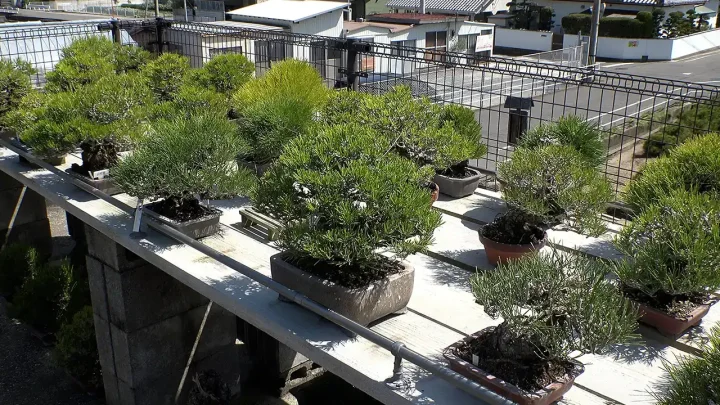
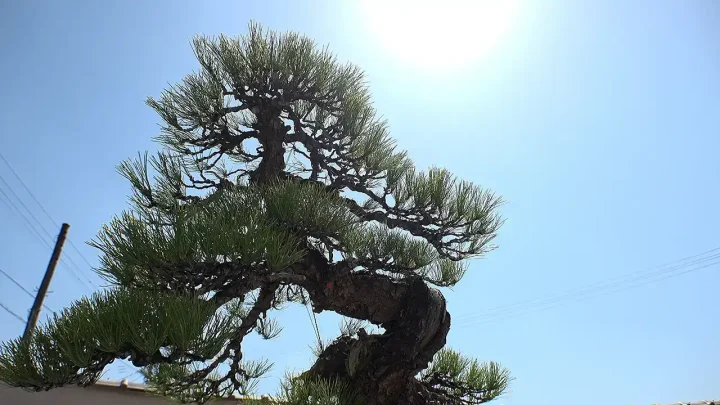

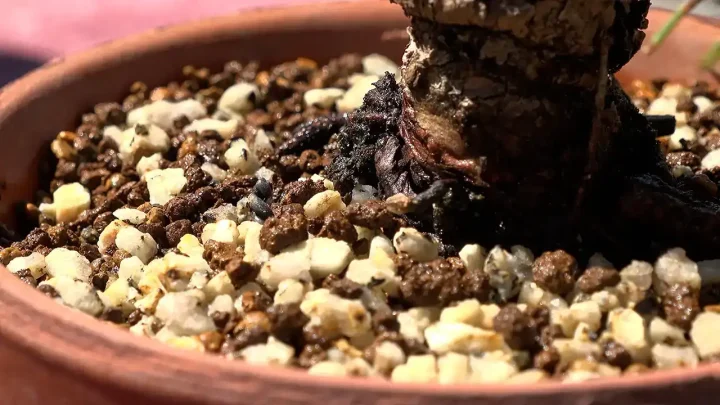
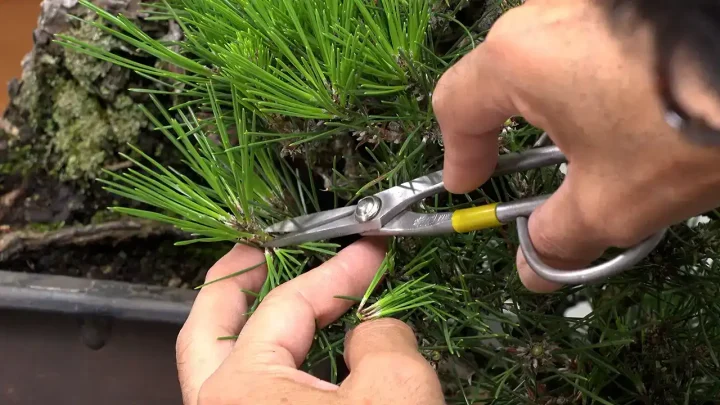
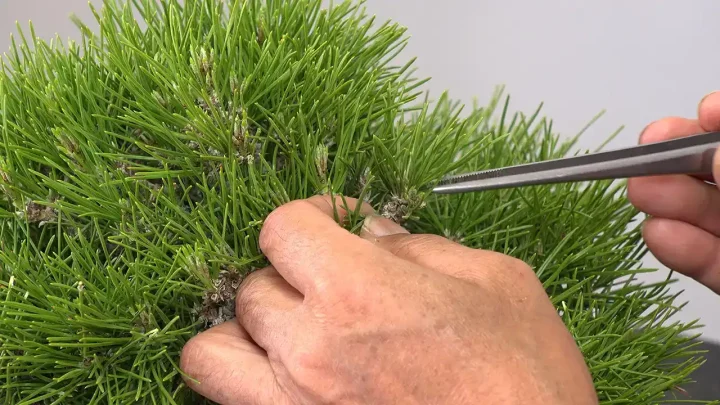
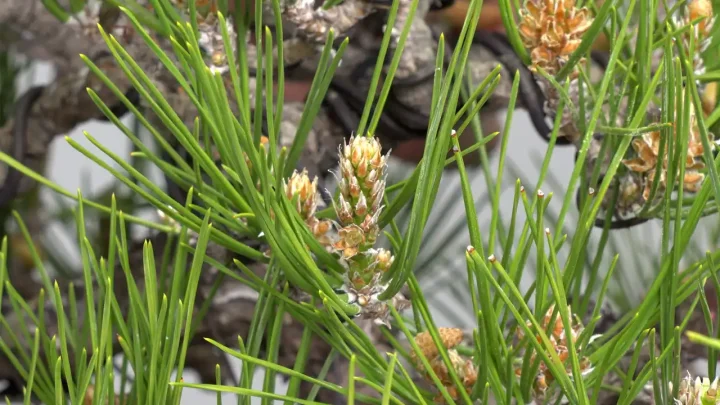
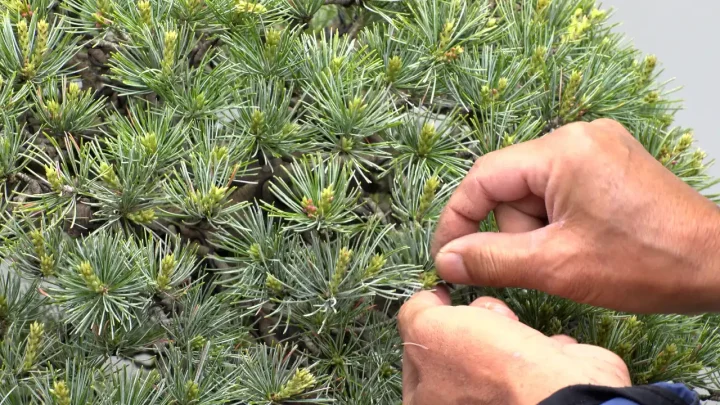
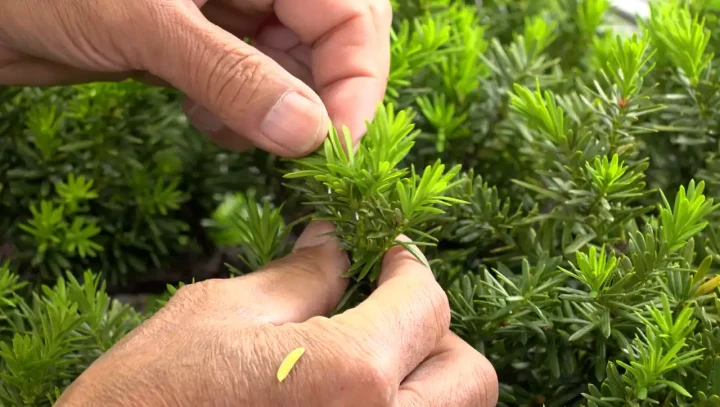
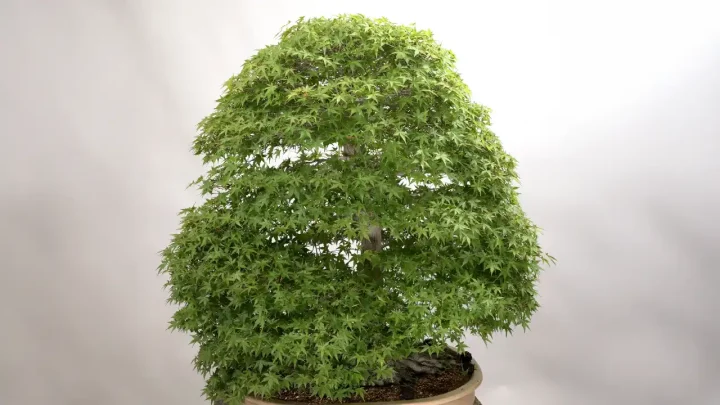
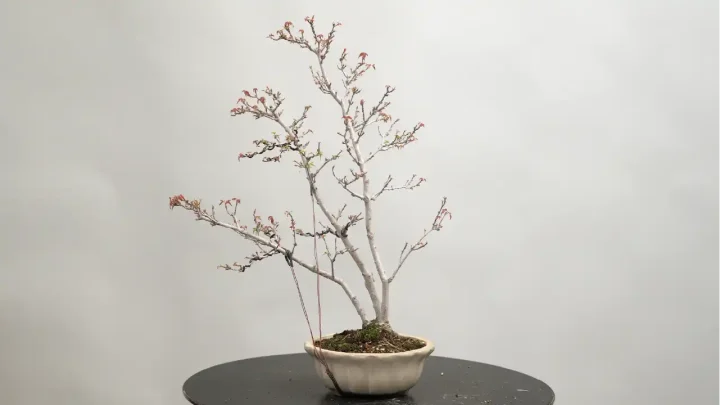
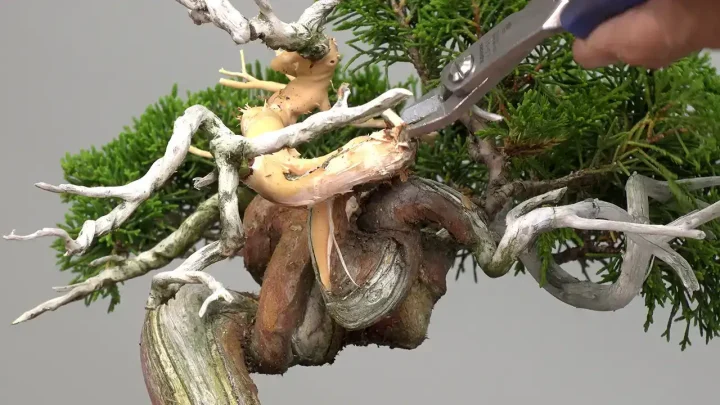
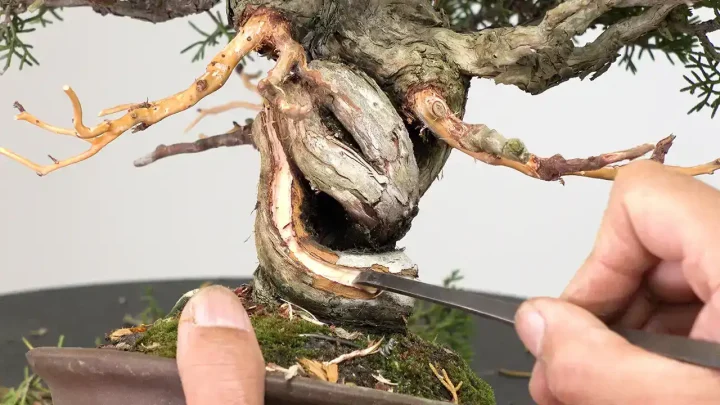
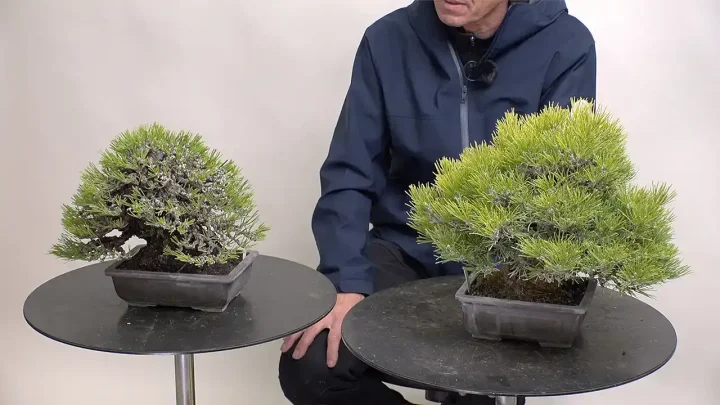
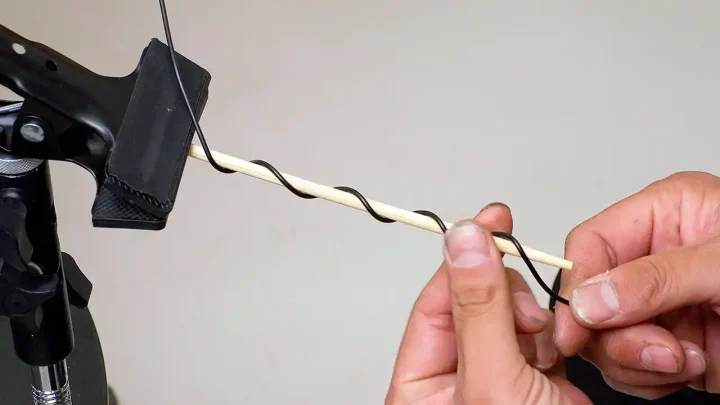
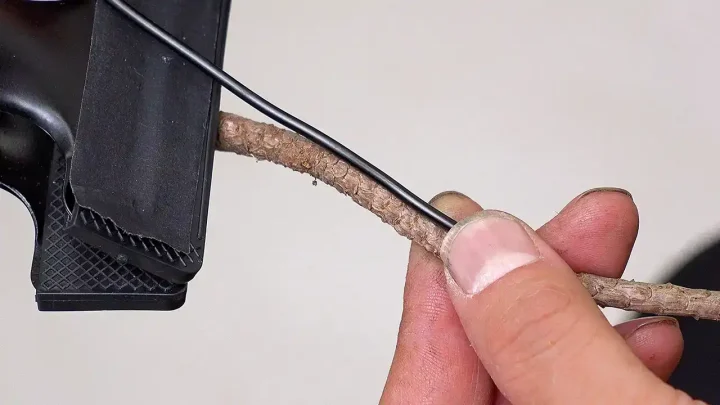
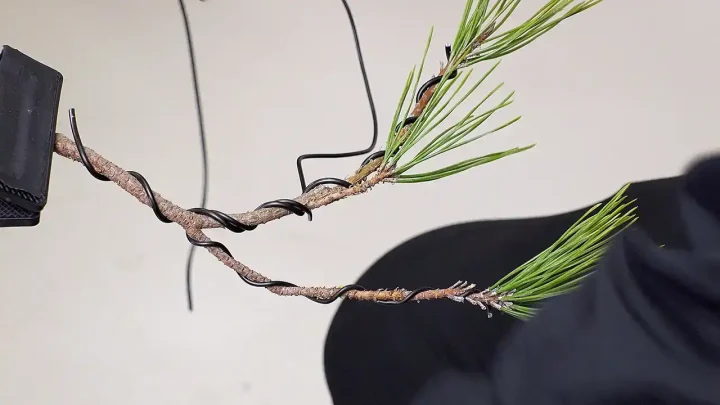
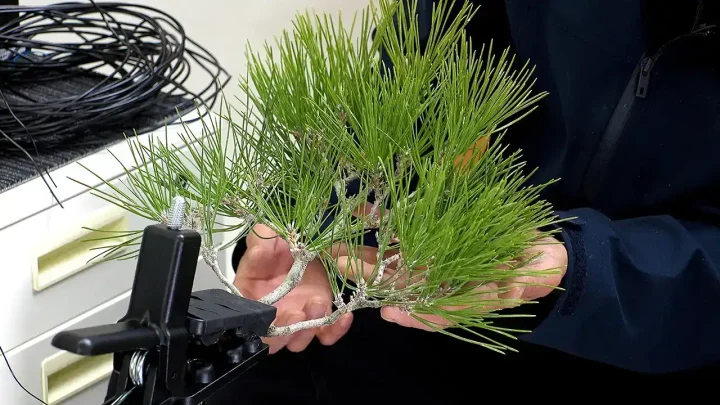
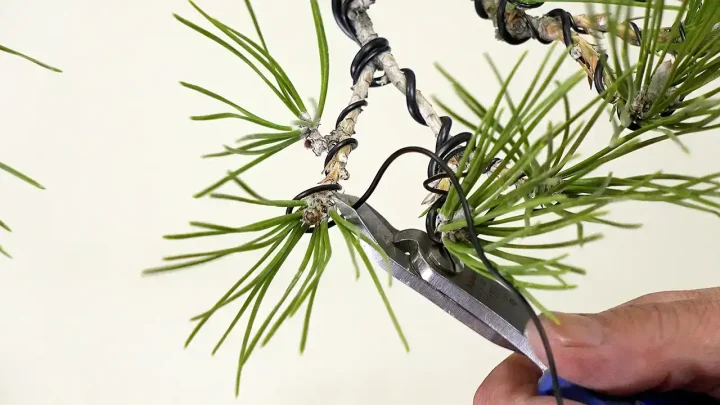
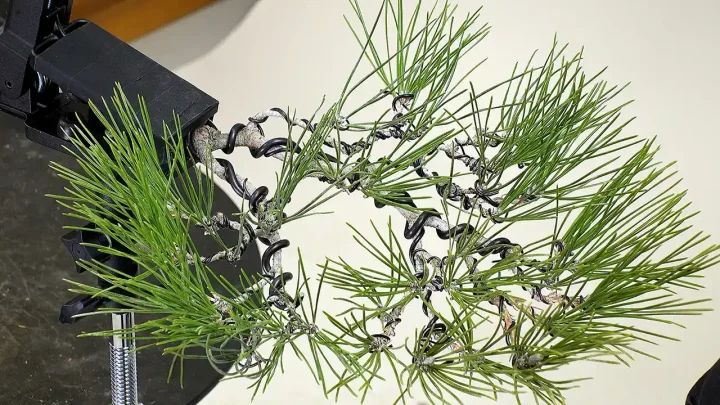
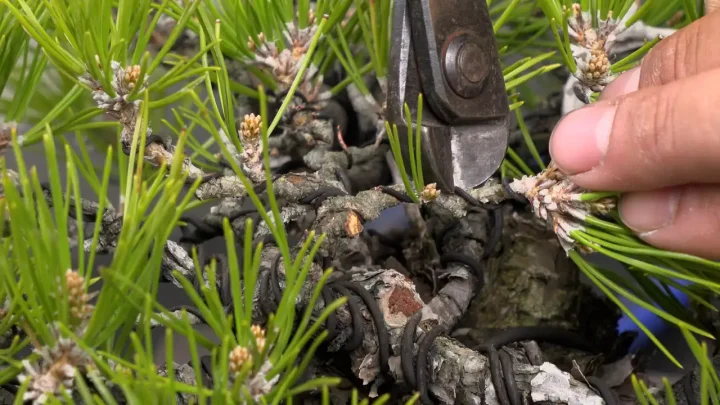

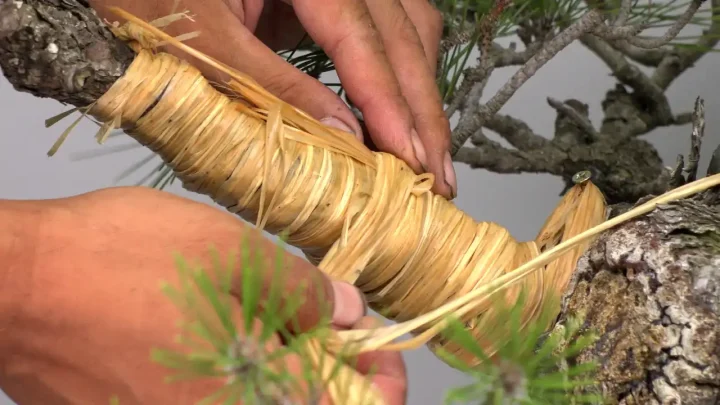
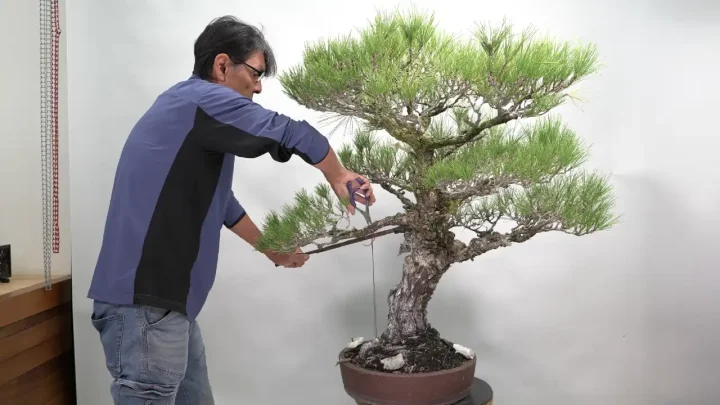
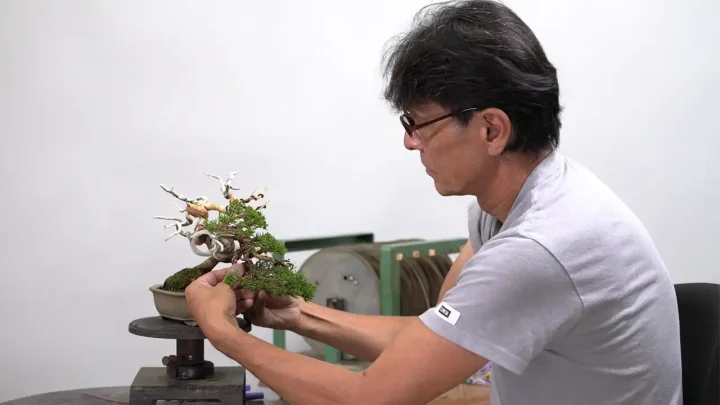
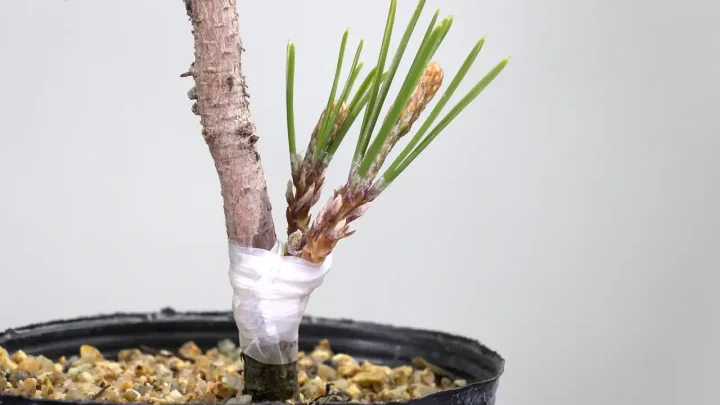
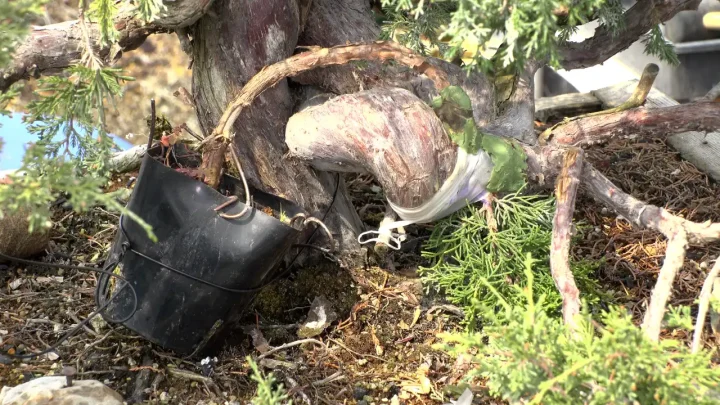
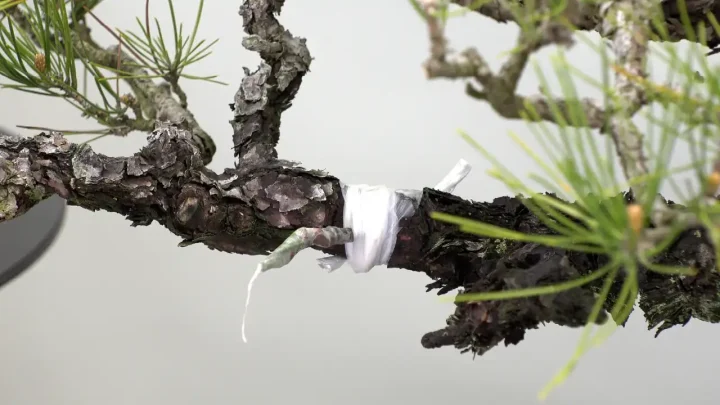
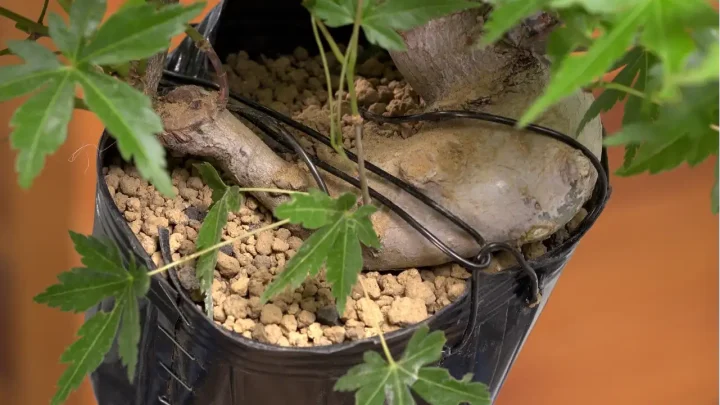
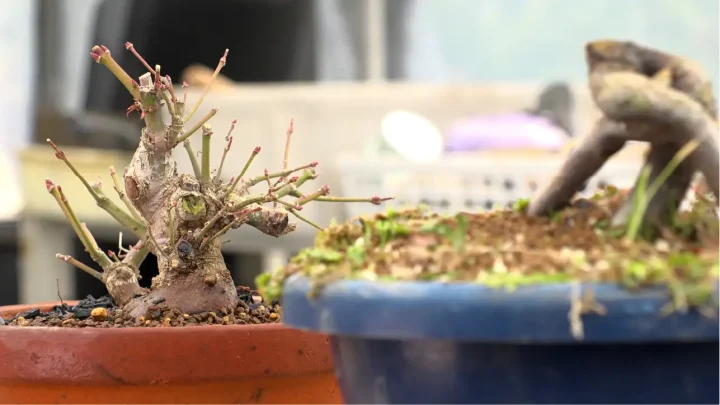


Dear Bonsai Sensei and Brothers, thank you so much for sharing with us the love and passion of the Art.. I have been growing and keeping Nishikimatsu for a bit of time now and arrived at a stage of training and shaping them to future bonsai. I have noticed that this variety is much weaker than standard kuromatsu by responding lightly to mekiri and also having some dieback branches etc.. My question is should it be better to apply metsumi instead of mekiri at right time of the year and also perform structural trimming during low growing season like winter? Thank you again
Here’s the advice from Sensei:
“Candle cutting and candle pinching are essentially the same technique, and as you’ve noticed, Nishikimatsu is weaker than standard kuromatsu. If you do perform full candle cutting, it’s best to do it earlier in the season than you would for kuromatsu. You also need to apply plenty of fertilizer beforehand to build up the tree’s vigor.
Generally, the recommended approach is selective candle pinching — pinching only the strong candles rather than cutting all of them. Another option is to skip candle cutting entirely in years when the tree has been repotted, and focus that year on building vigor instead.
For structural pruning, any time during the dormant season from November through March is fine. However, since Nishikimatsu has weaker water uptake in the branches compared to kuromatsu, more careful and delicate work is required.”
To summarize the key points:
– Focus on selective pinching: Pinch only the strong candles rather than performing full candle cutting across the tree
– If you do full candle cutting: Do it earlier than for kuromatsu, and prepare the tree with sufficient fertilizer beforehand
– Skip it in repotting years: Let the tree recover its vigor instead
– Structural pruning: Anytime during the dormant season (Nov–March) is fine, but work carefully due to the weaker water uptake in the branches
The key to managing Nishikimatsu seems to be reading the tree’s vigor and including “doing nothing” as a valid option in your toolkit.
We don’t currently have a video dedicated specifically to Nishikimatsu, but our paid lessons cover kuromatsu candle cutting, pinching, and structural pruning in detail by season. Since Nishikimatsu management is essentially an adaptation of kuromatsu techniques, those lessons would serve as a solid foundation. Feel free to consider it if you’re interested.
Thank you so much for all these detailed information.
From: “However, since Nishikimatsu has weaker water uptake in the branches compared to kuromatsu, more careful and delicate work is required.” Should we be more careful when cutting bigger branches like applying sealing paste etc even during the dormant season?
Also as mentioned in the quote, nishikimatsu have weaker water intake than kuromatsu..So does it mean that they need more water during growing season or less water than kuromatsu (using same growing soil media)?
Regards
Here’s the advice from Sensei:
“1. For larger wounds, yes — applying sealing paste is recommended. For smaller cuts, it’s not necessary.
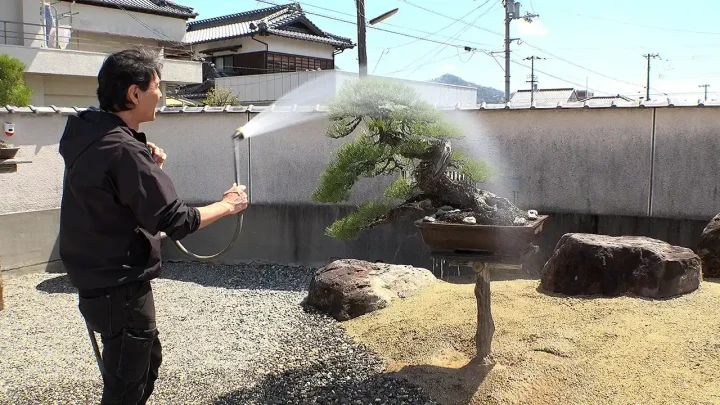
2. As for watering, it’s the same as for kuromatsu. ‘Weaker water uptake’ means the vascular channels are thinner, so you need to be careful during shaping and structural work — but the watering routine itself stays the same. For specifics on water quantity, please refer to the following lessons:”
– https://bonsai-journey.jp/courses/fune/lessons/l501/topics/l501-t03/
– https://bonsai-journey.jp/courses/fune/lessons/l501/topics/l501-t04/
Note: The linked lessons are part of our Fune Course (paid membership) and cover watering for pines and conifers in depth. The principles apply to pine varieties in general, including Nishikimatsu.
Thank you very much for the clear and precious information.
Are these key points also applicable for cultivar like Yatsubusa and kotobuki type?
Here’s the advice from Sensei:
“The basic management approach is the same as for kuromatsu. However, Yatsubusa-type cultivars, including Kotobuki, tend to develop crowded buds, so managing bud count is important. Depending on the cultivation stage, it’s also beneficial to use wiring to arrange the branches in a way that secures light penetration and airflow, which encourages inner buds (futokoro-me) to emerge.
Kotobuki-type varieties in particular tend to have trunks and branches that harden relatively quickly. For this reason, it’s best to establish the branch placement according to your final vision at an early stage.”
Thank you for the detailed advices.
For Yatsubusa-type cultivars, including Kotobuki, for managing the crowded buds tendency, is it better to perform Metsumi (early bud selection stage) or Mekiri (late stage)?
Regarding Futokoro-me on coniferous, does lowering down the branch tip can also help to promote inner buds to emerge?
Regards