
Accesso o Iscriversi per guardare le registrazioni.
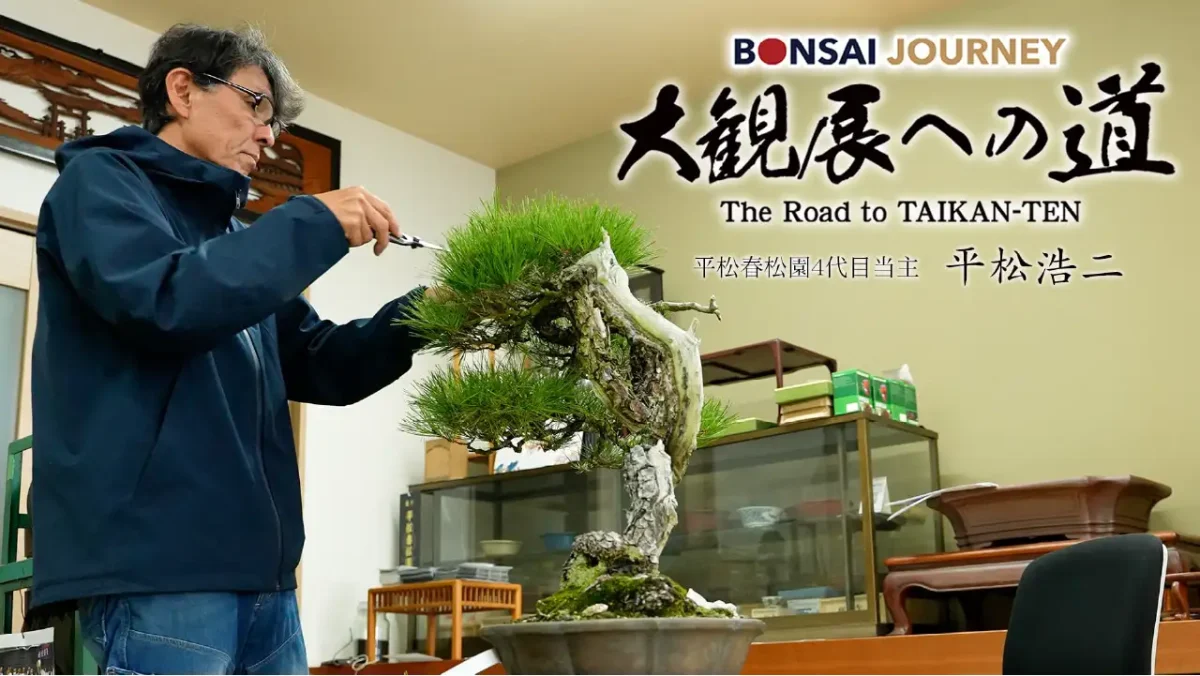
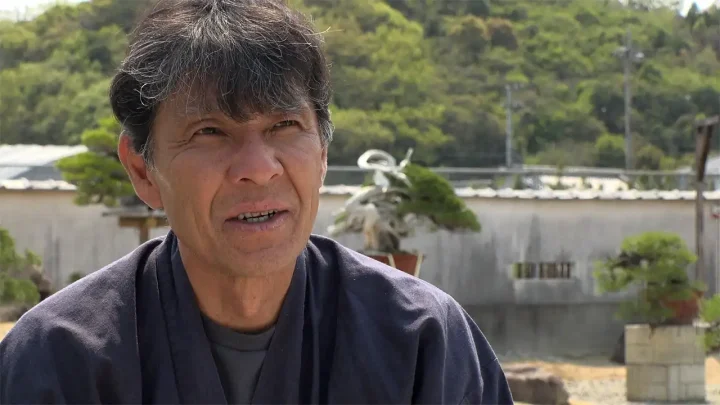
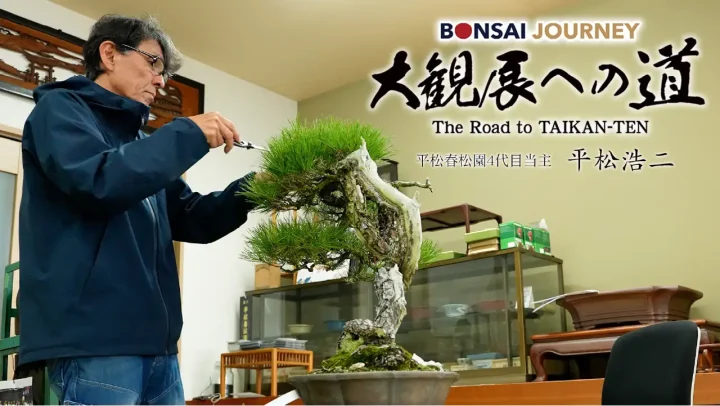
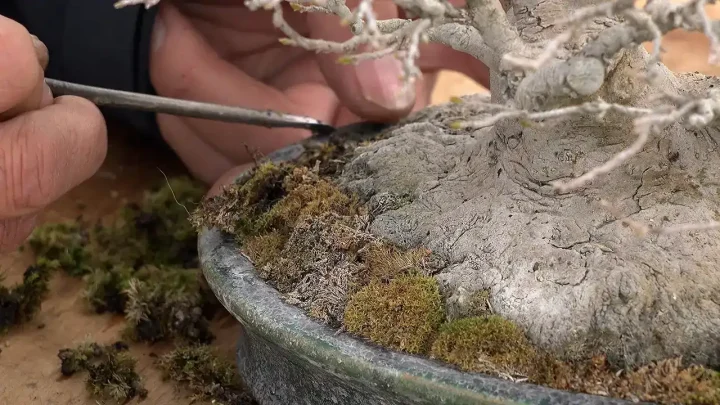
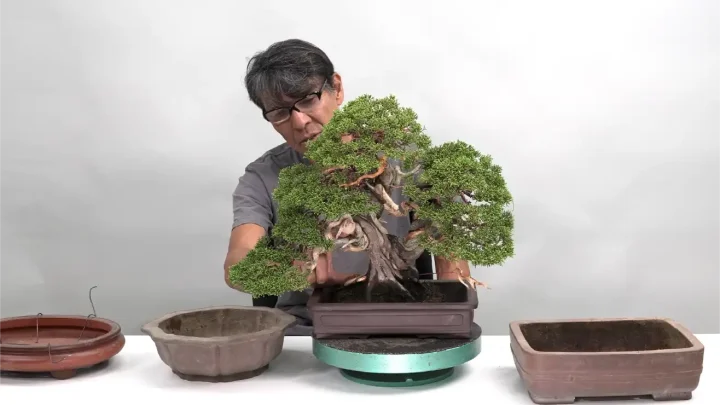
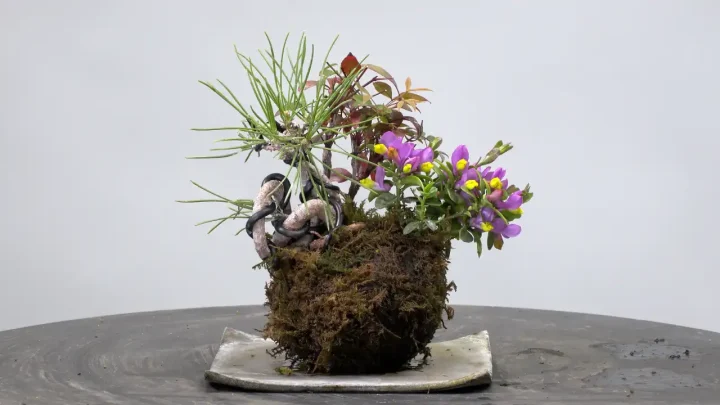
Una settimana prima della mostra, posa il muschio su un pino rosso in stile bunjin. Amalgamandolo con i polpastrelli, compone con cura un aspetto naturale: un tempo di lavoro silenzioso e manuale. «La sfida si decide nella preparazione» — qui si trova l’accumulo di dedizione del Sensei in vista del Taikan-ten al Miyako Messe.
Il Taikan-ten, che si tiene al Miyako Messe di Kyoto. Per Koji Hiramatsu, è il luogo in cui ogni anno mette alla prova del mondo le opere su cui ha lavorato con cura.
Eppure, il vero inizio della mostra non è nella sede espositiva. Dalla posa del muschio una settimana prima, al trasporto a tarda notte, all’allestimento del mattino seguente — la sfida si gioca interamente nel percorso che conduce fin lì.
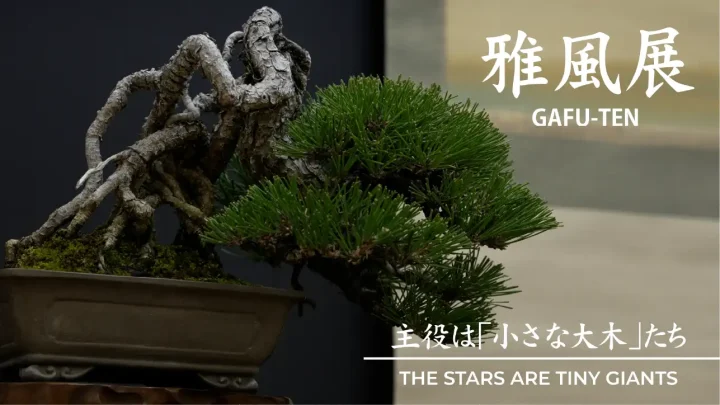
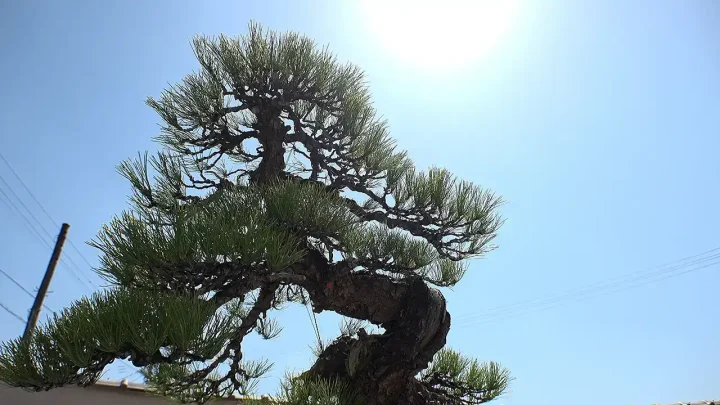
Il protagonista di questa volta è un pino rosso in stile bunjin. Un’opera plasmata nel corso di anni, raccolta in un vaso bianco di Kōchi.
«Non è un albero che ti travolge con la sua imponenza» — il bunjin è proprio questo tipo di forma. Si racconta che gli antichi, contemplando alberi simili, dicessero: «È un albero davanti al quale si può sorseggiare il tè». Il Sensei stesso ammette di non aver ancora raggiunto quel livello, eppure in quest’albero c’è qualcosa che si «assapora con lo sguardo». Una presenza quieta, accanto alla quale si desidera restare — è questa la dimensione di bellezza che lo stile bunjin possiede.
Non rifinire eccessivamente i rami. Lasciare i fiori leggermente in disordine per preservarne l'aspetto naturale. Il movimento di uno shari naturale non può essere creato dall'uomo — per questo la scelta di non intervenire troppo diventa il cuore stesso di questa estetica. Fino a che punto ci si può spingere prima che diventi «troppo»? Conoscere quel confine è forse qualcosa che si coltiva nel corso di un lungo cammino.
Una settimana prima della mostra. Koji Hiramatsu prende in mano il muschio. Non il giorno prima, non il giorno stesso — deve essere una settimana prima. Perché è il tempo necessario al muschio per aderire che determina la bellezza del risultato finale.
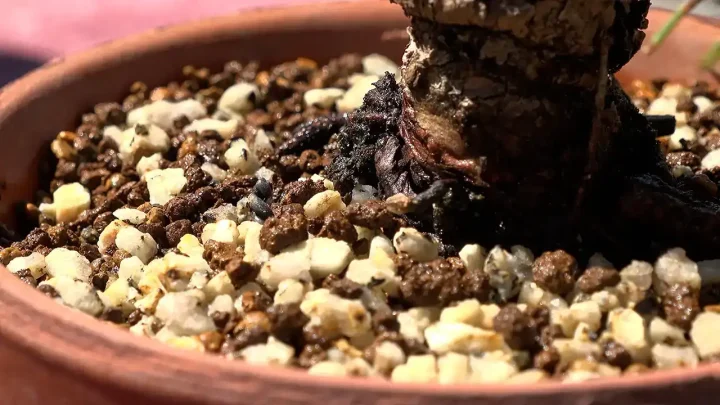
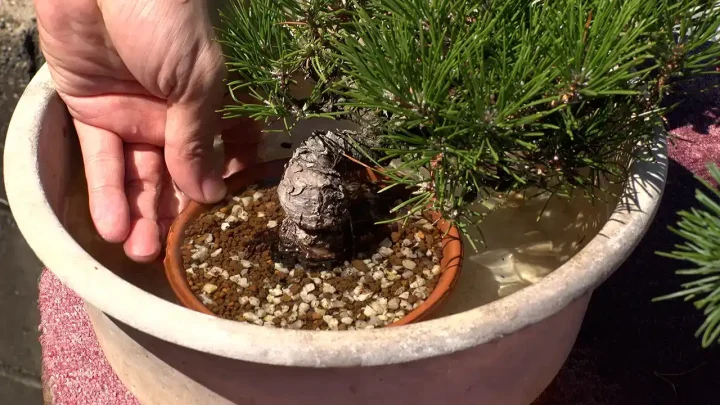
Premendo con i polpastrelli, lo distende sulla superficie del vaso. Non in ciuffi sporgenti e gonfi, ma in modo naturale, come se mettesse radici nel terreno. Le giunture vengono pressate con i polpastrelli, amalgamandole fino a renderle invisibili. È un tempo di lavoro silenzioso e manuale che, poco a poco, definirà la presenza di quell’albero nello spazio espositivo.
«La sfida è già decisa dalla preparazione. Se non vendi, significa che il tuo occhio non era abbastanza buono» — carica circa cinquanta alberi in auto, percorre le strade notturne e il mattino seguente monta gli scaffali al Miyako Messe. La determinazione del Sensei è già incrollabile.
Prima dello spettacolo luminoso dell’esposizione, c’è questo trasporto, una settimana di posa del muschio, anni di coltivazione. Anche se si volesse fare qualcosa il giorno della mostra, sarebbe ormai troppo tardi. Tutte le risposte sono già racchiuse nel tempo che si è accumulato.
La mostra è anche il luogo in cui si sottopone al giudizio del mondo ciò che si è creato con cura. Non è il comportamento del giorno stesso a essere giudicato, ma l’accumulo di tutto ciò che lo ha preceduto — è lì che risiede l’orgoglio dell’artigiano.
«Il bonsai non finisce mai, finché si è in vita» — questo viaggio non ha fine.
Anche l'anno prossimo, ancora applicare il muschio, ancora percorrere le strade notturne, ancora dirigersi al Miyako Messe. Sembra la stessa ripetizione, eppure l'albero è diverso, la stagione è diversa, e anche il proprio sguardo cambia poco a poco. Non è un lavoro che mira al compimento, bensì un lavoro in cui si gode di un viaggio senza compimento — forse è proprio in questo che risiede la vera essenza del bonsai.
Il viaggio «Principiante: Ayumi» inizia con la registrazione.
Iniziare il viaggioDevi essere connesso per inviare un commento.


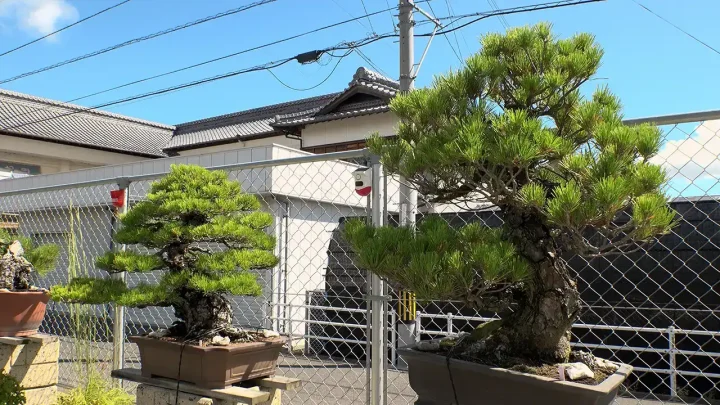
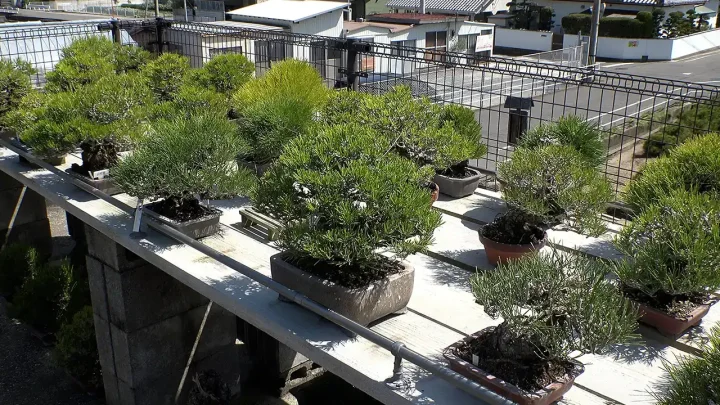

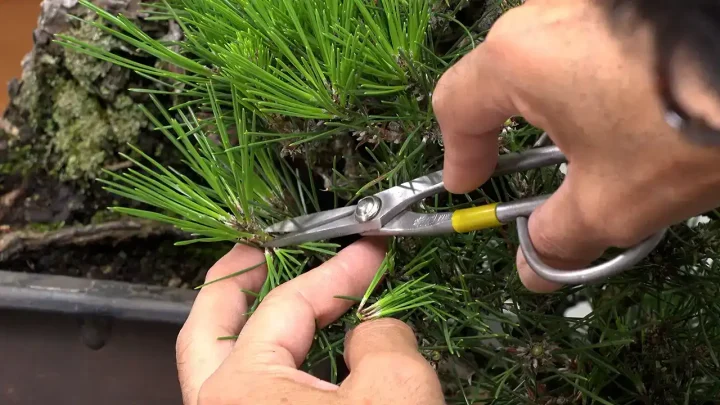
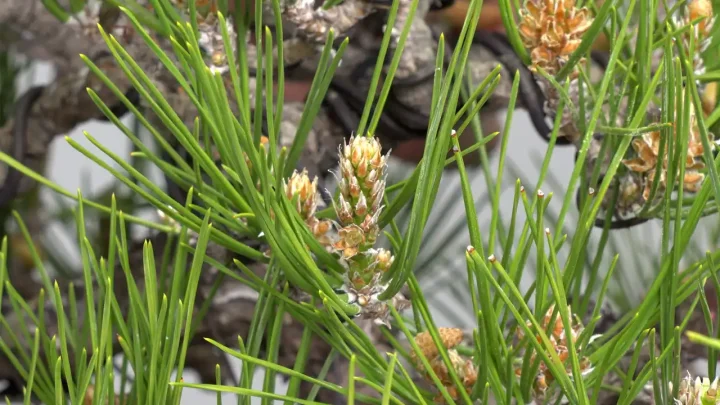
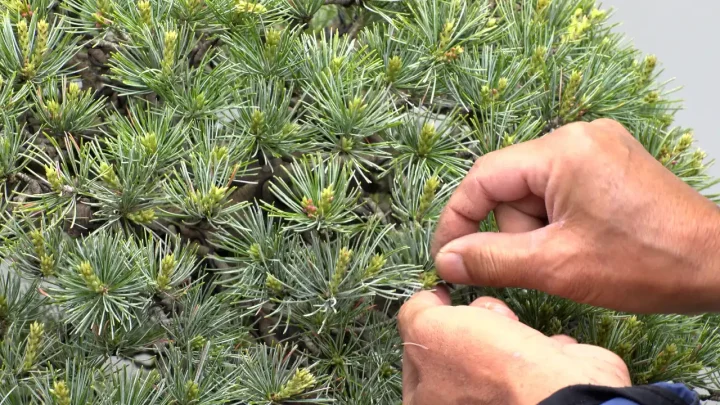
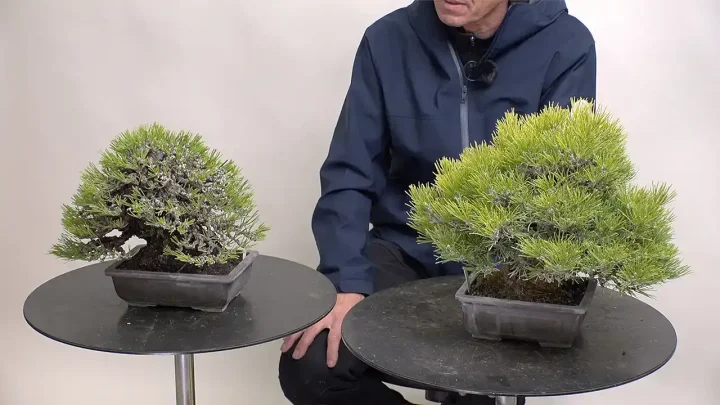
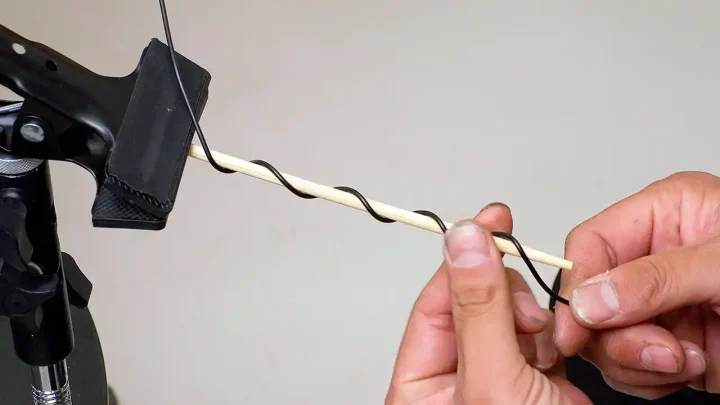
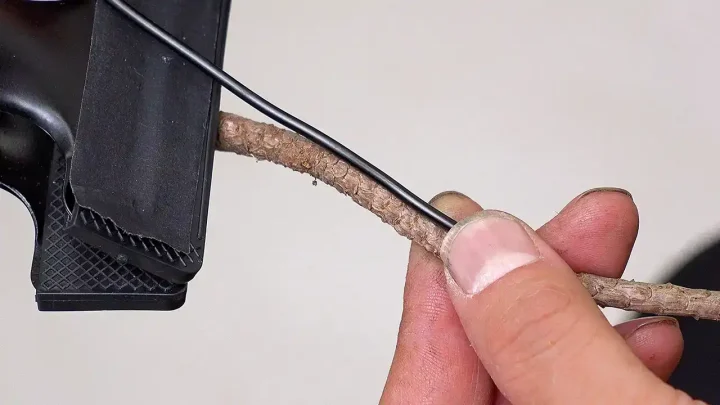
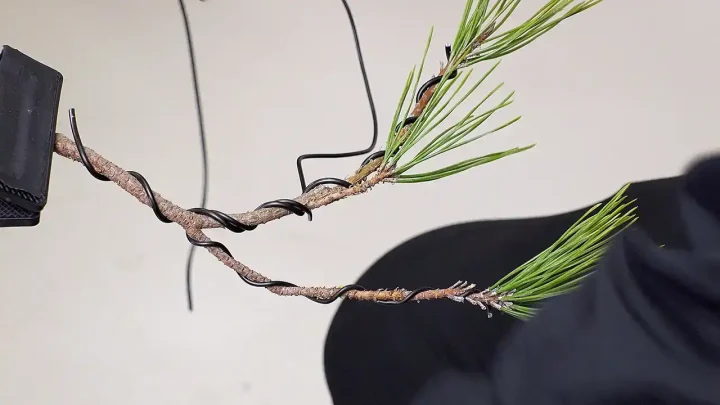
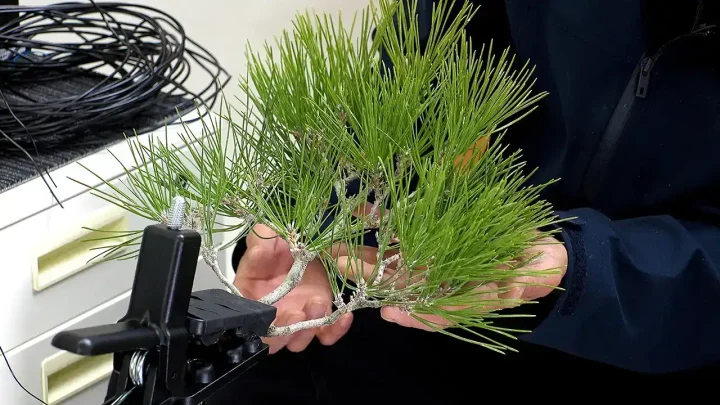
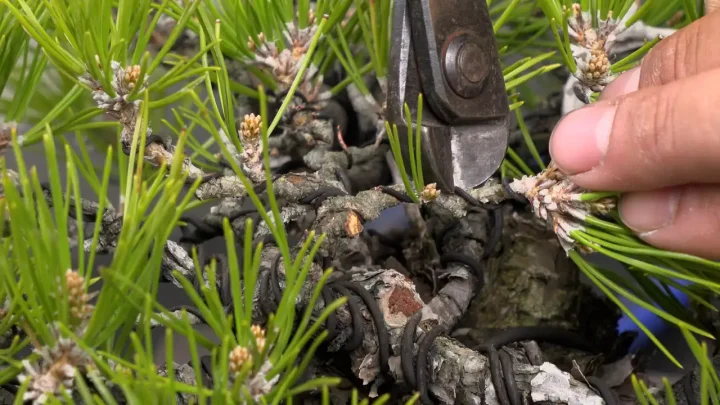
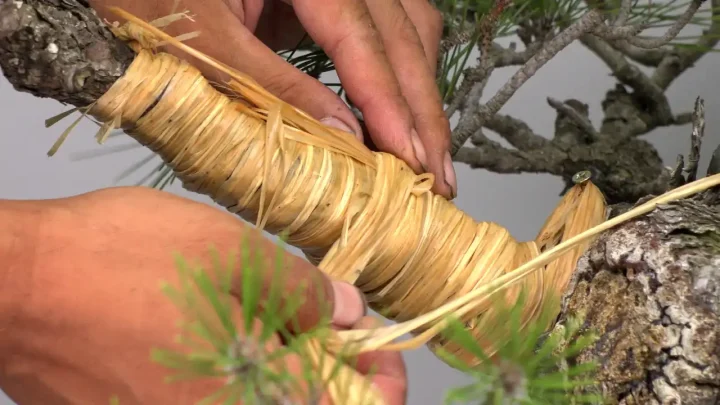
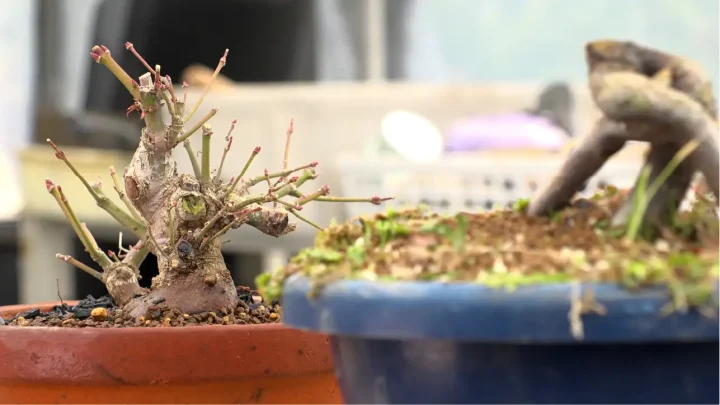


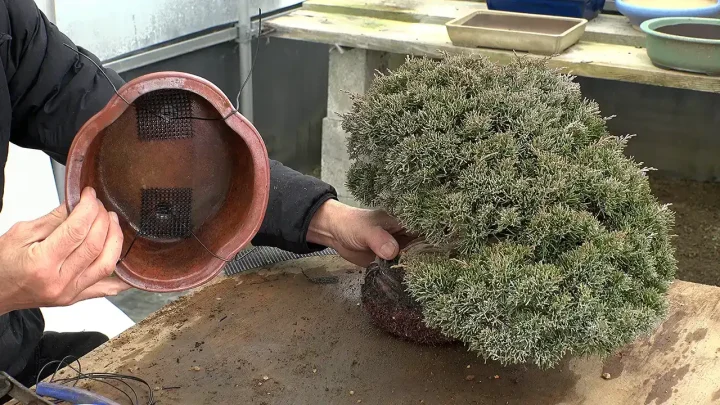
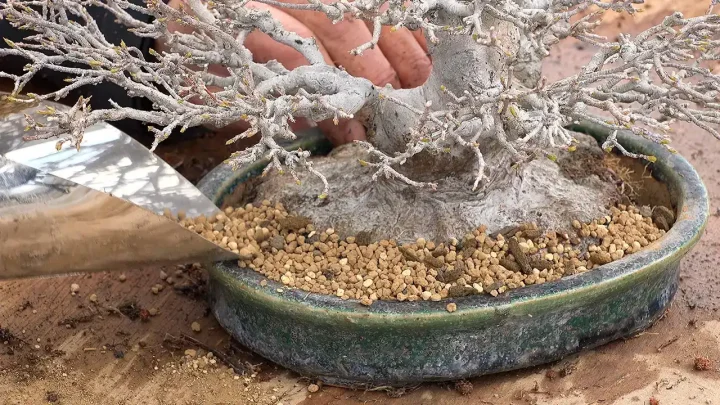
Dear Bonsai Sensei and Brothers, thank you so much for sharing with us the love and passion of the Art.. I have been growing and keeping Nishikimatsu for a bit of time now and arrived at a stage of training and shaping them to future bonsai. I have noticed that this variety is much weaker than standard kuromatsu by responding lightly to mekiri and also having some dieback branches etc.. My question is should it be better to apply metsumi instead of mekiri at right time of the year and also perform structural trimming during low growing season like winter? Thank you again
Here’s the advice from Sensei:
“Candle cutting and candle pinching are essentially the same technique, and as you’ve noticed, Nishikimatsu is weaker than standard kuromatsu. If you do perform full candle cutting, it’s best to do it earlier in the season than you would for kuromatsu. You also need to apply plenty of fertilizer beforehand to build up the tree’s vigor.
Generally, the recommended approach is selective candle pinching — pinching only the strong candles rather than cutting all of them. Another option is to skip candle cutting entirely in years when the tree has been repotted, and focus that year on building vigor instead.
For structural pruning, any time during the dormant season from November through March is fine. However, since Nishikimatsu has weaker water uptake in the branches compared to kuromatsu, more careful and delicate work is required.”
To summarize the key points:
– Focus on selective pinching: Pinch only the strong candles rather than performing full candle cutting across the tree
– If you do full candle cutting: Do it earlier than for kuromatsu, and prepare the tree with sufficient fertilizer beforehand
– Skip it in repotting years: Let the tree recover its vigor instead
– Structural pruning: Anytime during the dormant season (Nov–March) is fine, but work carefully due to the weaker water uptake in the branches
The key to managing Nishikimatsu seems to be reading the tree’s vigor and including “doing nothing” as a valid option in your toolkit.
We don’t currently have a video dedicated specifically to Nishikimatsu, but our paid lessons cover kuromatsu candle cutting, pinching, and structural pruning in detail by season. Since Nishikimatsu management is essentially an adaptation of kuromatsu techniques, those lessons would serve as a solid foundation. Feel free to consider it if you’re interested.
Thank you so much for all these detailed information.
From: “However, since Nishikimatsu has weaker water uptake in the branches compared to kuromatsu, more careful and delicate work is required.” Should we be more careful when cutting bigger branches like applying sealing paste etc even during the dormant season?
Also as mentioned in the quote, nishikimatsu have weaker water intake than kuromatsu..So does it mean that they need more water during growing season or less water than kuromatsu (using same growing soil media)?
Regards
Here’s the advice from Sensei:
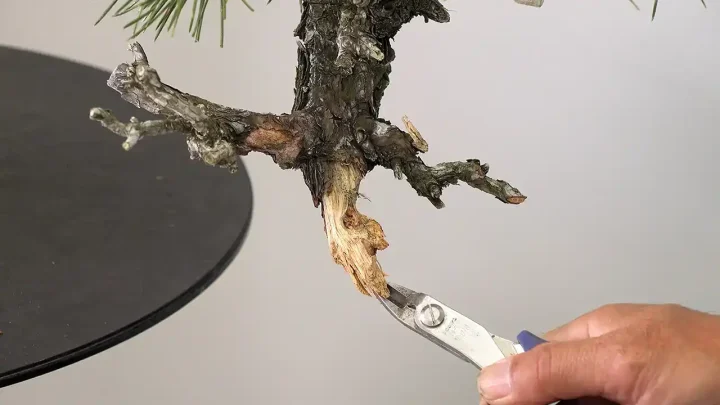
“1. For larger wounds, yes — applying sealing paste is recommended. For smaller cuts, it’s not necessary.
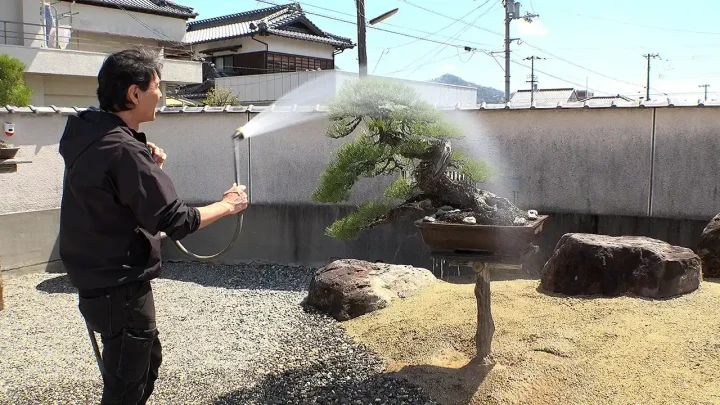
2. As for watering, it’s the same as for kuromatsu. ‘Weaker water uptake’ means the vascular channels are thinner, so you need to be careful during shaping and structural work — but the watering routine itself stays the same. For specifics on water quantity, please refer to the following lessons:”
– https://bonsai-journey.jp/courses/fune/lessons/l501/topics/l501-t03/
– https://bonsai-journey.jp/courses/fune/lessons/l501/topics/l501-t04/
Note: The linked lessons are part of our Fune Course (paid membership) and cover watering for pines and conifers in depth. The principles apply to pine varieties in general, including Nishikimatsu.
Thank you very much for the clear and precious information.
Are these key points also applicable for cultivar like Yatsubusa and kotobuki type?
Here’s the advice from Sensei:
“The basic management approach is the same as for kuromatsu. However, Yatsubusa-type cultivars, including Kotobuki, tend to develop crowded buds, so managing bud count is important. Depending on the cultivation stage, it’s also beneficial to use wiring to arrange the branches in a way that secures light penetration and airflow, which encourages inner buds (futokoro-me) to emerge.
Kotobuki-type varieties in particular tend to have trunks and branches that harden relatively quickly. For this reason, it’s best to establish the branch placement according to your final vision at an early stage.”
Thank you for the detailed advices.
For Yatsubusa-type cultivars, including Kotobuki, for managing the crowded buds tendency, is it better to perform Metsumi (early bud selection stage) or Mekiri (late stage)?
Regarding Futokoro-me on coniferous, does lowering down the branch tip can also help to promote inner buds to emerge?
Regards