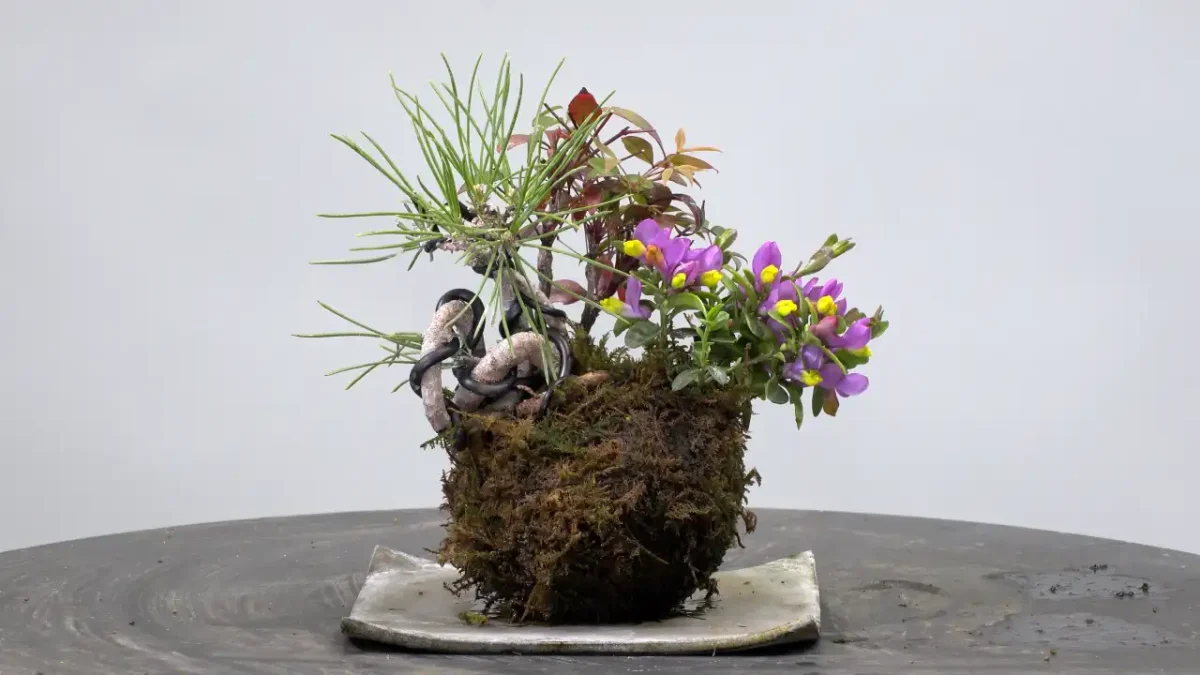
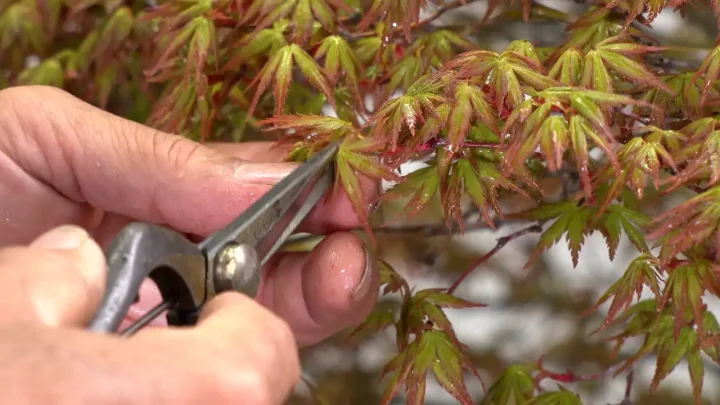
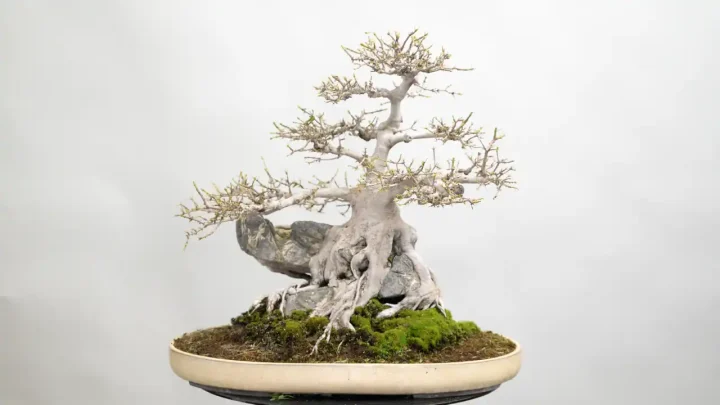
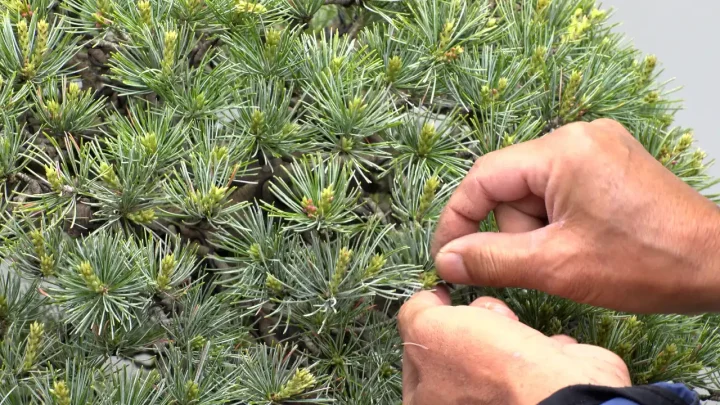
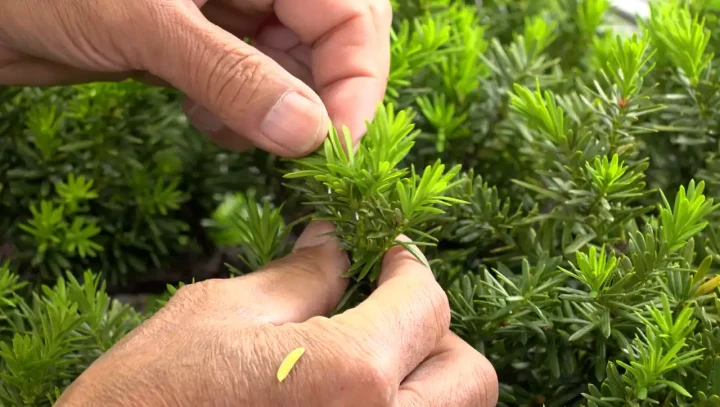
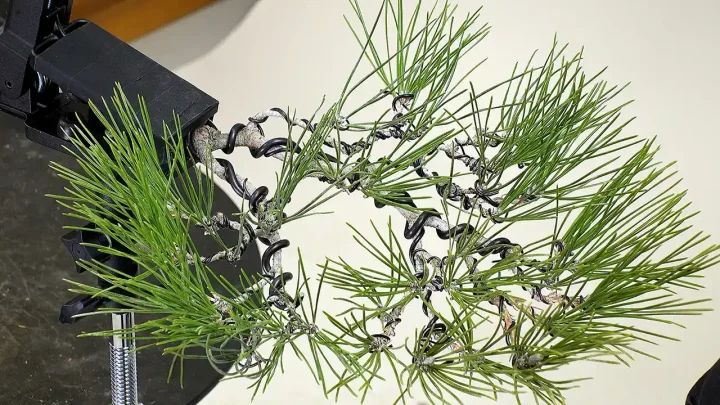
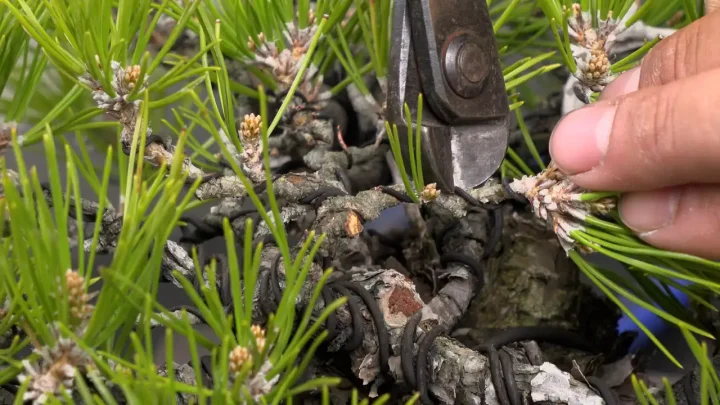
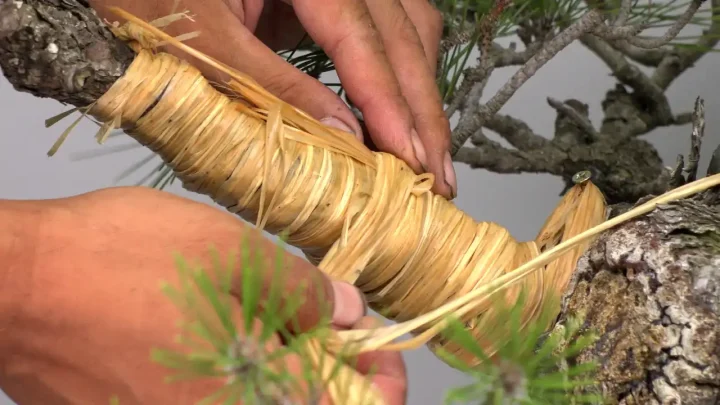
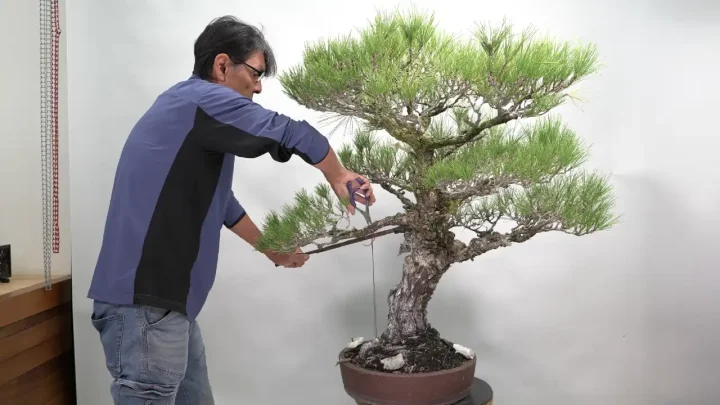
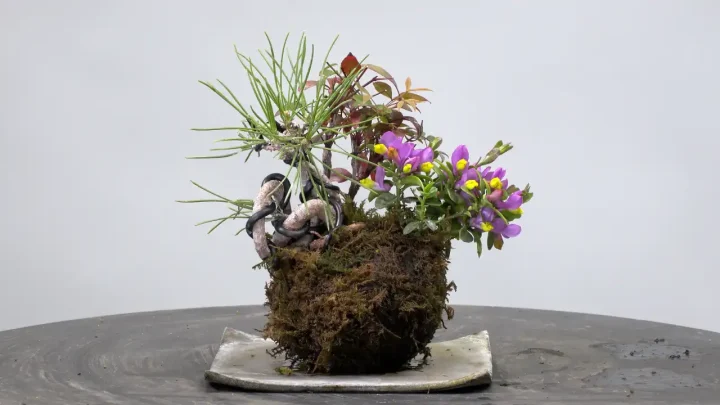
Knead Keto Soil by hand and gather Japanese Black Pine, Heavenly Bamboo (Nandina), and Tokiwa-himehagi into a single ball. Decide what stands at the center, establish the angle, apply the moss — decisions accumulate, and a small landscape takes shape within the palm of your hand. Even after it is finished, the Kokedama goes on living.
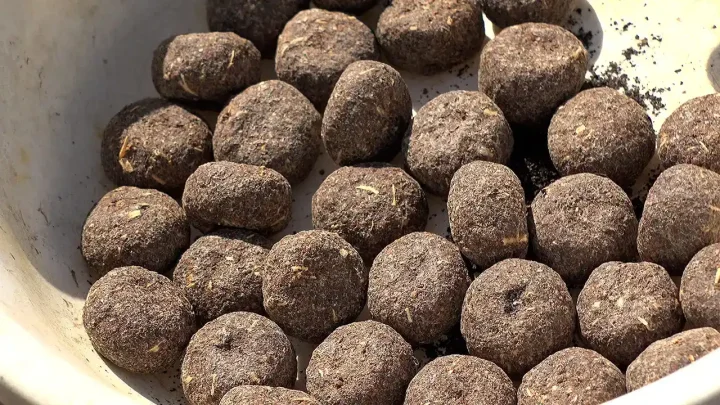
When adding water to Keto Soil, the principle is to go little by little. Add too much and it loses its adhesiveness, making it impossible to shape into a ball. So take it slowly, checking the condition as you go. The sensation that travels through your hands tells you what to do next.
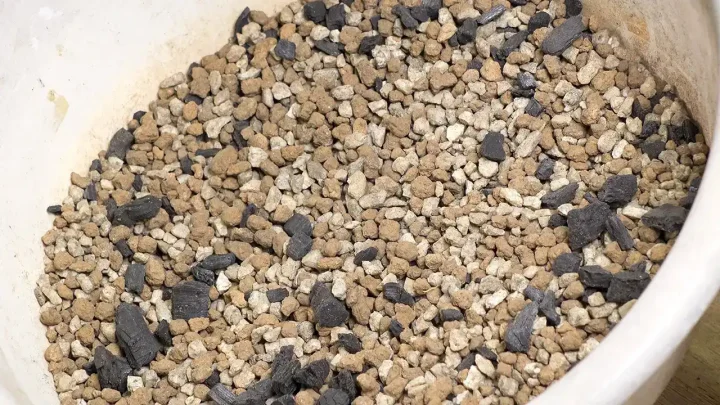
Kokedama holds no pot. Only soil and moss protect the roots. In return, the maker's hands touch the materials directly. The coldness of Keto Soil, the grainy feel of Akadama Soil, the firmness of the roots — it is work that shapes a small landscape within the palm of your hand. It is bonsai, yet it carries a feeling close to sculpture or ceramics.
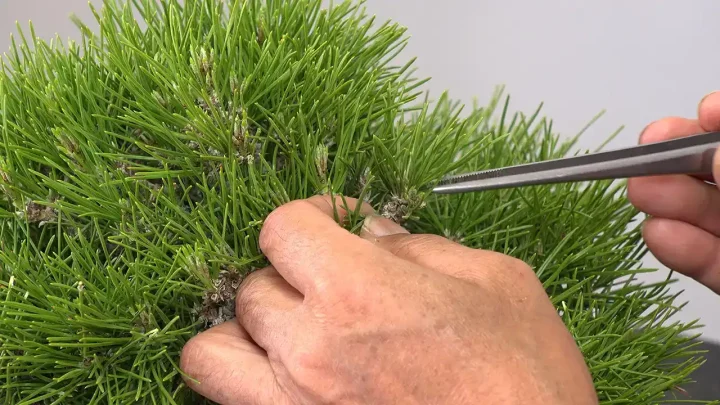
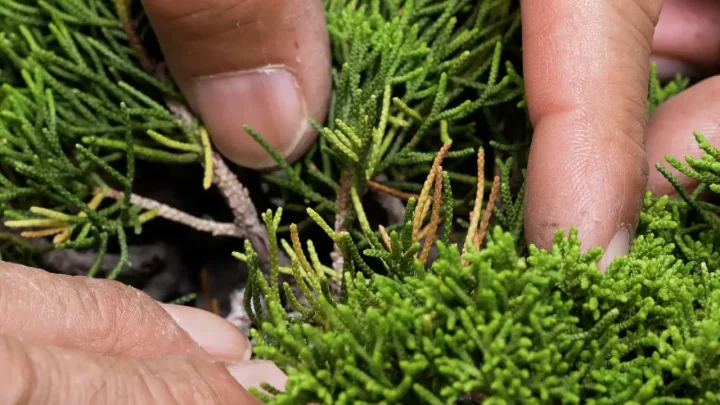
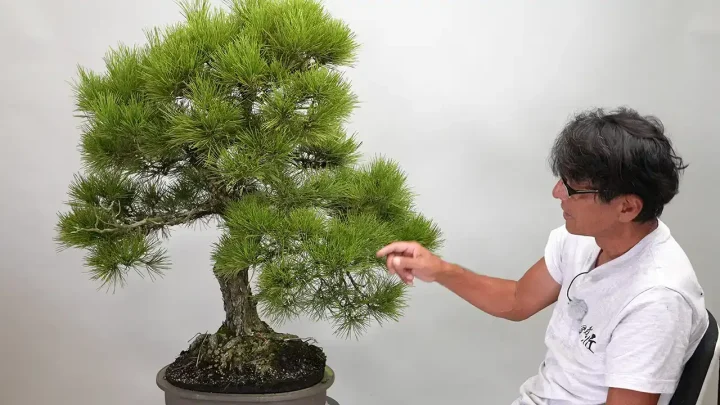
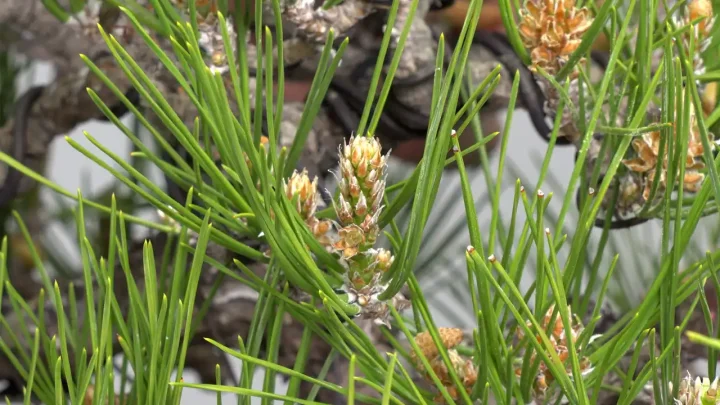
Japanese Black Pine, Heavenly Bamboo (Nandina), and Tokiwa-himehagi. When gathering three elements into a single ball, the first question is — what do you place at the center?
Begin by wrapping the Japanese Black Pine, establish the front and the angle, then arrange what surrounds it. The position of the Heavenly Bamboo (Nandina) is chosen with depth in mind. Until the main subject is decided, nothing around it can be decided. That holds true in Kokedama just as anywhere else.
Which roots to groom, where to place the Heavenly Bamboo (Nandina), how to add the Accent Plant (Kusamono) — each decision narrows the next move. The accumulation of choices sets firm inside the Keto Soil. Undoing it is not easy.
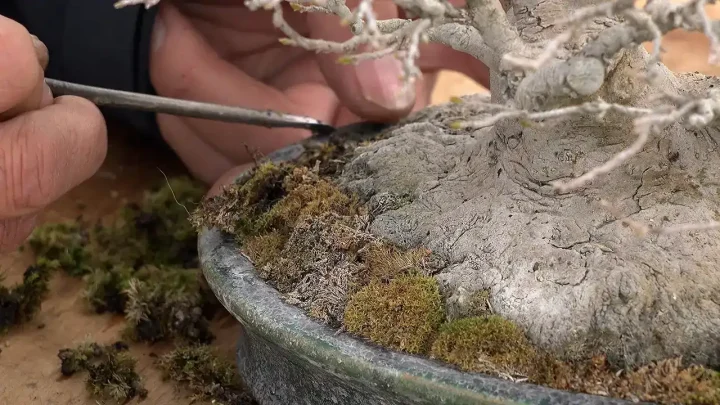
Before applying the Thuidium Moss, shape the ball slightly smaller than the intended final size. Account for the thickness of the moss in advance, and let your hands move with the finished form already in mind. That accumulation shows in the result.
Apply the moss, secure it with cotton thread, and set it on a tray. Once it is complete, step back and look at it again from the front. You notice that the Japanese Black Pine and the Heavenly Bamboo (Nandina) have ended up at the same height. Prune the Heavenly Bamboo (Nandina) once more, and at last a difference in height appears.
After feeling 'it is done,' look one more time. That single extra step changes the piece. Hold off on completion for a moment, and observe again — this habit may not be something only Kokedama requires.
Even after it has taken shape, the Kokedama goes on living. When the soil dries, check the weight by hand, water it, and let it dry again. From the day it was finished, a different kind of time has begun.
The journey of "Adept: “Uma”" begins with member registration.
Begin the Journey