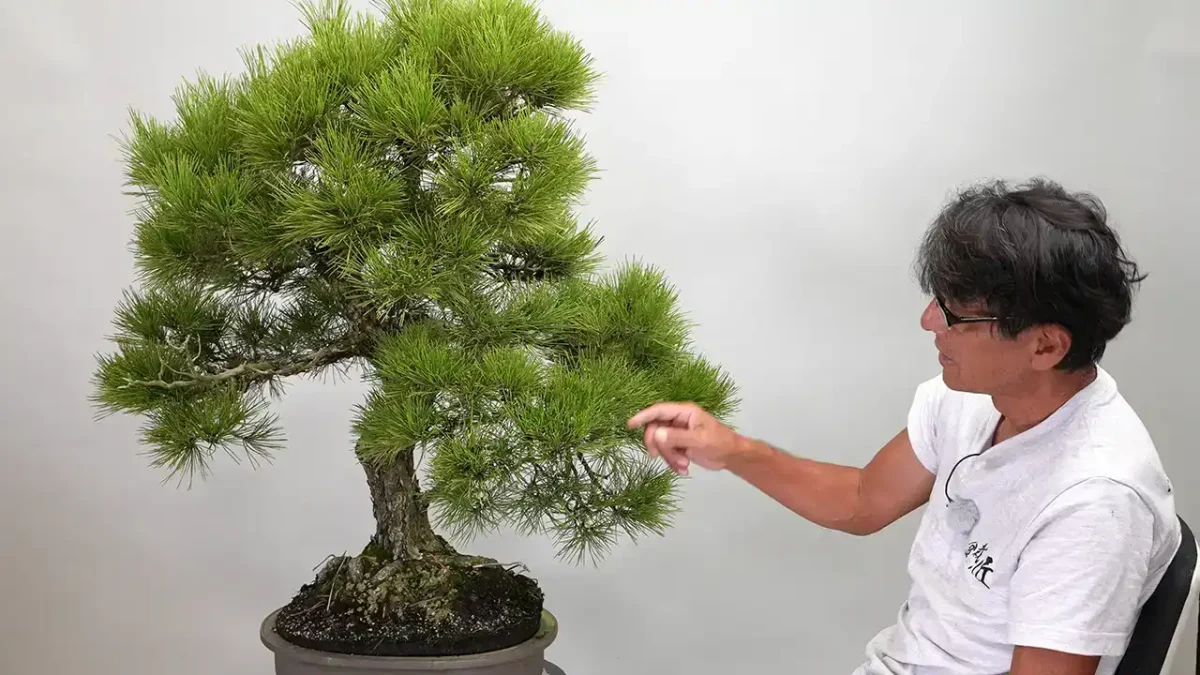
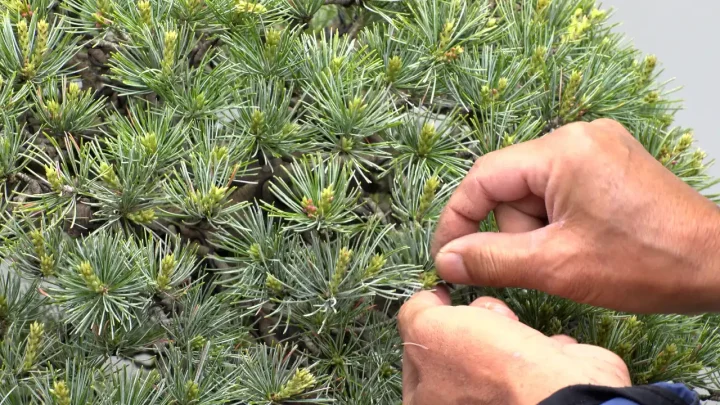
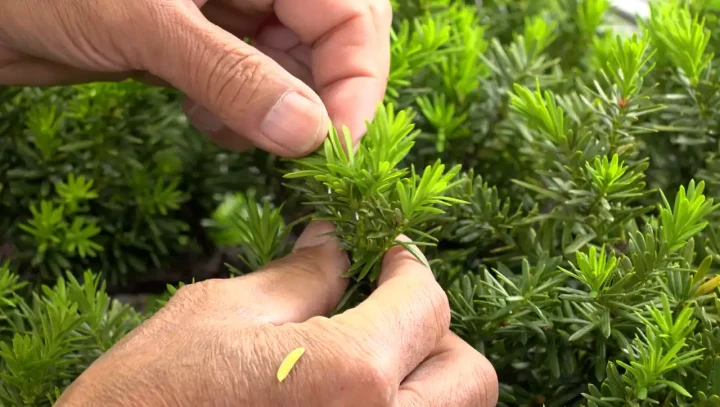
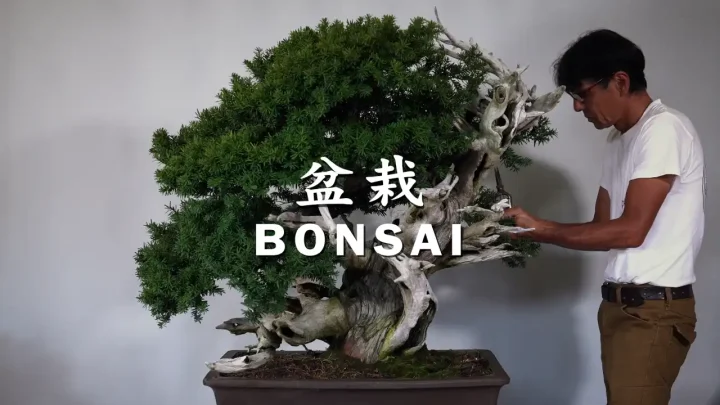
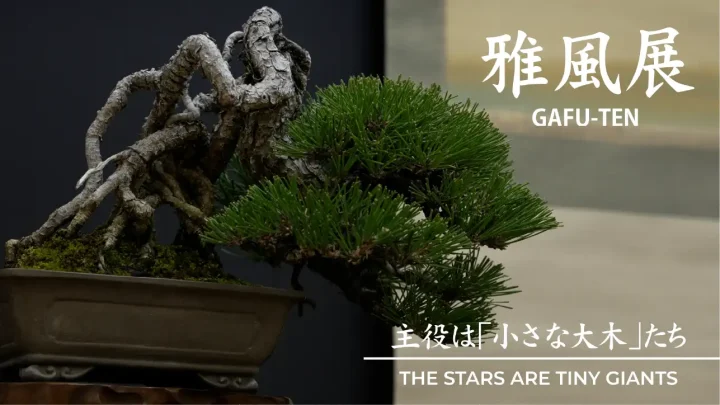
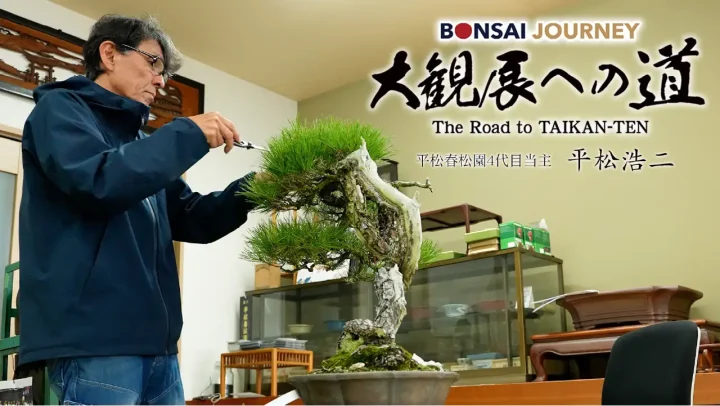
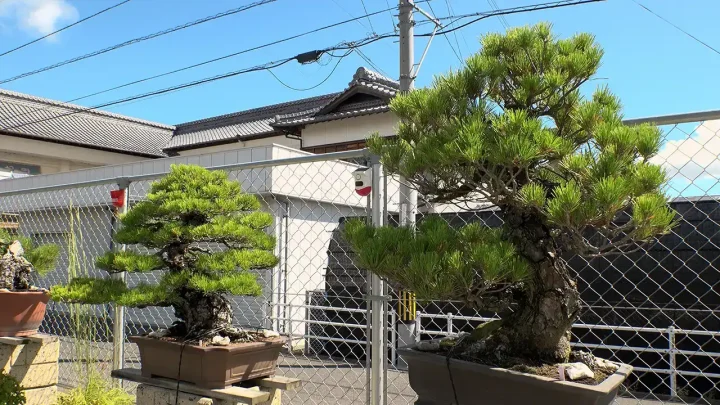
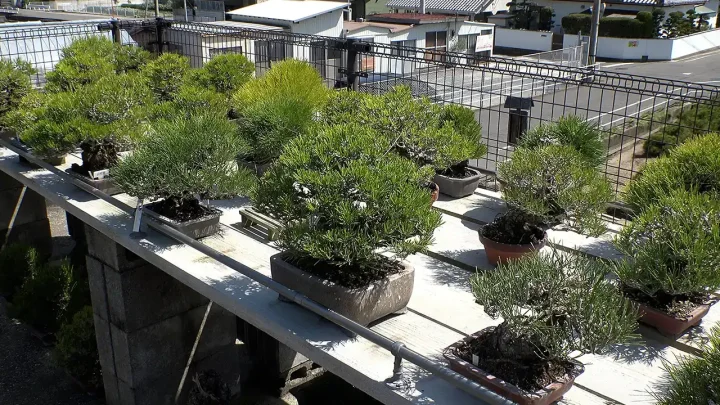
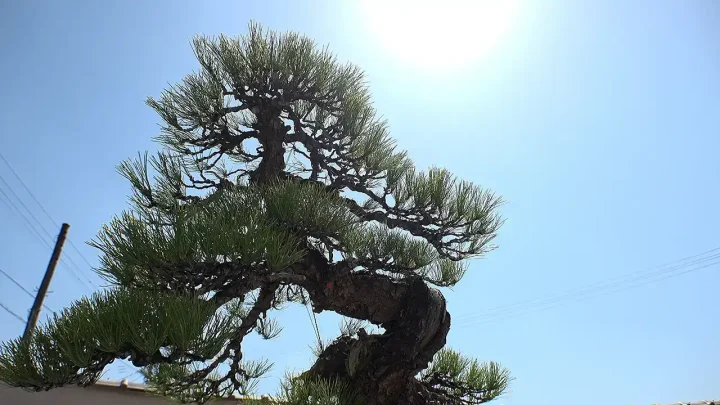
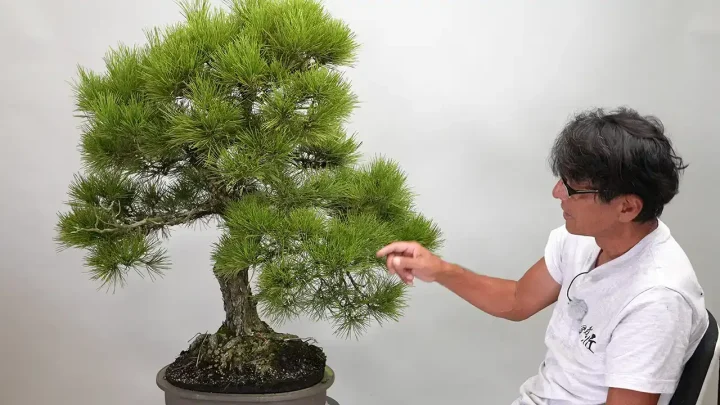
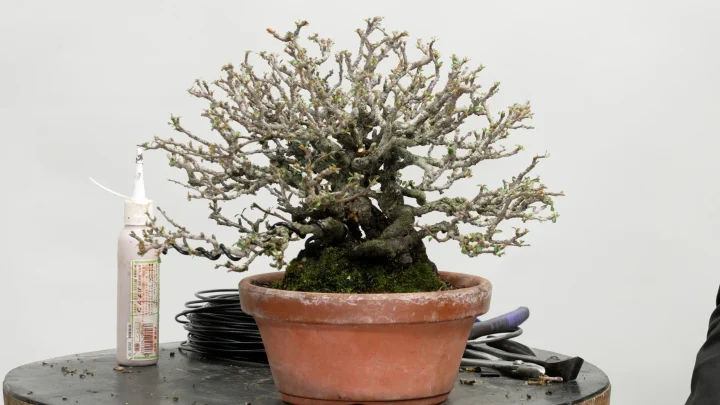
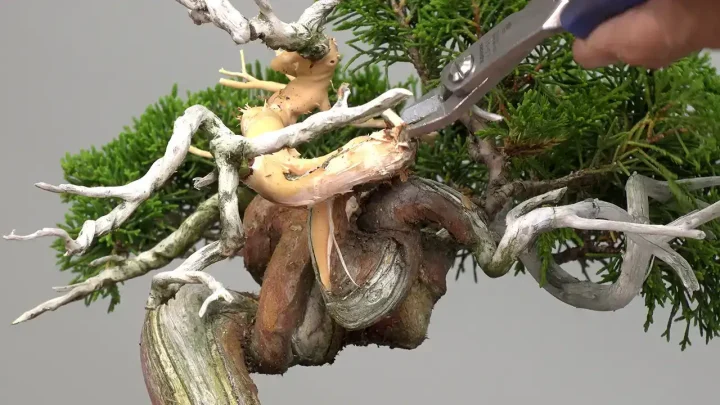
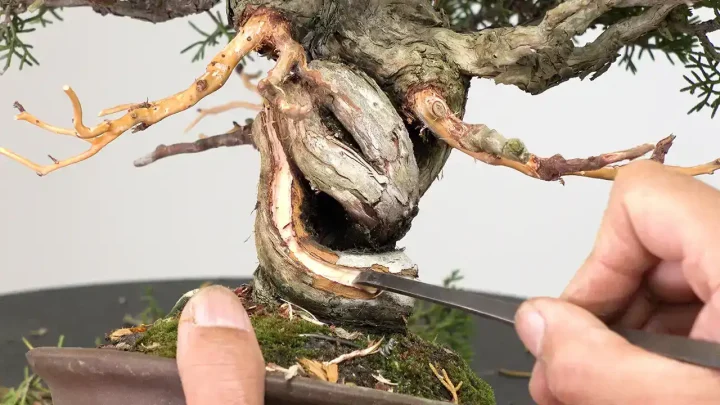
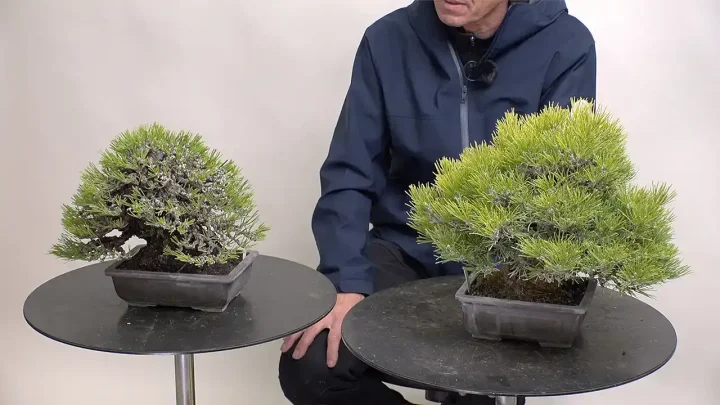
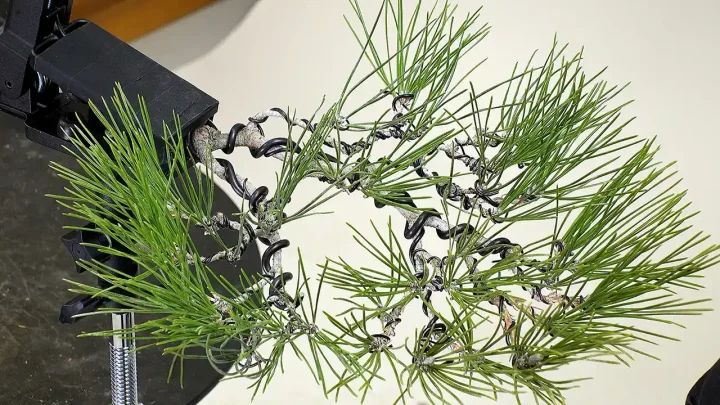
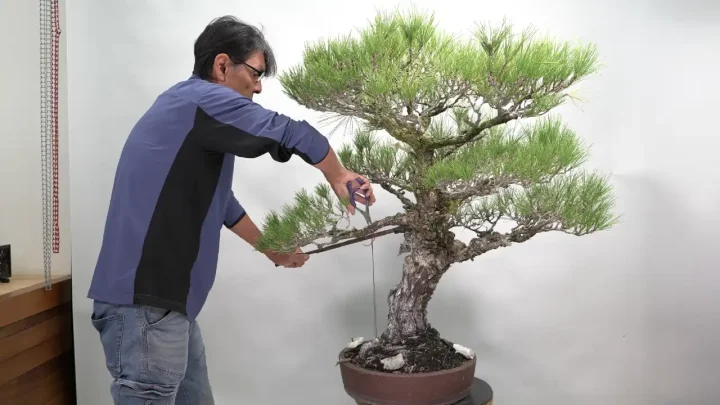
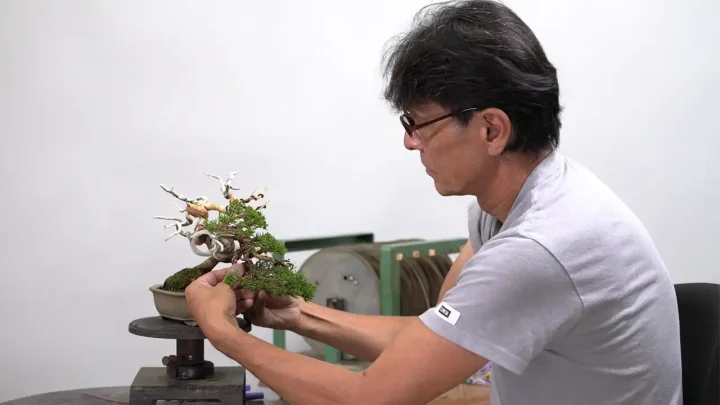
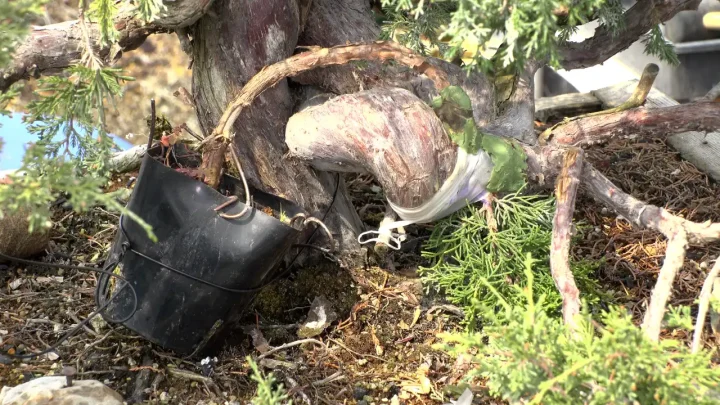
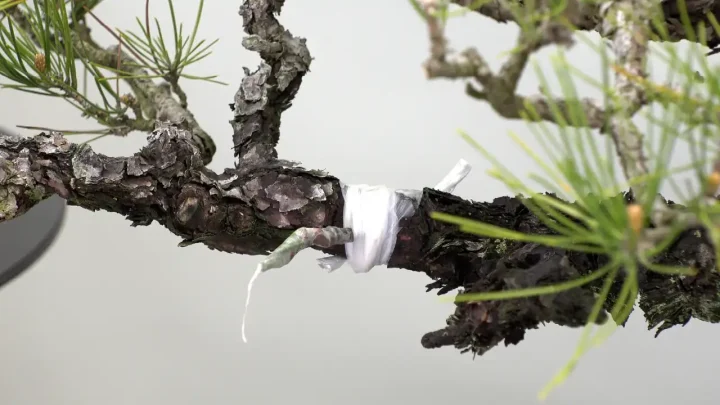
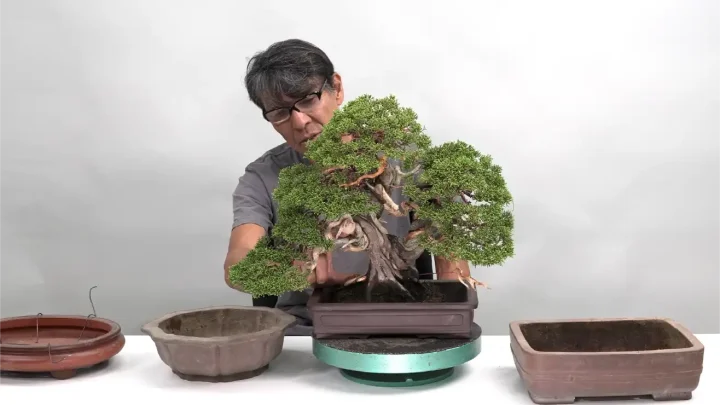
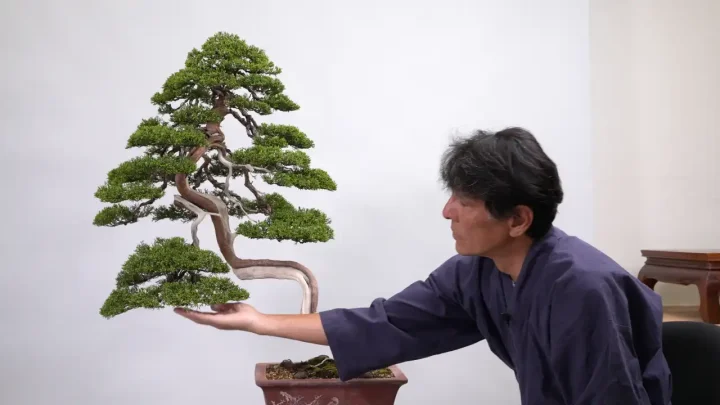
Old Foliage Removal on the Japanese Black Pine looks like tidying, yet its true purpose is drawing vitality toward the weak buds in the Interior. It quietly resists the instinct of Apical Dominance — restraining the tips, letting light and air reach the branch bases. The judgements built up through that process determine the tree's silhouette years from now. By mid-March, this is the work to settle into — tree in front of you, eyes open.
Left to its own devices, the Japanese Black Pine pushes outward, always outward. The tips grow strong, and light can no longer reach the branch bases — the Interior. This is the plant's instinct, a quality known as Apical Dominance. Bonsai must quietly, yet surely, hold that instinct in check.
Old Foliage Removal is the work that stands at that front line. It may look like tidying up, but in truth it is the work of drawing the tree's vitality inward.
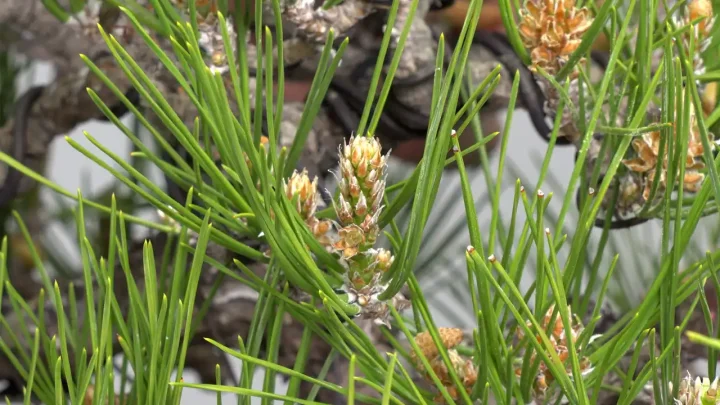
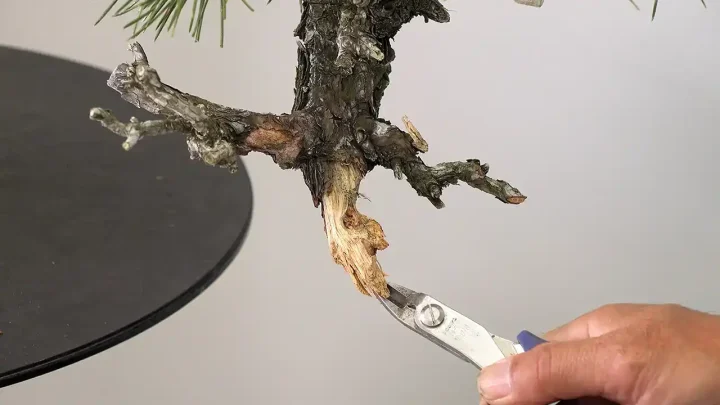
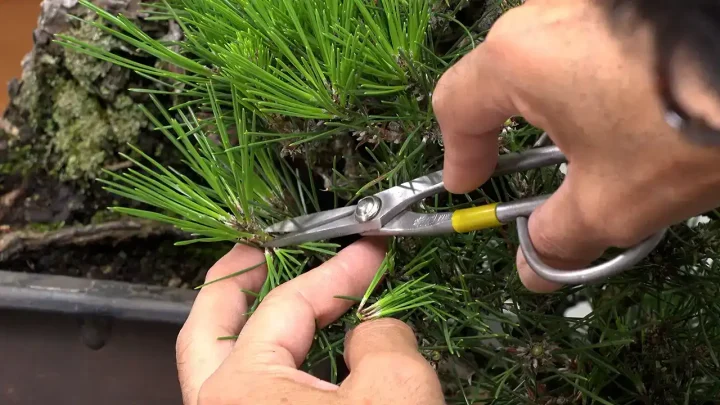
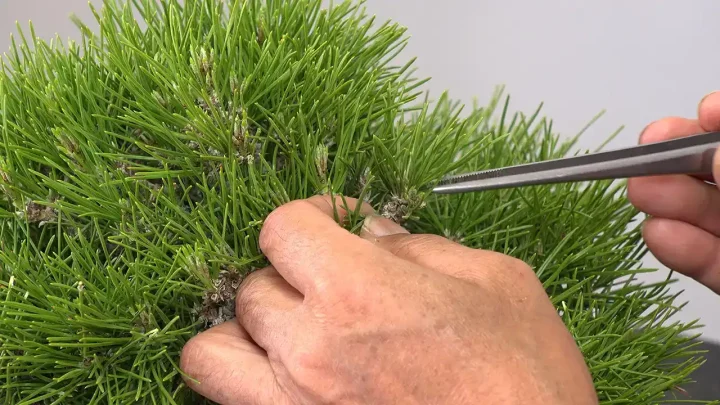
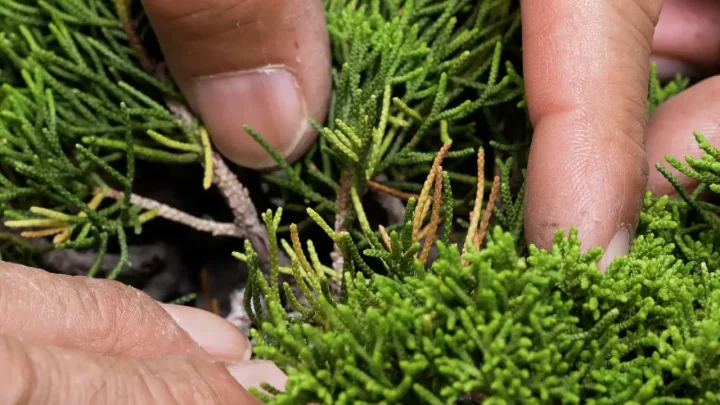
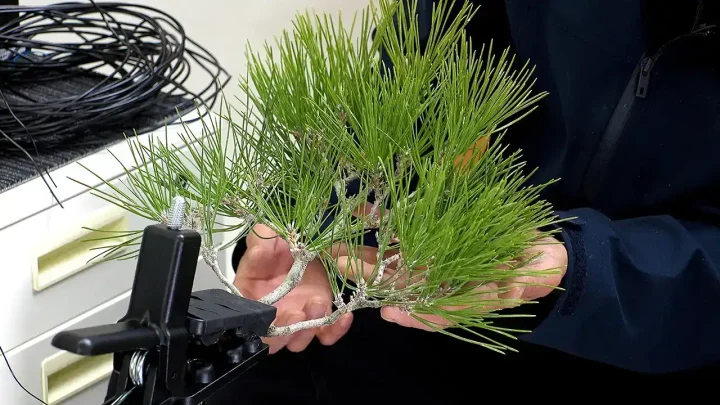
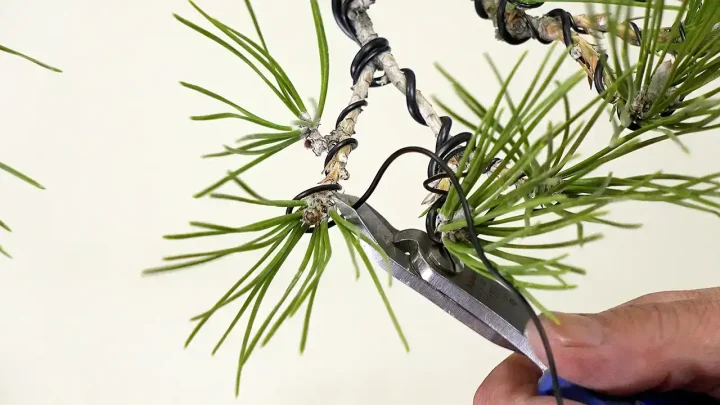
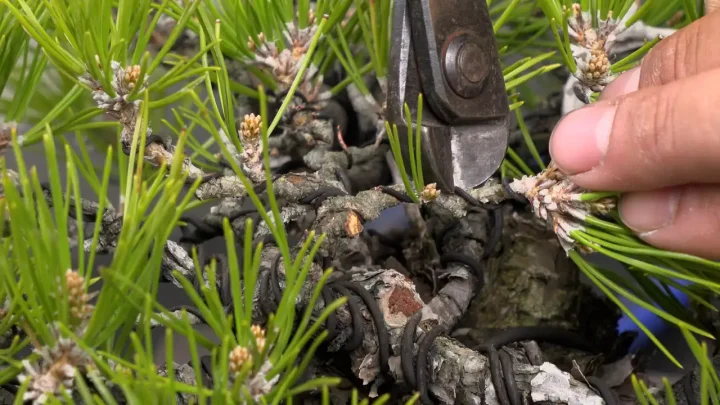
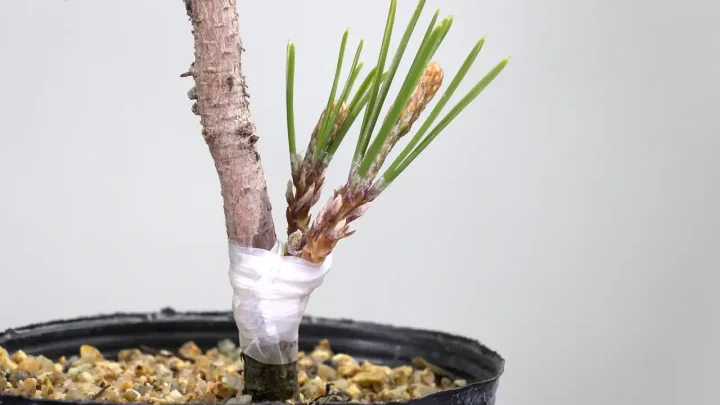
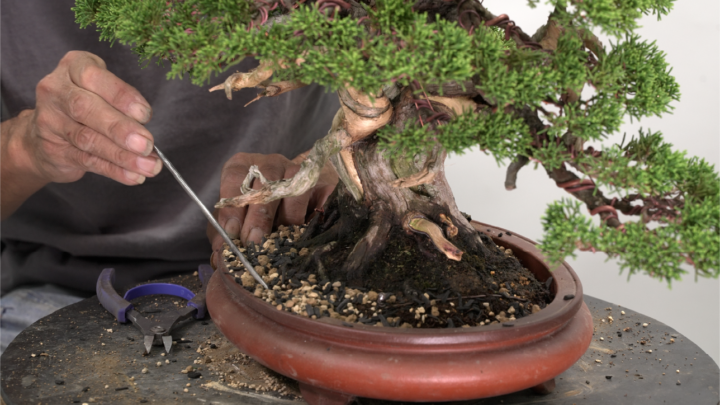
Where three buds emerge from one point, cut the strongest, central one. Reduce the remaining buds to five needles (five pairs). Remove old needles at the branch base to invite light and air into the Interior. Small, weak buds in the Interior — even fragile ones — are kept with care.
Followed step by step, it can seem straightforward. But behind each movement, judgements accumulate: how to balance the vigour across the whole tree. The upper branches grow considerably stronger than the lower ones, so needle count may be reduced further — to three, even two. There is the reference point of 'five as a baseline,' yet the tree itself will sometimes call for a departure from that. It is within that tension that the ability to observe grows, little by little.
What determines 'how far back you can cut' is the current state of the Interior. Never overlook a weak twig — keep tending to it with care. That accumulation of small decisions shapes whether, years from now, the silhouette can be kept compact.
When a faint bud in the Interior is quietly holding on, whether to preserve it or let it go is a choice made in this very moment. Bonsai care is always nurturing the future in the palm of your hand.
We say 'five as a baseline,' then follow it with 'adjust according to Tree Vigor.' The heart of this work lives in holding both at once.
In the end, there is nothing for it but to look carefully at the tree in front of you and decide for yourself. What is strong, what is weak. Where to reduce, where to protect.
To pass on a question rather than an answer — bonsai teaching always carries that kind of depth.
The journey of "Adept: “Uma”" begins with member registration.
Begin the Journey