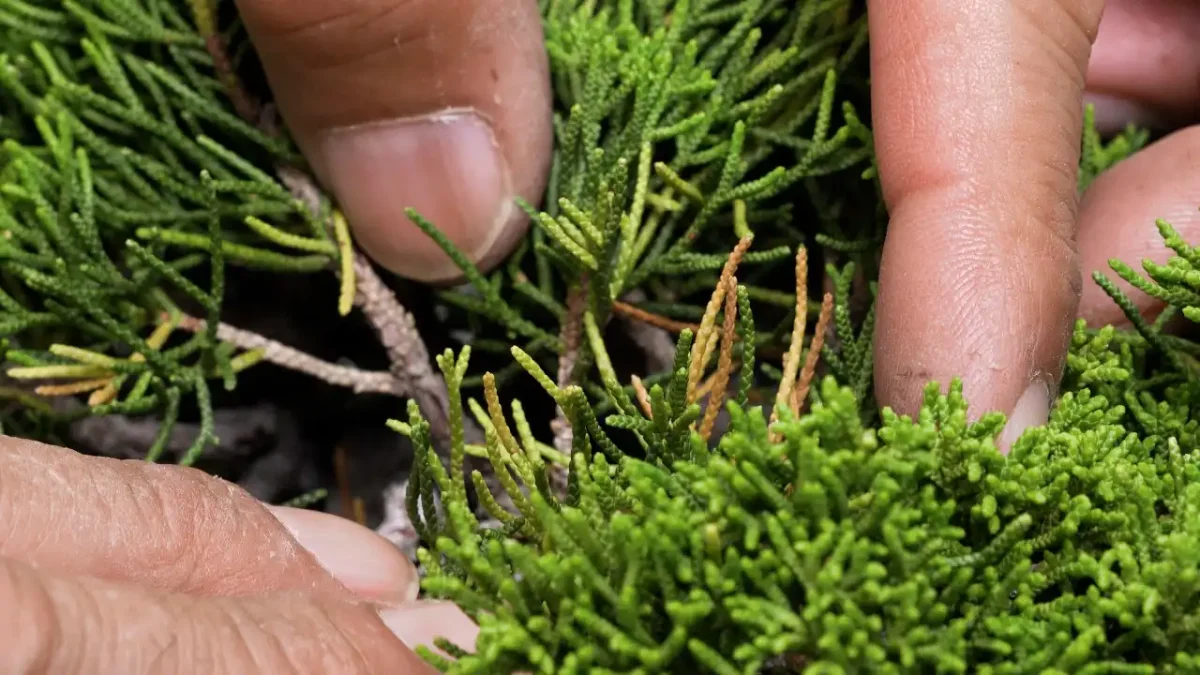
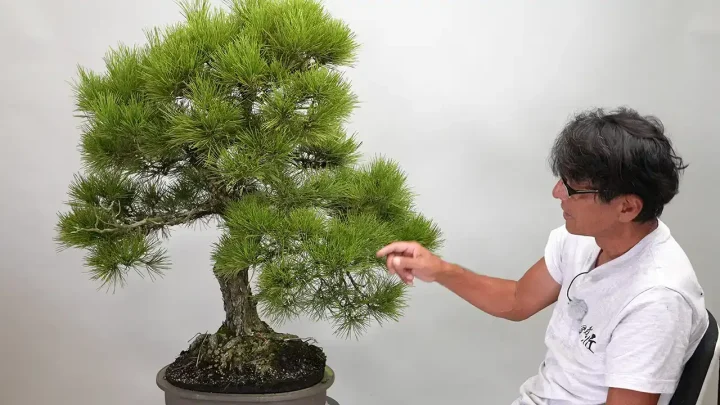
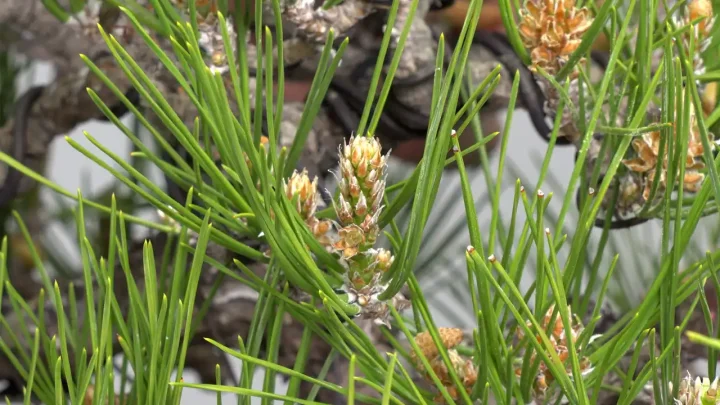
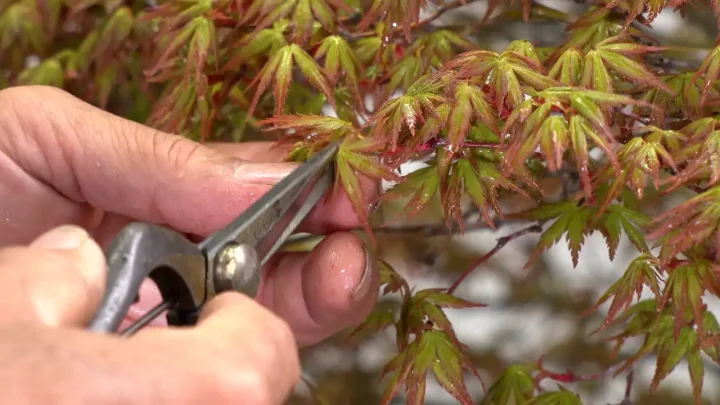
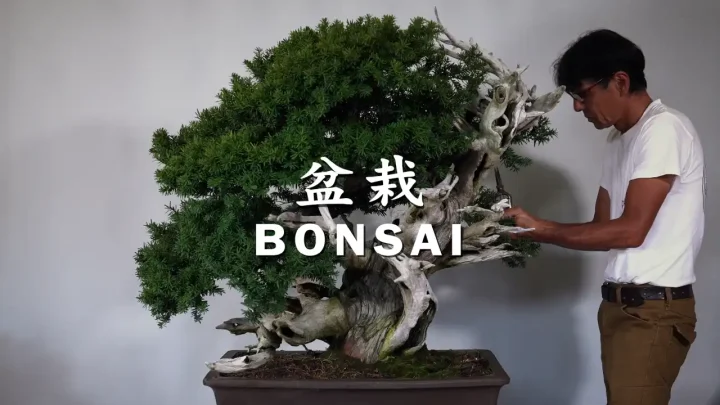
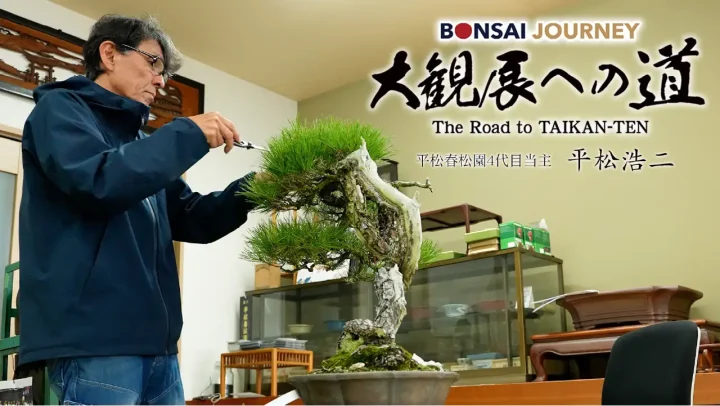
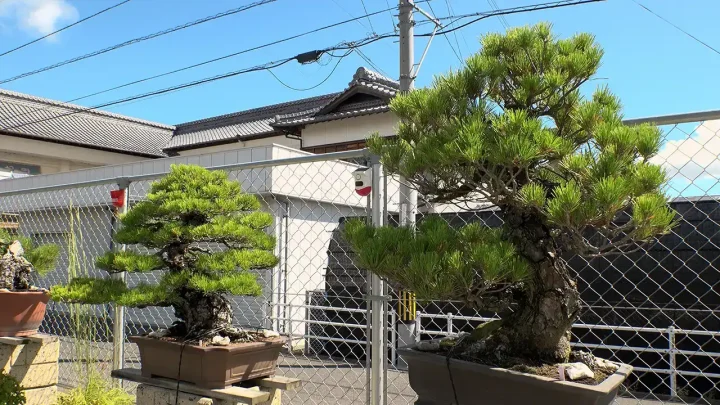
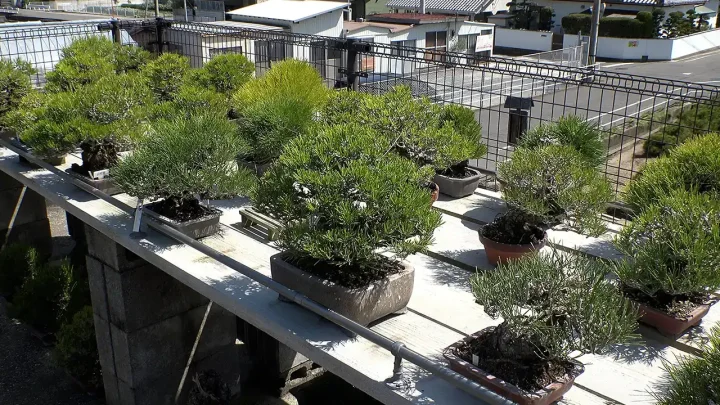
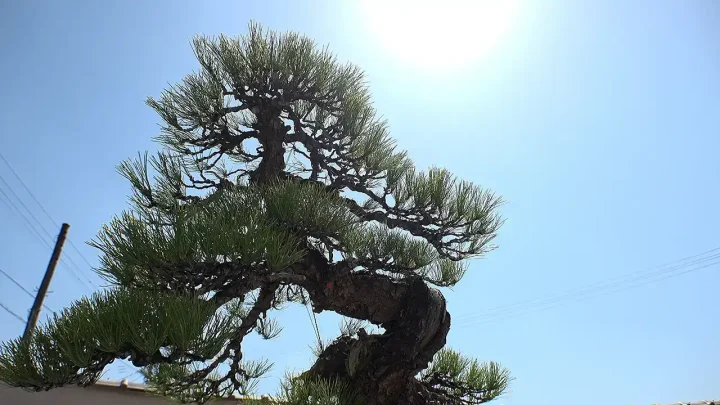
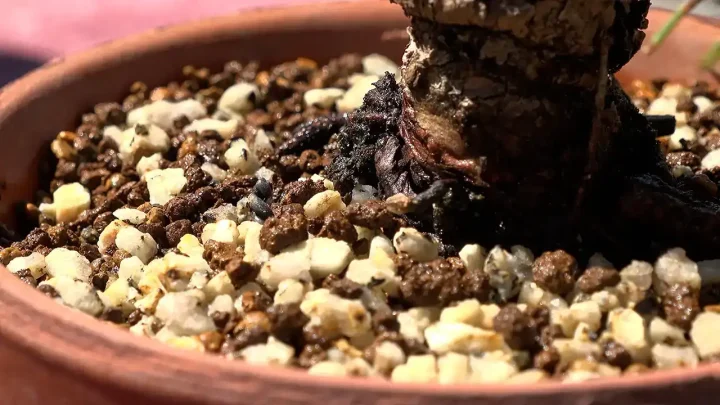
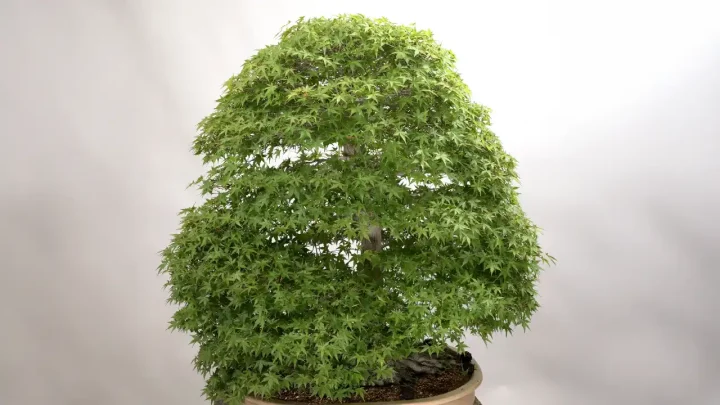
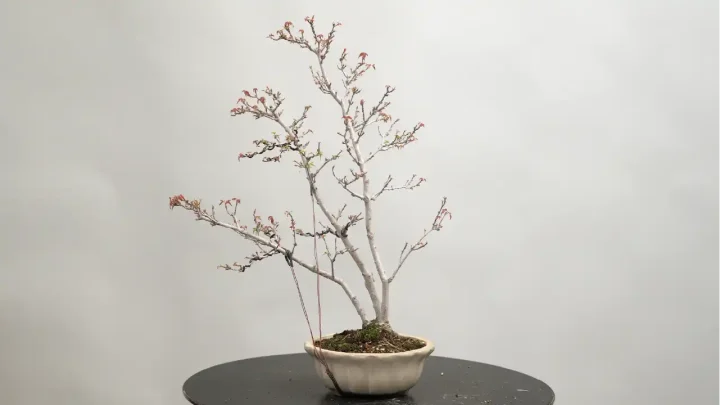
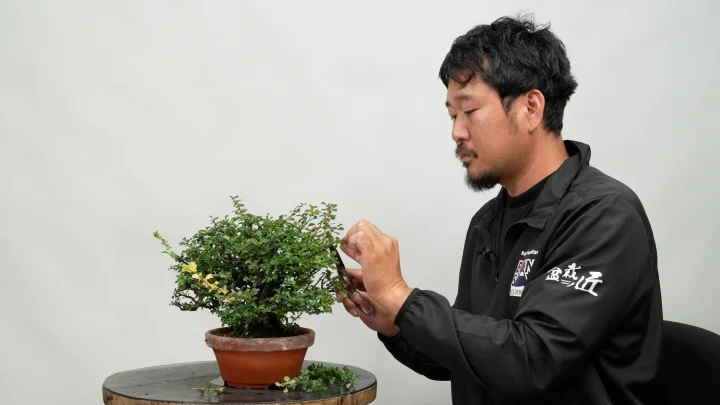
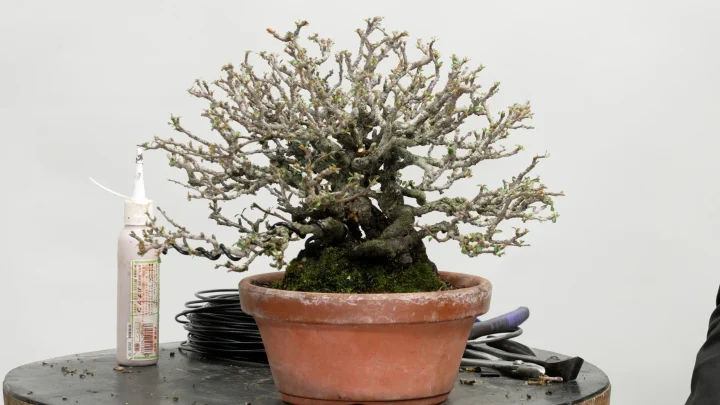
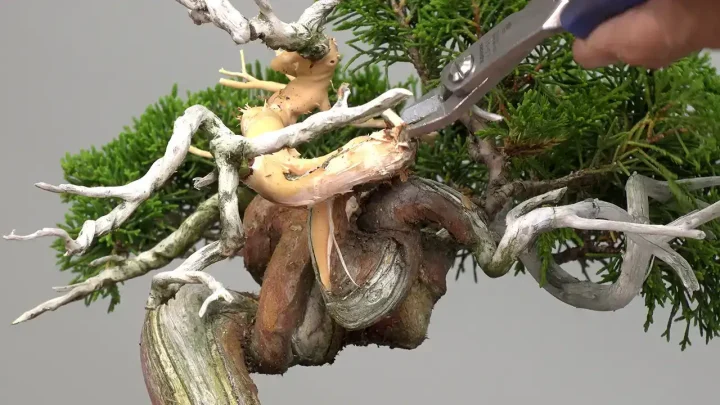
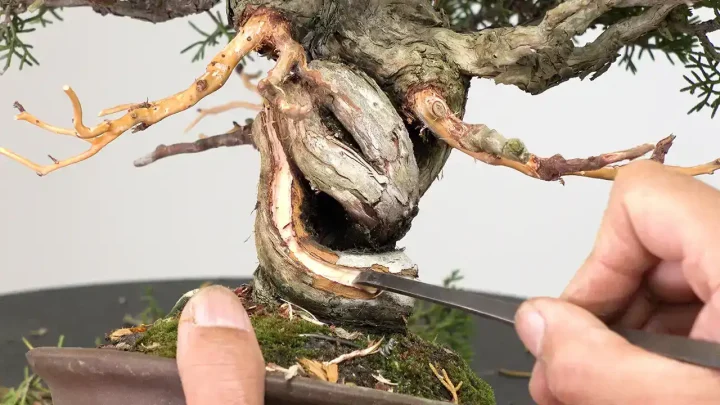
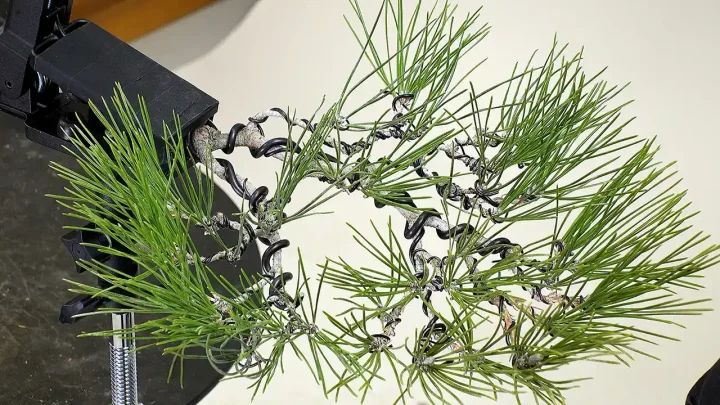
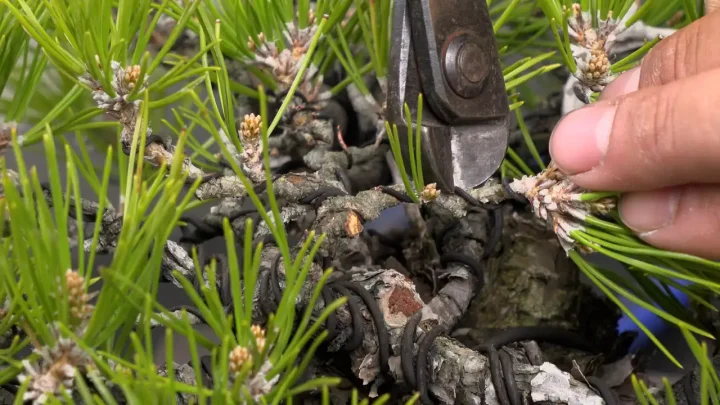
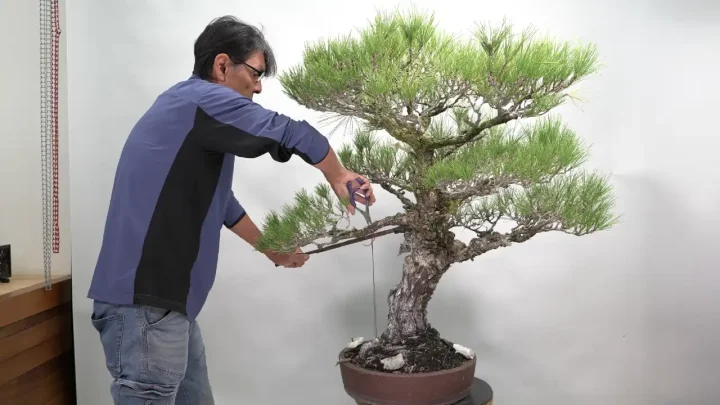
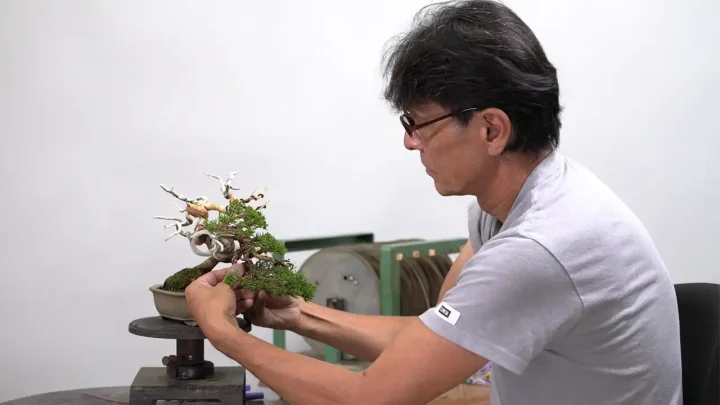
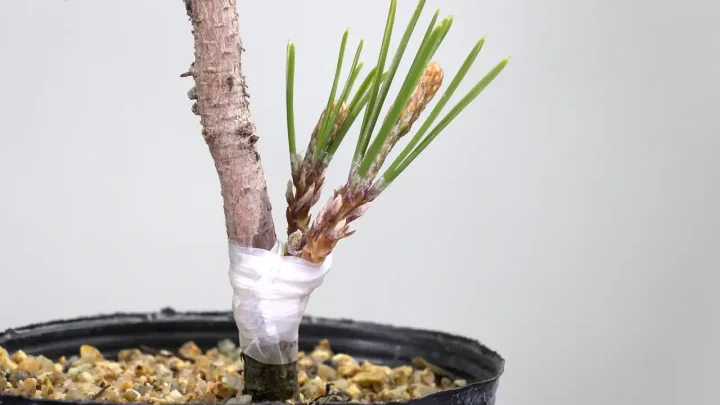
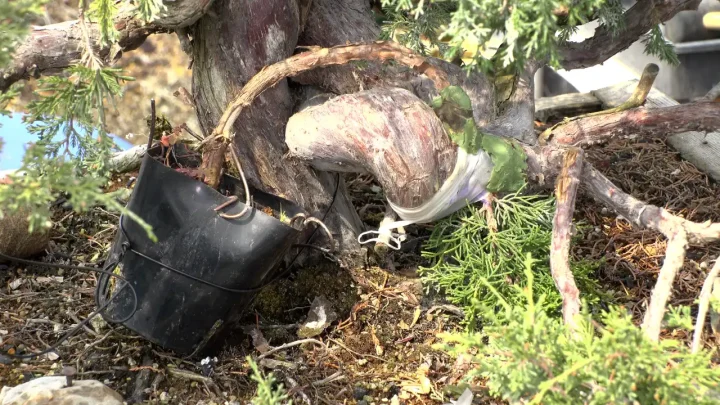
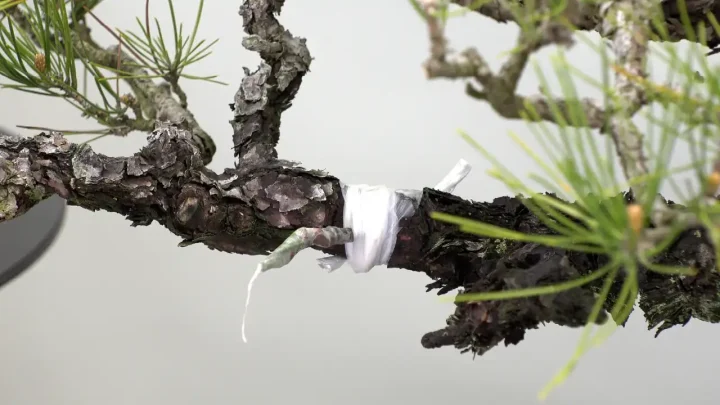
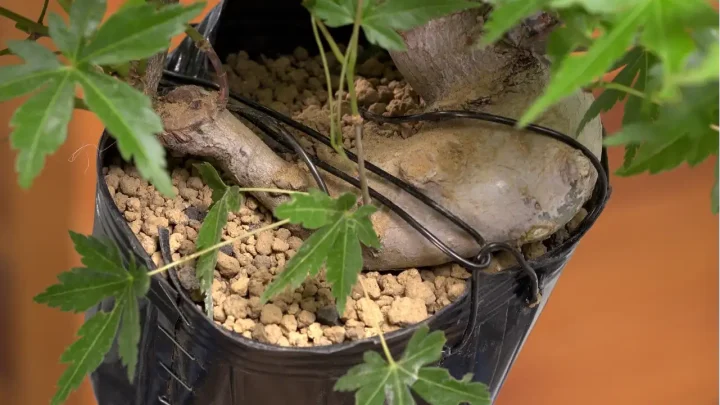
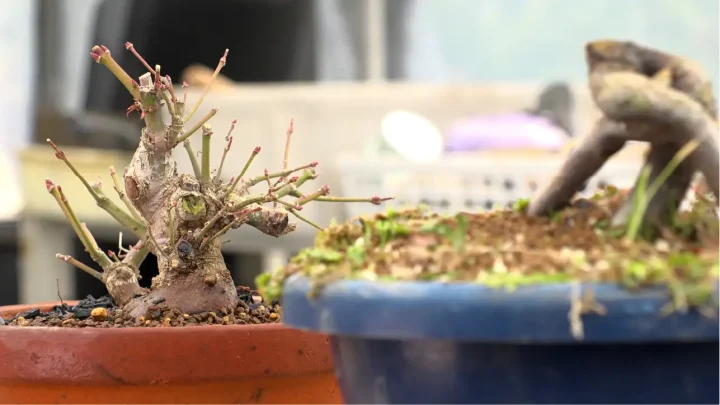
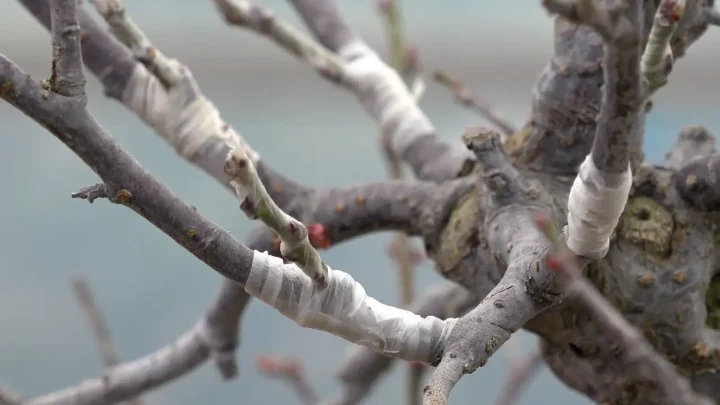
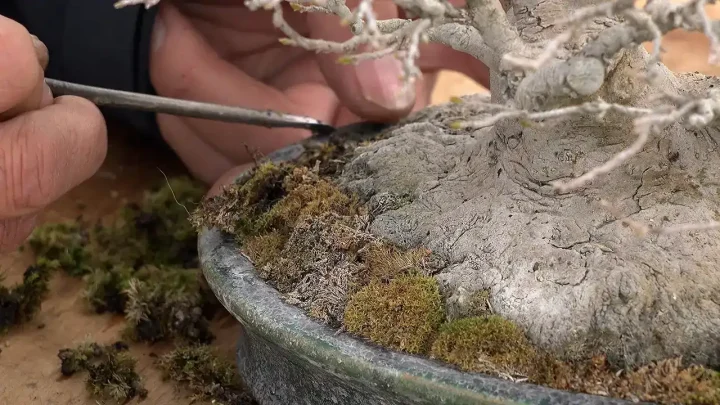
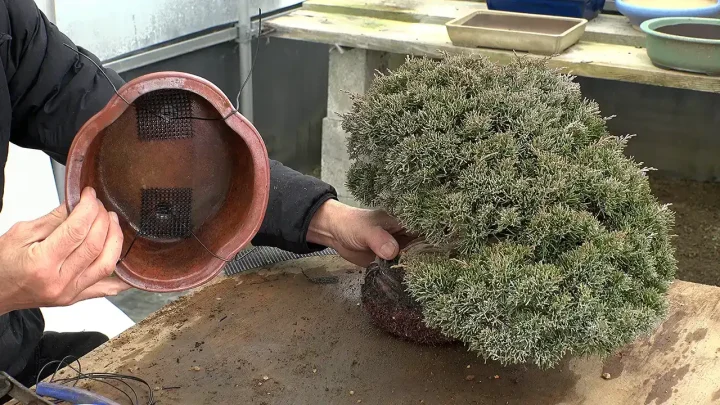
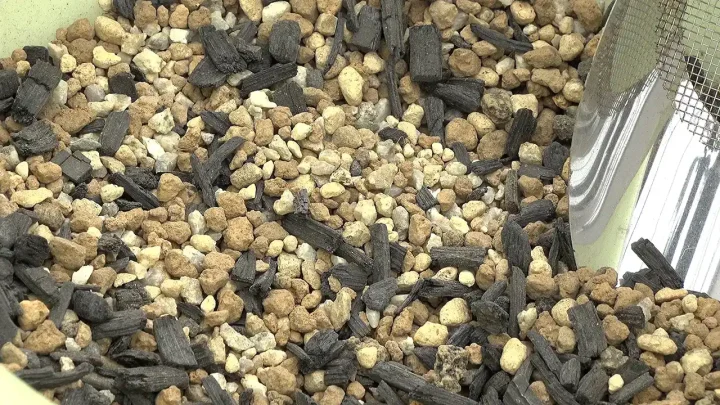
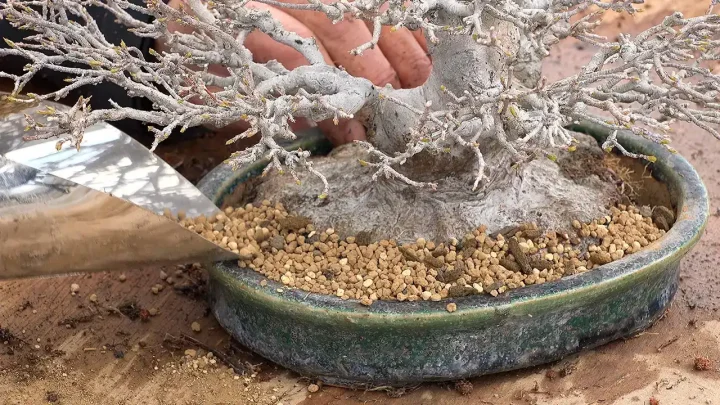
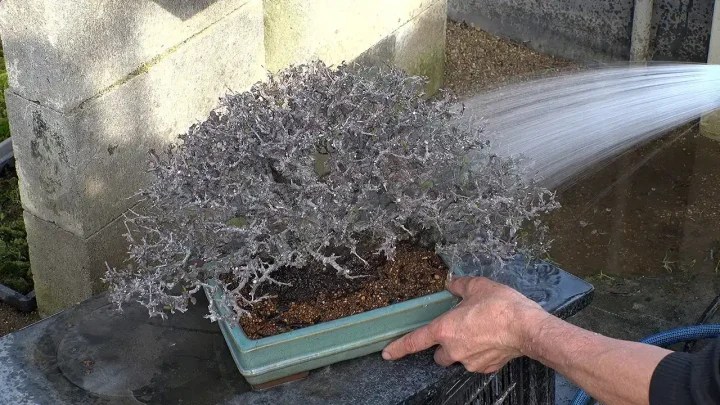
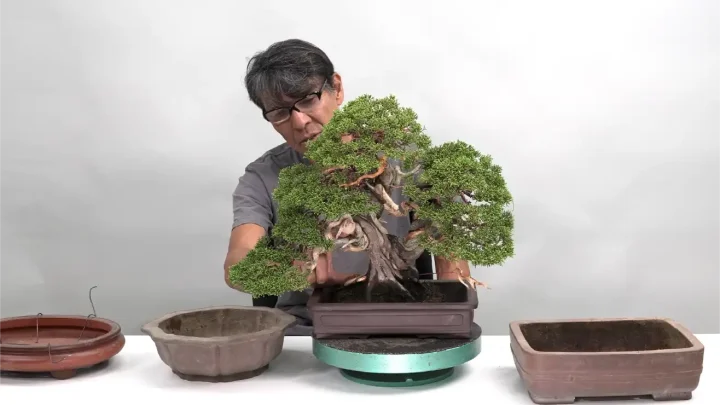
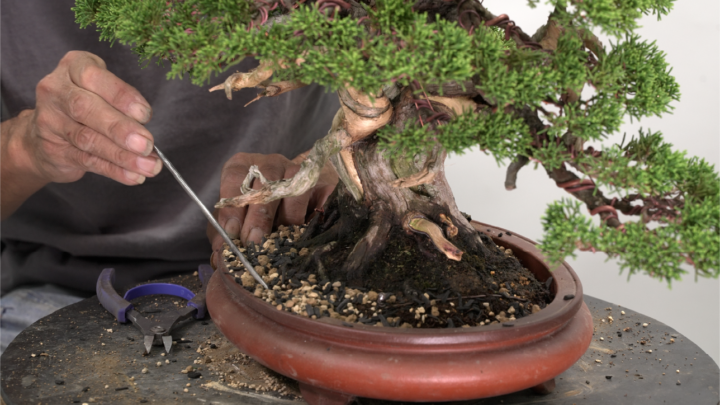
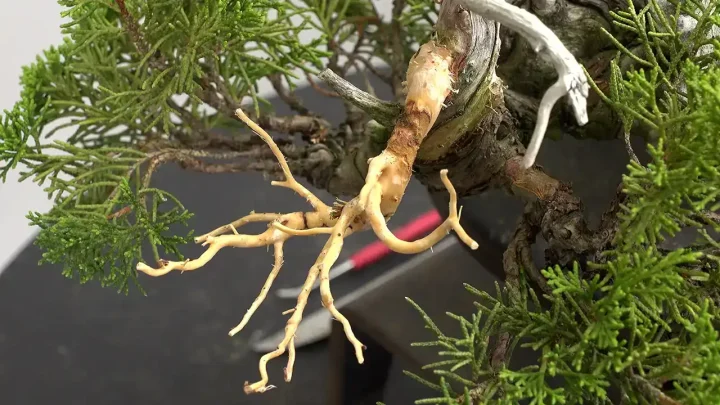
From May through June, Shimpaku Juniper is at its most active. Dead Foliage (Toya) is carefully removed, extended tips are Pinched, and energy is guided back toward the branch bases. The accumulated judgments of what to keep and what to stop — made right now — are what lead to a full, well-formed tree come autumn.
When Shimpaku Juniper enters its growing season, the tips all begin moving at once. Watching that surge of activity, it is easy to feel reassured — 'the tree is doing well.' And yet, the first place to put your hands is precisely those vigorous tips.
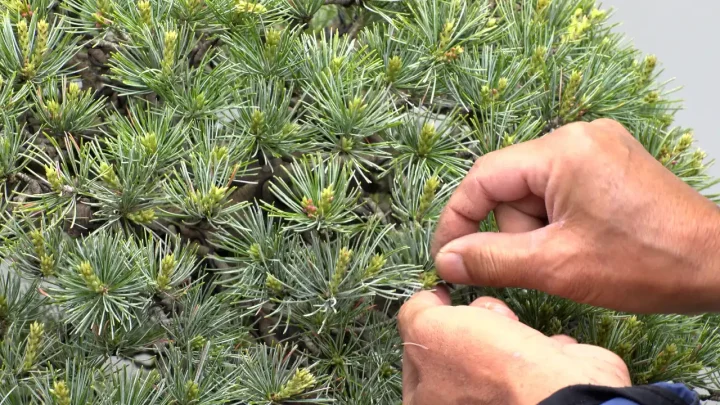
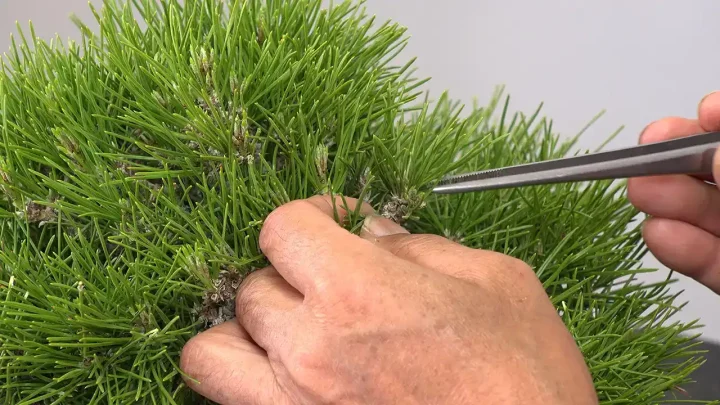
Pinching the buds is not about weakening the tree. It is an act of deliberately redirecting the energy that wants to concentrate at the tips — back toward the base of the branches, inward, toward the weaker parts. Left alone, the outer growth becomes dense while the interior quietly declines. The meaning of the grower's intervention lies in correcting that imbalance.
'Imagining where this one will extend — I'll keep this one.'
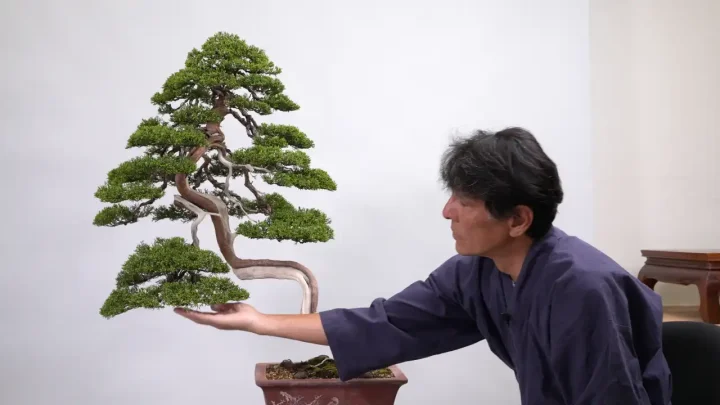
When tidying the lower foliage, there is no single criterion for what stays and what goes. Six months from now, a year from now — where will the Branch Pad be formed? — it is within that imagining that the decision takes shape. The value of the buds visible today cannot be measured without picturing the future form in your mind.
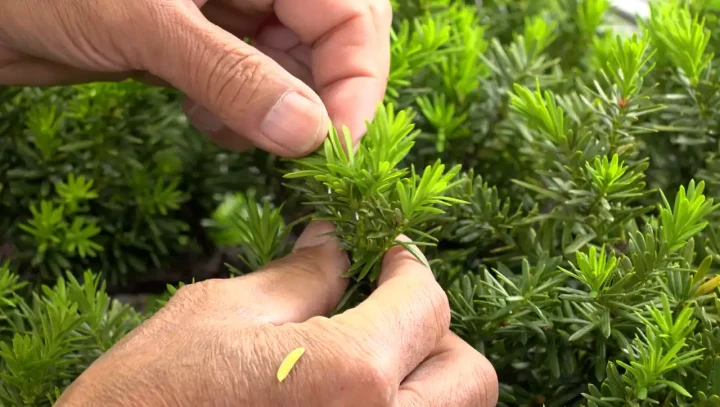
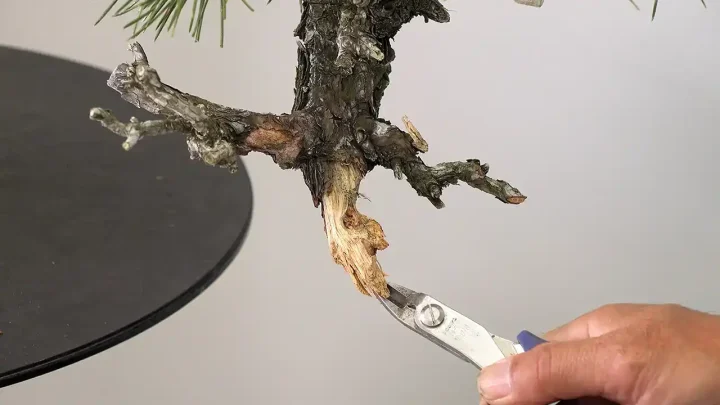
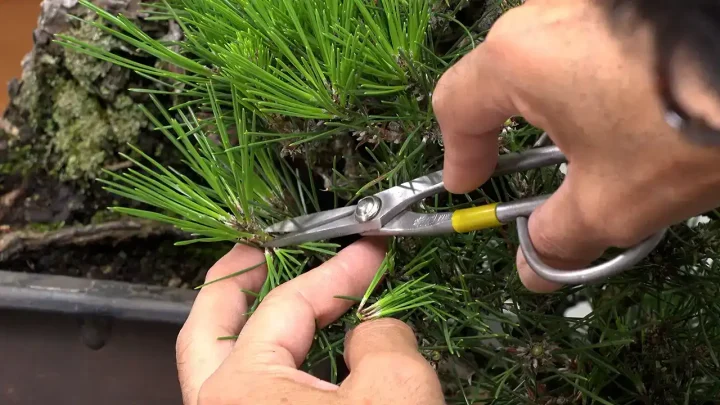
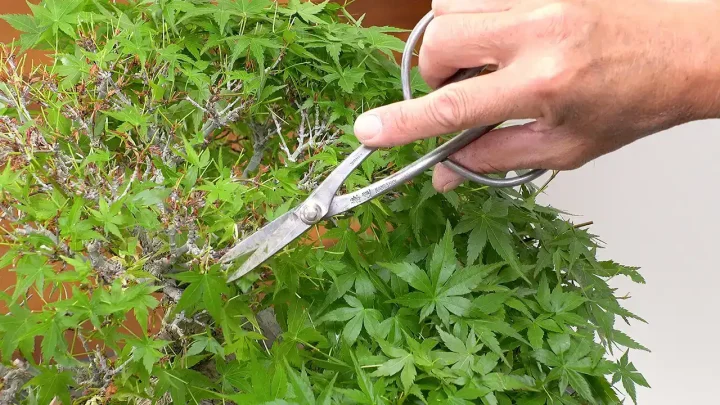
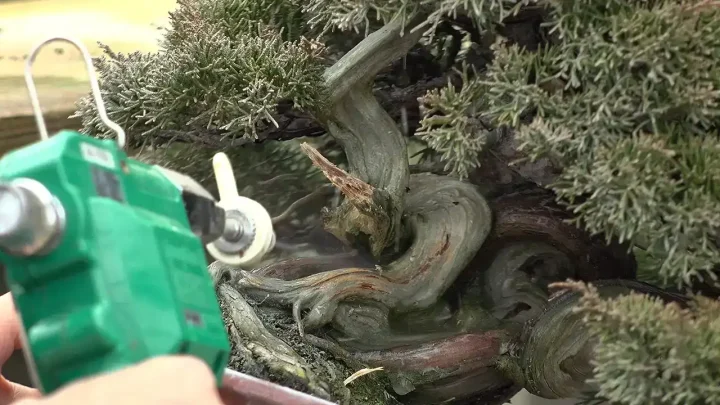
When tidying the foliage, cutting away the whole leaf can cause the tips to brown, and may even result in needle-like growth resembling Japanese Cedar. What you cut is not the leaf itself but the inner shoot — that distinction is what preserves the tree's health. How much to remove, and what to leave. There is no fixed procedure for that judgment.
You can only read this tree, in this season, in this condition, and decide from there. I believe that the ability to read a tree grows gradually, year by year, through the repeated practice of this work.
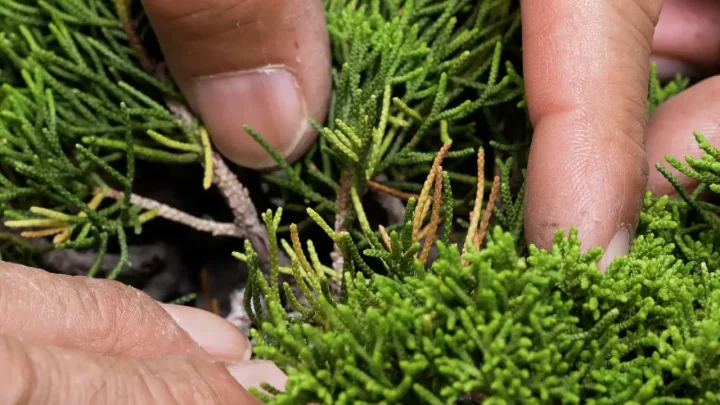
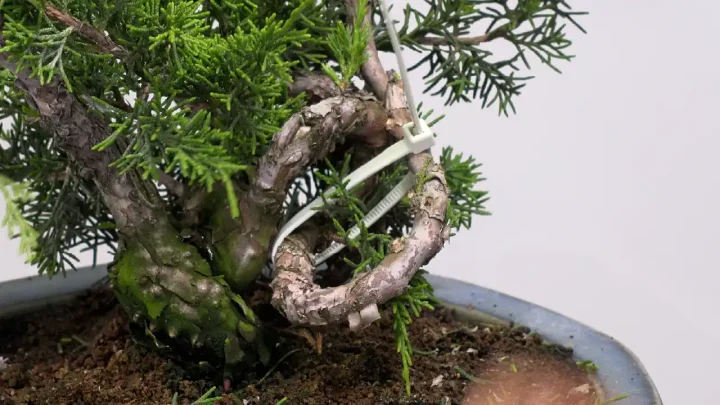
Removing Dead Foliage (Toya) improves airflow and light penetration, and also helps prevent disease. For the Lower Branches that tend to fall in the shadow of upper growth, it matters to arrange things so that light reaches them intentionally.
There is no need to rush. But this is not a time to put things off either. Each tree has its own timing. I think of this season, every year, as another round of practice in learning to hear what the tree is saying.
The journey of "Adept: “Uma”" begins with member registration.
Begin the Journey