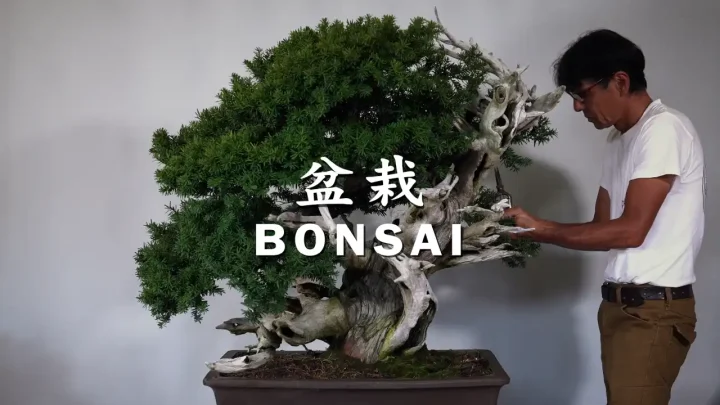
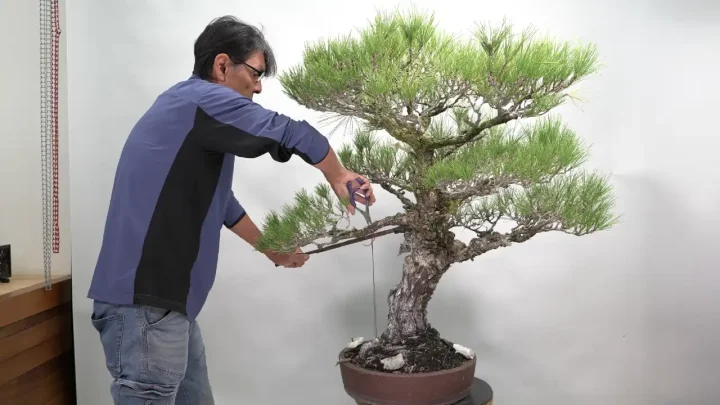
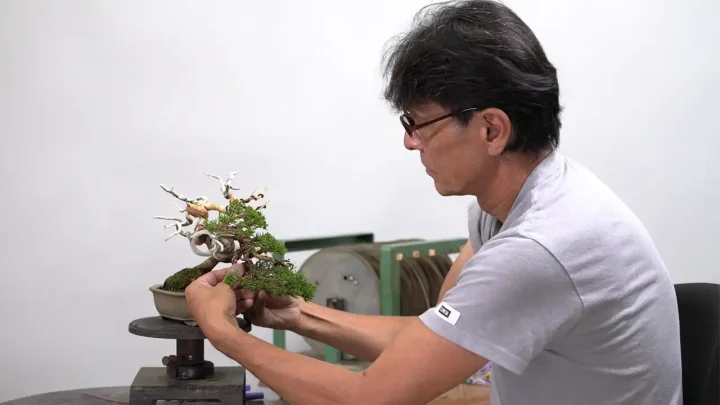
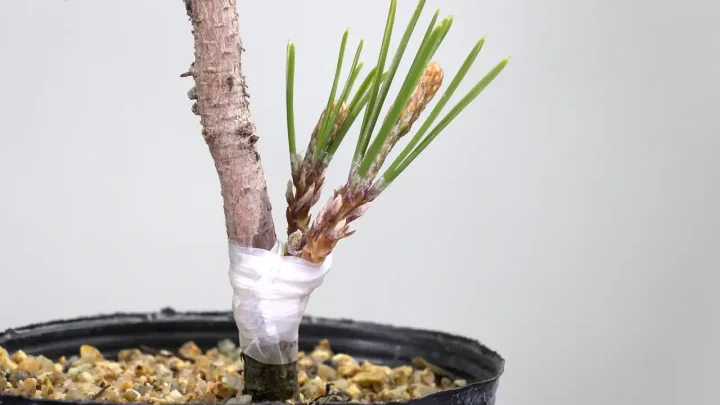
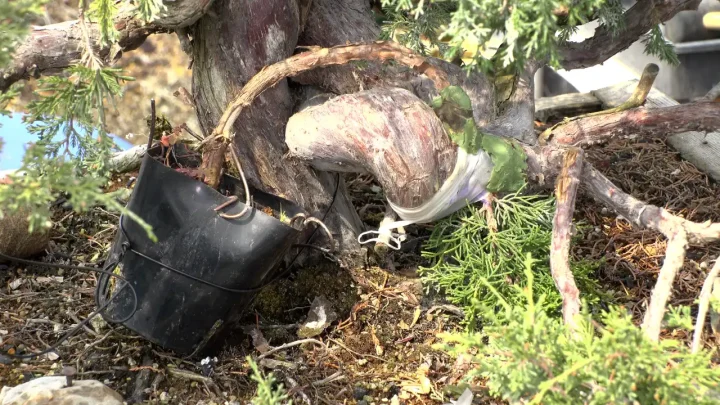
We work through Pruning and Wiring on a triple-trunk Naruto Maple following Defoliation. How long to keep a thick branch, how to pull wire on deciduous material, the quiet practice of confirming a reason before each cut — the particular sense of time that belongs to deciduous Bonsai, traced through a single Maple.
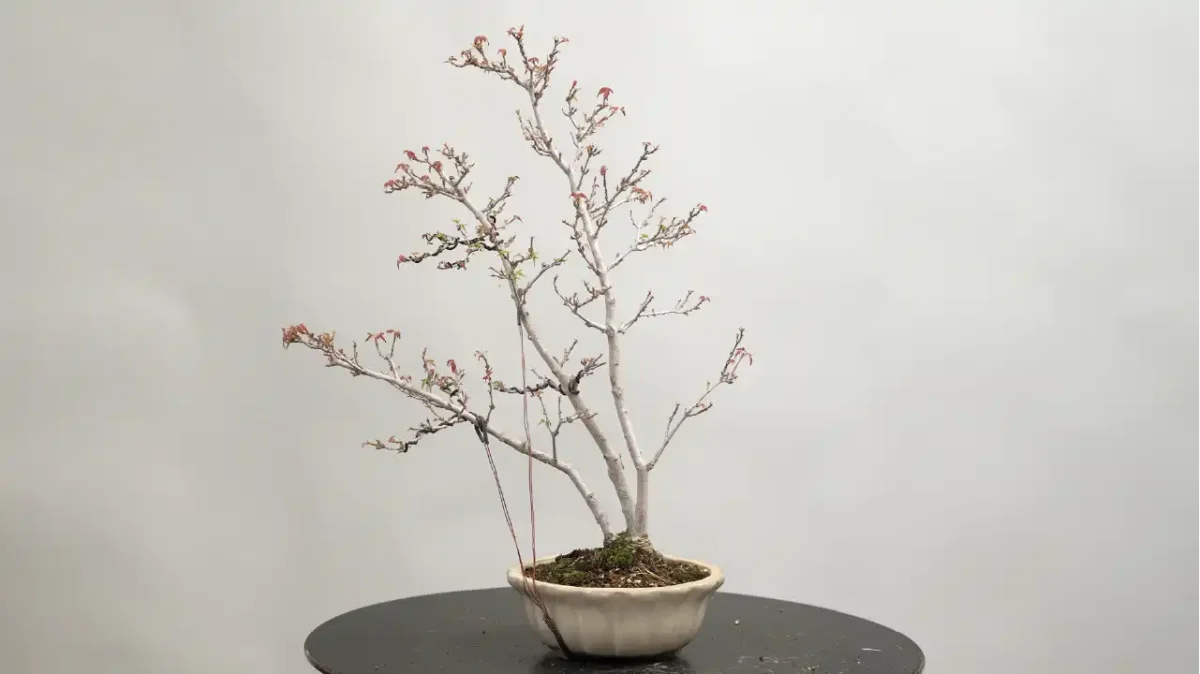
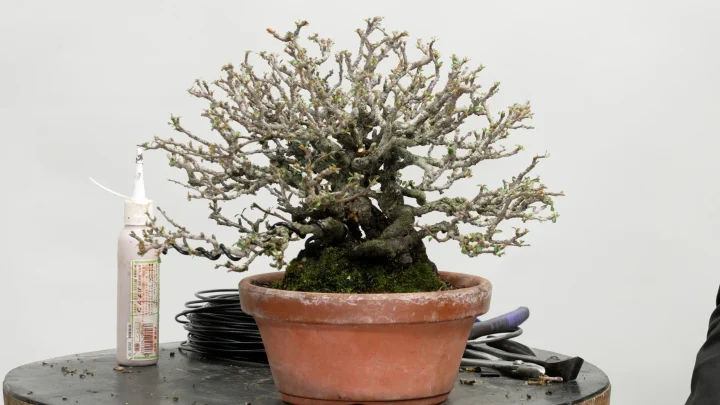
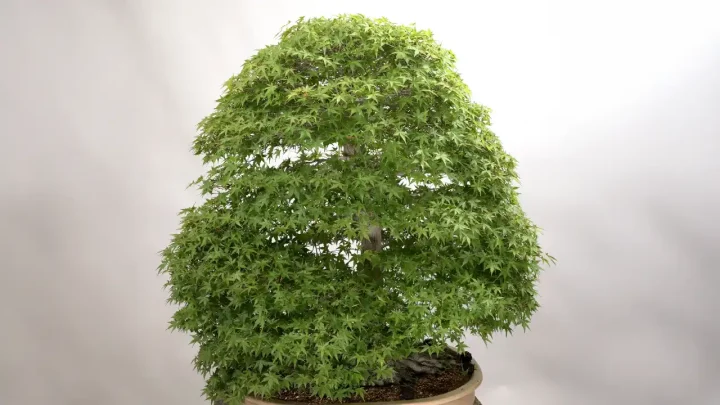
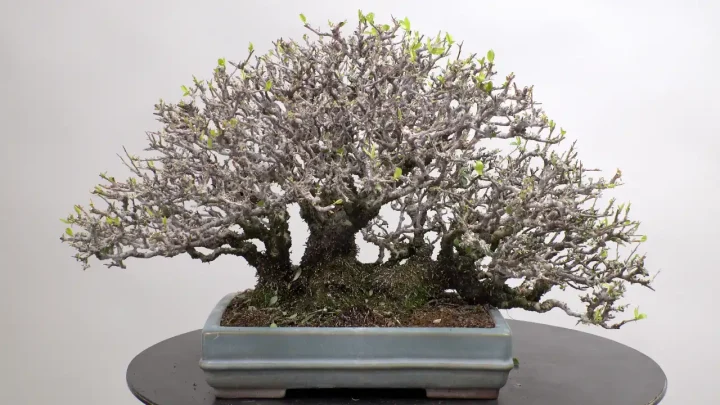
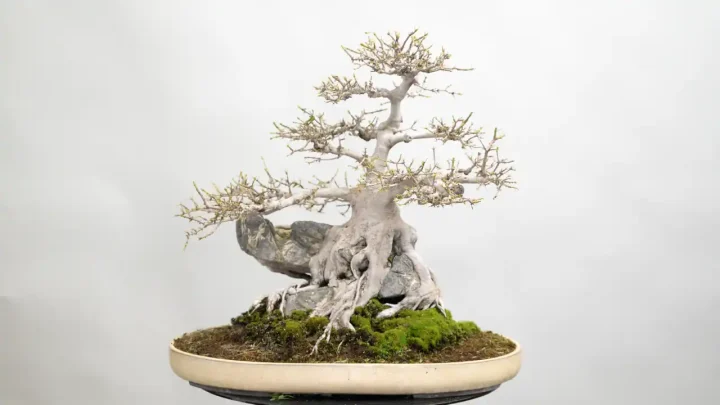
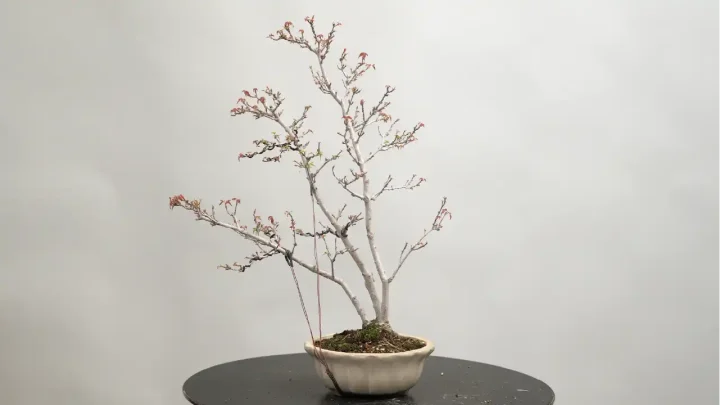
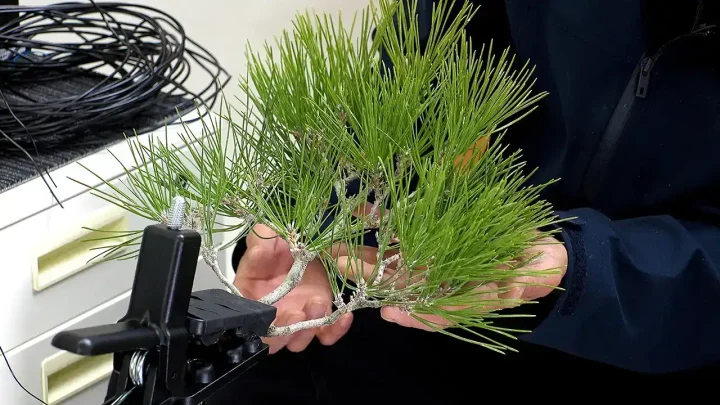
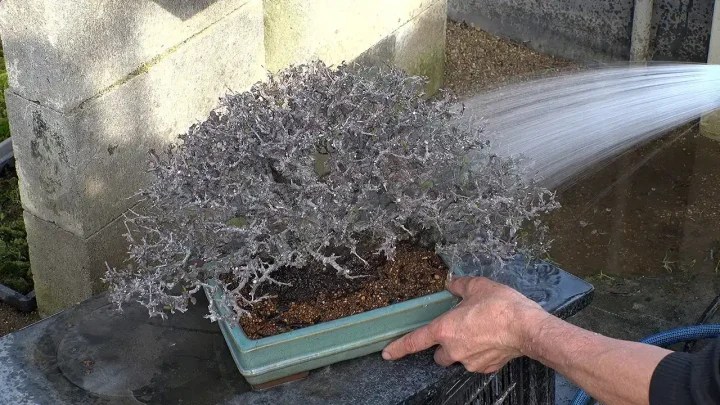
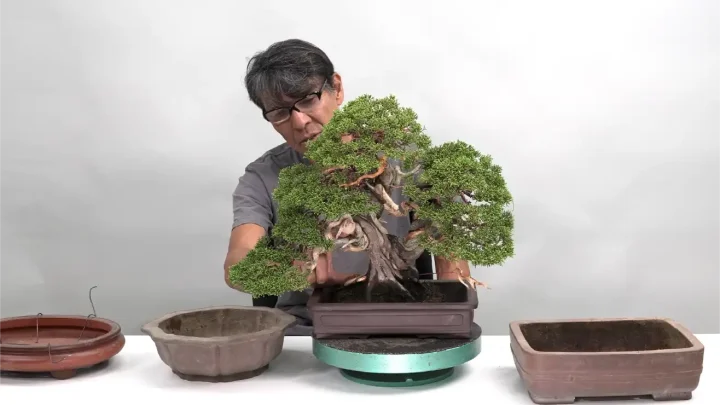
A Maple after defoliation is honest. The way branches interweave, the density of space, the flow of the trunk — everything normally hidden beneath leaves becomes visible. Standing before a Naruto Maple after Defoliation, we begin by choosing the front. A face different from the one the original maker intended — offered with a simple: 'I prefer this side.'
That is not merely personal taste. It is a choice that brings out the space and flow of the triple trunk more clearly — not a reading of what is visible, but a reading of the space that is not.
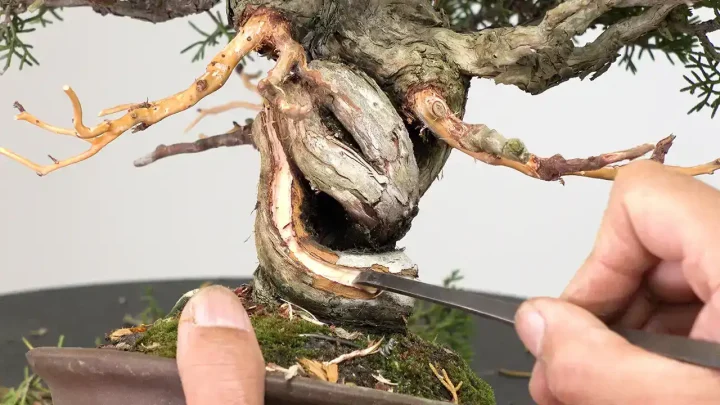
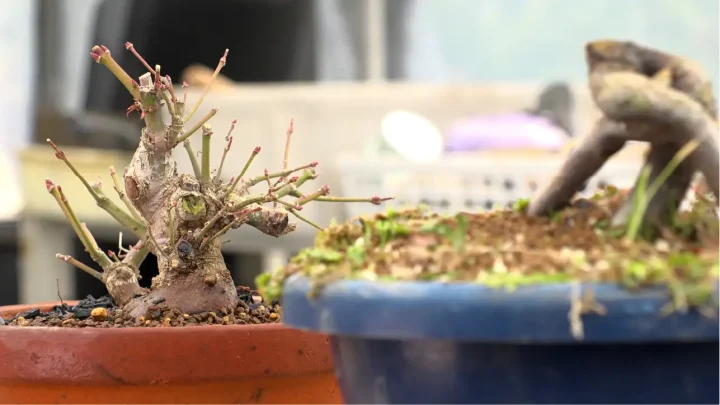
There is a branch worth removing. But not yet. Thick branches are pathways for nutrients, and leaving them keeps energy flowing toward the finer branches we intend to use later. This is not about avoiding damage to the tree — it is about understanding how the tree works, and drawing a line: 'this far, for now'.
The handling of bar branches is also left undecided until winter. There is no forcing a conclusion in the current season. Weighing the tree's present condition against the season ahead, we do 'what can be done now' — not rushing simply means keeping pace with the tree's own time.
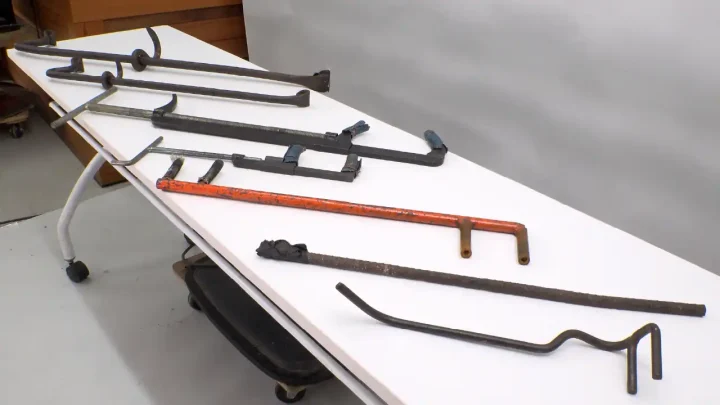
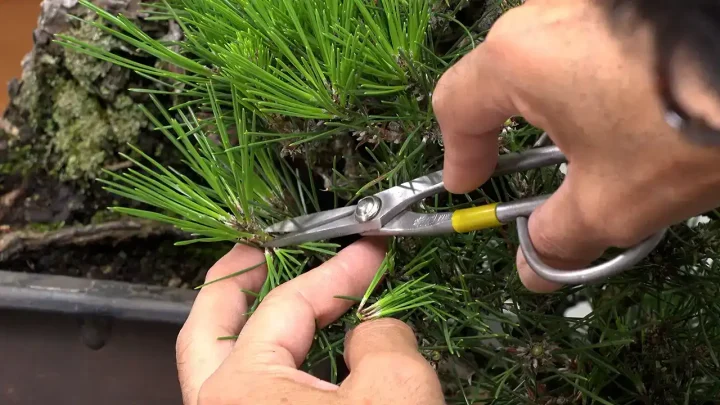
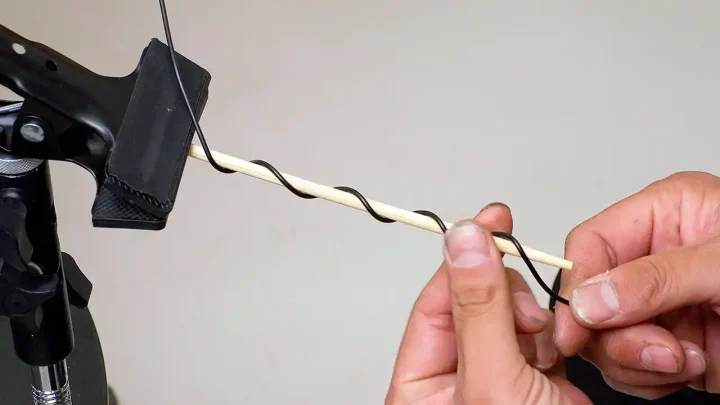
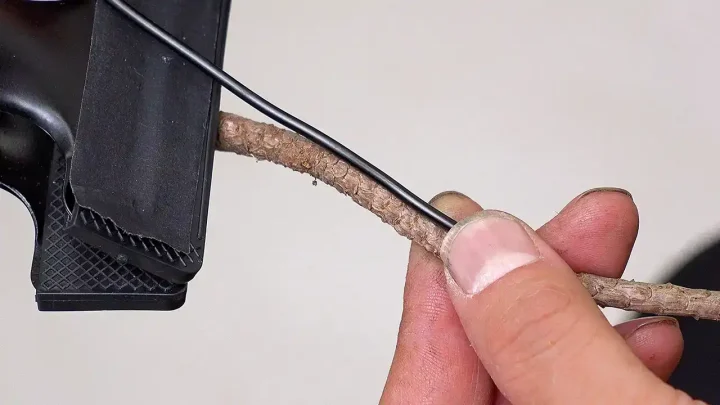
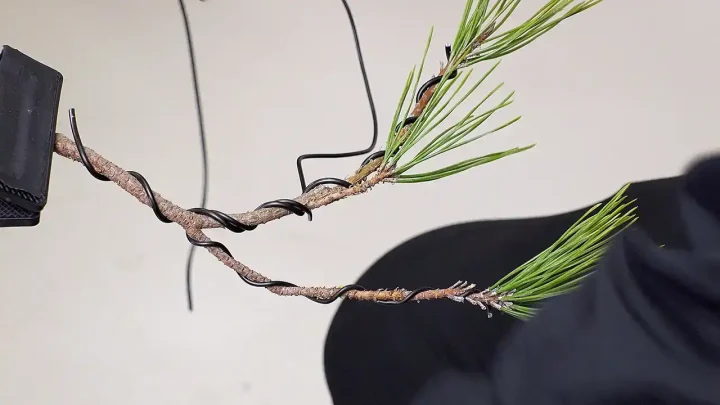
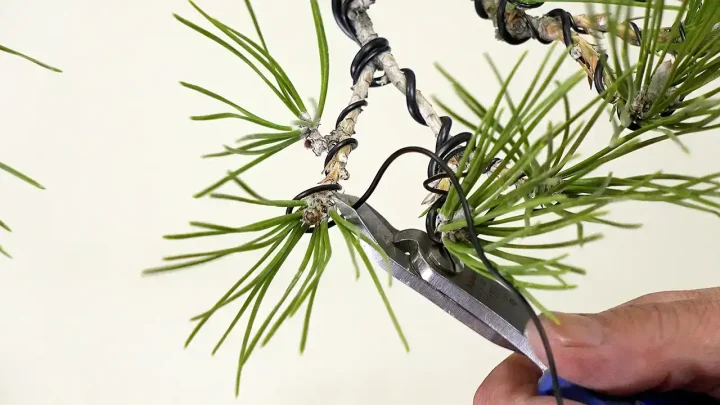
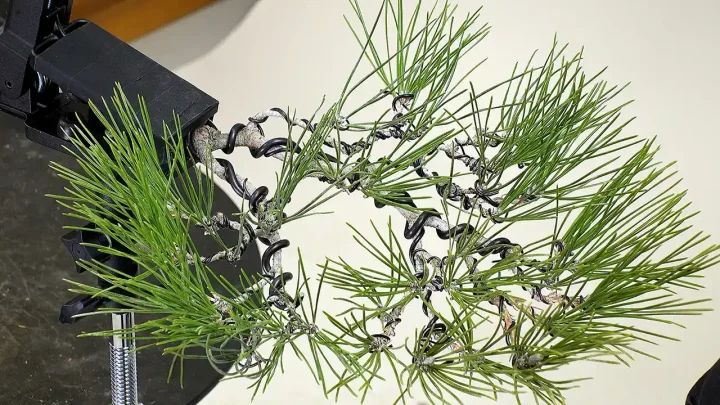
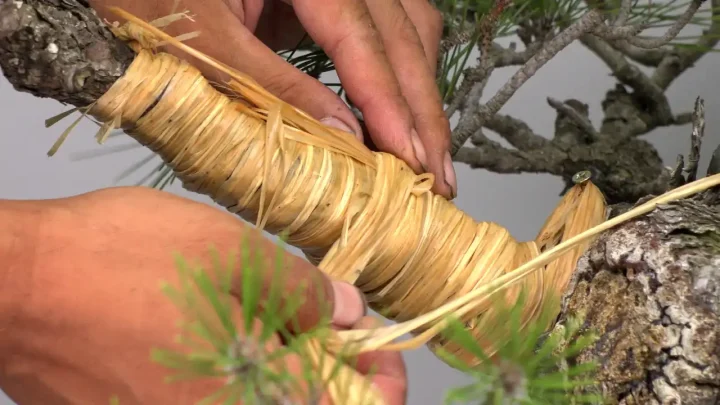
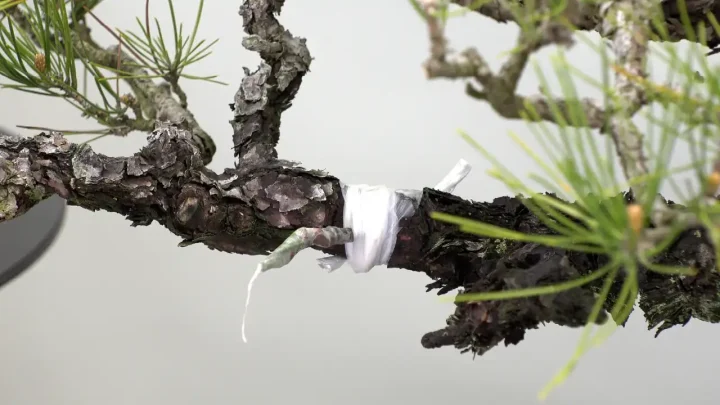
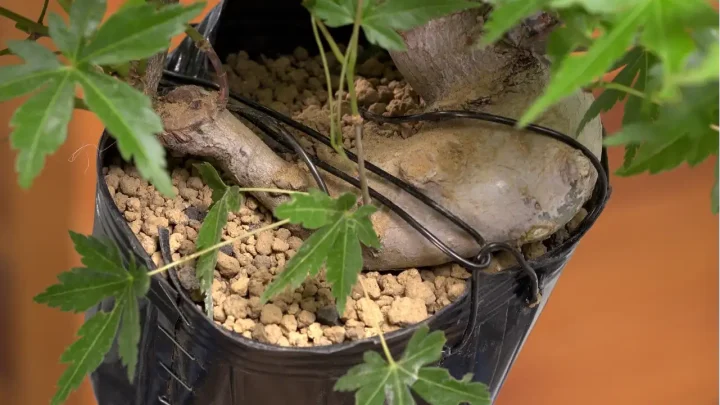
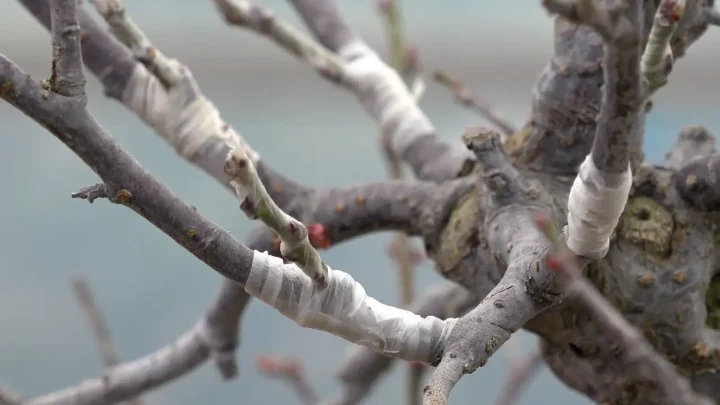
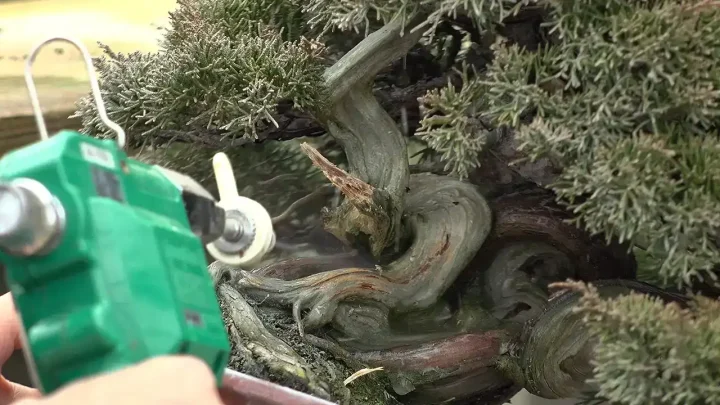
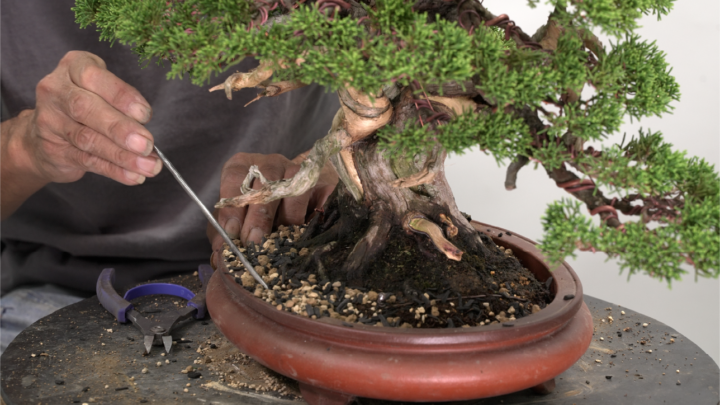
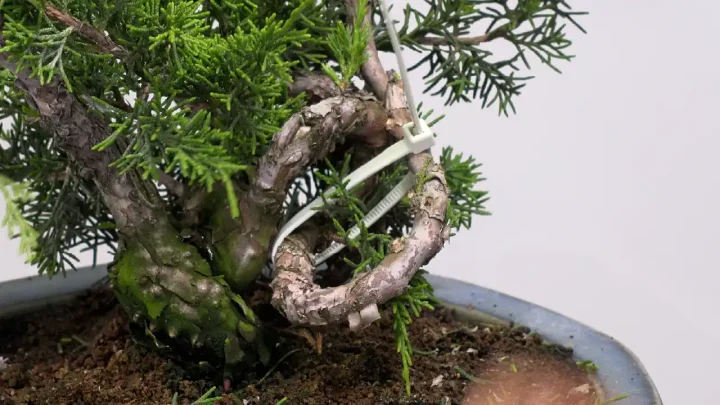
Unlike pine, Deciduous Trees (Zoki-rui) such as Maple have little oil content and break easily. So rather than 'bending' with wire, we limit ourselves to pulling and guiding. When lowering the trunk, a rubber tube is used for protection — and because growth is rapid, we need to notice wire bite early.
Knowing the nature of the material changes how you use your tools — deciduous trees are a material that asks exactly that of you.
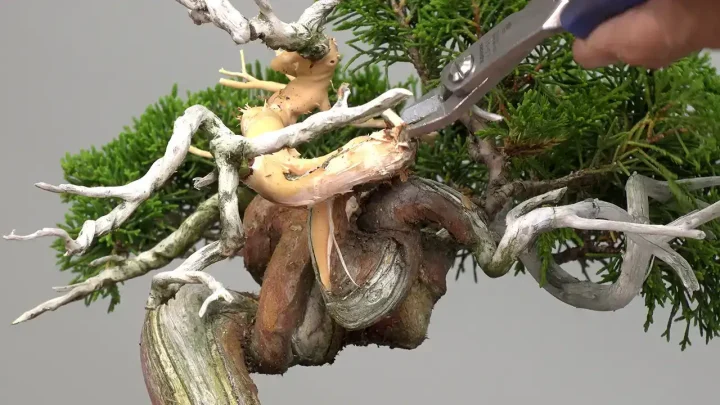
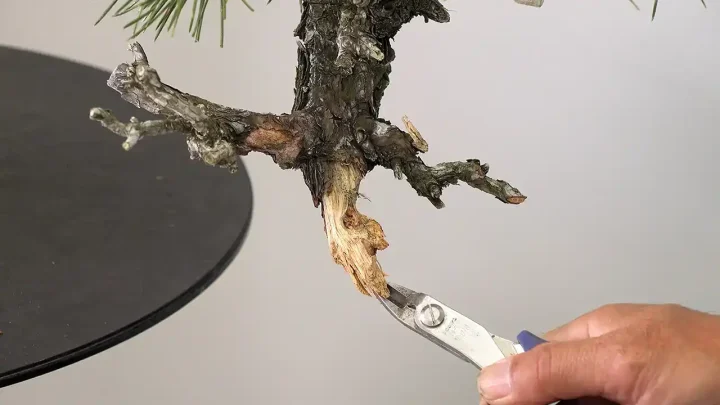
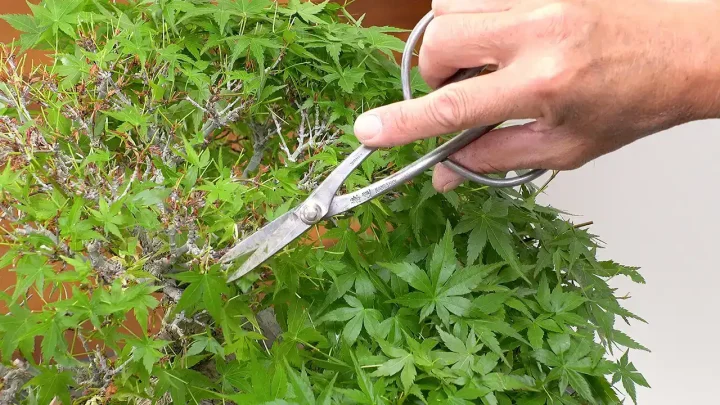
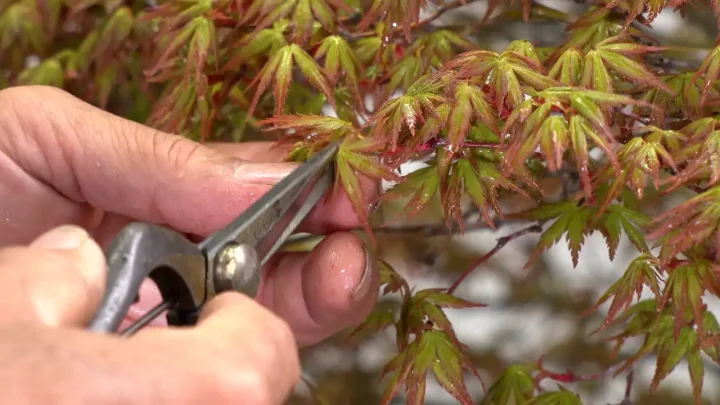
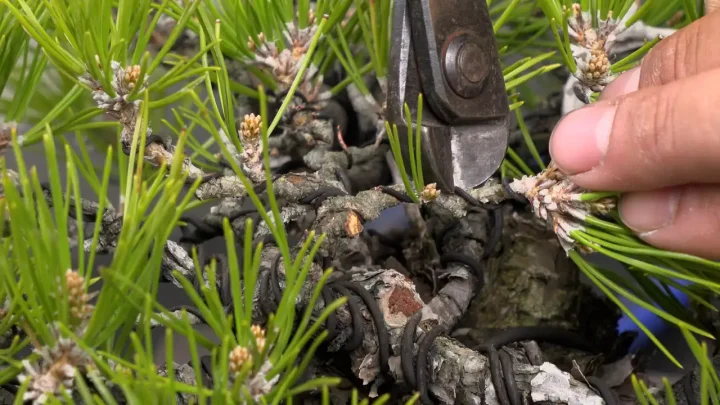
Because it overlaps the trunk. Because it crosses another branch. The reason comes first; the scissors follow. Confirming why before moving the hand — that order of things quietly permeates how one relates to this tree.
Once cut, it cannot be undone. How deeply that premise is absorbed into the body shows in the weight of the scissors. Unhurried, checking each step, and yet deciding in the end — within that tension lies the essence of Pruning as a practice.
The journey of "Adept: “Uma”" begins with member registration.
Begin the Journey