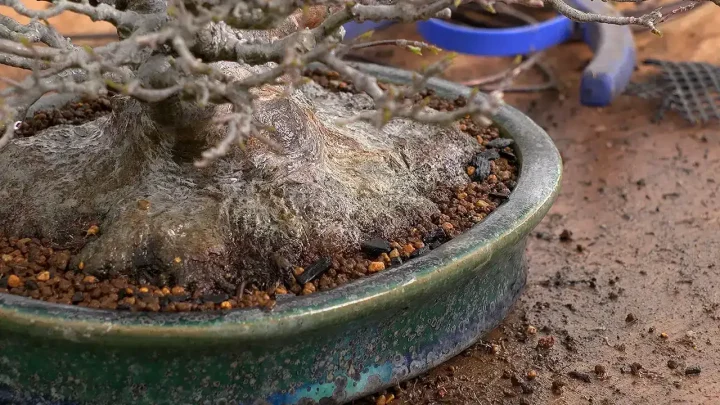
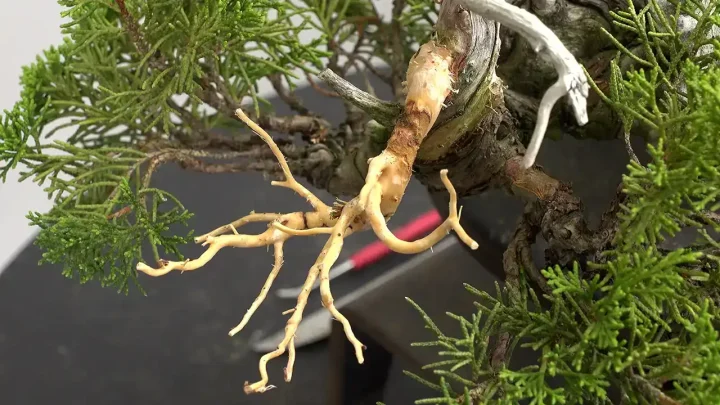
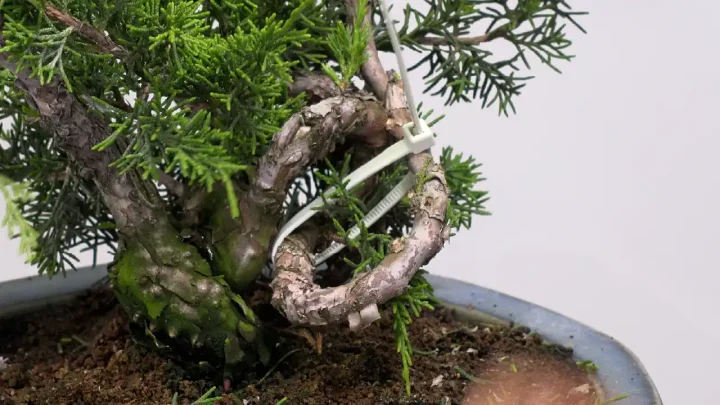
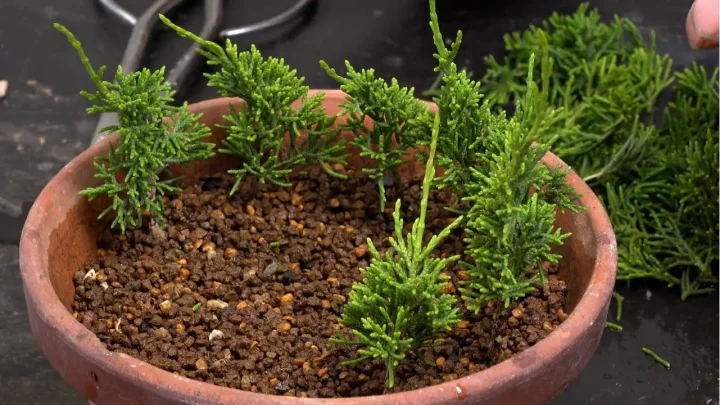
A tree after repotting remains in a delicate state for some time. Better drainage also means it is more prone to Drying Out, and on cold nights the soil can freeze and damage the roots. How do you stay present with a tree once the work is done — making the most of a greenhouse when you have one?
When repotting is done and the final watering is finished, there is a sense that something has come to a close. But what has ended is only the sequence of tasks.
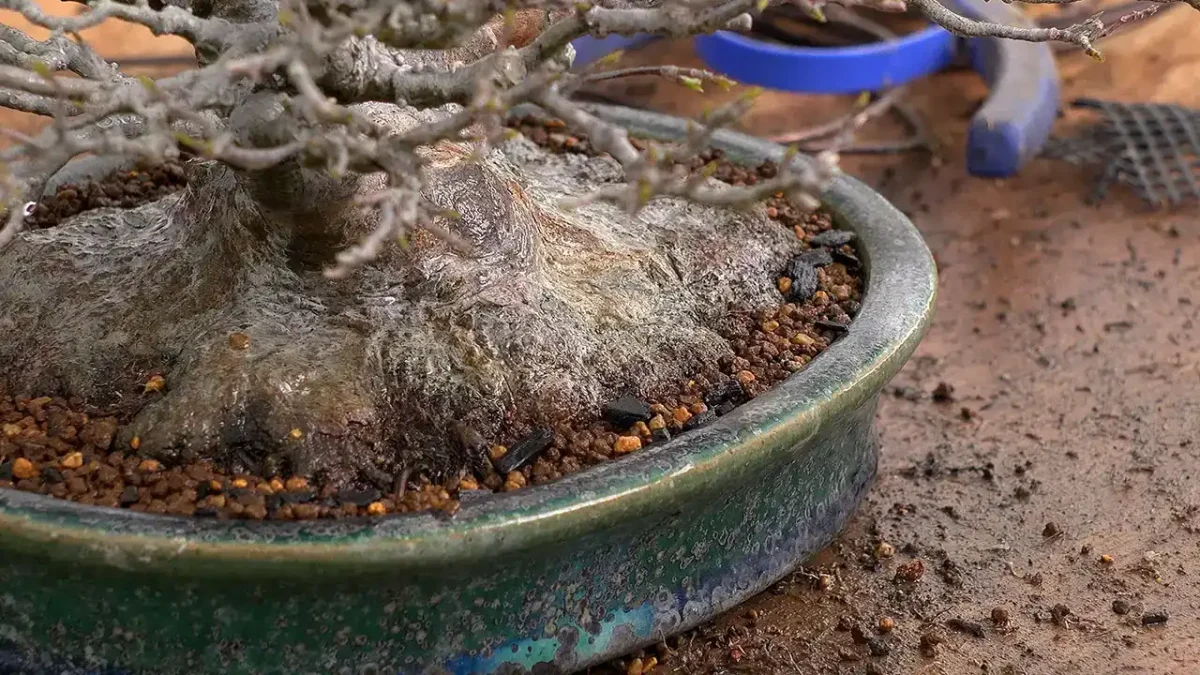
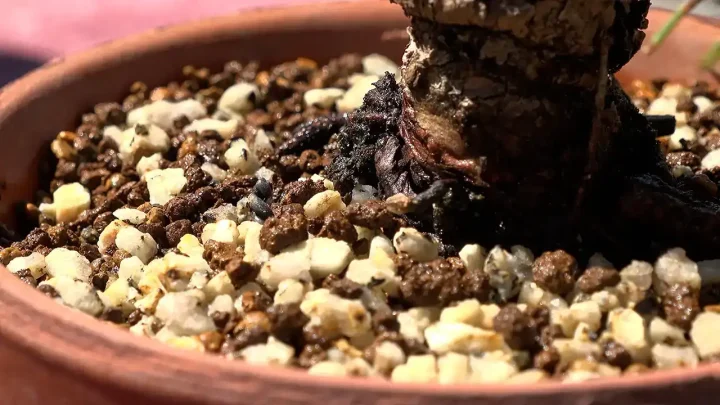
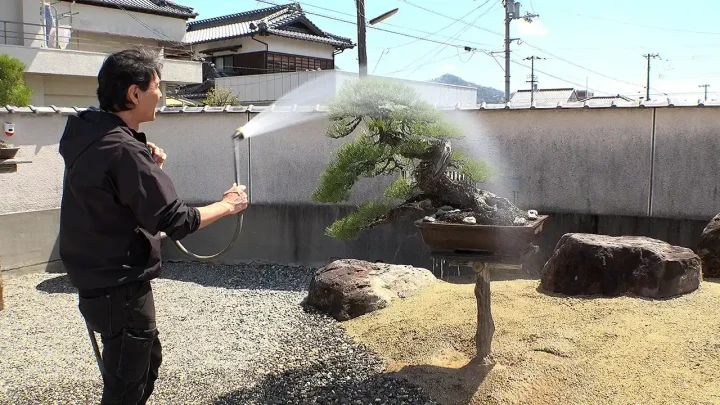
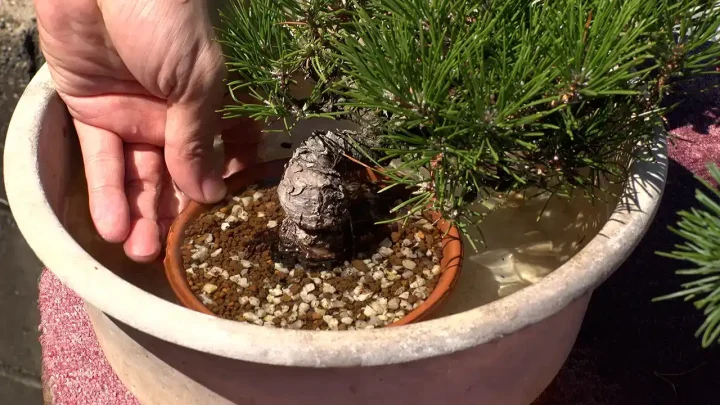
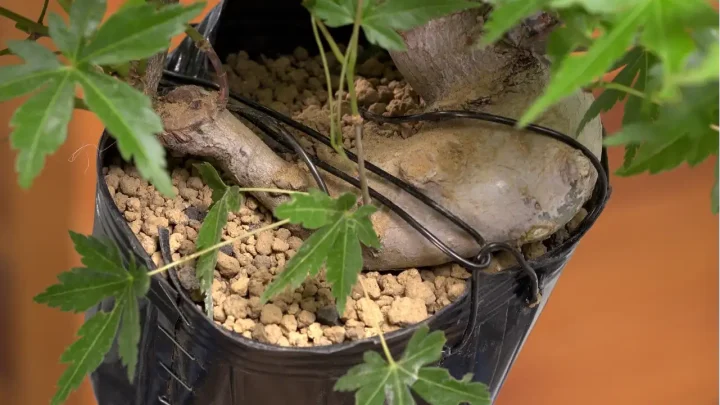
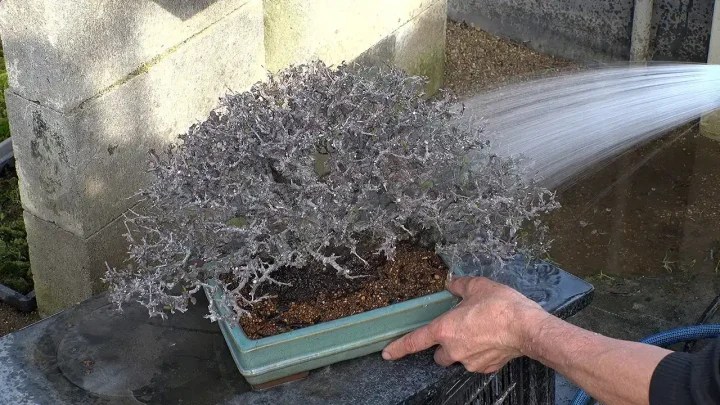
The soil right after repotting drains far more freely than before. That is a good thing — and at the same time, it means the soil dries out faster. Drying Out while your attention is elsewhere — that kind of mistake tends to happen quietly, on the day after the tension has lifted.
Whether to move a tree into the greenhouse — there is no clear numerical threshold for that decision. 'Maybe it's a little cold tonight' — that quiet thought is where the judgment begins.
The roots after repotting are still finding their way into the new soil. If freezing sets in at that moment, the soil heaves, and the roots you carefully arranged are damaged. That is precisely why a feeling for the air on that particular day matters more than what the thermometer says.
Some have a greenhouse; others do not. What each person can do will differ. But the disposition of keeping a steady eye on the tree's condition remains the same, whatever the situation.
In the time between repotting and the next bud break, there is little work that shows. Even so, the winter days spent sensing and responding — quietly, unhurriedly — are what give shape to the tree come spring.
When the tasks are finished, the relationship with the tree goes on.
The journey of "Novice: “Ayumi”" begins with member registration.
Begin the Journey