
June is the season for refining Chojubai as its new shoots move with vigor. Through cutback of elongated shoots, removal of suckers, and defoliation, the branch framework gradually begins to reveal itself. Where to cut, and what to leave. The accumulation of those judgments is what builds the tree’s form.
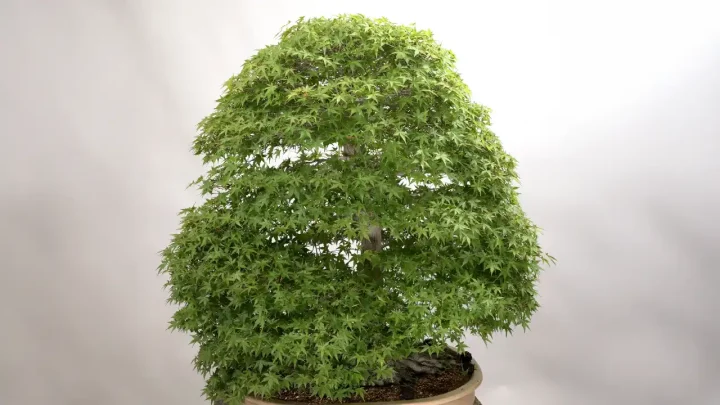
Once June arrives, Chojubai begins to grow strongly. New shoots push with vigor, and before long the branch tips may be extending far in unexpected directions. This is a sign of a healthy tree, but if left unchecked, the silhouette will quickly lose its structure.
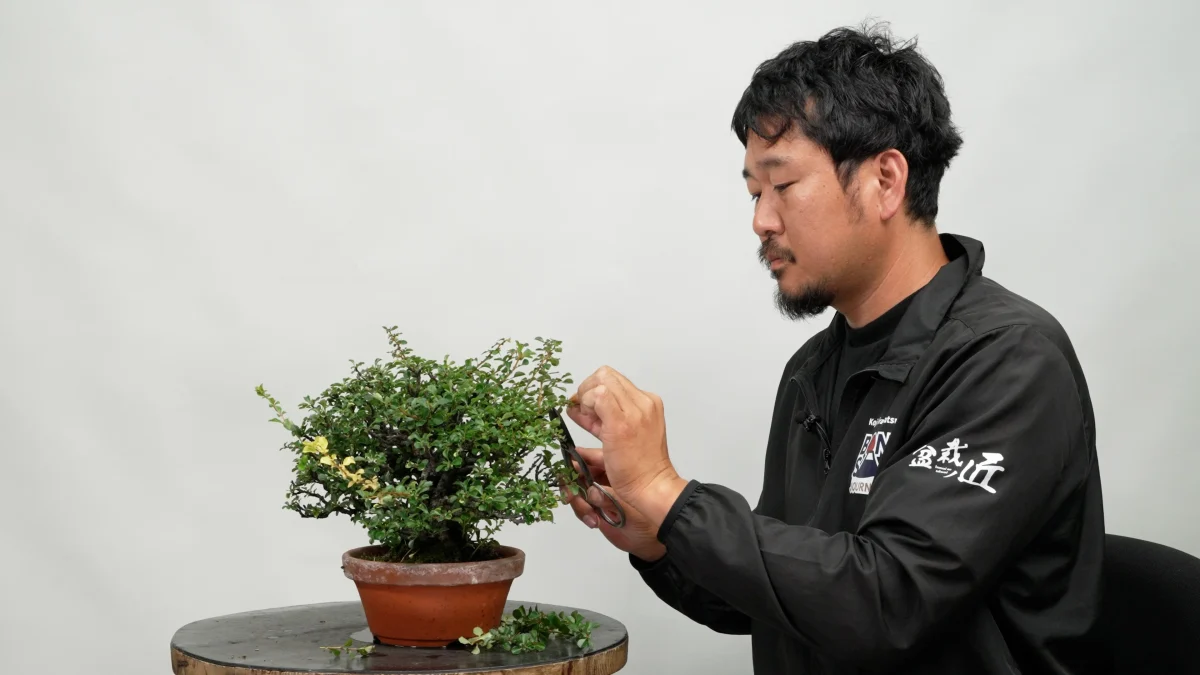
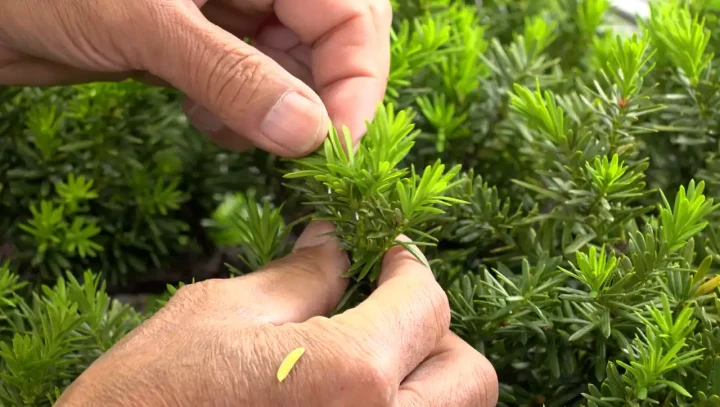
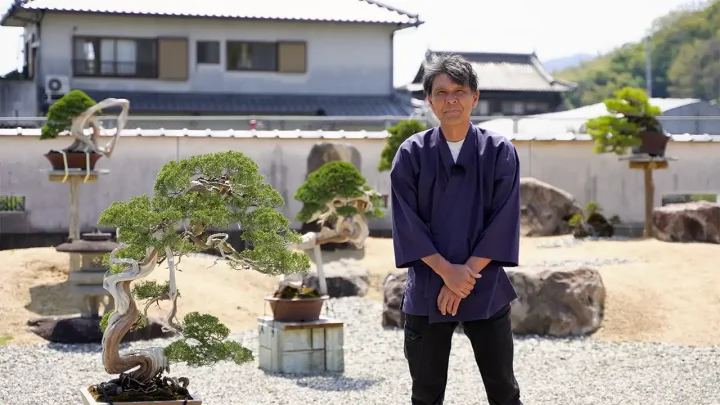
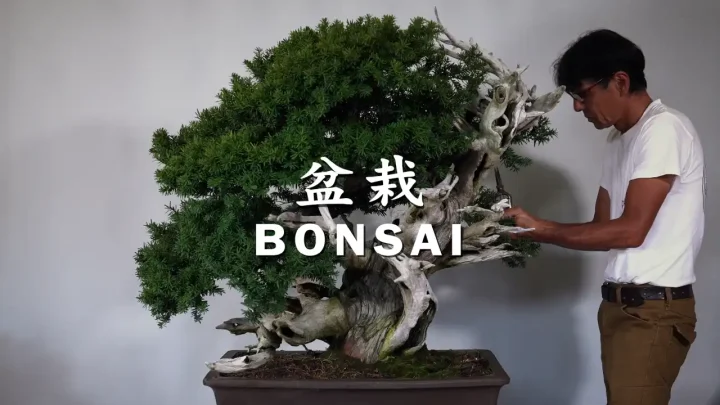
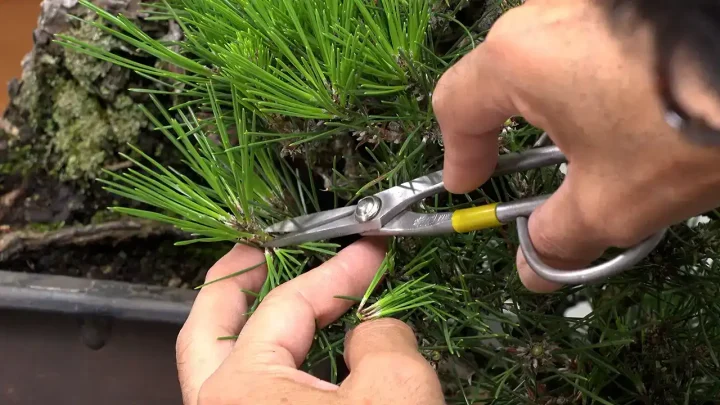
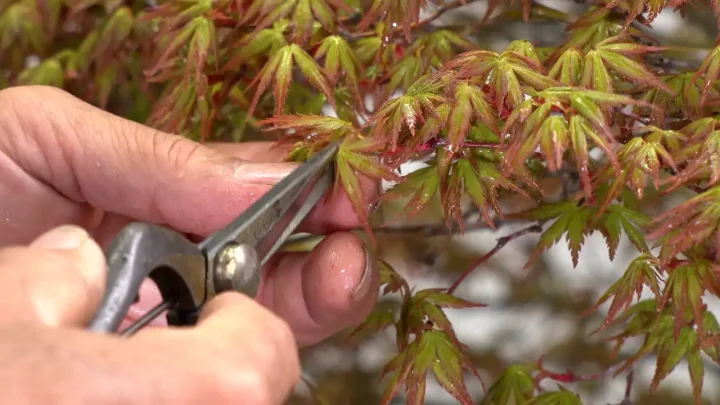
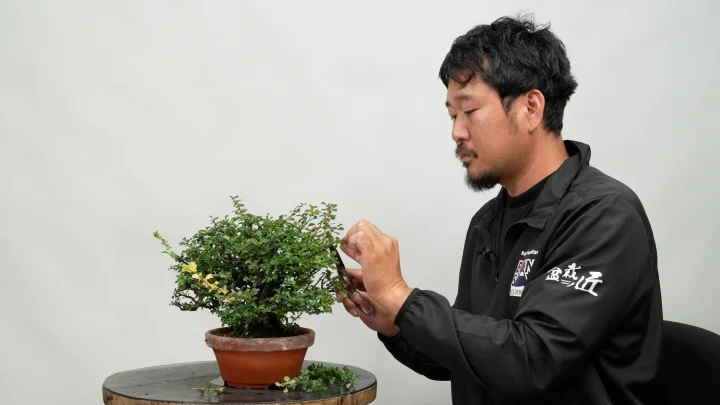
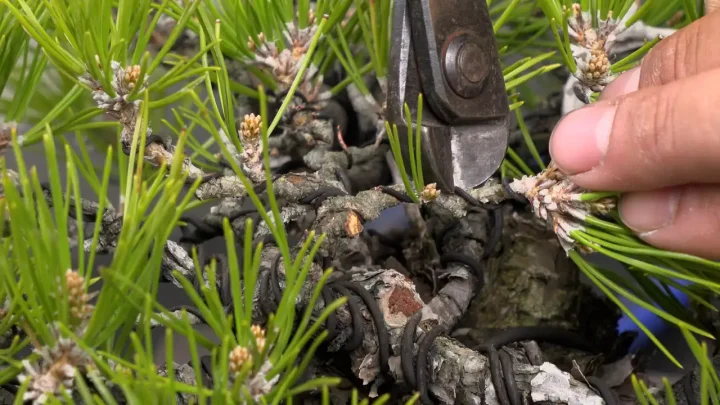
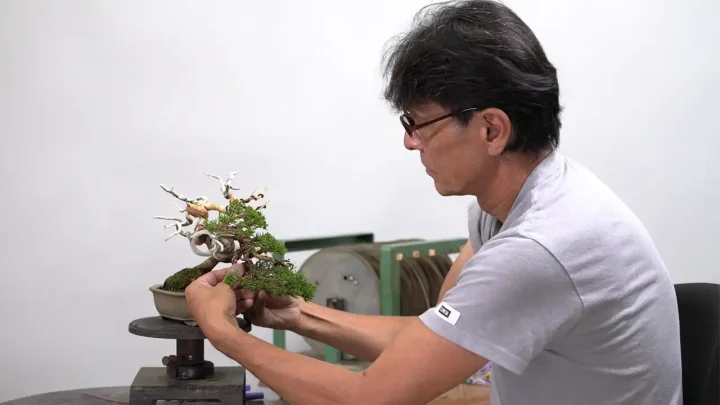
The first task is to organize the elongated shoots. There is no hesitation about where to cut. Toshifumi Sato (Toshi) moves his scissors decisively toward one clear point: back to the original leaf. Any leaf remaining at the node is always preserved. Because he knows exactly where to return the shoot, the hand does not waver. The more vigorous the tree, the more readily its form can break down. His work proceeds from that understanding.
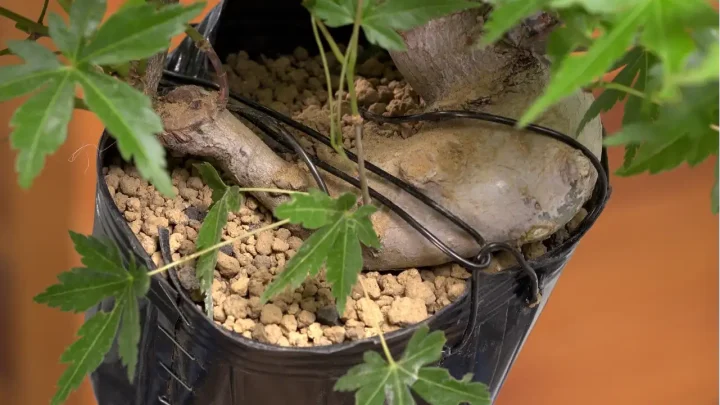
Suckers that push up from the base of the trunk may look strong at first glance, but they are “branches that will not be used.” They are removed cleanly from the base without hesitation. In many cases they are already weak. Seeing this, the scissors go in directly.
He can cut without hesitation because the intended form of the tree is already clear in his mind. When the direction is visible, the elements that obstruct it become naturally apparent. It is not a matter of asking each time, “Is this branch necessary?” Rather, the unnecessary parts simply come into view.
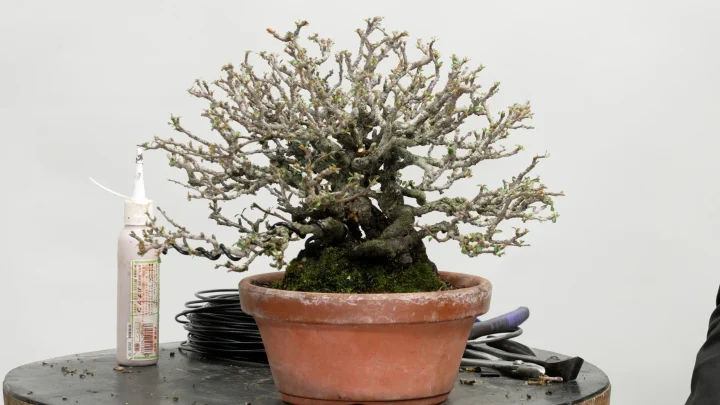
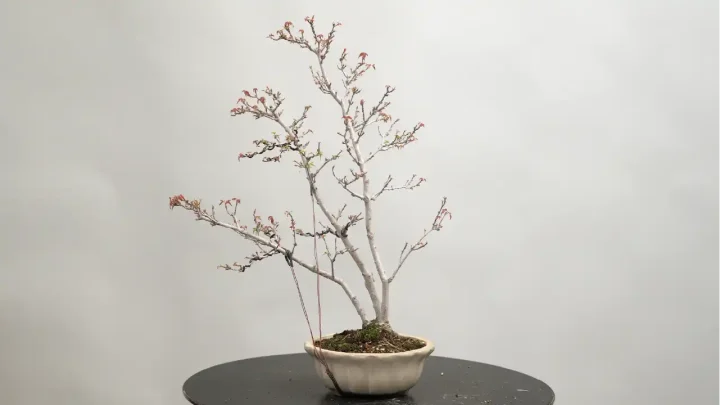
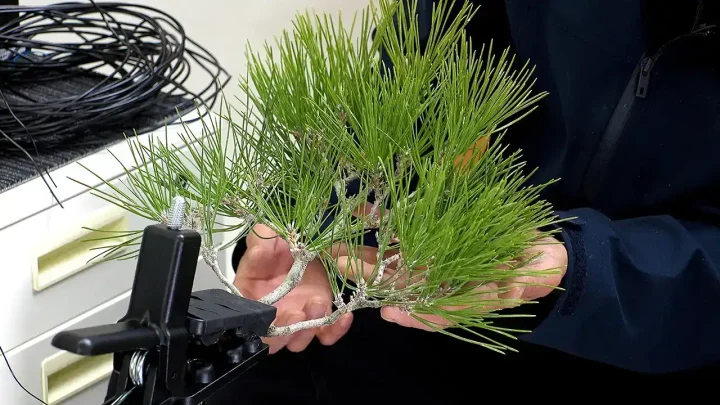
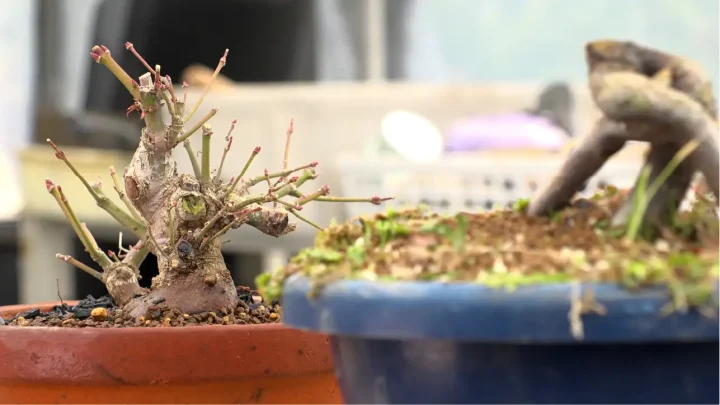
After organizing the elongated shoots and suckers, the work moves on to defoliation. All attached leaves are removed, exposing the branch structure. Wiring comes next, and defoliation has meaning as the preparatory step before it.
Only once the leaves are gone does the branch framework appear. Where is it thick, and where is it fine? Where is it congested, and where is there space? Judge after seeing. This sequence reflects a way of thinking that runs through bonsai as a whole.
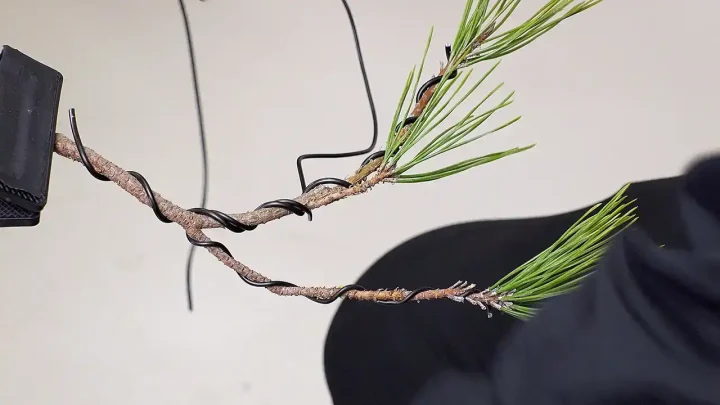
The moment the branches become visible, an image begins to form: “This is how I want this area to move.” Only then does the wire go on. The time spent removing leaves is not wasted. It is the necessary pause that allows the tree to be seen.
The journey of "Novice: “Ayumi”" begins with member registration.
Begin the JourneyYou must be logged in to post a comment.





Bonjour Maitre Koji Hiramatsu. On peut faire la taille du chojubai jusqu’à quelle date ? Peut on faire une defoliation totale ou tailler toutes les feuilles pour les couper en deux ? Le mettre à l’ombre plein soleil après ? Je vis en france et en ce moment température 38 degrés à l’ombre. Merci pour vos précieux conseils.
Bonjour, et merci pour votre message.
Sur un chōjubai vigoureux — bien arrosé et bien nourri — le pincement des bourgeons et l’effeuillage (qu’il soit total ou en coupant les feuilles en deux) peuvent se pratiquer de mai jusqu’à septembre environ. Vous avez donc encore le temps.
Mais ces gestes ne suivent pas une règle fixe : tout se décide en observant la vigueur de l’arbre. Si, sur telle ou telle branche, vous cherchez au contraire à gagner en épaisseur, mieux vaut la laisser pousser. C’est l’arbre lui-même qui vous indiquera le geste juste.
Quant à l’emplacement, il reste le même que pour les autres essences. Par ces fortes chaleurs — 38 °C à l’ombre, cela n’a rien d’anodin — une mi-ombre bien aérée, où l’air circule, protégera l’arbre d’un soleil trop violent.
Prenez le temps de regarder votre chōjubai avant chaque coupe. Il vous dira beaucoup.
Merci beaucoup pour votre prompt réponse et éclaircissements.