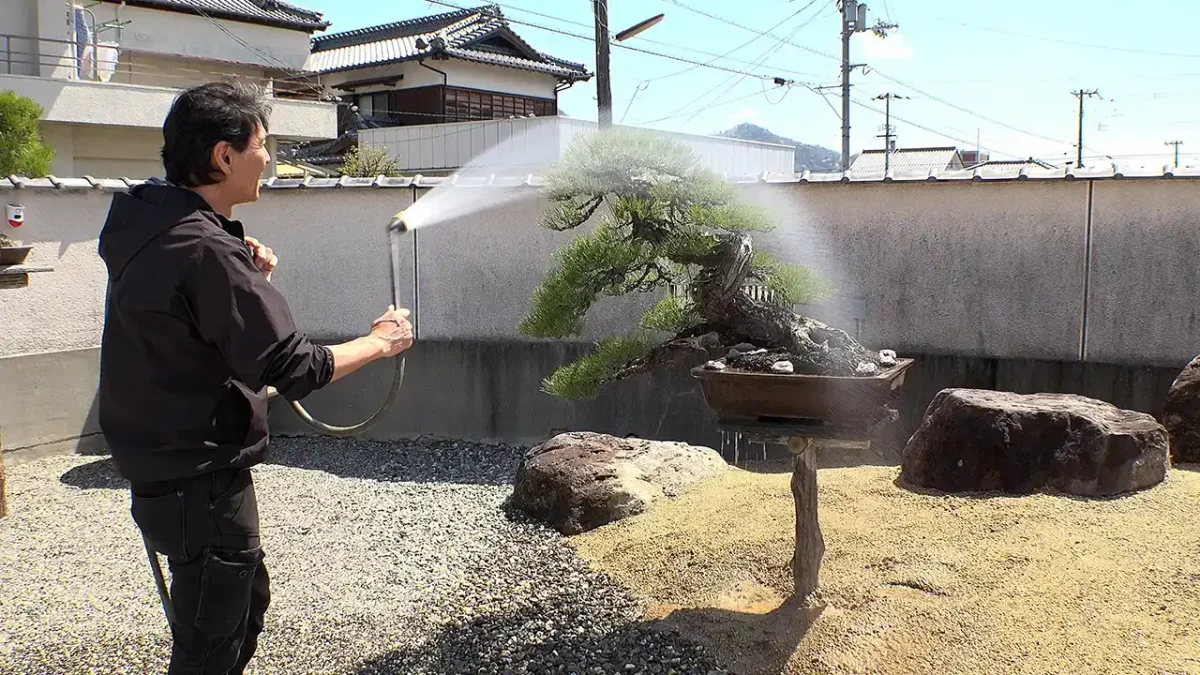
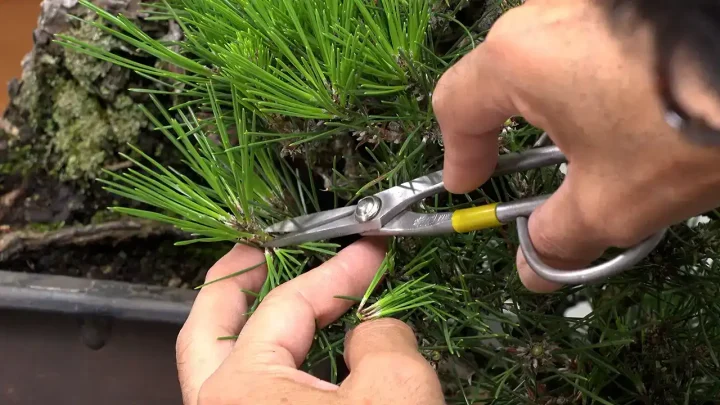
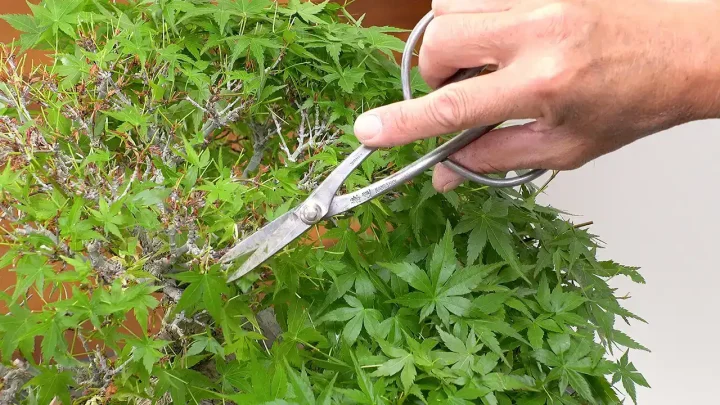
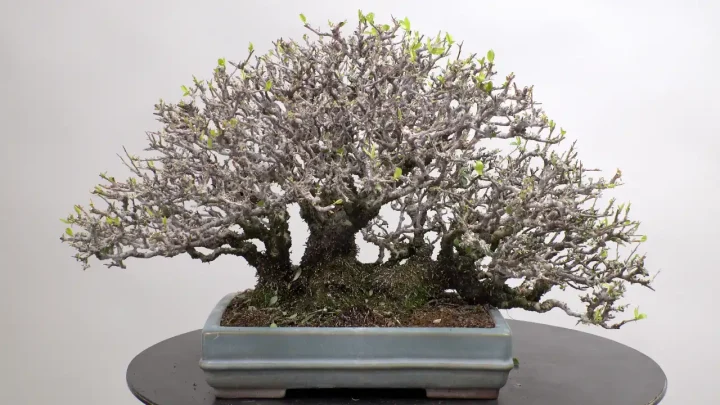
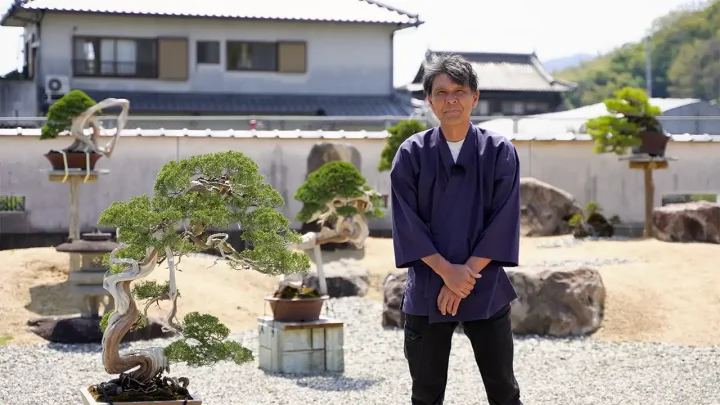
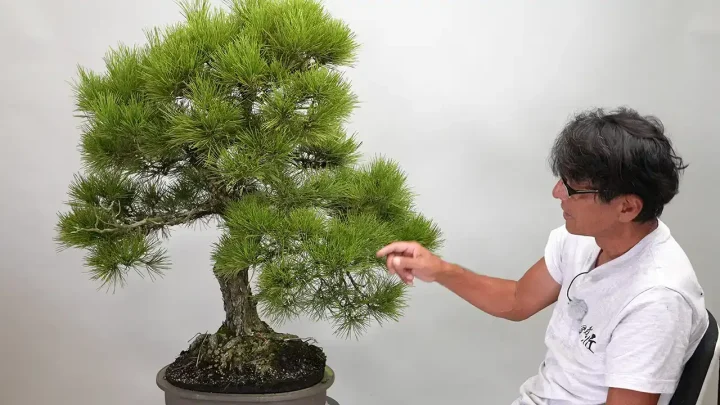
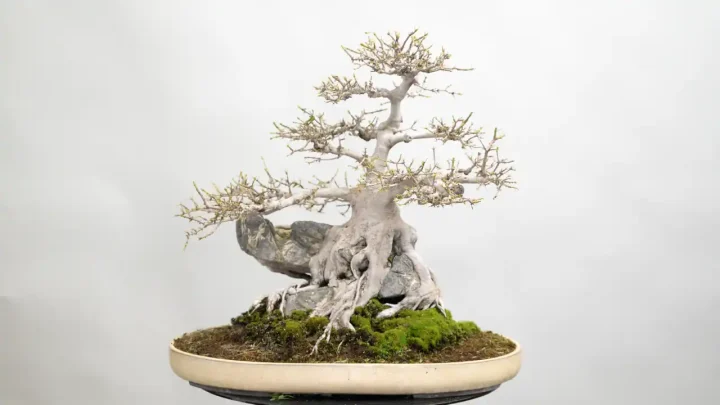
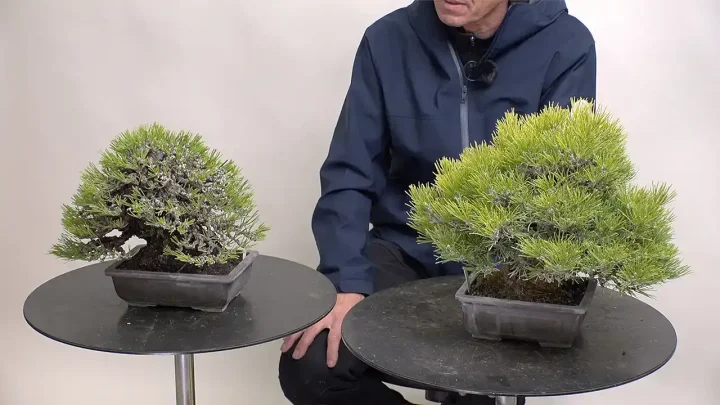
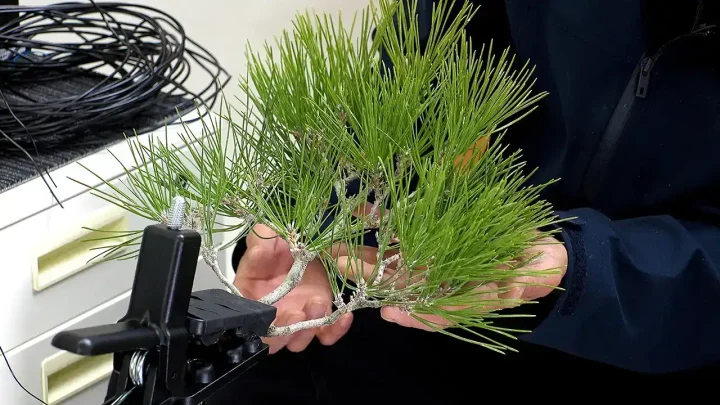
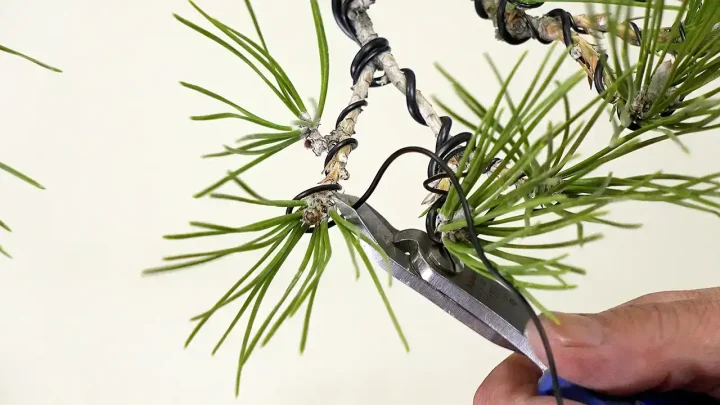
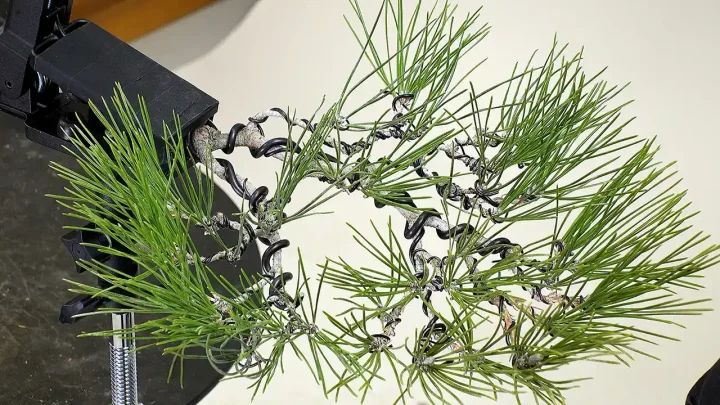
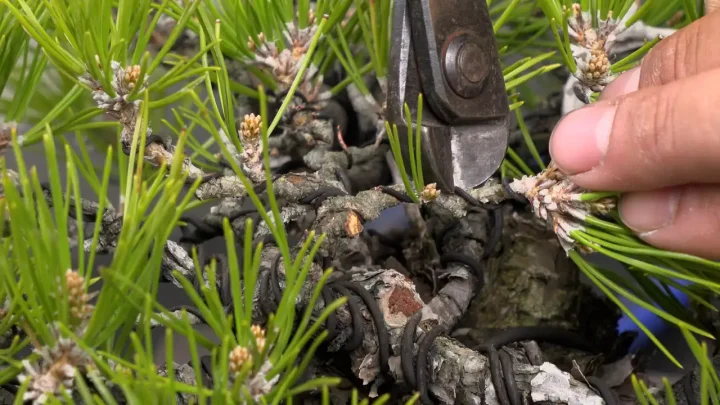
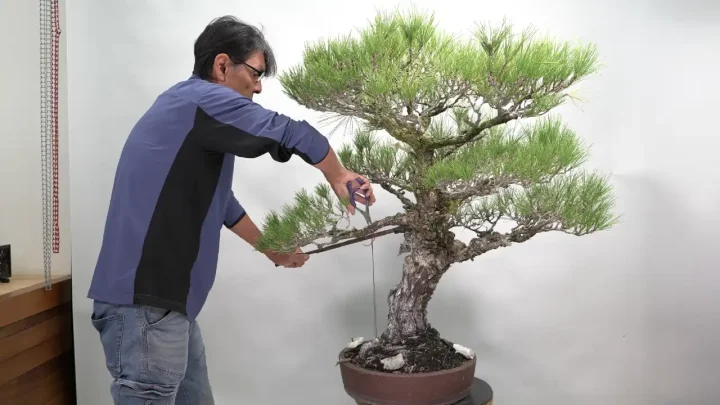
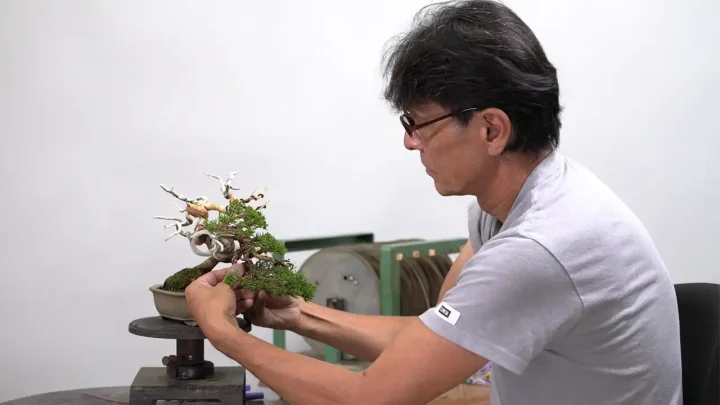
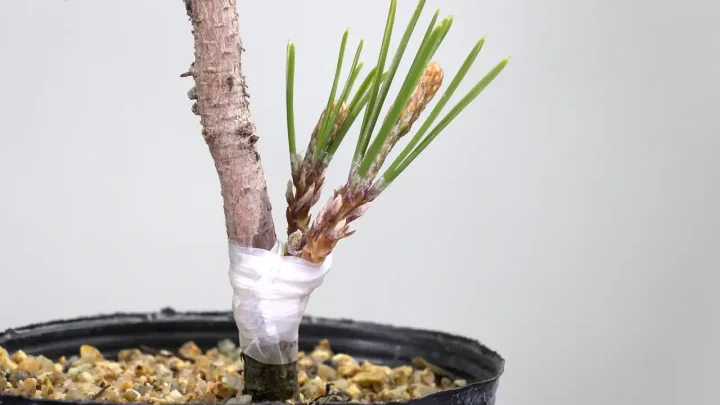
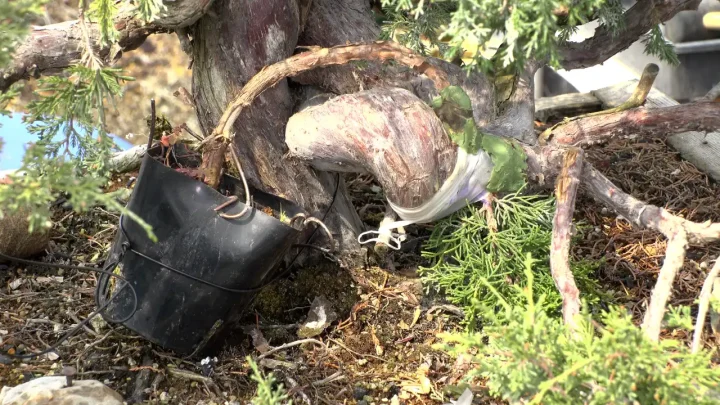
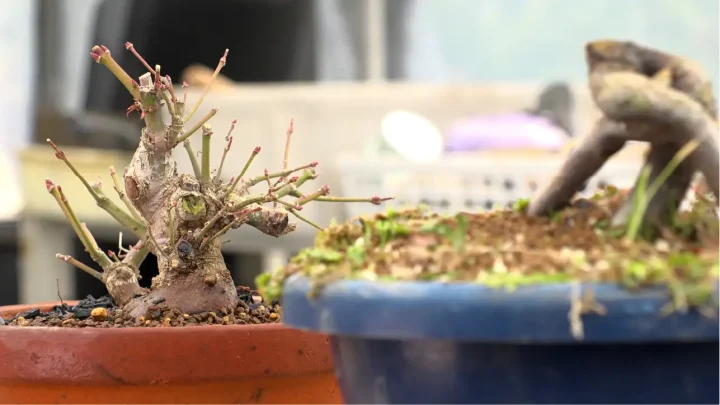
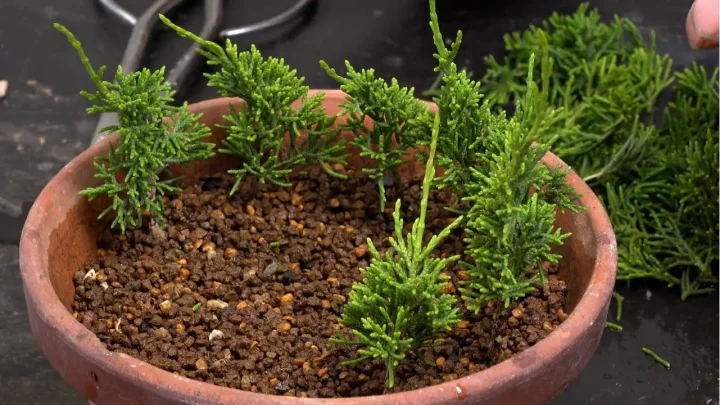
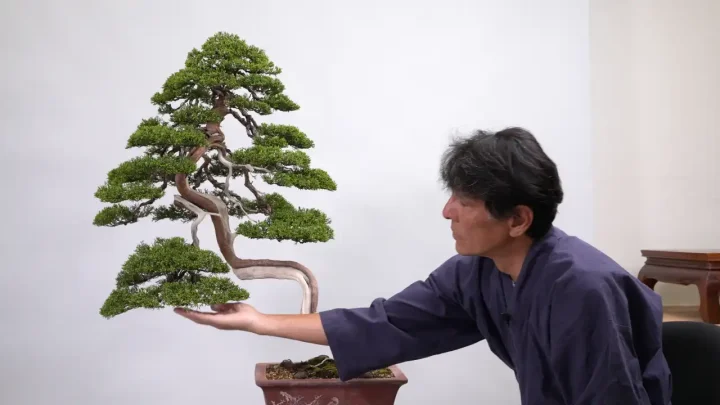
Centered on watering Japanese Black Pine, with thoughts on approaching Japanese White Pine and Japanese Zelkova as well. From the two-step method of wetting the surface before giving a full drink, to seasonal frequency, Foliar Misting, and care for Bark Texture — the daily rhythm of watering when dry is what gradually trains the eye to see the tree.
Watering may look like the quietest part of caring for bonsai — and yet it may be the deepest. You pick up the hose and face the pot. Simple enough, it seems. But in truth, each time you are answering the same question: 'Is this tree dry today?'
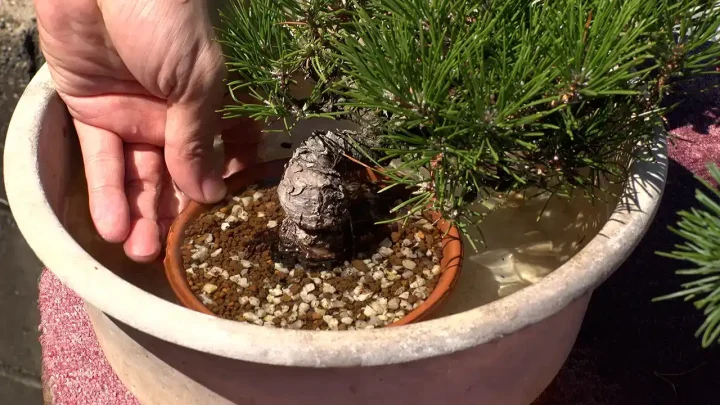
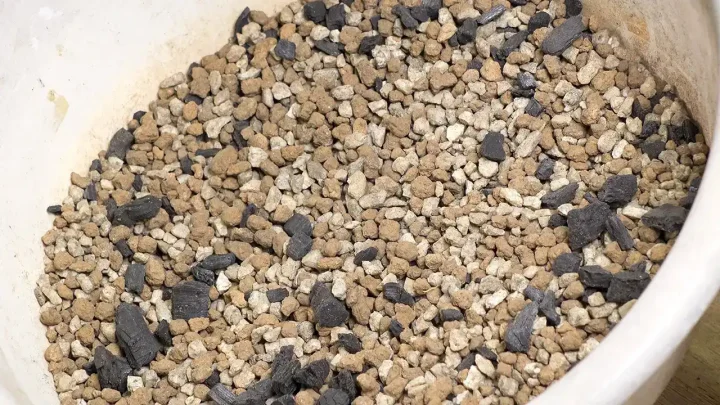
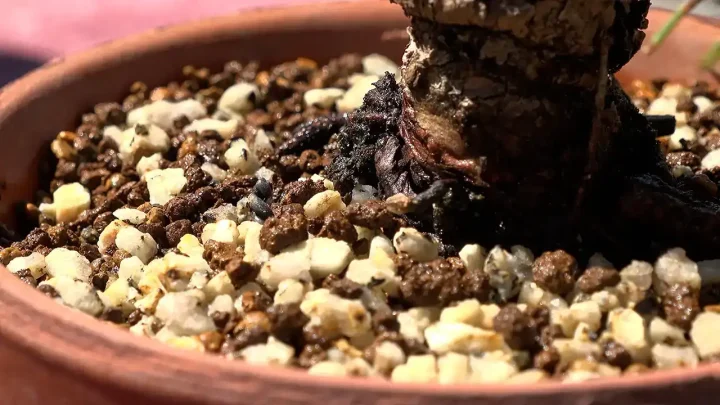
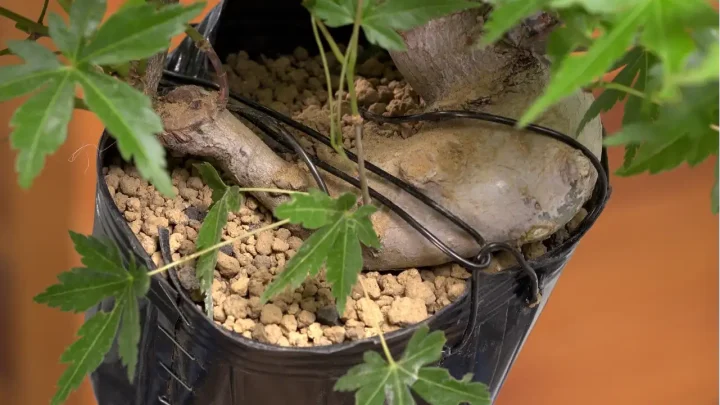
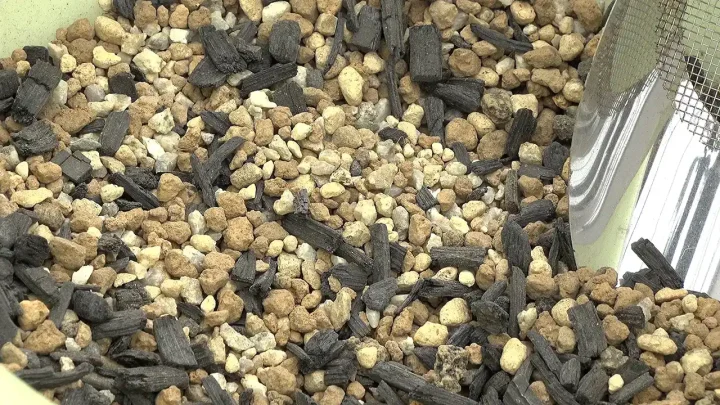
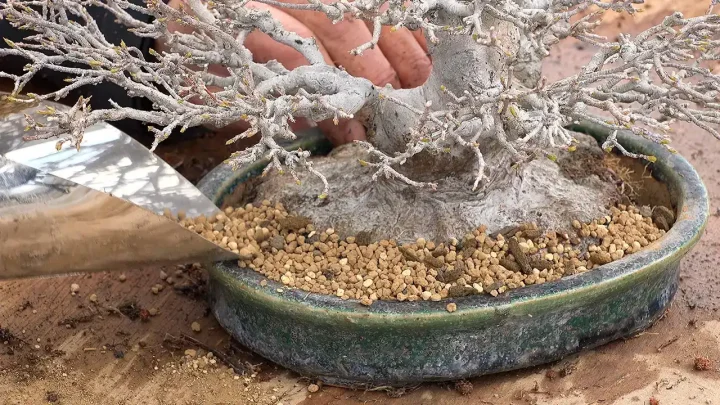
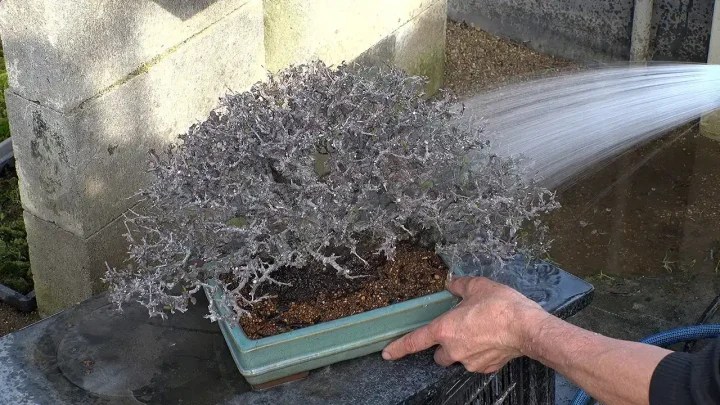
First, wet the surface lightly and let the water settle, then give it a full, generous drink. Watering in two passes lets the moisture reach all the way to the bottom of the Potting Soil. But before any of that, there is one thing you must always do. Look at the tree.
That phrase sounds obvious at first. But if you stay with it day after day, its meaning quietly shifts.
Three times a day in summer. Once a day in spring, autumn, and winter, as a general rule. These are only guidelines. What matters is not the frequency — it is the process of checking with your own eyes. Feel the weight of the pot. Touch the surface of the Potting Soil. Notice whether the leaves are hanging just slightly. Over time, that accumulation becomes a feeling: 'This is fine for today.' Not a manual, but a conversation. Watering is that kind of habit.
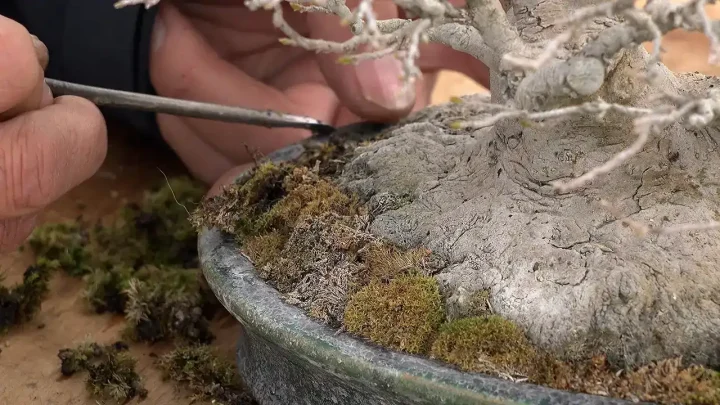
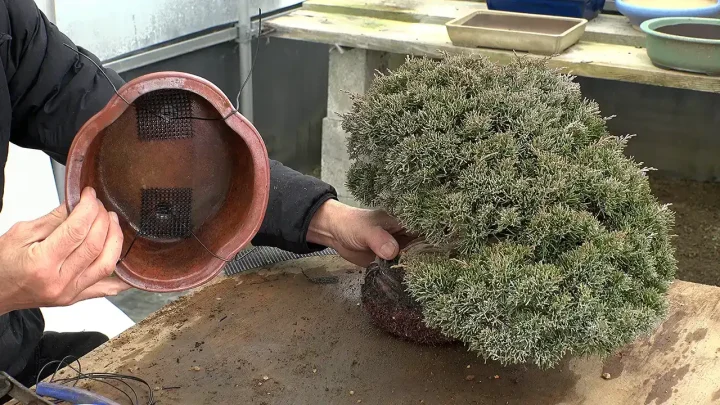
If you keep watering, one day you will notice something. The water on the surface takes longer to drain. The flow from the drainage holes has slowed. This is not a mistake. The tree is quietly letting you know that it has begun to prepare itself for spring Repotting.
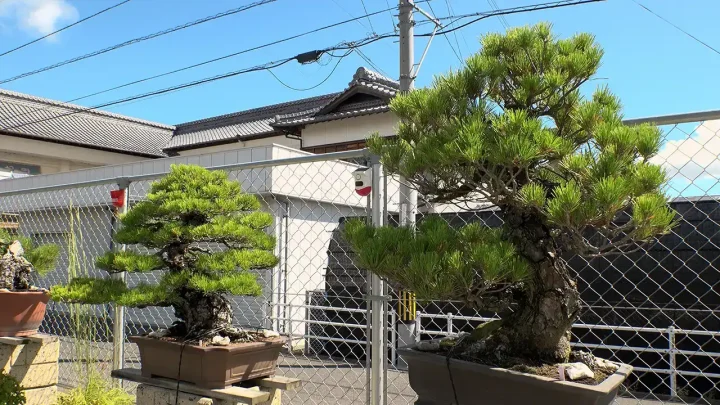
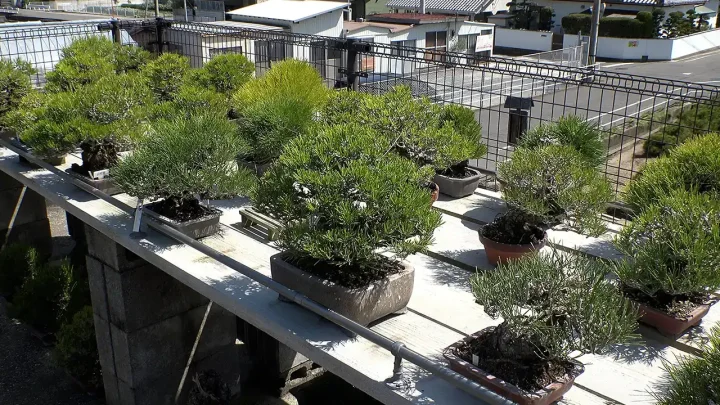
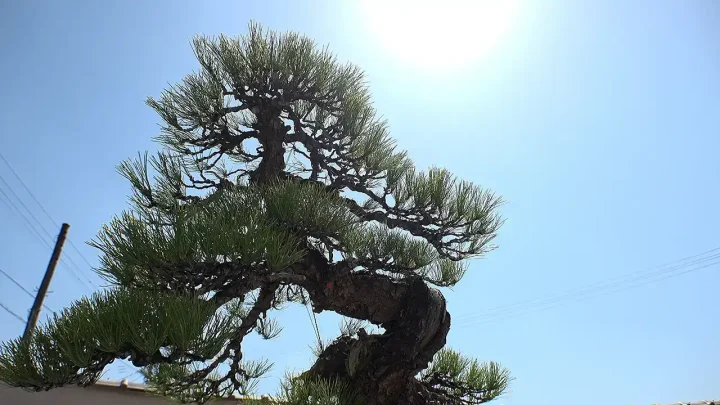
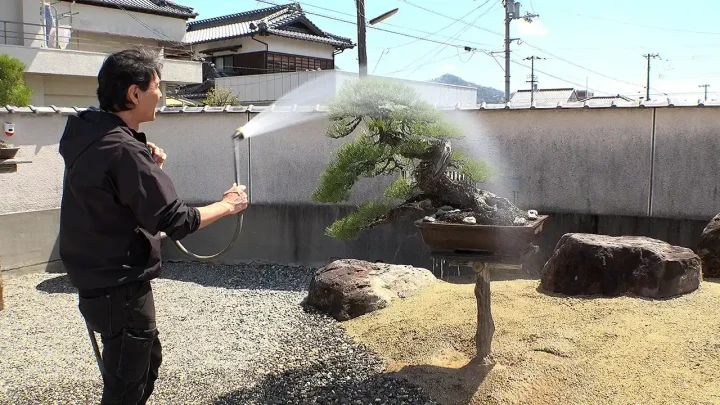
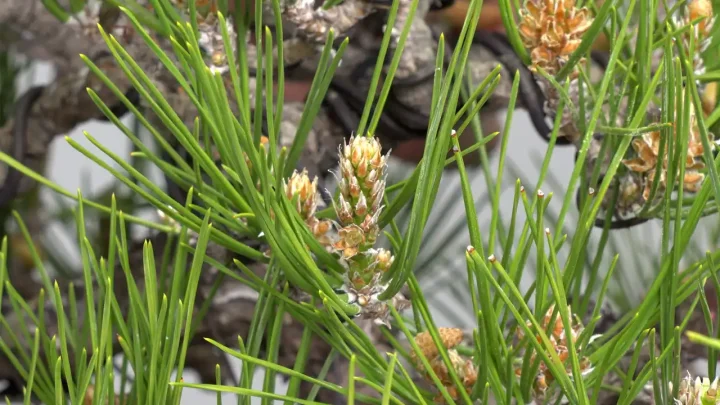
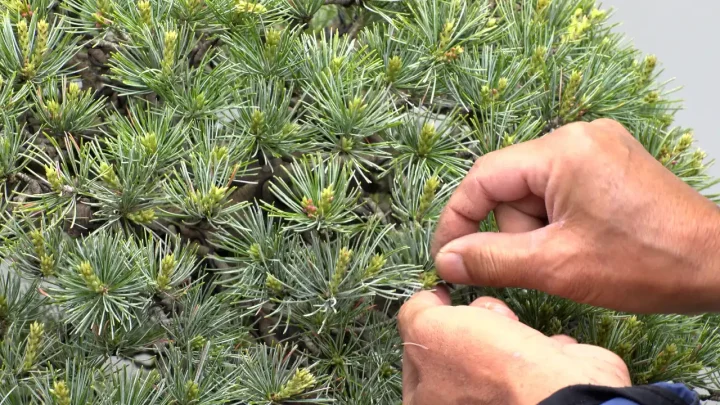
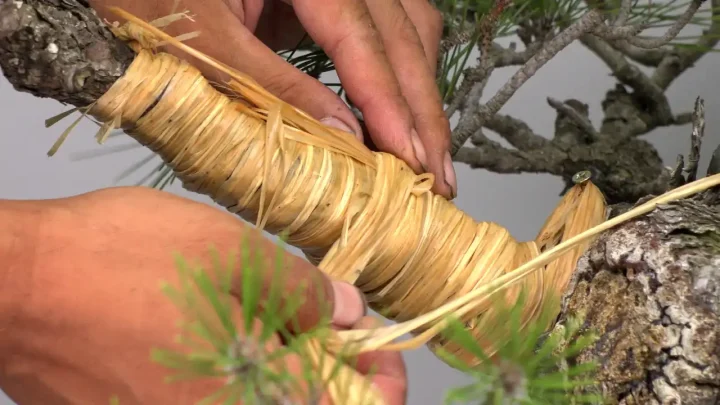
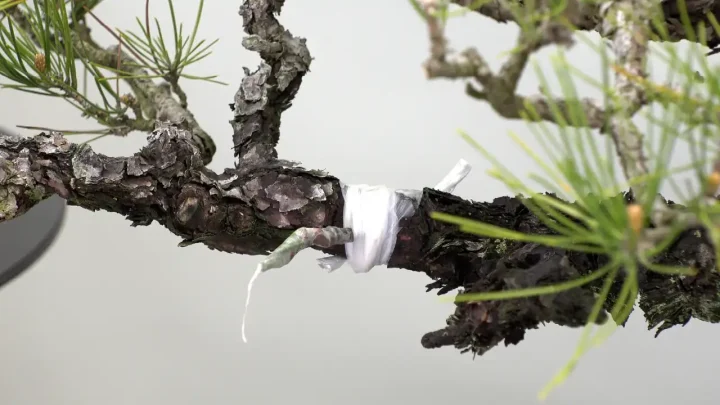
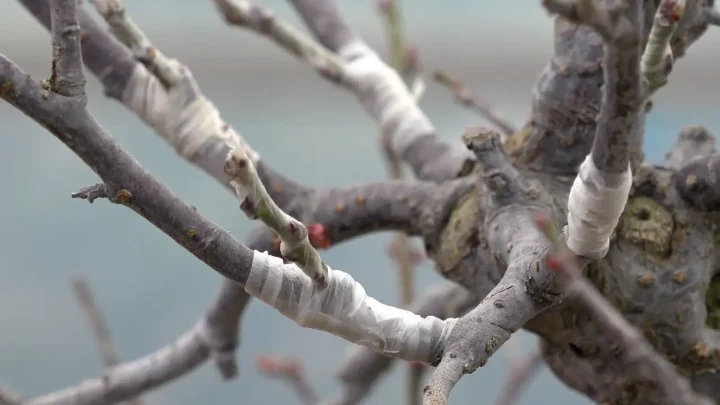
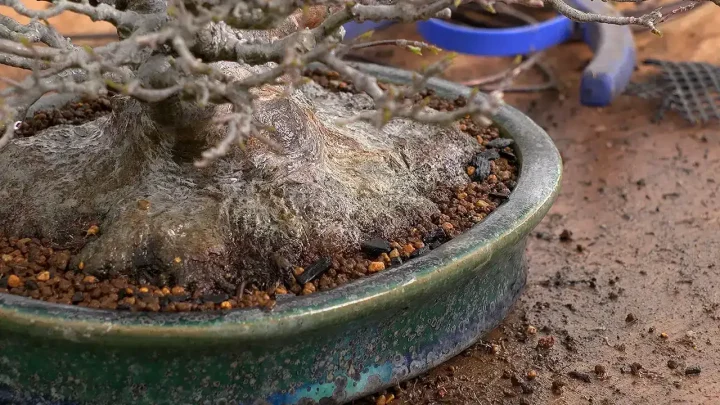
For Japanese Black Pine, Bark Texture is everything. Strong water pressure will damage the bark. So keep the hose flow soft and careful. Japanese White Pine is an alpine plant. The fierce afternoon sun of midsummer is something you want to gently shield it from. What seems like a watering problem can sometimes be solved simply by rethinking where the tree sits. Observing the tree is how these things gradually become clear.
Watering bonsai is not a chore — it is observation. Stand before the tree, take in its condition, give it what it needs. If you keep doing that every day, one morning you may find yourself stepping outside not as a detour on the way to watering, but to look at the tree.
That shift, perhaps, is where bonsai truly begins.
The journey of "Adept: “Uma”" begins with member registration.
Begin the Journey