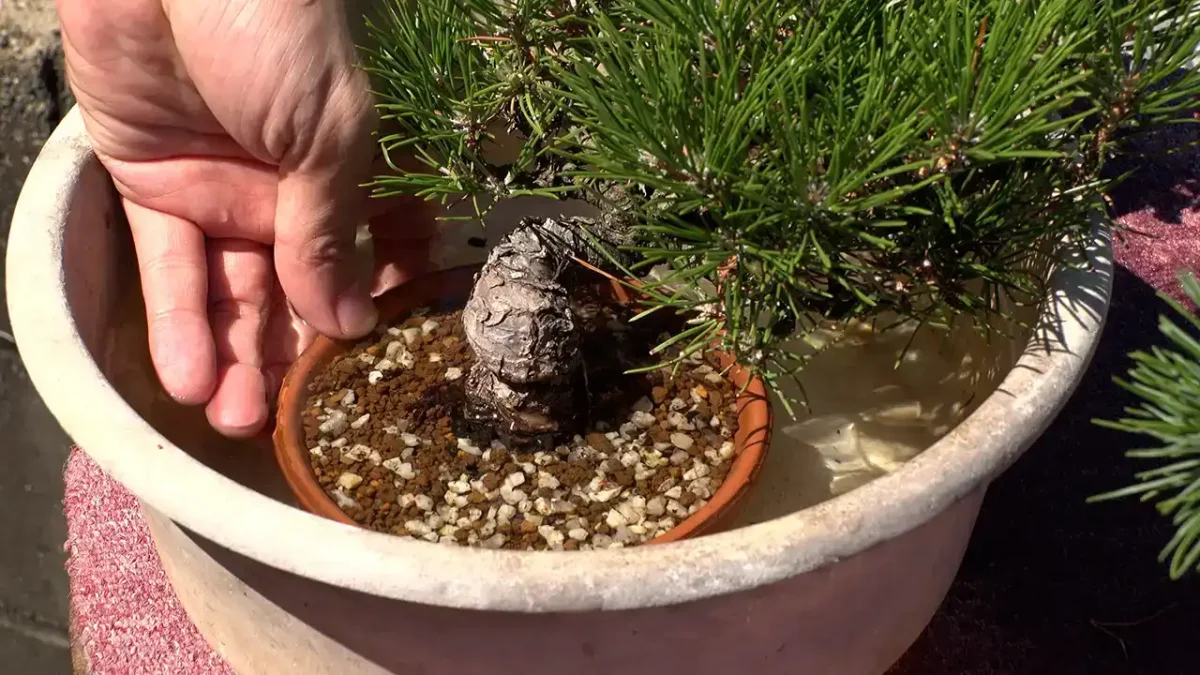
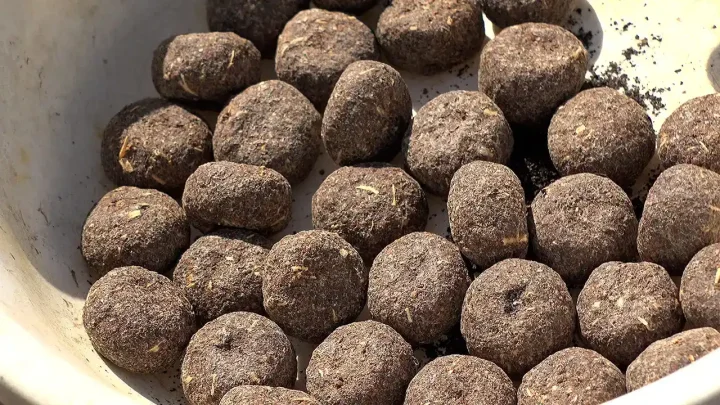
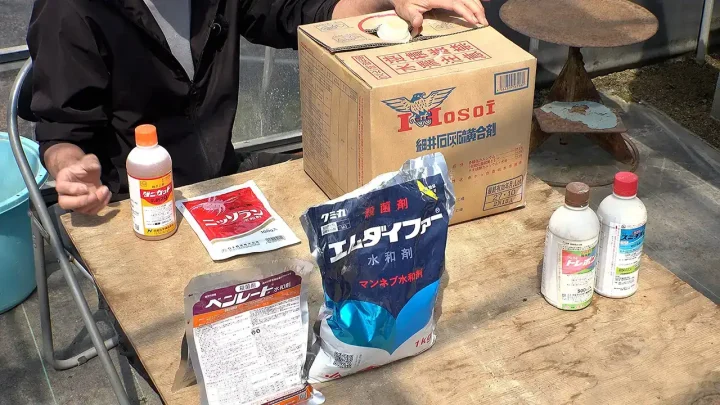
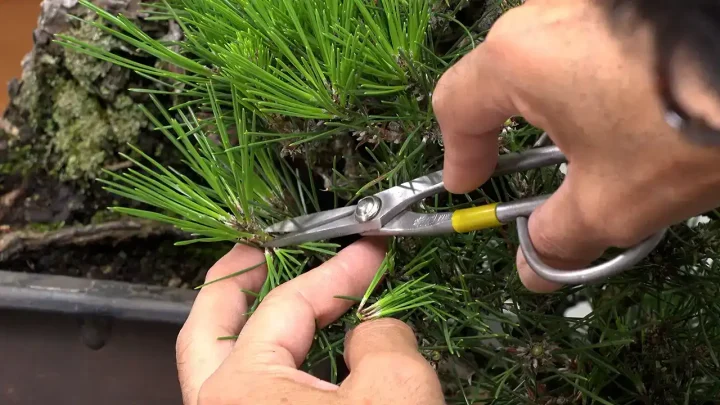
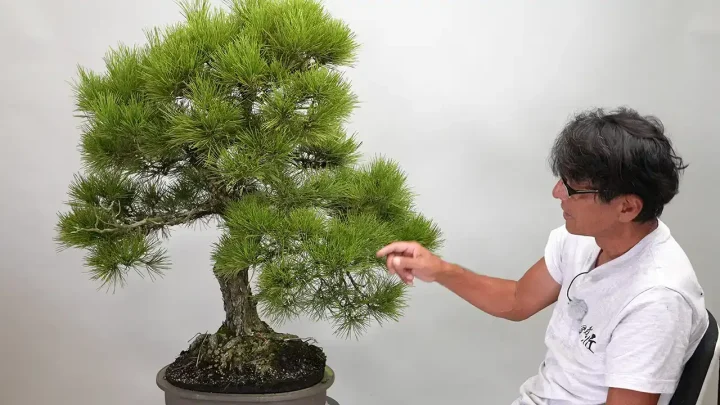
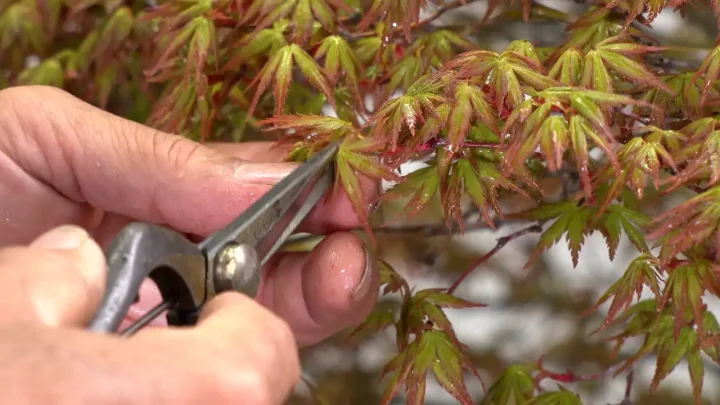
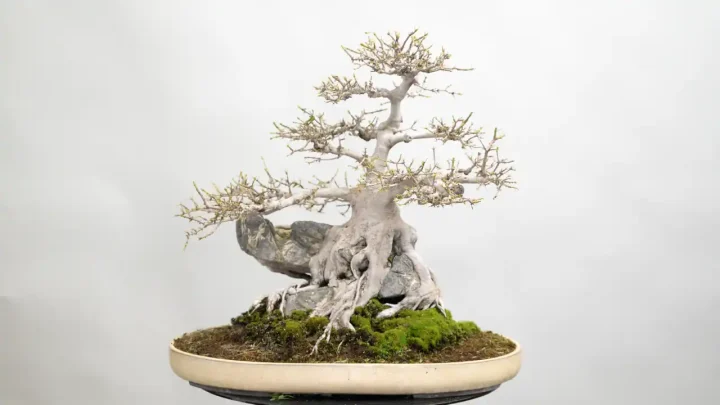
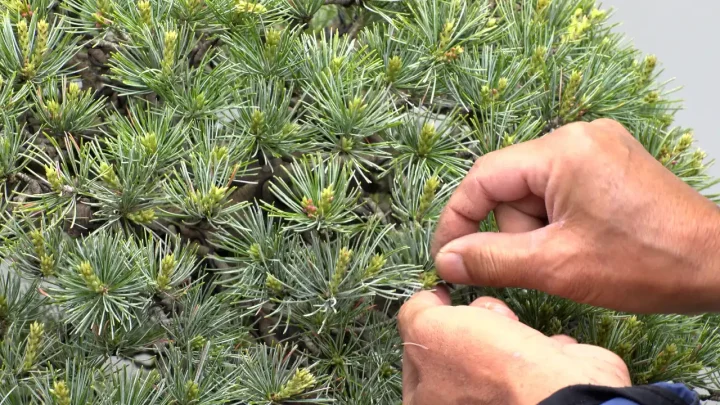
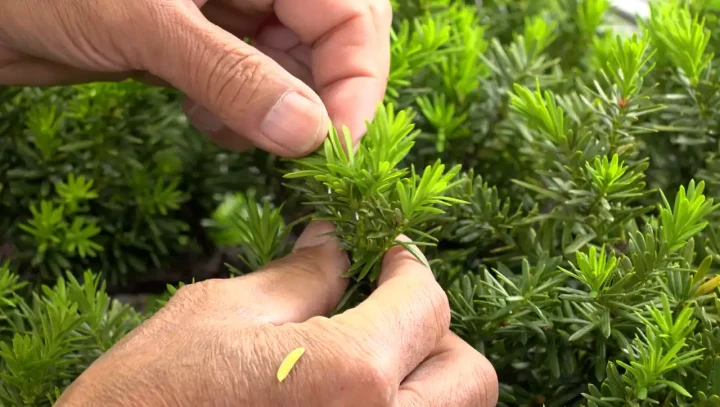
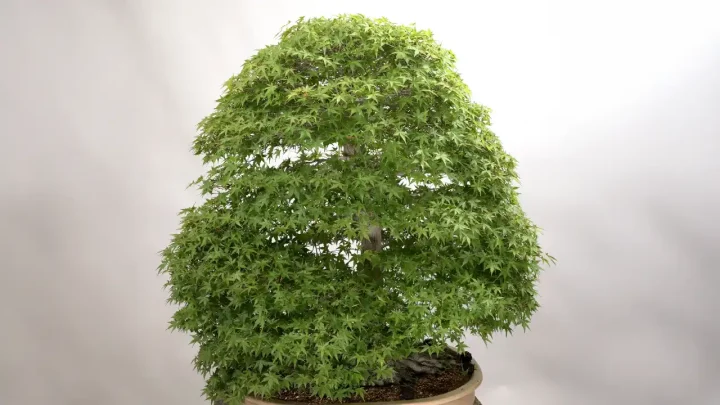
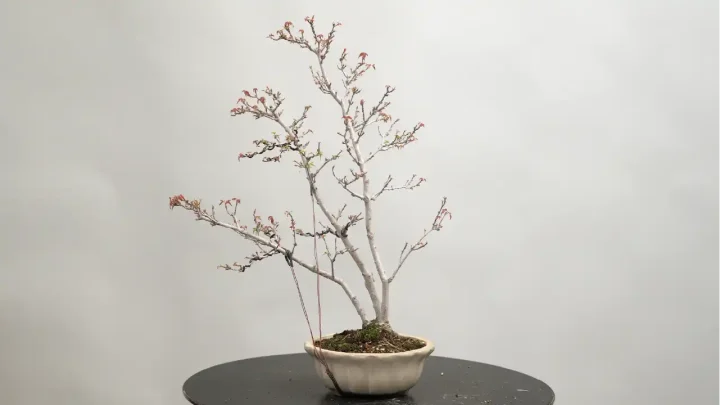
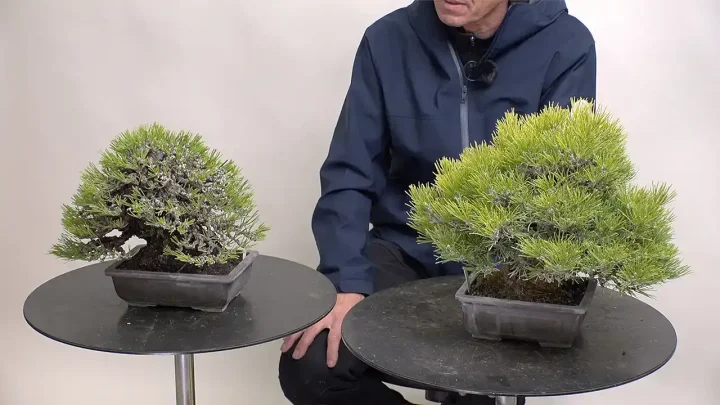
Watering bonsai is a time for giving water and reading the tree at the same time. Sensing the moisture of the soil, checking the color of the leaves, noticing the faintest sign of insects — daily contact is what keeps Japanese White Pine and Deciduous Trees (Zoki-rui) healthy. This is an honest look at the heart of water management: knowing when to let the soil dry, choosing the right nozzle, and thinking carefully about where your trees are placed.
Hose in hand, aimed at the pot. Done every day, it becomes something you do without thinking. And yet, there is a question in it.
How moist is the soil? Has the color of the leaves changed since yesterday? Are there any signs of insects? While giving water, you are also 'reading' the tree — and when these two things become one, watering takes on an entirely different meaning.
In what looks like a simple task, deep observation quietly lives.
The basic principle is simple. Water thoroughly, let it dry, then water thoroughly again.
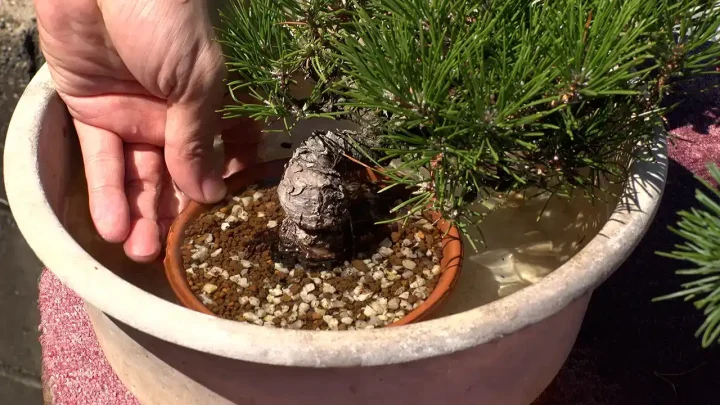
The difficulty is not 'how many times to water.' It is reading how dry the soil has become, and deciding what comes next. If the soil is always damp, deliberately water less. Letting the soil dry is part of water management.
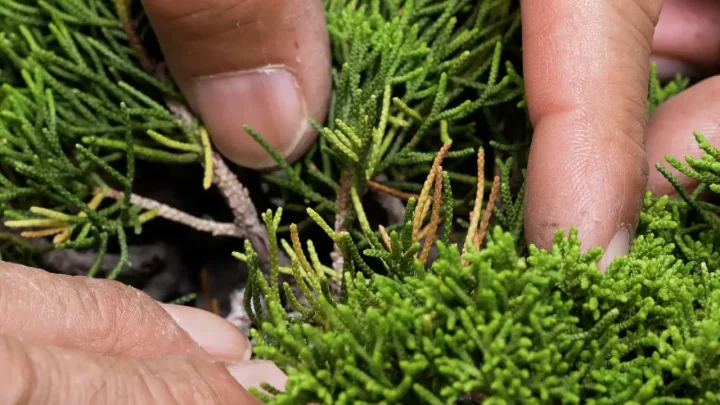
In summer, a Japanese White Pine left unattended can have its needles turn brown and scorched. If it worsens, the tree may die. It is precisely because of daily contact that you can catch such changes early. Watering is, in many ways, the one near-irreplaceable opportunity to check on the tree's condition each day.
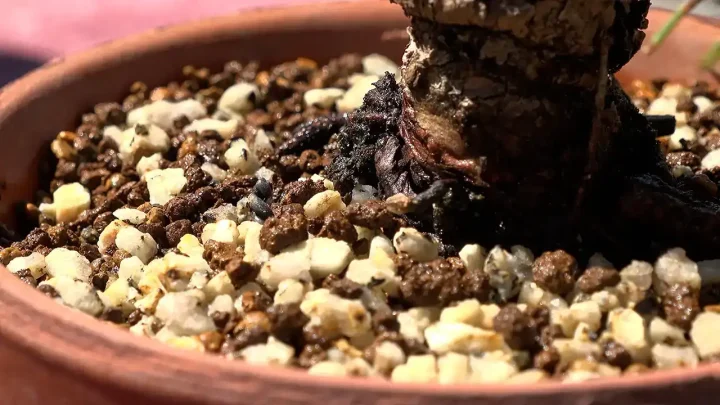
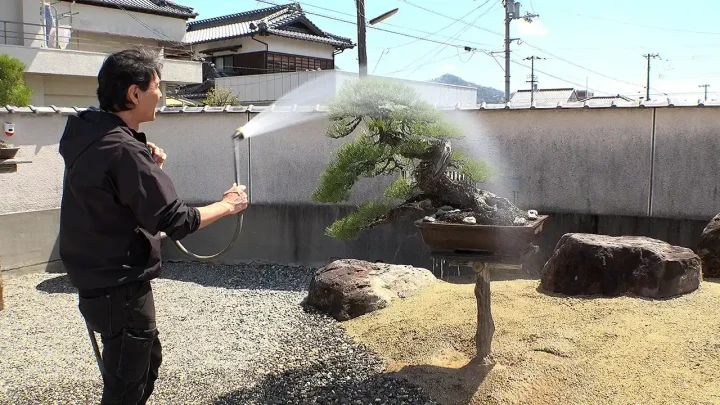
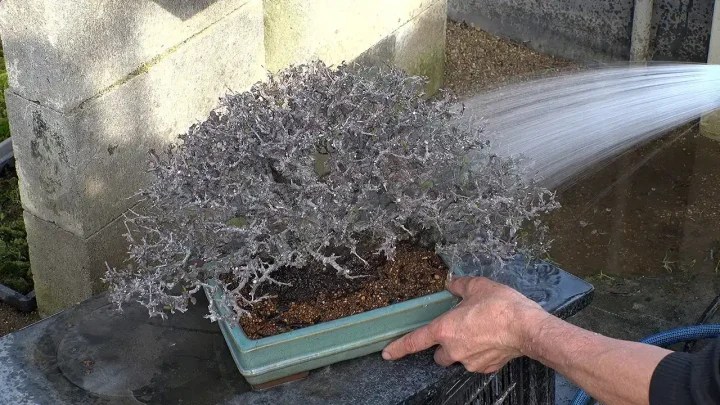
A high-pressure hose washes the soil away along with the water. When choosing a watering nozzle, look for one that delivers a fine, soft spray. Slowly, gently — letting water reach all the way between the Fine Roots / Feeder Roots. There is no need to rush.
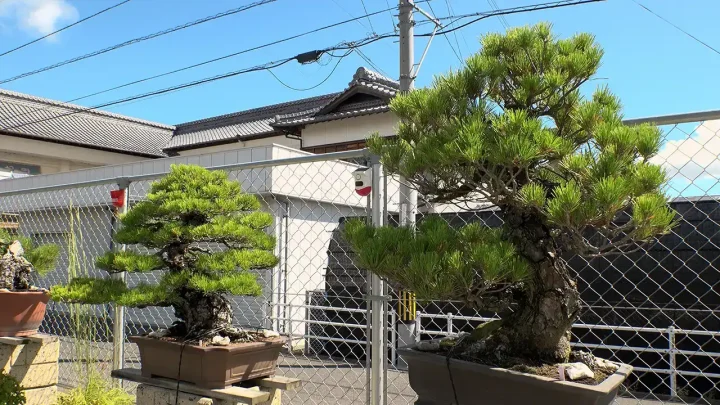
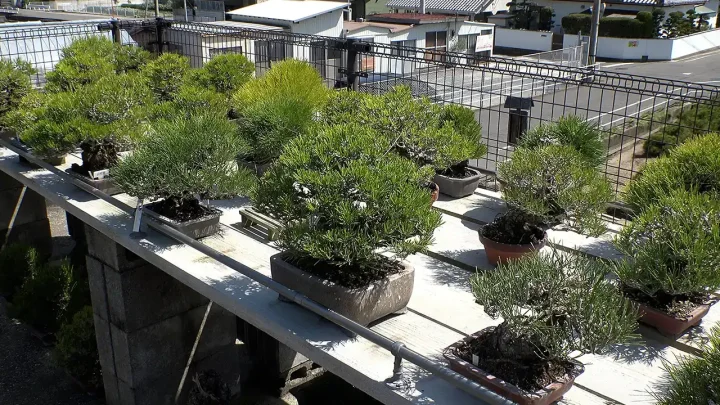
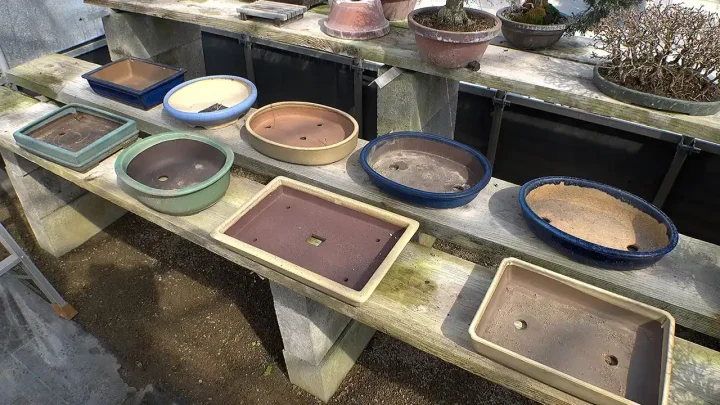
How you arrange the tree's placement is also an extension of water management. Where a tree is placed determines how often it needs water. Understanding the environment the tree lives in comes before deciding how to water it.
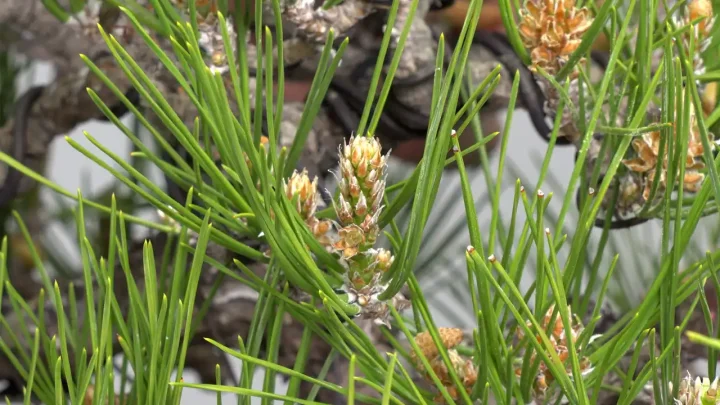
The fullness of the leaves, the way the soil dries, the faint presence of small insects. When you water and observe every day, you stop missing changes. The earlier you notice, the sooner you can act. If treatment is needed, you can step in right there.
Watering is a gift to the tree, and at the same time, a moment to receive what the tree is telling you. Not only giving, but listening. That way of being is the foundation for a long relationship with your trees.
There are things that only become visible when you keep at it, day after day.
The journey of "Adept: “Uma”" begins with member registration.
Begin the Journey