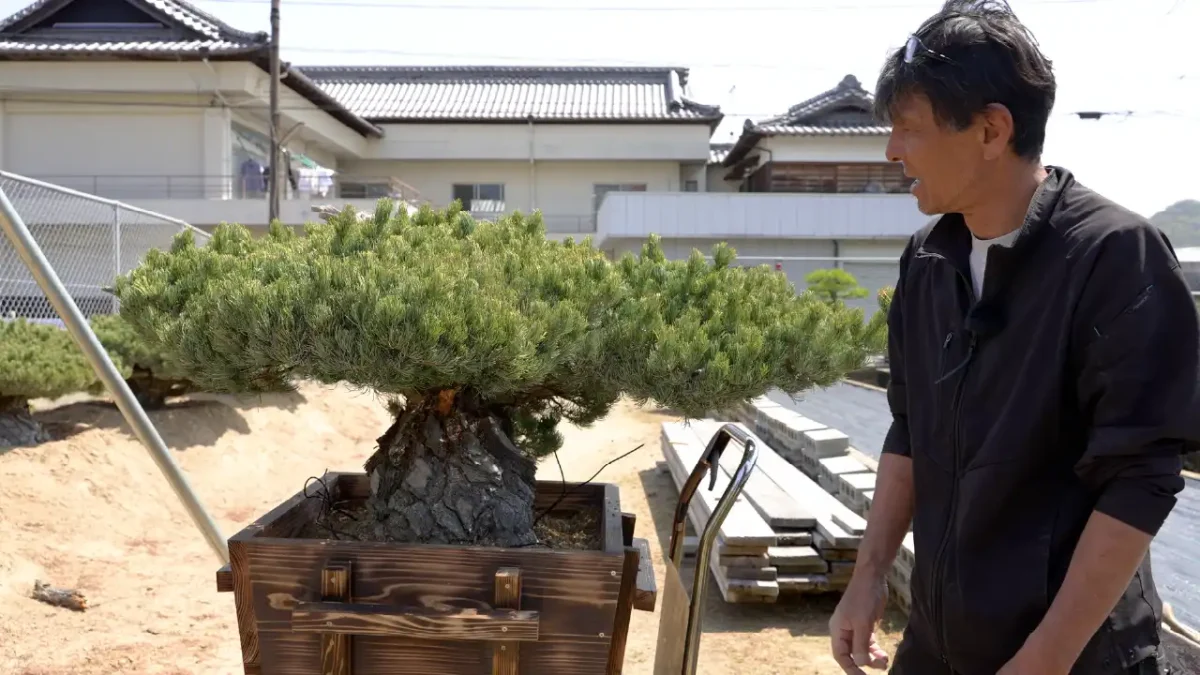
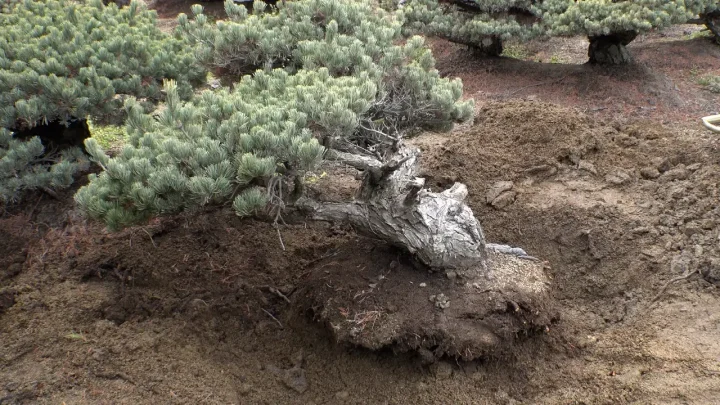
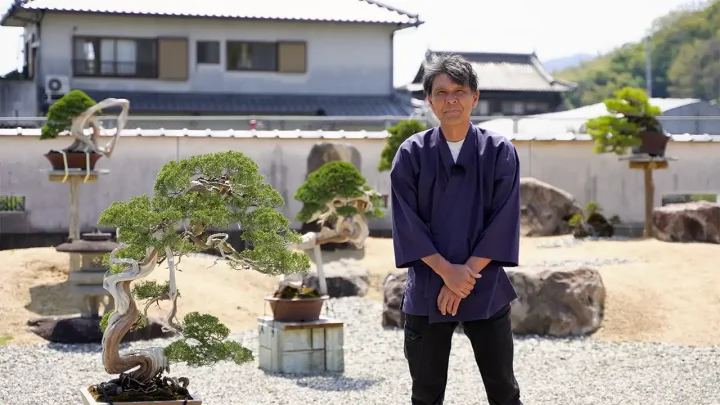
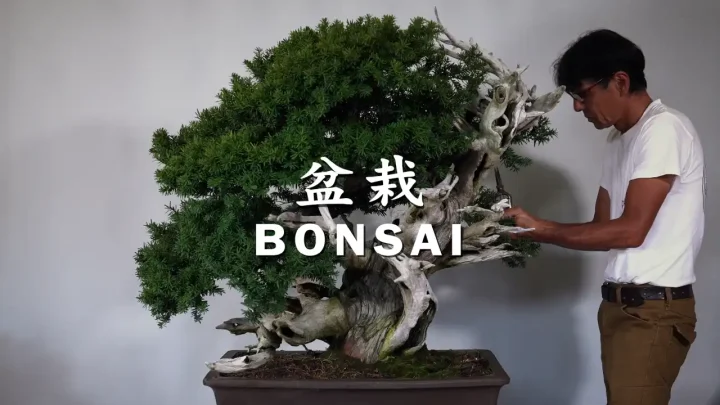
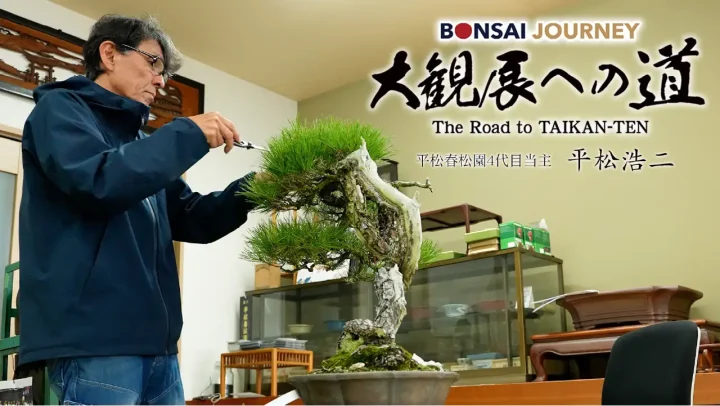
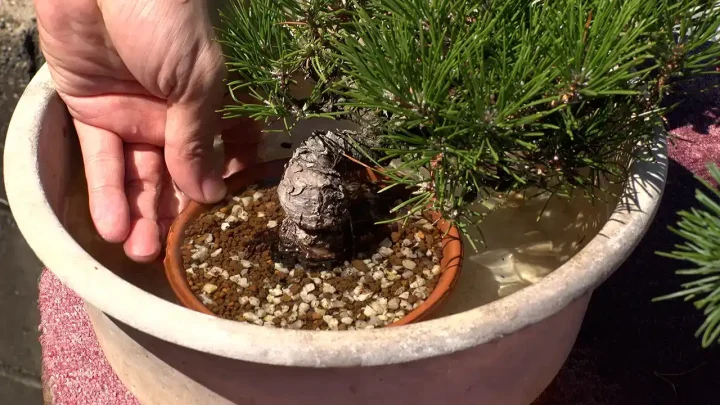
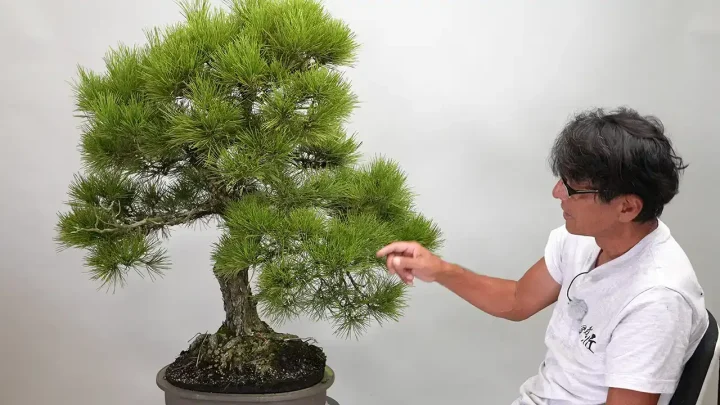
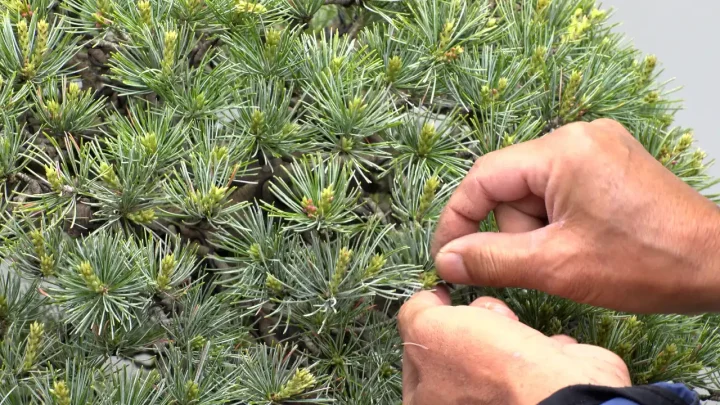
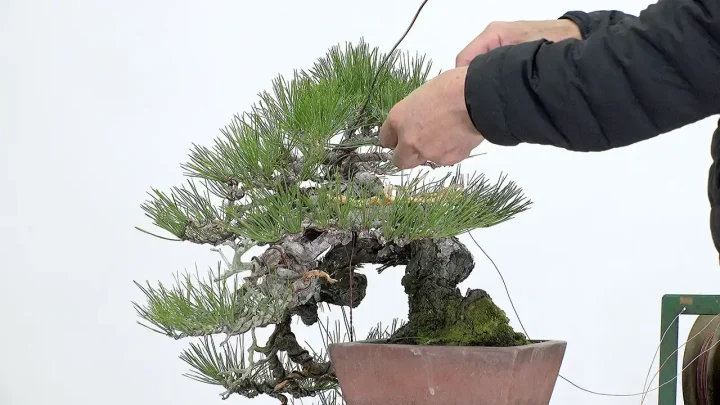
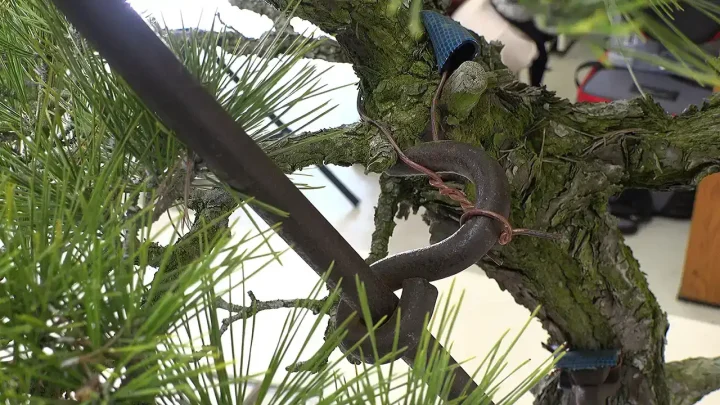
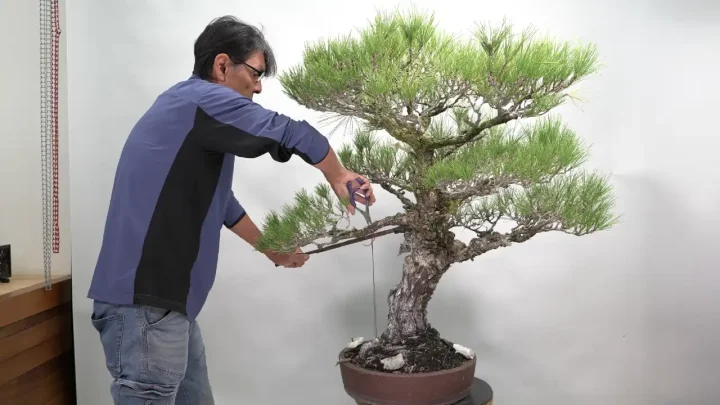
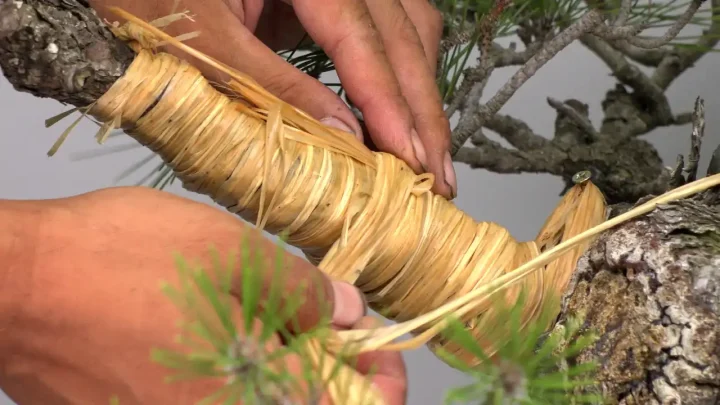
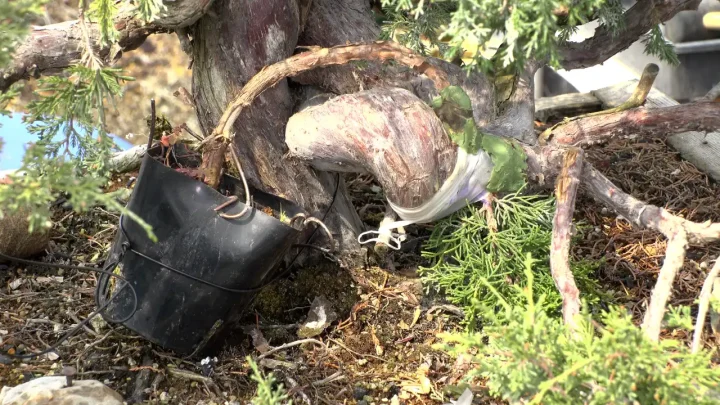
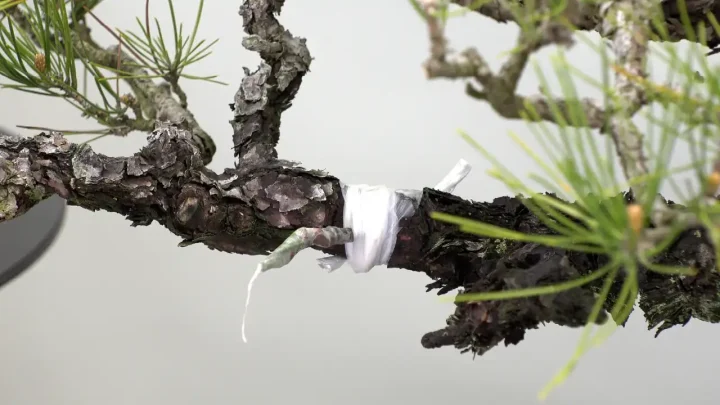
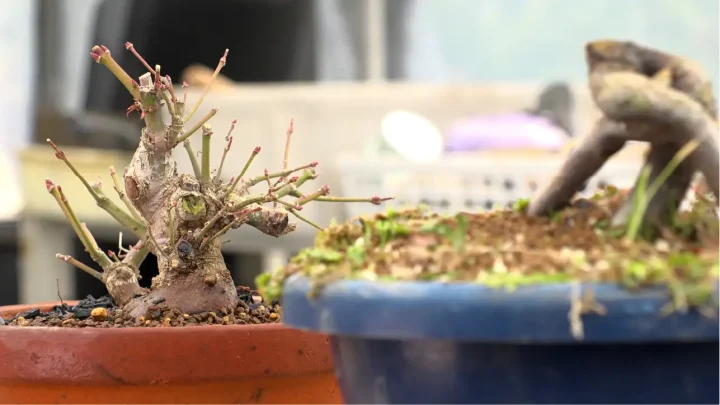
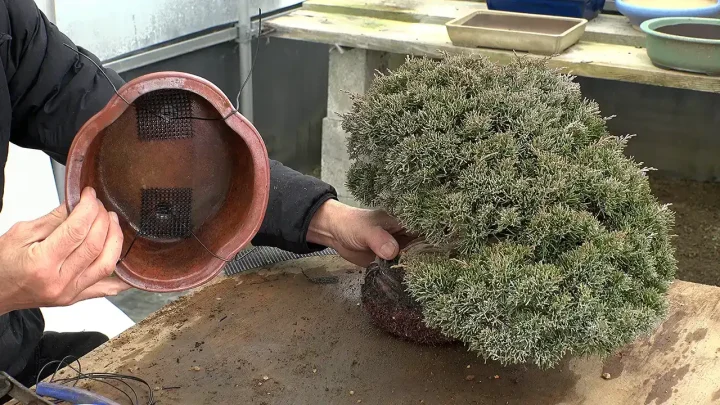
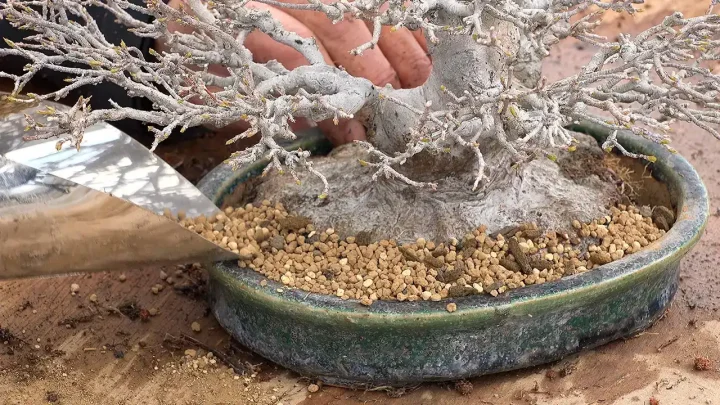
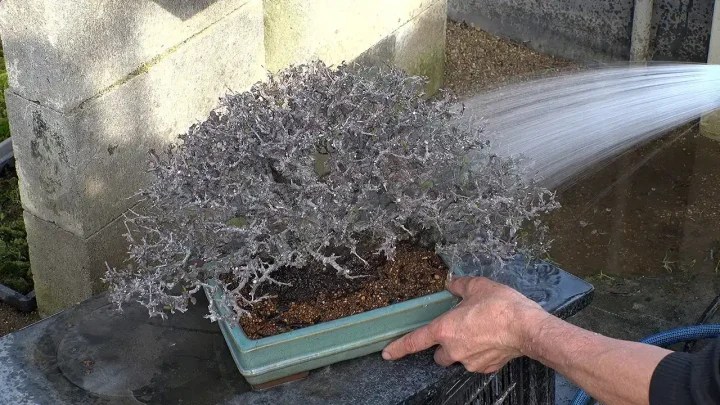
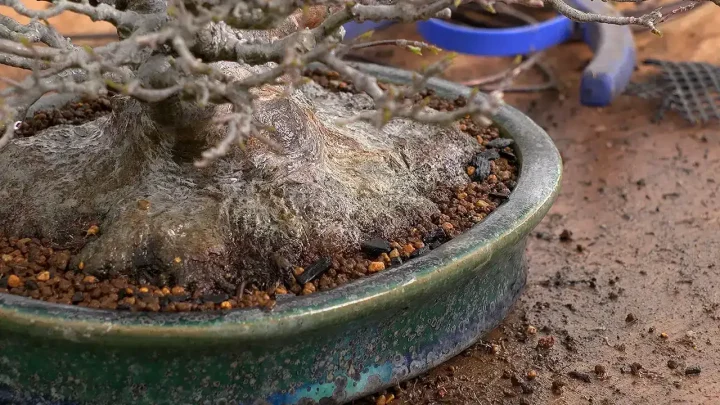
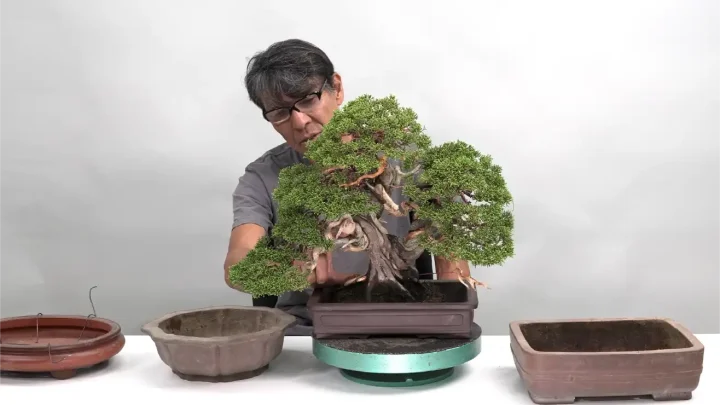
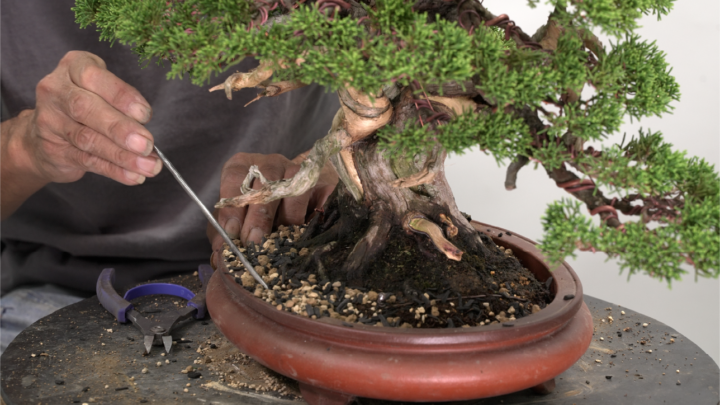
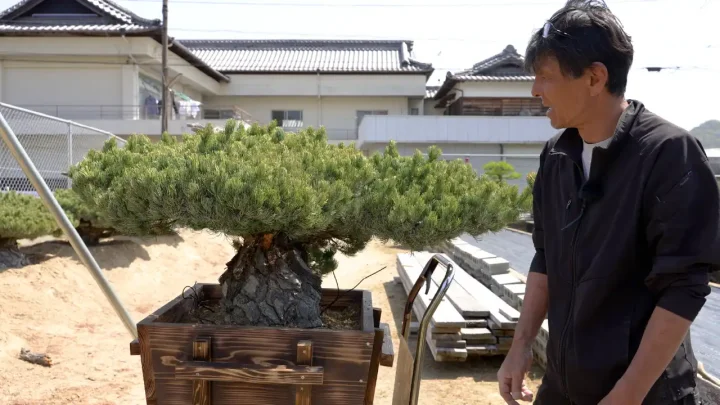
This is the day a Japanese White Pine — raised continuously for roughly seventy years since Koji Hiramatsu's father's time — is moved from the field into a training pot. Root Pruning carried out three years ago made today possible. Koji Hiramatsu and two students work carefully with a chain block to complete the Potting Up. It is not an arrival at completion, but a seam — a handoff to the next stage.
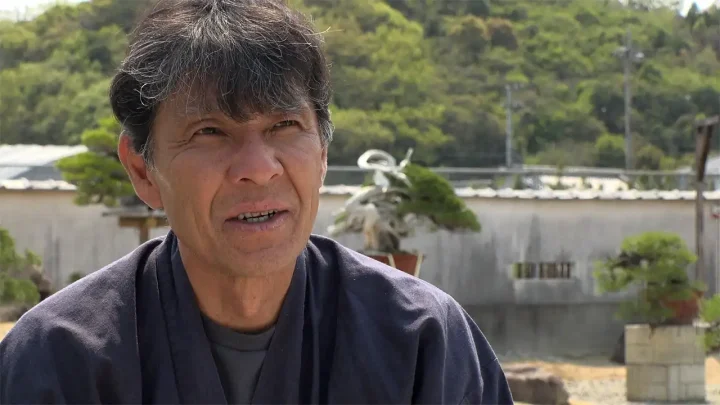
What does Koji Hiramatsu see when he looks at the Root Ball just lifted from its pot? There is a pause — as if he is first receiving the seventy-plus years this Japanese White Pine has lived, before turning to the condition of the roots in front of him.
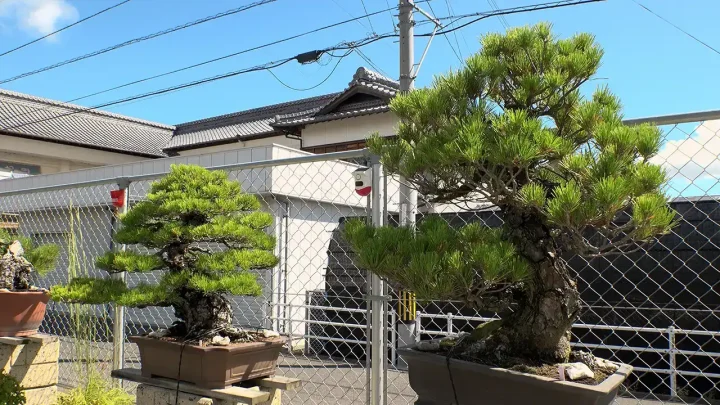
This is a tree that has been raised in the field since his father's time. It is heavy enough that a chain block is needed just to lift it. Moving a tree like this calls for a certain amount of preparation.
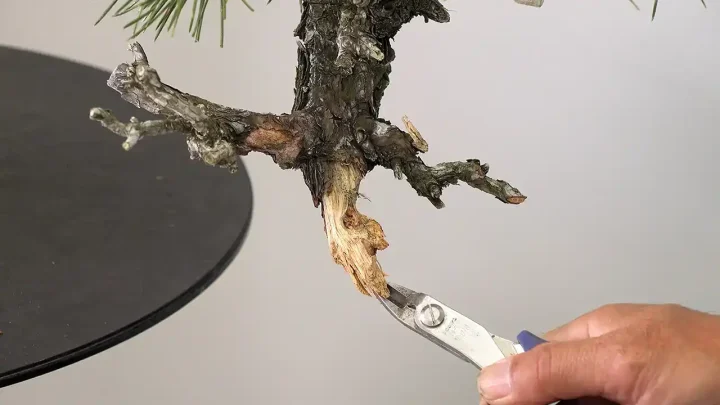
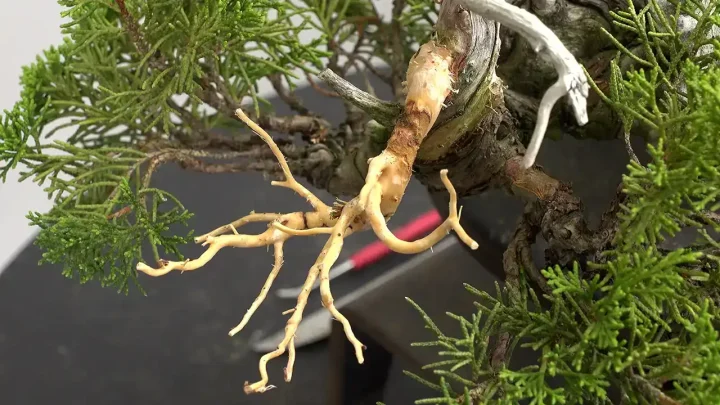
What made today's Potting Up possible was the Root Pruning carried out three years ago. The thick Bottom Roots were cut back, and then came the patient wait for Fine Roots to develop in the decomposed granite soil. Because that time was invested, today's Root Ball is relatively shallow and manageable.
Root Pruning is the work of creating future room while there is still time to do so. It is preparation for today, and also a stepping stone toward what lies further ahead — transplanting into the final bonsai pot. A single decision can open up or narrow the options available years down the line.
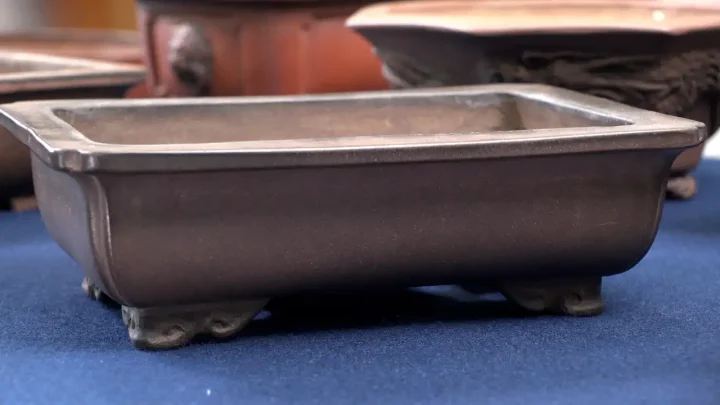
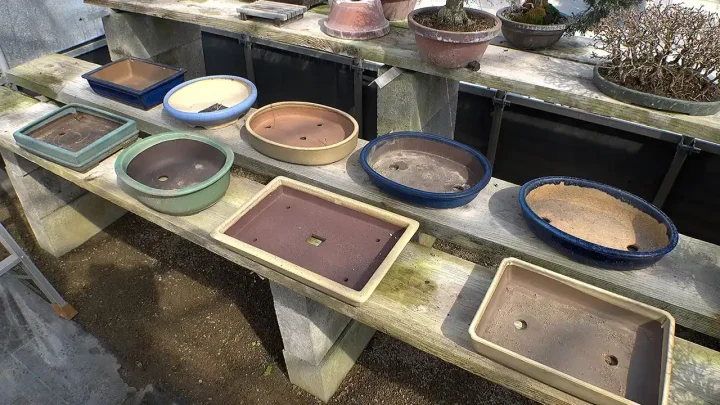
The training pot used this time is wooden, made to order. No ready-made ceramic pot existed in a size that suited this tree's Root Ball — so one was made in wood. That is all it is, and yet behind that decision lies a clear intention: to put root health before appearances.
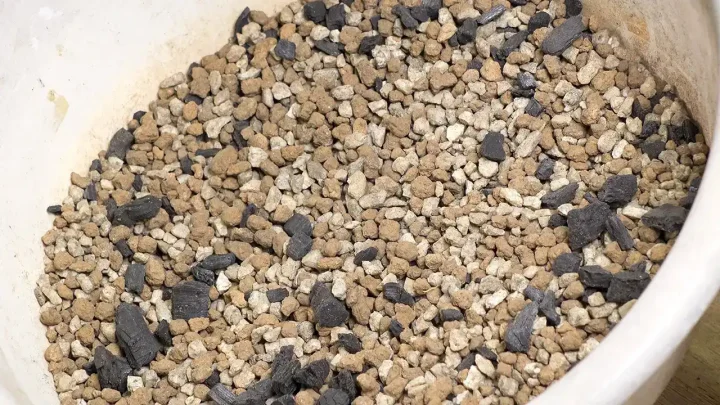
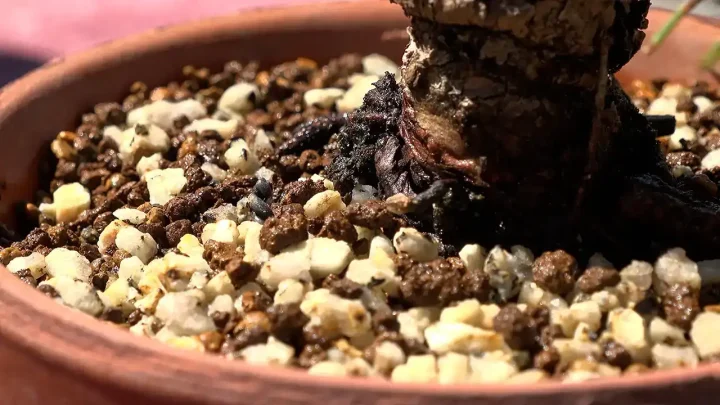
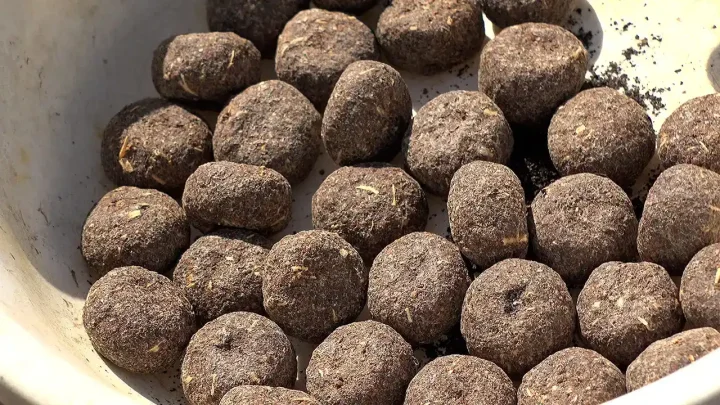
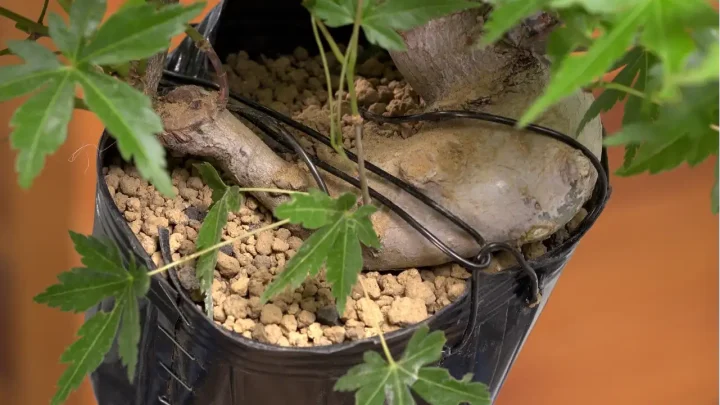
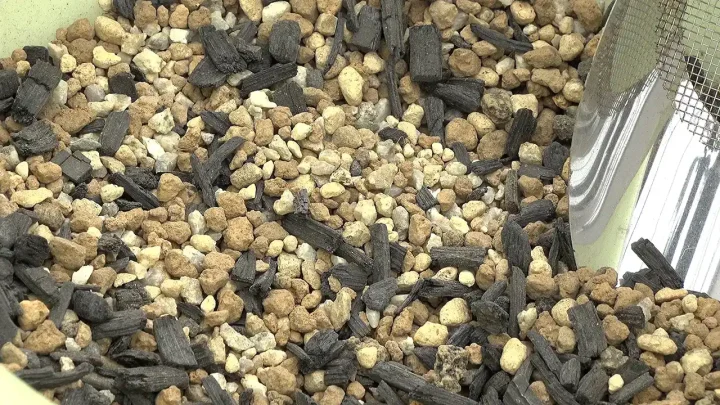
The same thinking runs through the soil mix. Hyuga pumice is laid at the bottom for aeration. Mountain Sand is blended with Akadama Soil to balance drainage and moisture retention. The proportions are a considered reading of what this tree will need over the next several years. During the development period, the condition of the roots comes before aesthetics.
When deciding the front at the training-pot stage, the approach is 'good enough for now.' That is not compromise. When the time comes to transplant into the final pot, the question of the front will be asked again. The reason is that this Potting Up is understood to be nothing more than preparation for that moment.
Seventy years of time received from the father's generation is moved into a wooden pot and passed on to the next stage. Not a completion — a seam. Perhaps growing bonsai means standing in that kind of place, again and again.
The journey of "Master: “Fune”" begins with member registration.
Begin the Journey