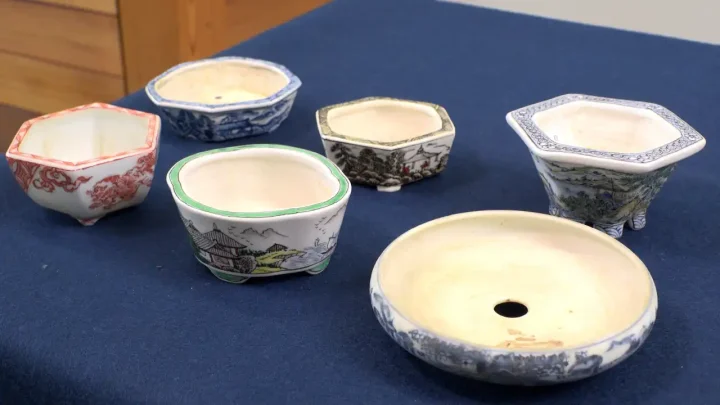
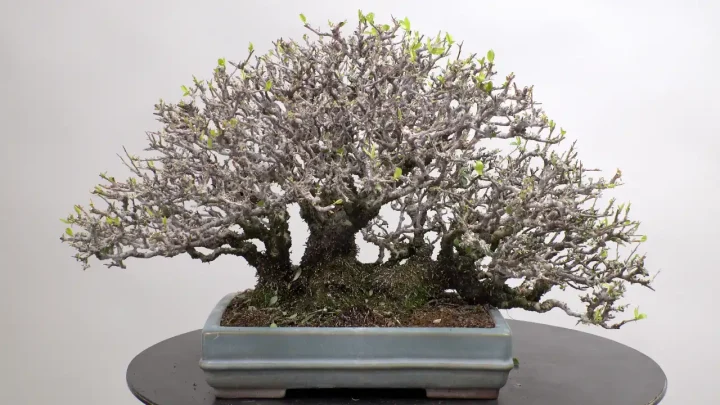
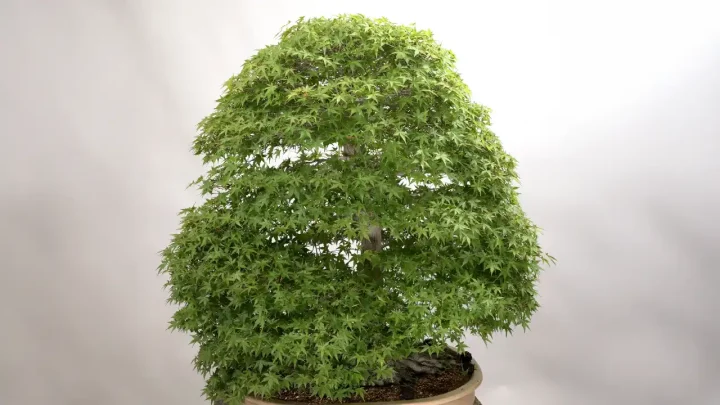
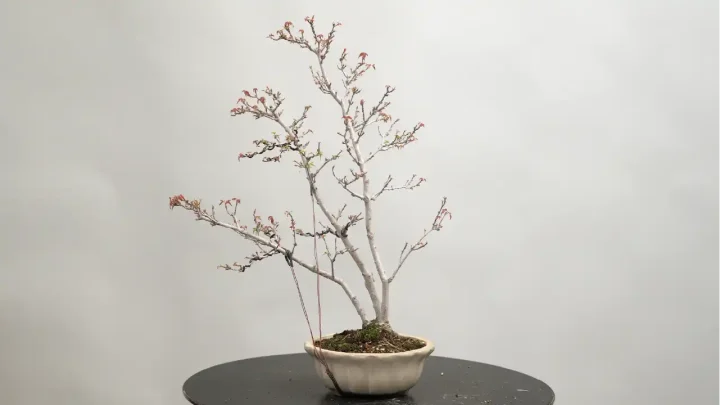
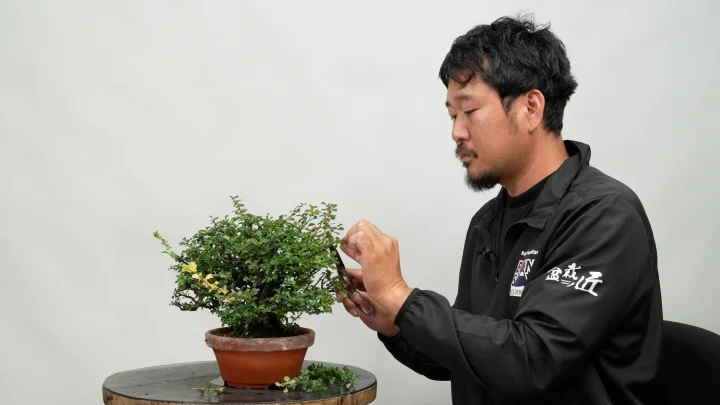
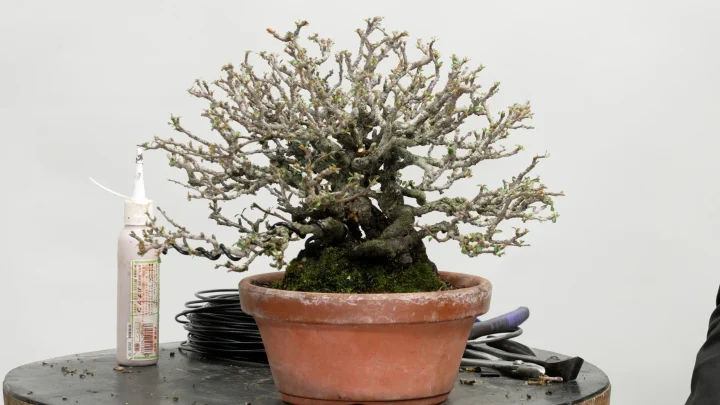
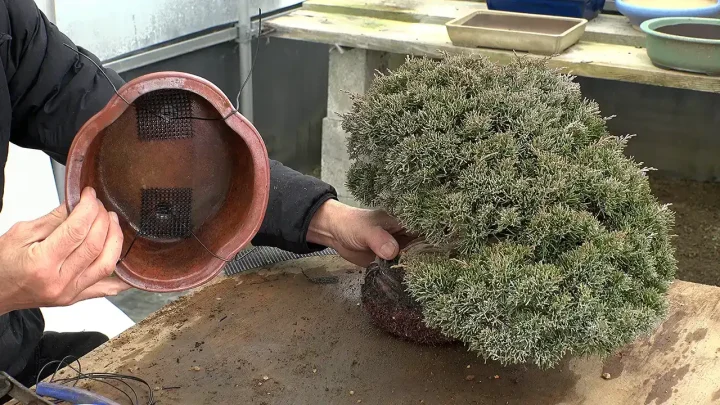
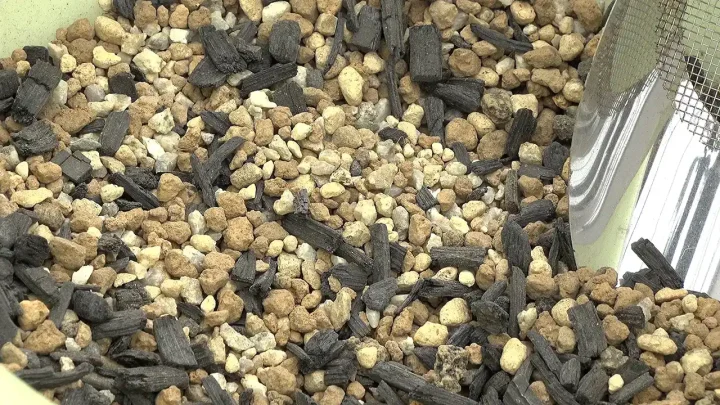
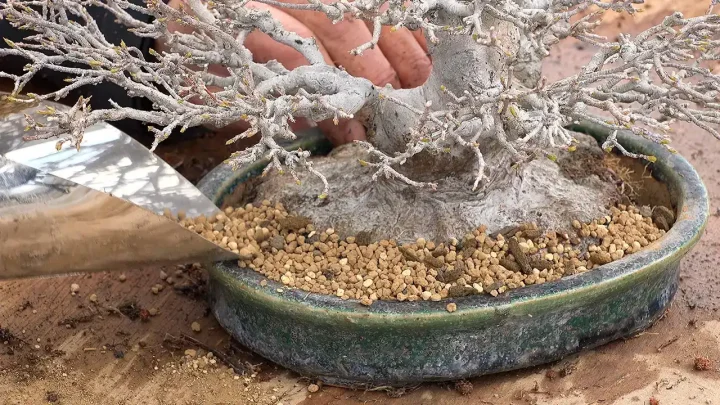
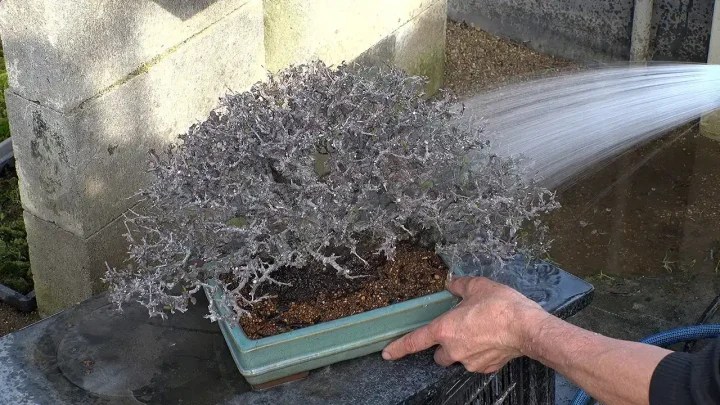
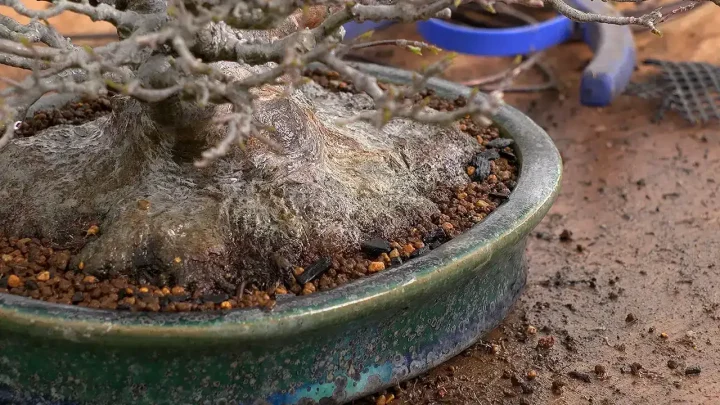
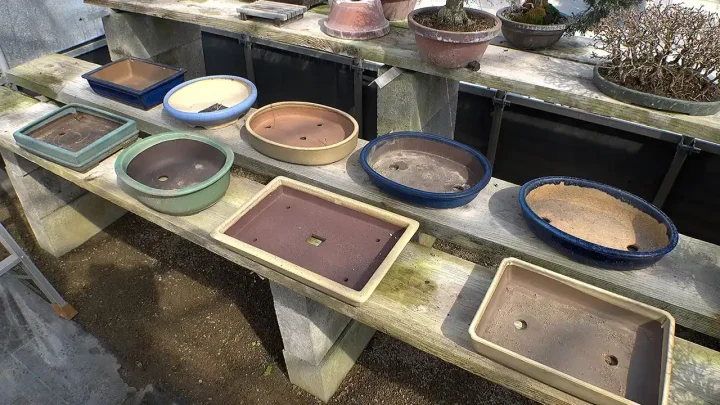
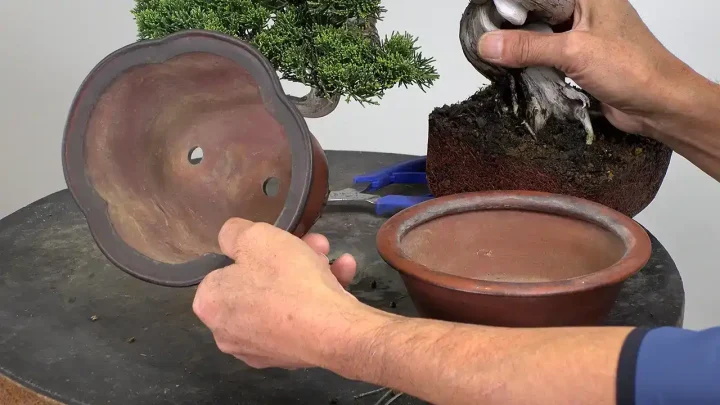
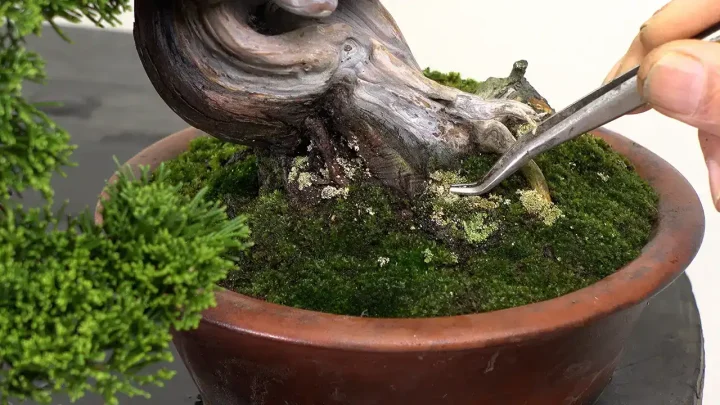
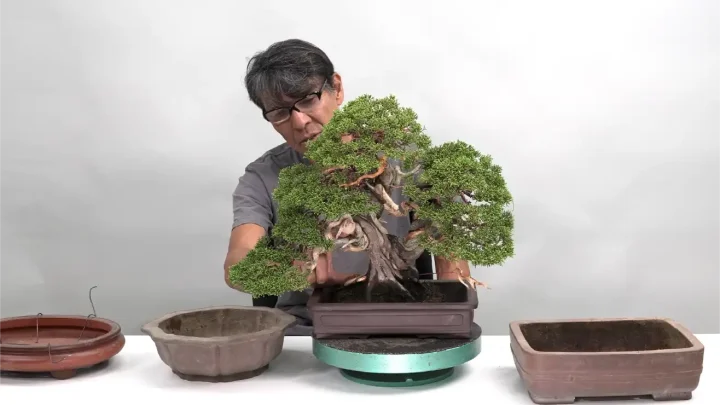
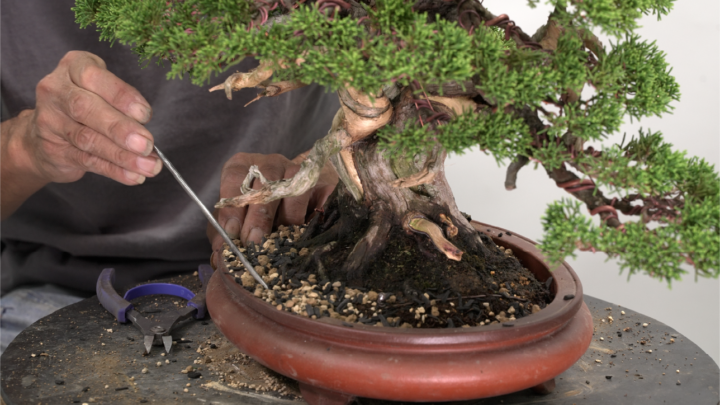
Why choose a Glazed Pot for deciduous trees — Japanese Maple and Maple? With various pots in hand, we consider how the form and color of each — Rectangular Pot, Oval Pot, round, painted — draws out the character of the tree. The questions around Pot Matching deepen, little by little.
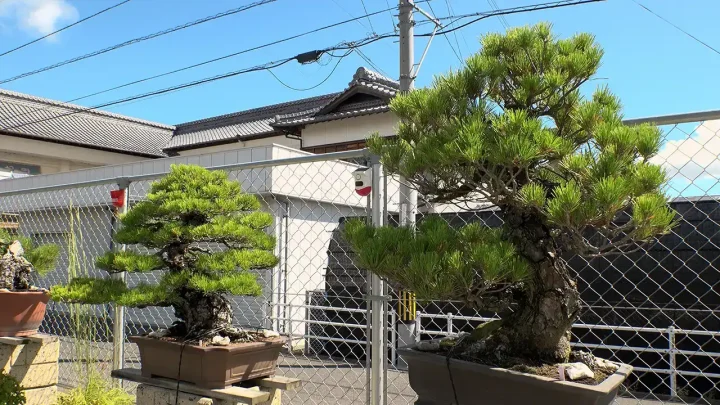
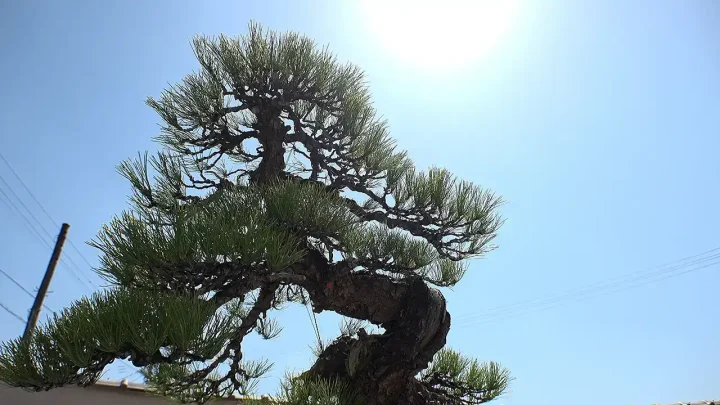
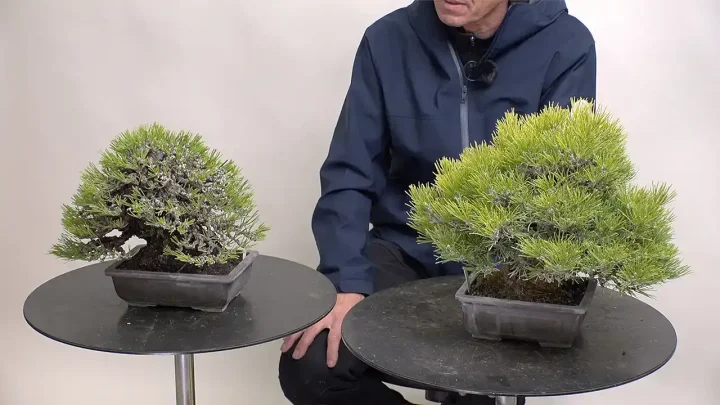
Unglazed Pot for Conifers (Shohaku-rui), Glazed Pot for Deciduous Trees (Zoki-rui) — this is one of the first principles you encounter in bonsai. But have you ever stopped to think deeply about why?
A pot is not a container for storing a tree.
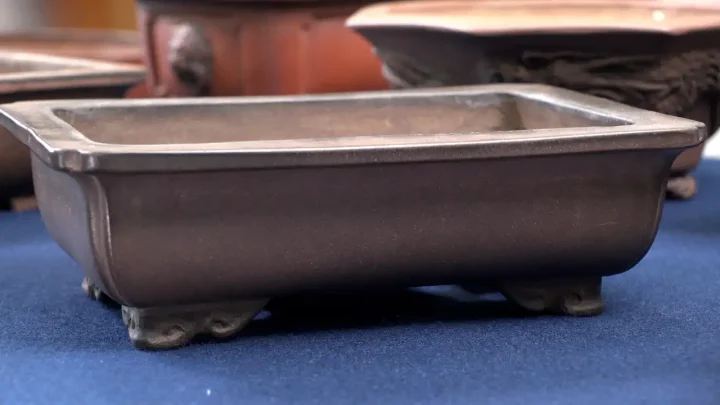
Choosing a shallow oval form is a way of conveying to the viewer the strength of roots spreading across the ground. A rectangular shape supports the grounded weight of an Informal Upright Style tree; a round form receives the flow of a Cascade Style. The soft contour of a Mokko-shaped Pot can lend a singular dignity to a single tree. With every change of form, the pot exists as a continuation of the tree's expression.
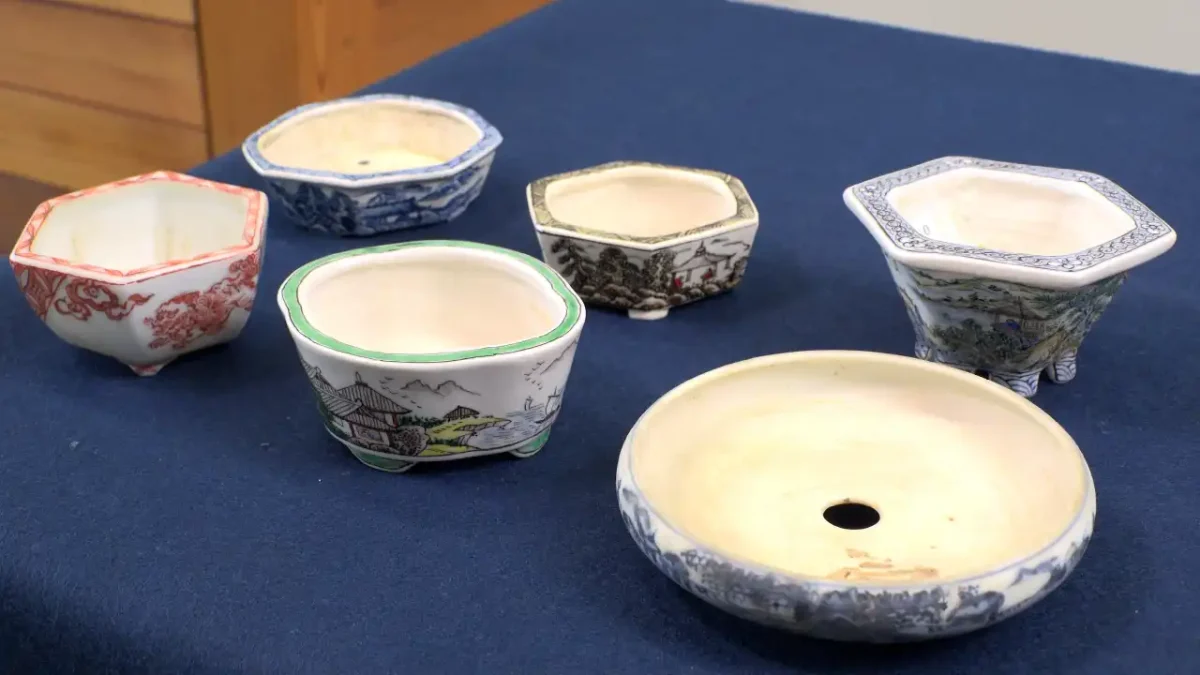
Blue and white Glazed Pots suit Deciduous Trees (Zoki-rui) because they lend an added 'voice' to the tree's sense of season and movement. Just as an Unglazed Pot draws out the stillness of Conifers (Shohaku-rui), a Glazed Pot brings the lively expression of deciduous trees to life. Pot and tree are, in a sense, choosing each other.
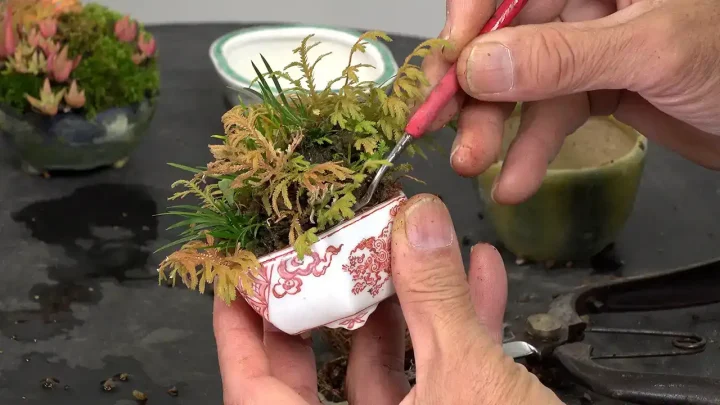
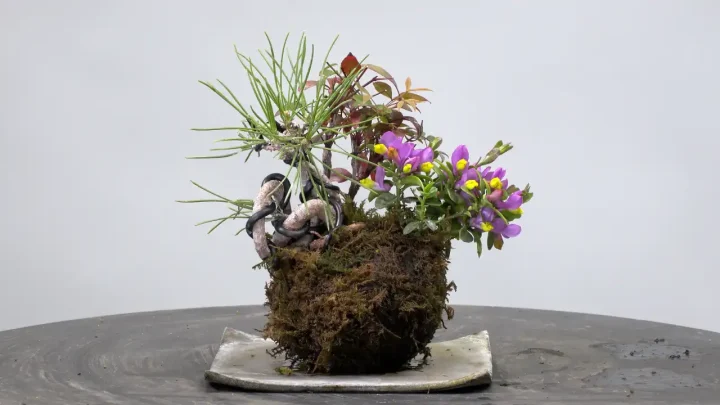
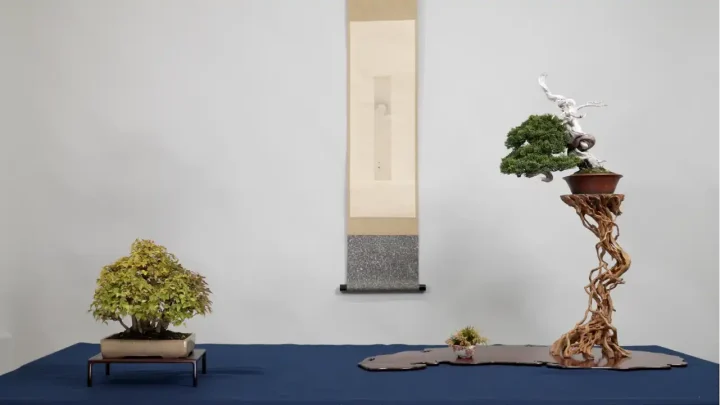
When arranging multiple pots in a seven-point display, neither form nor color need match. Adding a single painted pot changes the brightness of the display as a whole. A small painted pot placed beside an Accent Plant (Kusamono) can quietly transform the atmosphere of the entire setting.
Perhaps what you are choosing is not a single pot, but the atmosphere of the whole space.
'I hope you will enjoy choosing pots that resonate with your own sensibility' — the distinction between colors, the correspondence between form and tree shape. That much can be taught. What lies beyond is left open intentionally, as a space for each person's own sensibility to move.
Not handing over an answer is what allows for a deeper engagement. Knowing form, transcending form, and returning to form again — that journey continues quietly, each time you hold a pot in your hands.
The journey of "Master: “Fune”" begins with member registration.
Begin the Journey