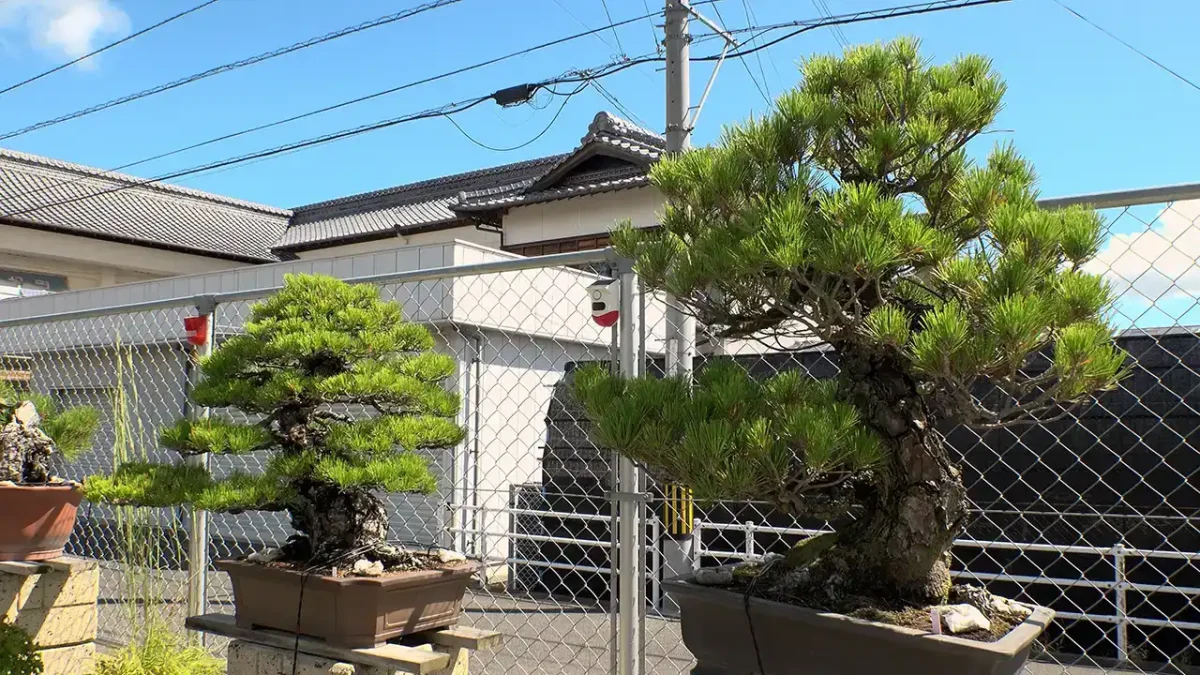
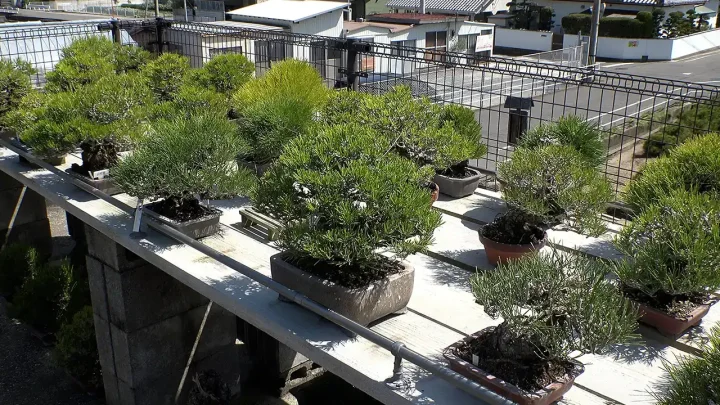
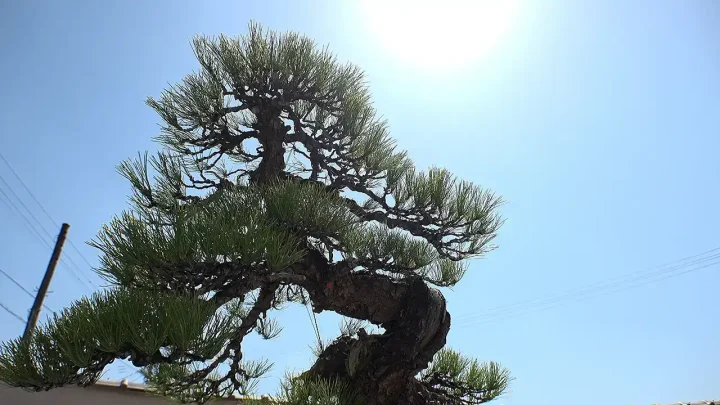
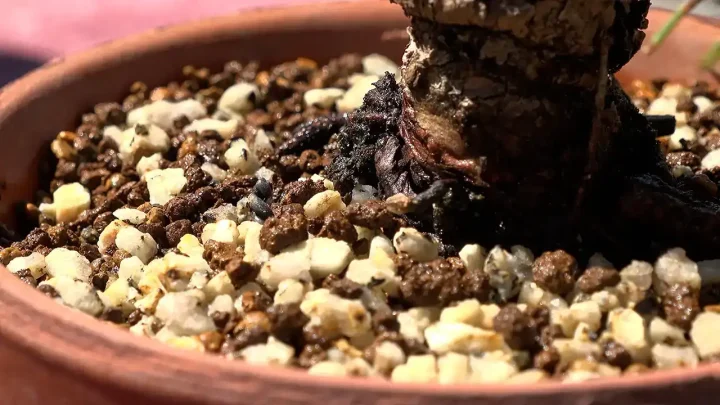
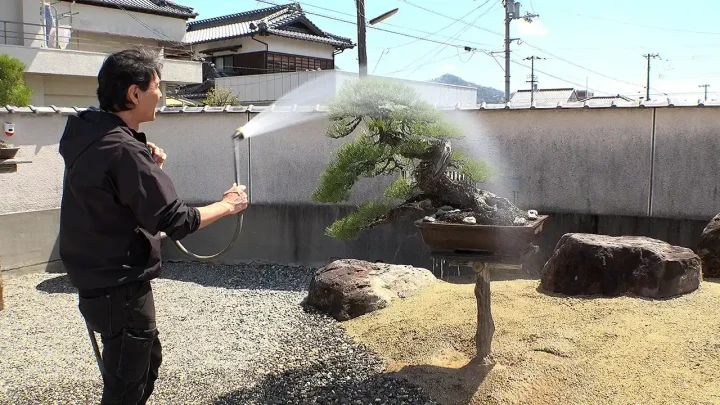
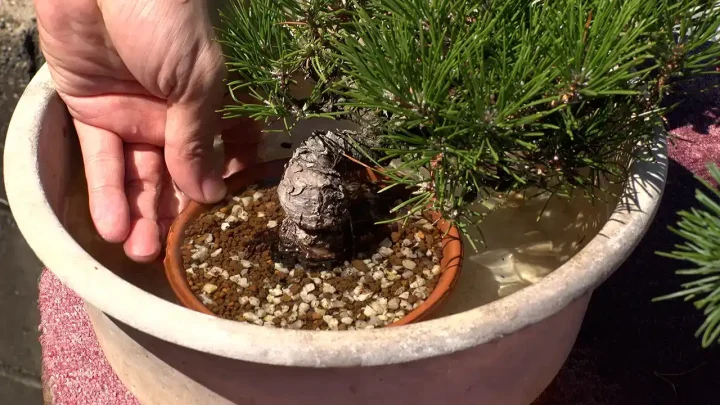
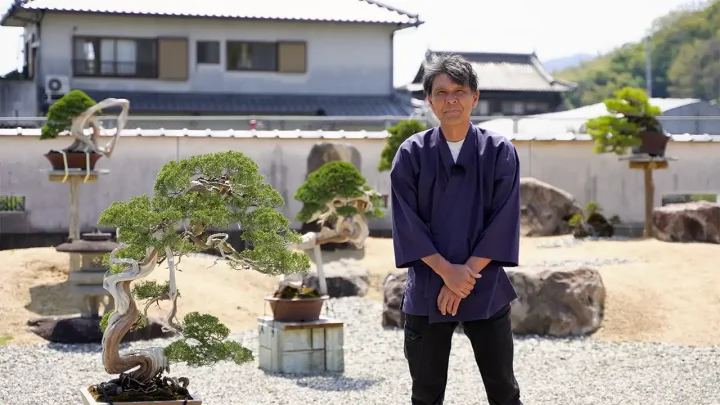
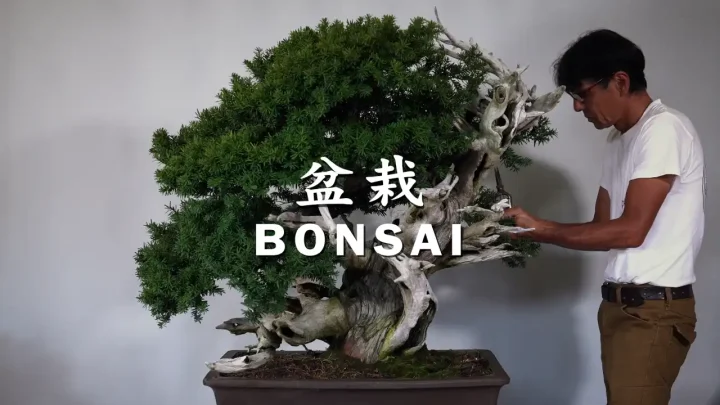
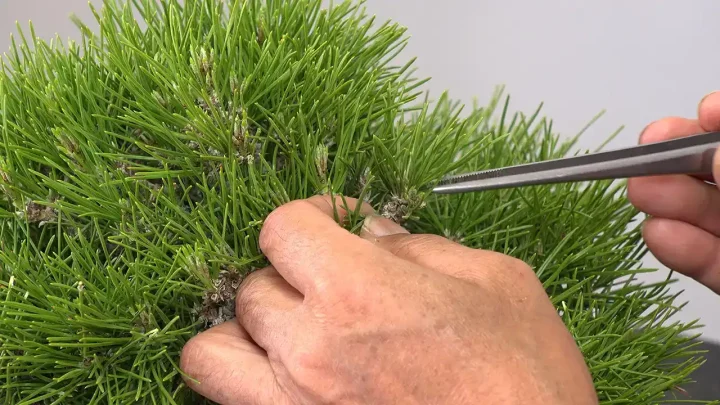
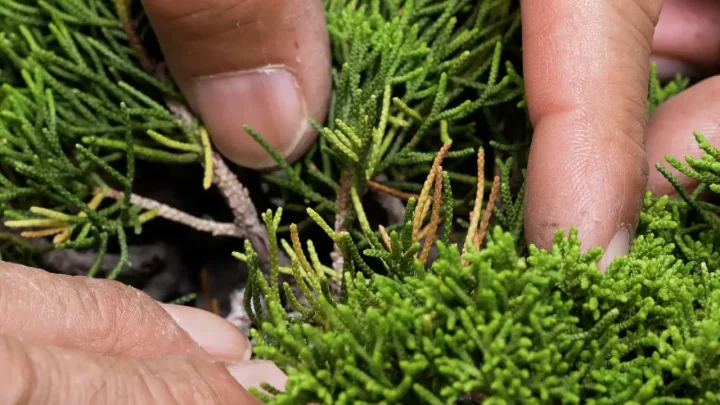
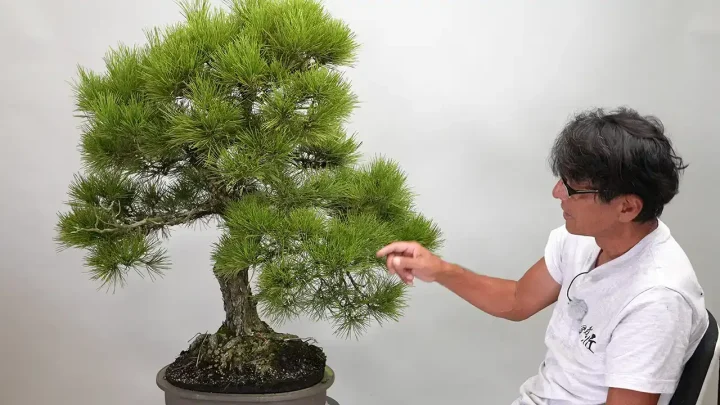
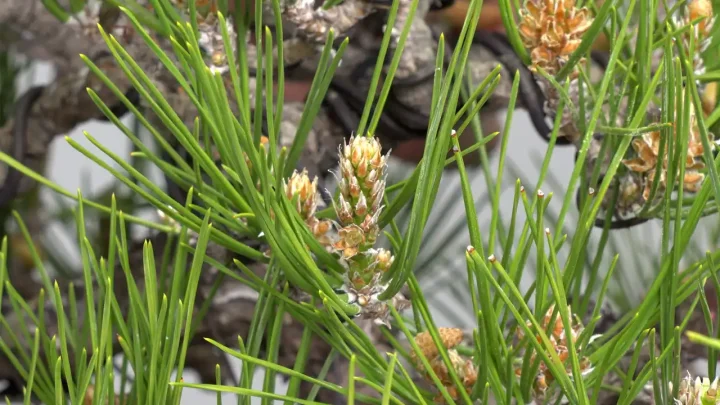
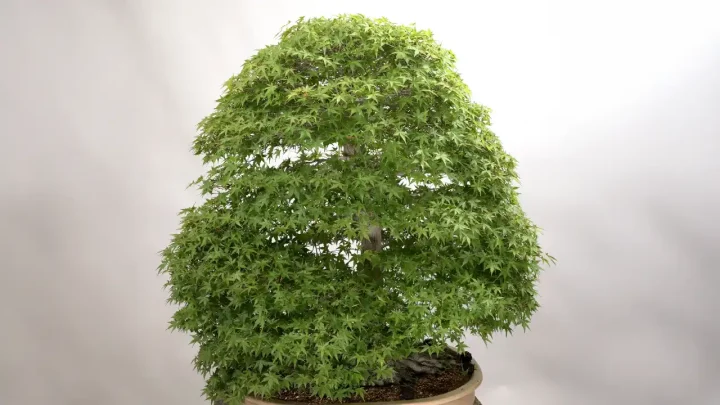
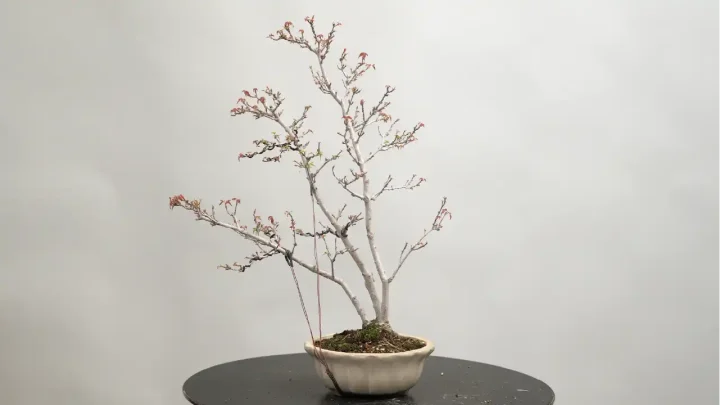
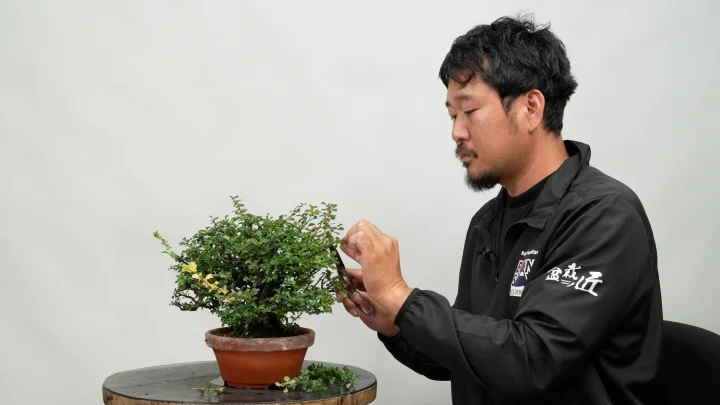
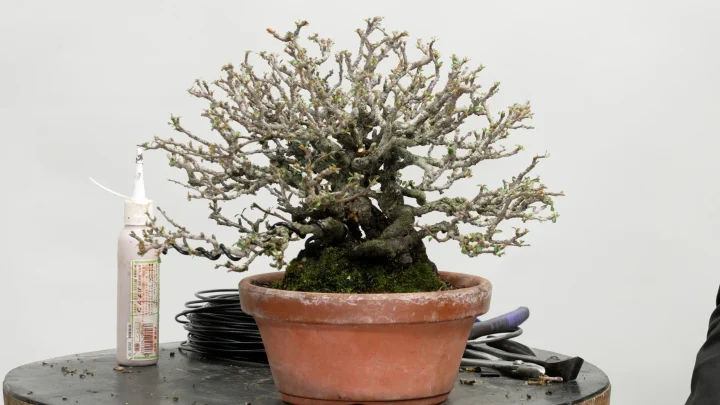
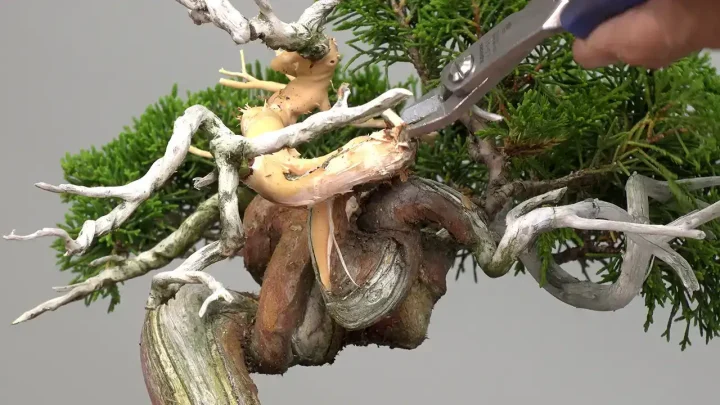
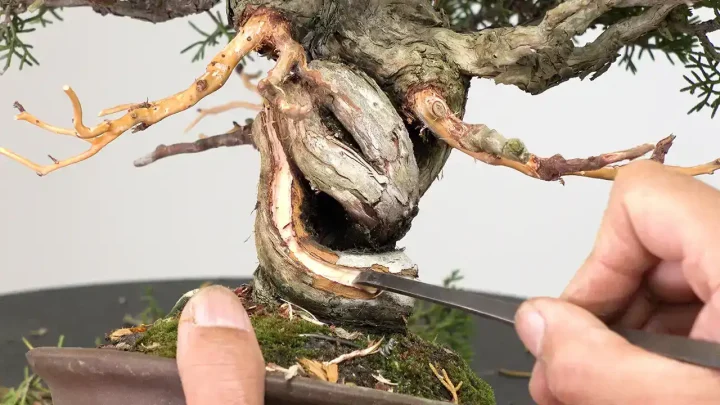
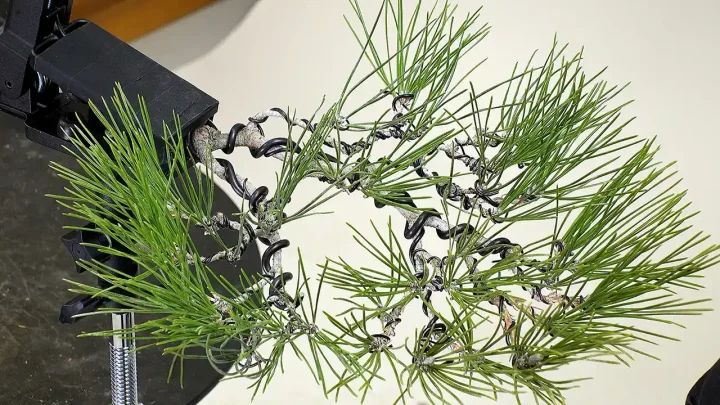
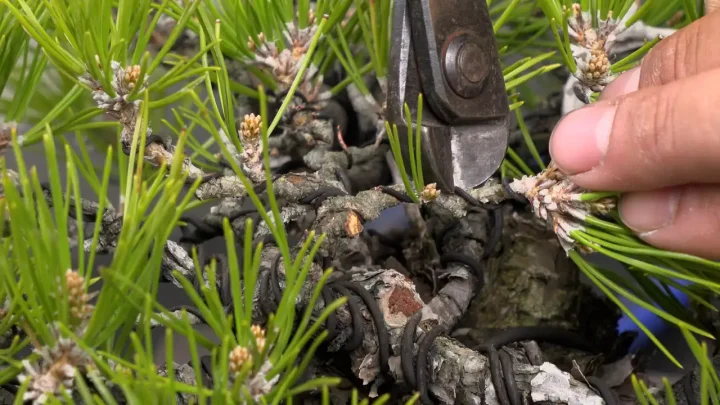
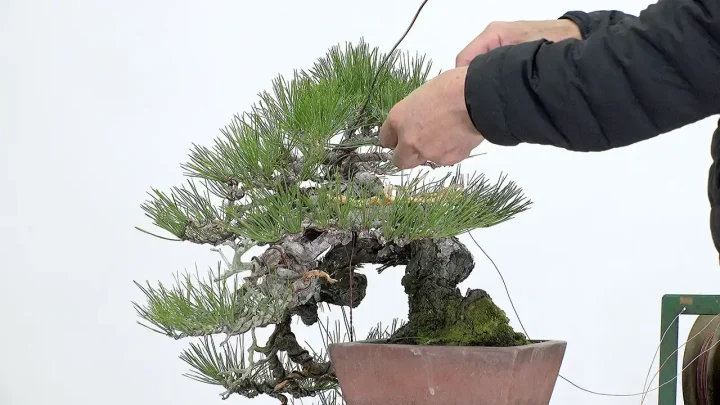
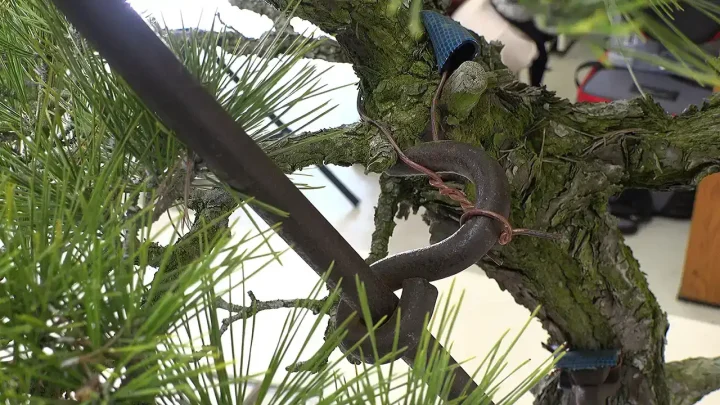
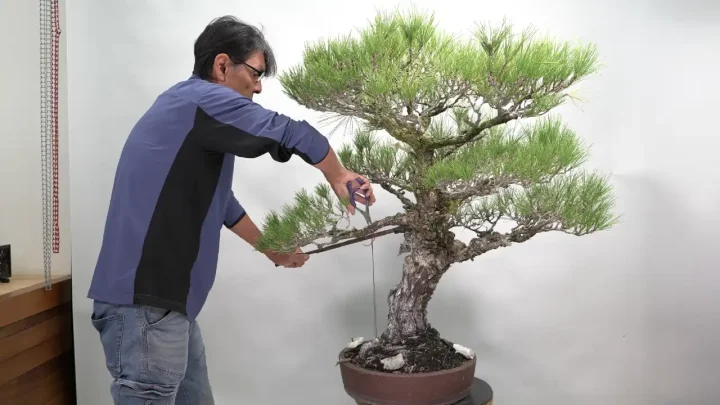
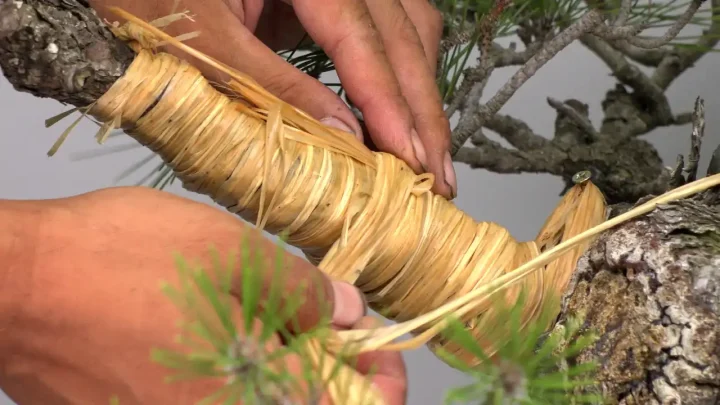
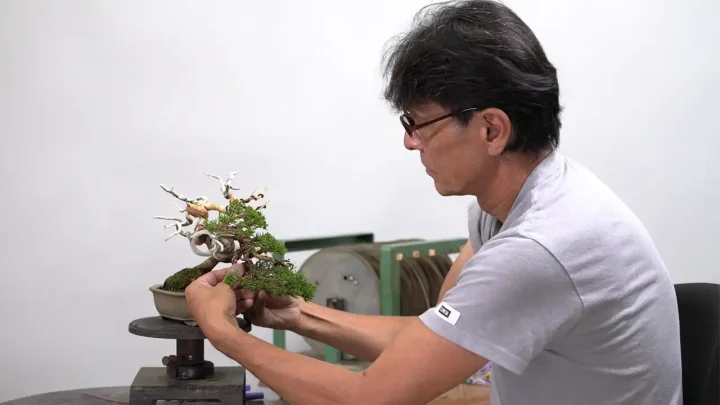
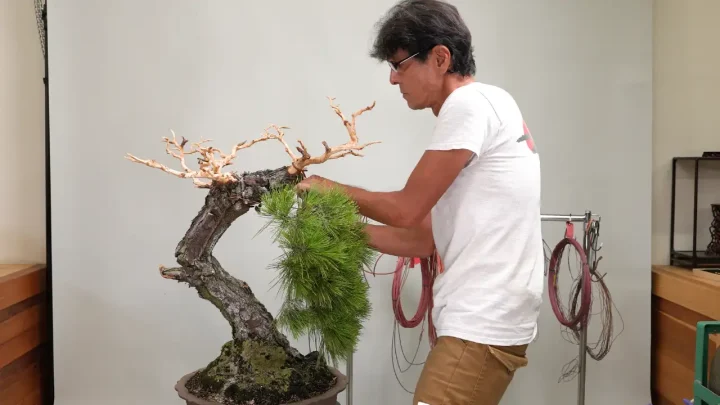
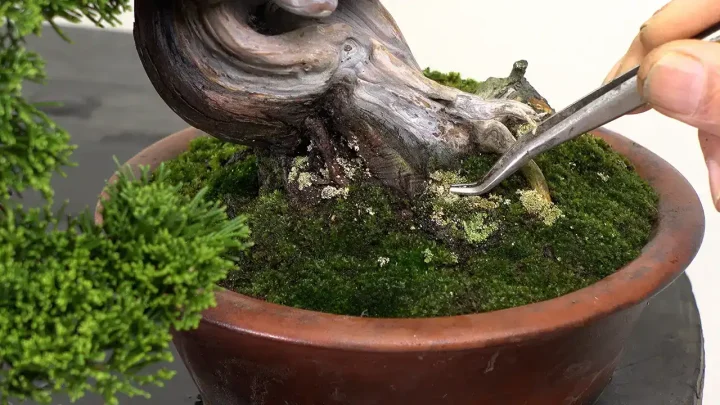
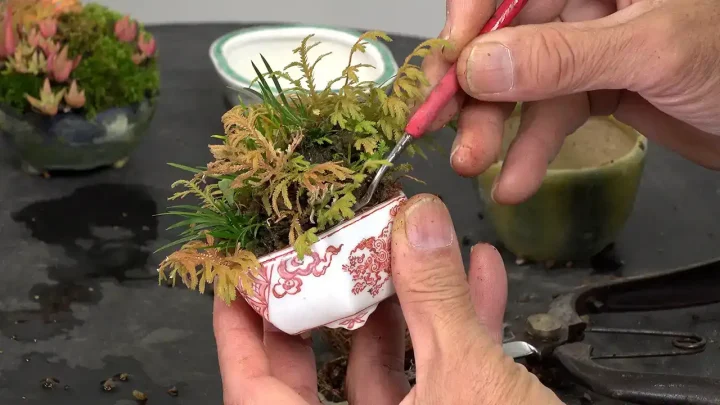
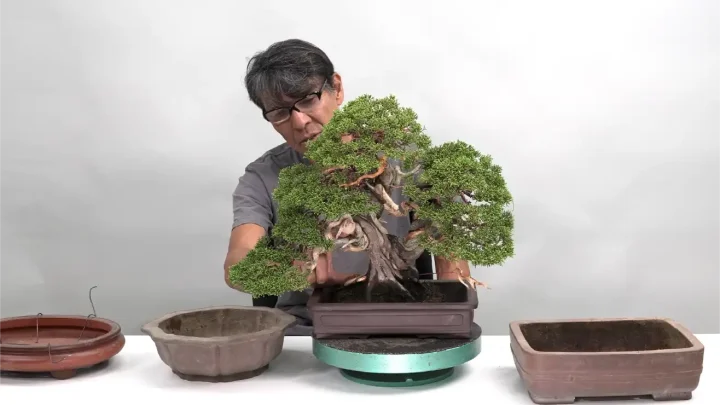
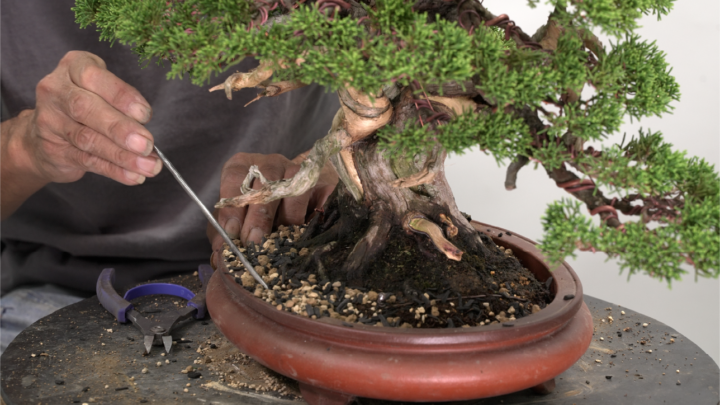
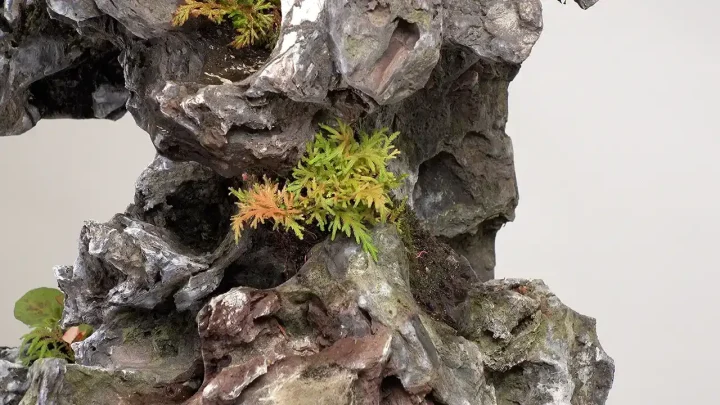
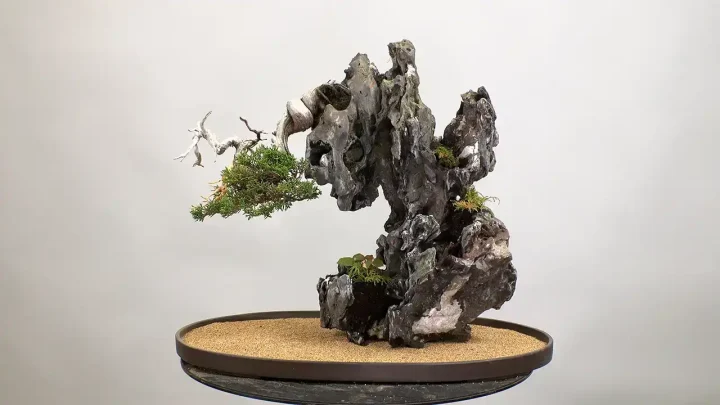
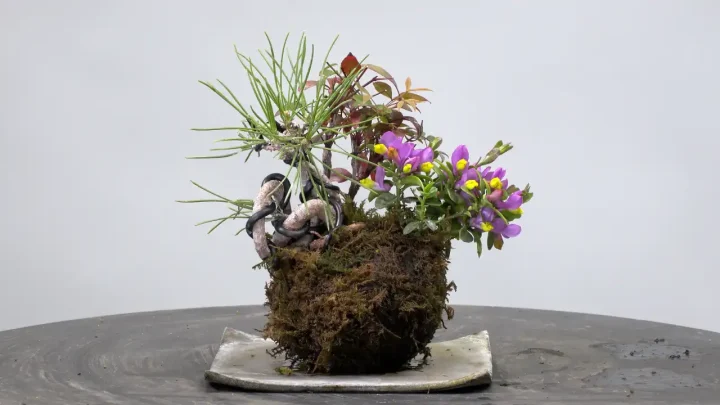
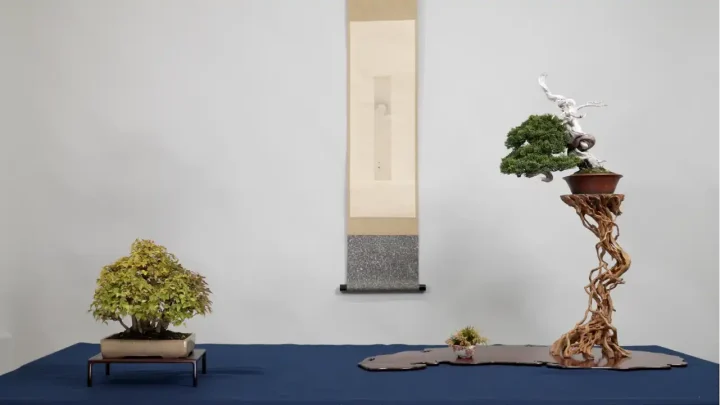
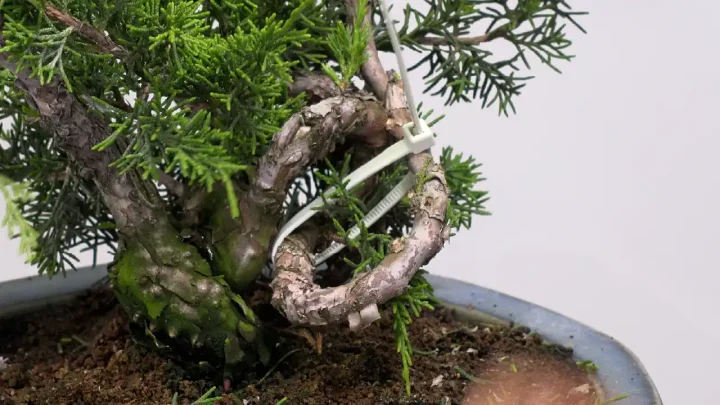
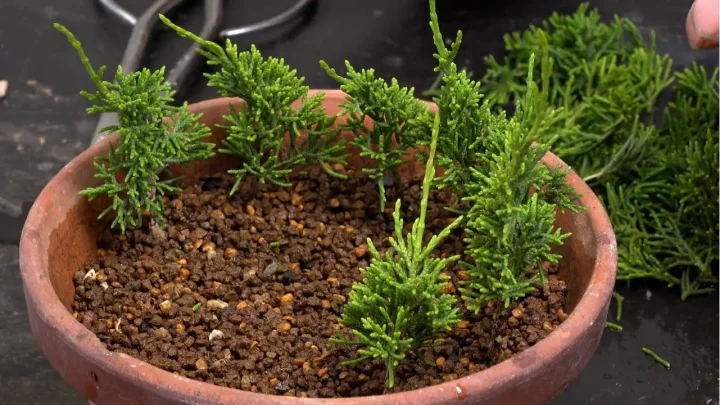
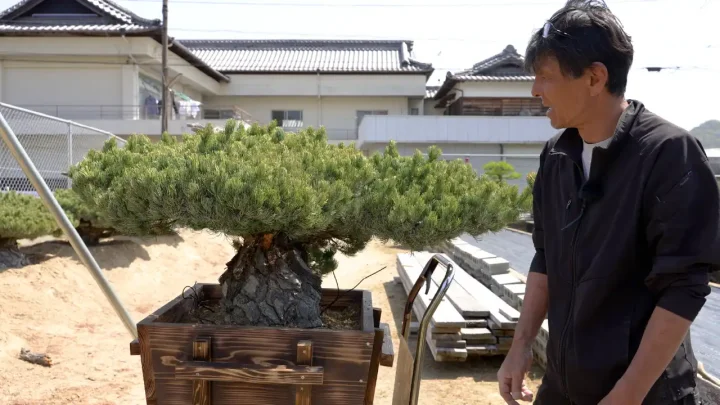
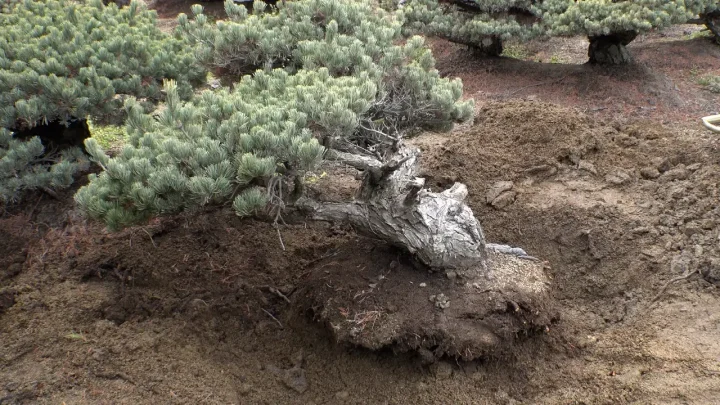
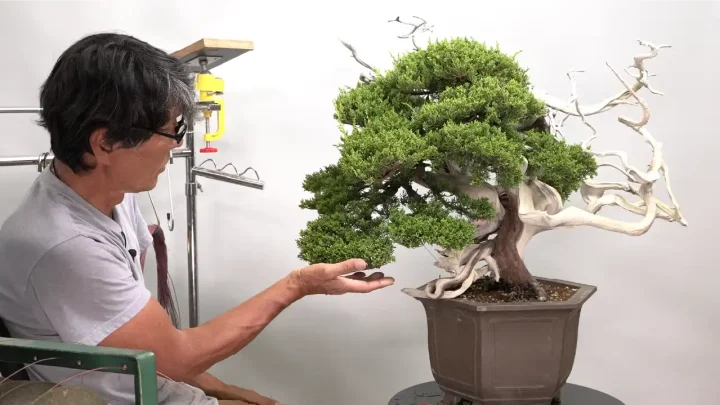
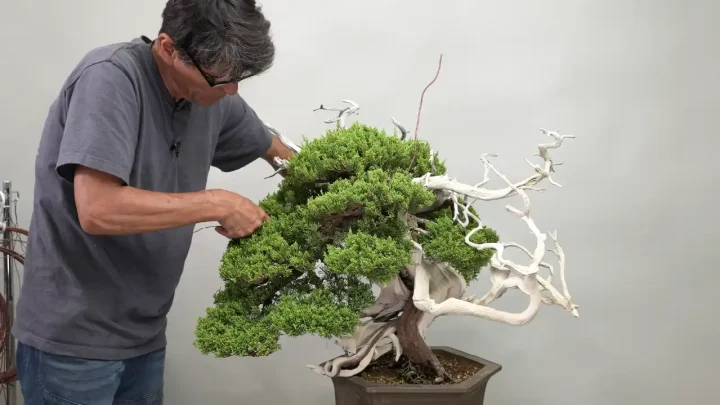
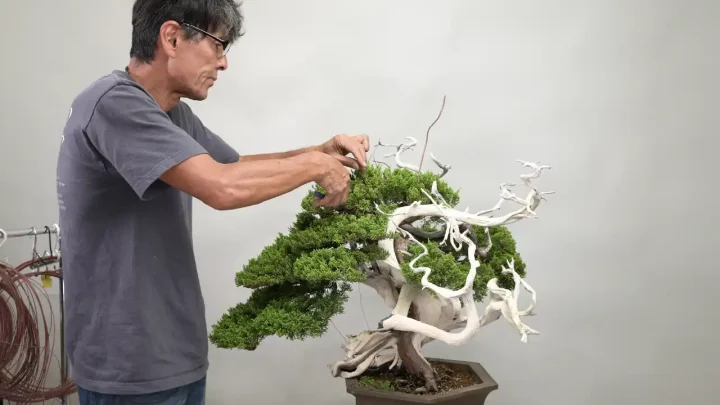
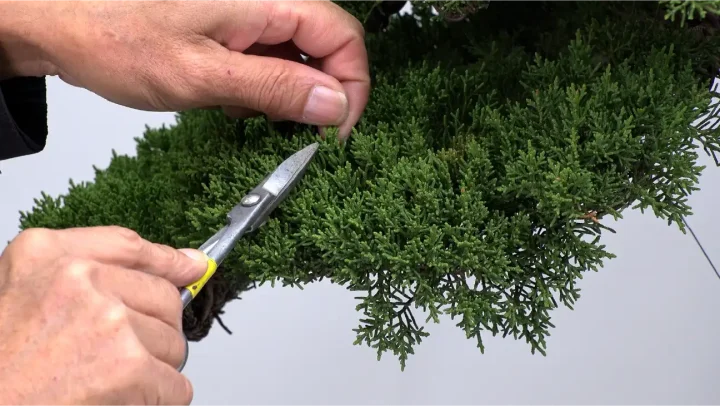
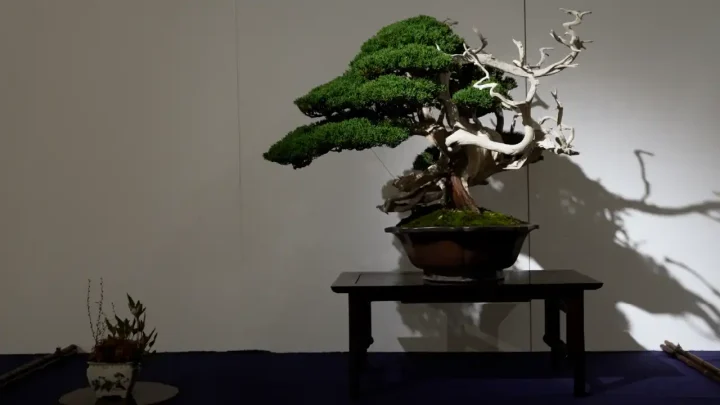
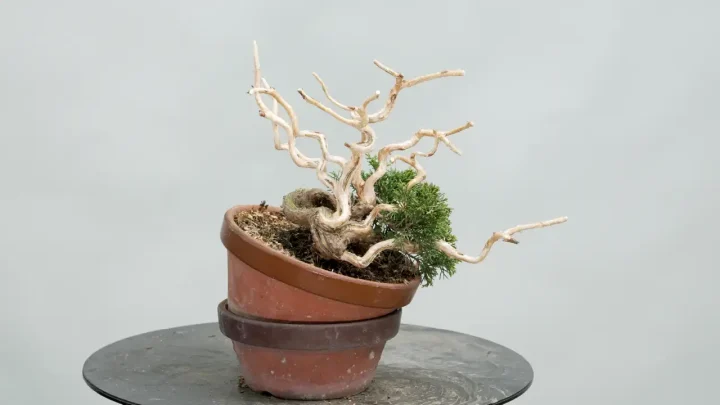
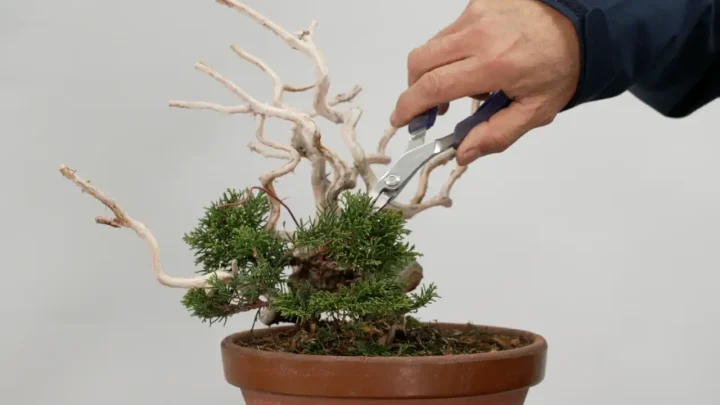
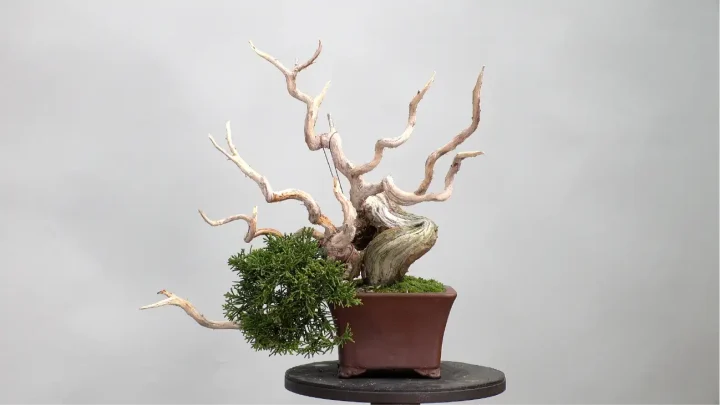
From Japanese Black Pine and Shimpaku Juniper to deciduous trees, we look at the types of bonsai and their fundamental tree forms alongside the actual trees themselves. Informal Upright Style, Cascade Style, Clump Style — when you have a name for something, the tree before you begins to look different. Which form draws you in: that is where your bonsai journey begins.
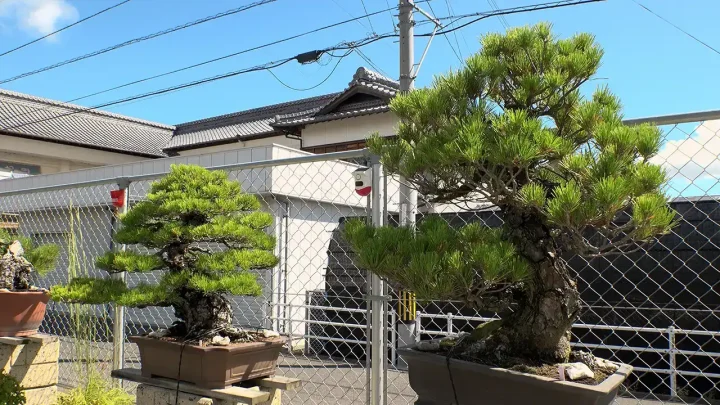
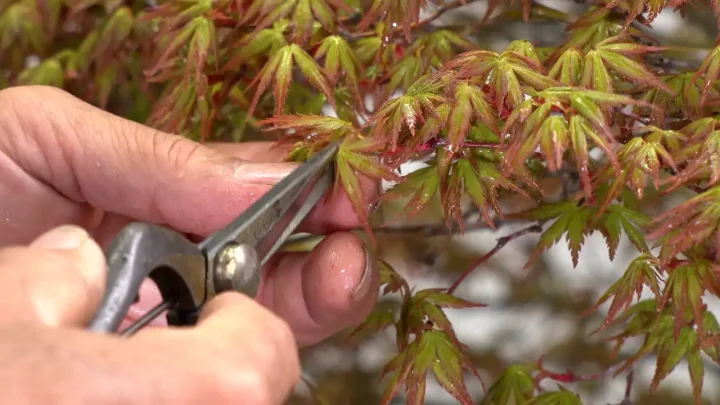
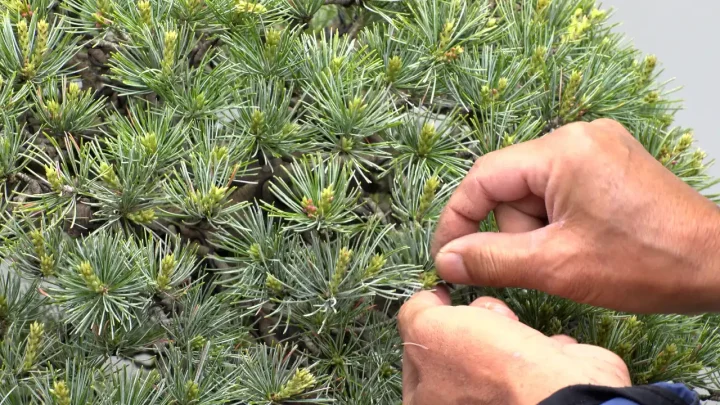
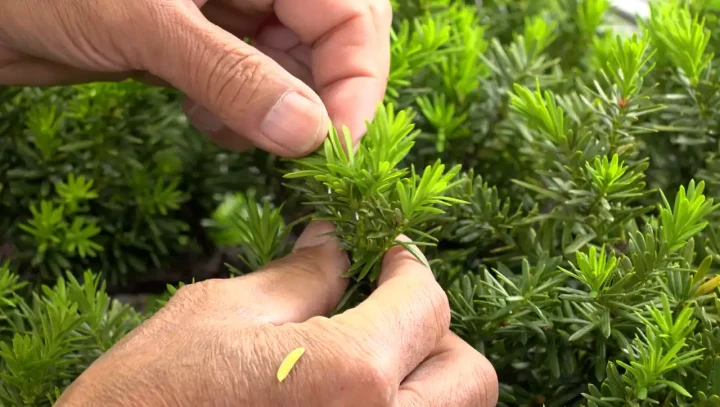
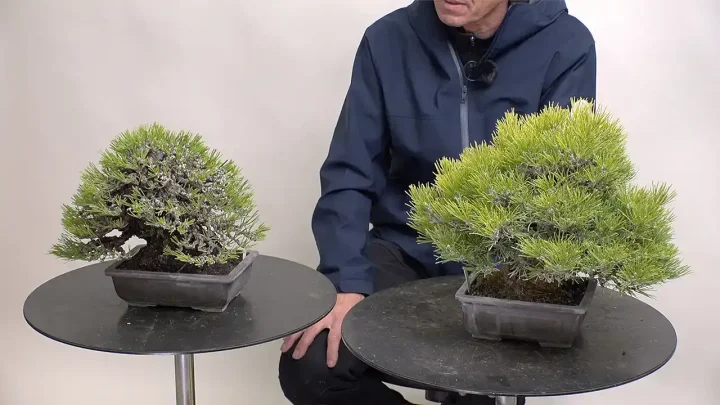
Conifers (Shohaku-rui), Deciduous Trees (Zoki-rui), flowering trees, fruiting trees, Accent Plants (Kusamono) — the world of bonsai holds many categories that pass us by unnoticed if we don't know them. When a Japanese Black Pine and a Japanese White Pine stand side by side, without knowing their names we simply lump them together as 'pine' and move on.
In the presence of the actual trees, names are offered one by one. Not as knowledge to be stored, but as words that change the way you see — the moment a name belongs to you, the tree before your eyes may look just a little different.
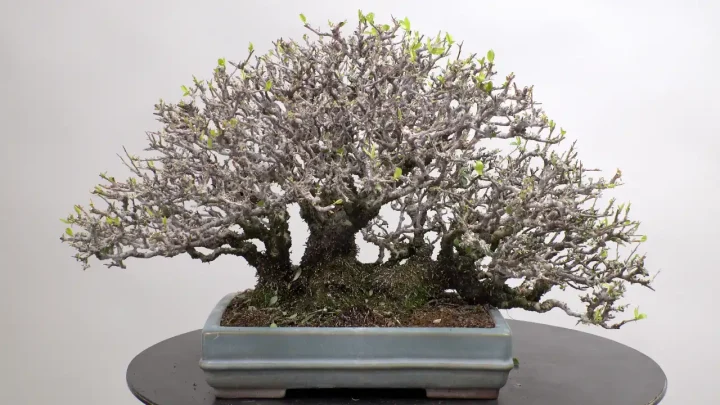
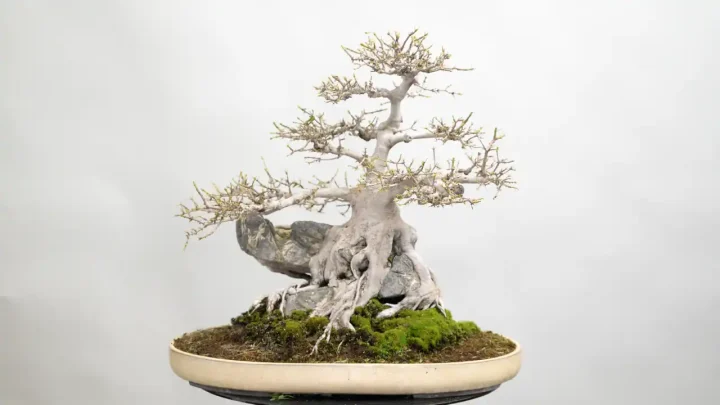
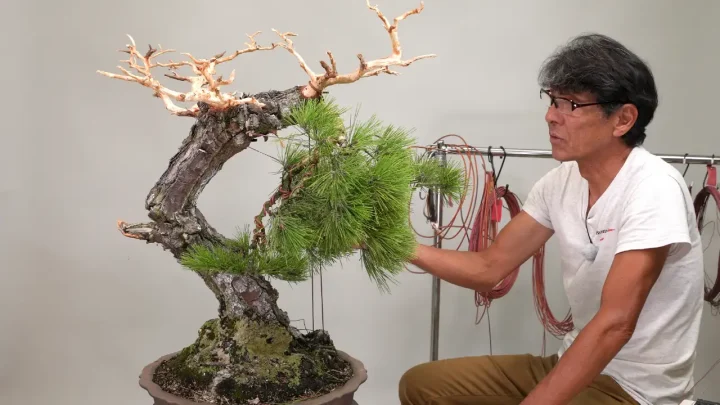
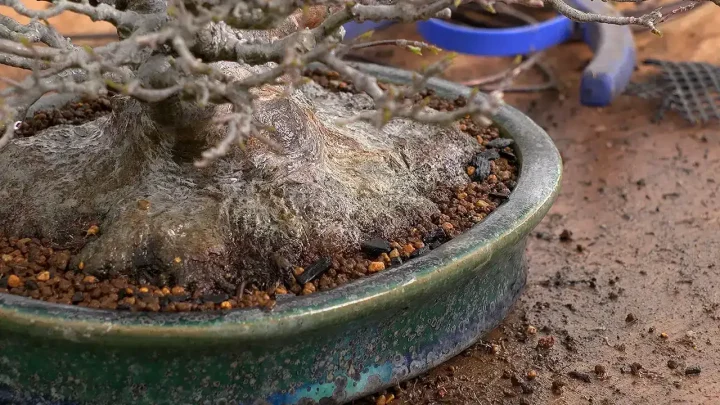
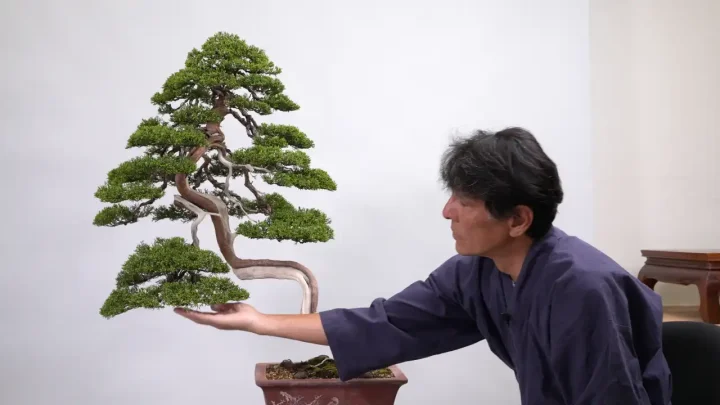
Root Spread / Nebari, a trunk that moves in an S-curve, an unequal triangle. When these three elements come together, the Informal Upright Style appears — the foundational tree form of bonsai. It feels balanced, yet somewhere within it there is movement. It seems like a fixed pattern, yet no two trees ever take the same shape.
'Tradition' is not something that binds. Knowing it is precisely what allows you to depart from it. The three elements are a starting point — where you go from there is left entirely in your own hands.
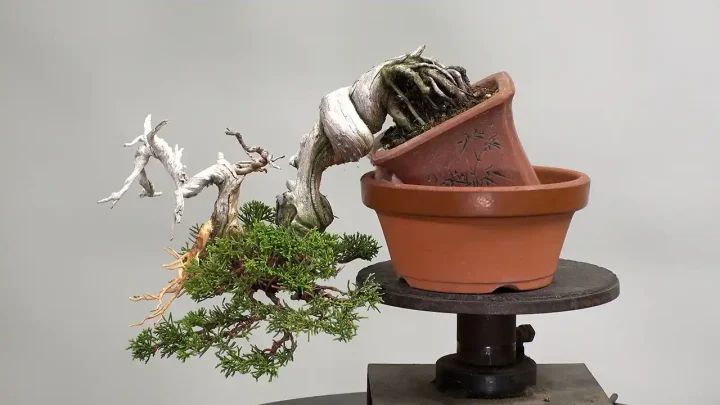
The Cascade Style, in which the tree hangs down from the pot, is unlike any other tree form. Not reaching upward, not spreading sideways — but downward. It is as if the memory of a tree clinging to a sheer cliff has been captured and held within the pot.
Clump Style, Literati Style, full Cascade Style — each form of bonsai is a memory of dialogue with nature. None is superior; none is lesser. Which form draws you in — that becomes the starting point of your bonsai.
No two bonsai are ever the same. Searching for a tree form that matches your own vision, and working toward it — that is one of the great pleasures of the path called bonsai.
Learning names and categories is not about borrowing someone else's answers. It is only by having words that you can begin to ask what you love and where you want to go. Classification is not a destination — it is preparation for finding your own question.
You have a map in hand. Now — where will you go?
The journey of "Master: “Fune”" begins with member registration.
Begin the Journey