
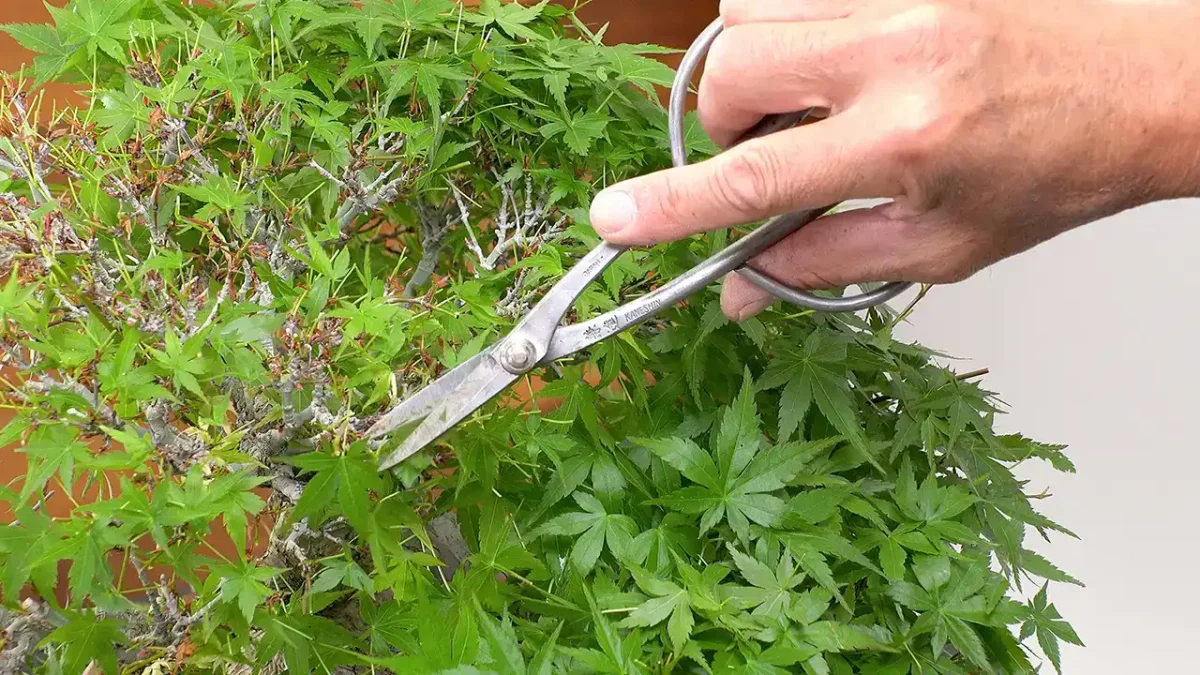
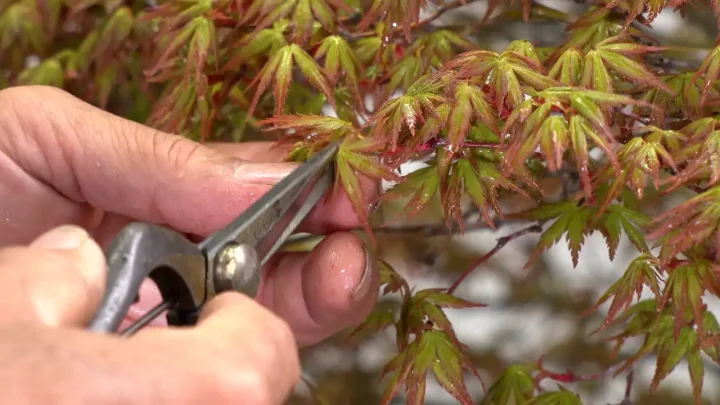
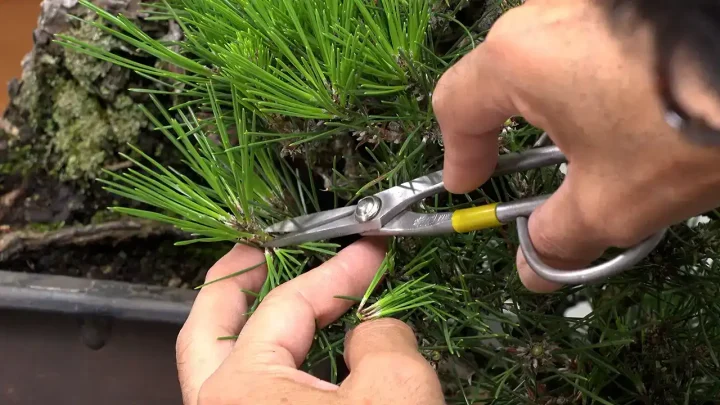
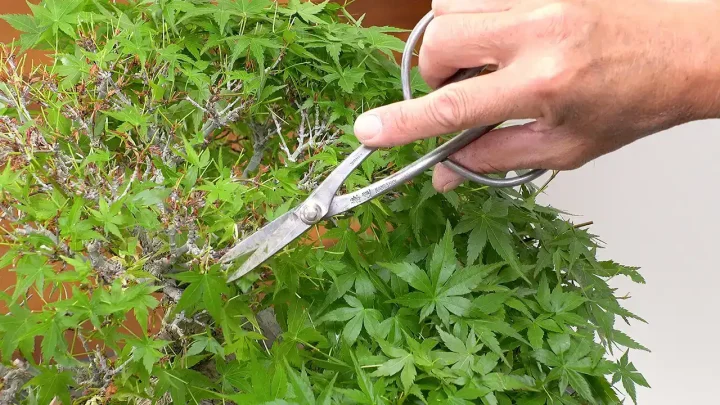
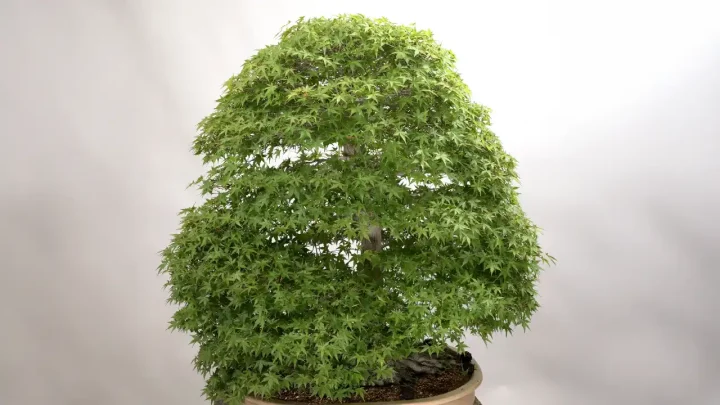
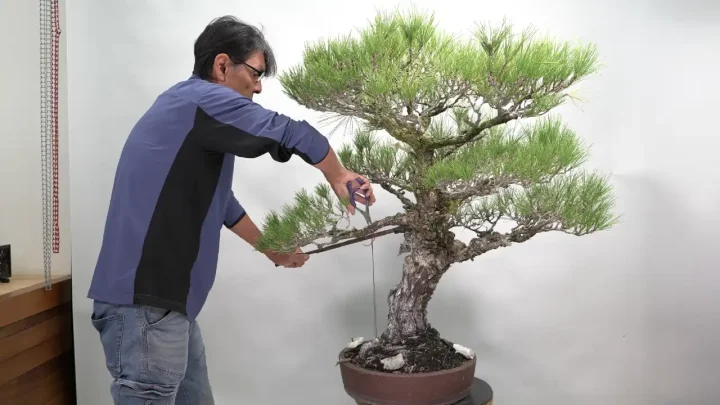
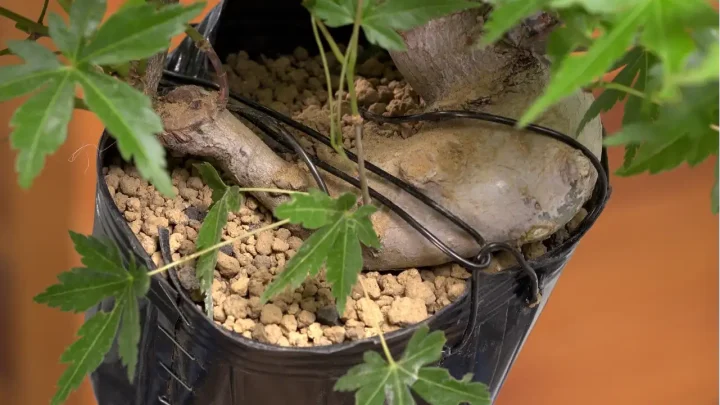
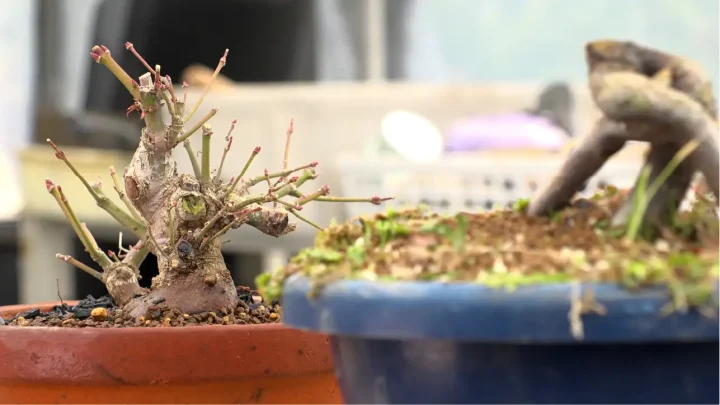
A month into spring, we perform Defoliation on a Japanese Maple that has grown thoroughly overgrown. Removing all the vigorous outer leaves and letting light reach the Interior branches is the preparation for increasing fine twigs. Moving your hands while imagining the tree's form several years from now, rather than its present appearance — that is Pruning at the development stage.
A month after the spring buds open, Japanese Maple becomes thoroughly overgrown. The outer leaves push out vigorously while the Interior near the trunk is left without light. Those inner leaves gradually turning yellow — that is exactly why. We wait for this moment before Defoliation begins.
In plants, the tips always grow with the greatest strength. The more the outside fills in, the more the areas near the base are left behind. By holding back the strength on the outside, we rescue the weakness within — human hands correcting nature's imbalance. That is the thinking at the heart of Defoliation.
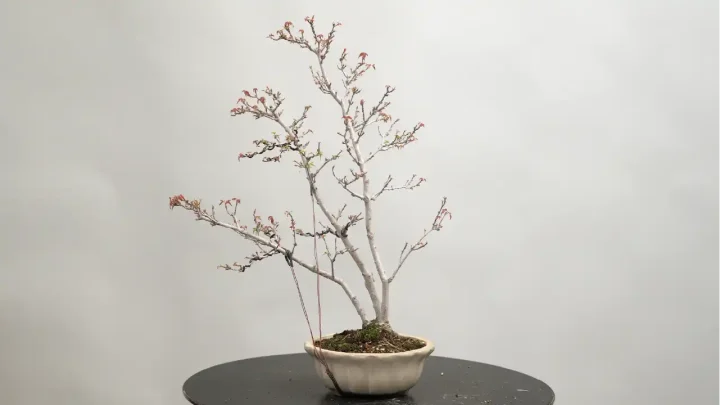
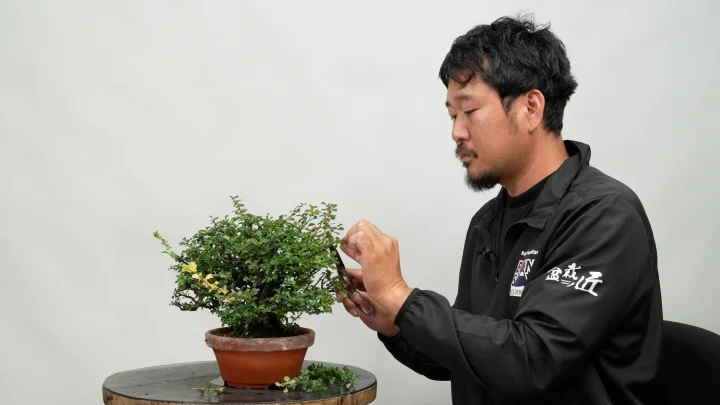
On a tree still in development, nearly all the outer leaves are removed. Only the small leaves in the Interior are kept. If the silhouette looks a little sparse afterward, that is perfectly fine.
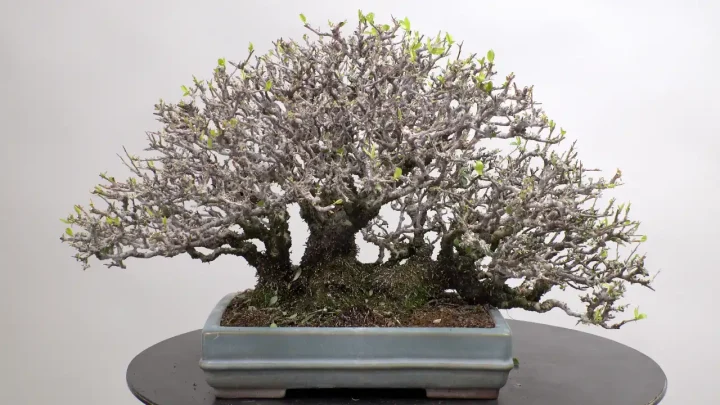
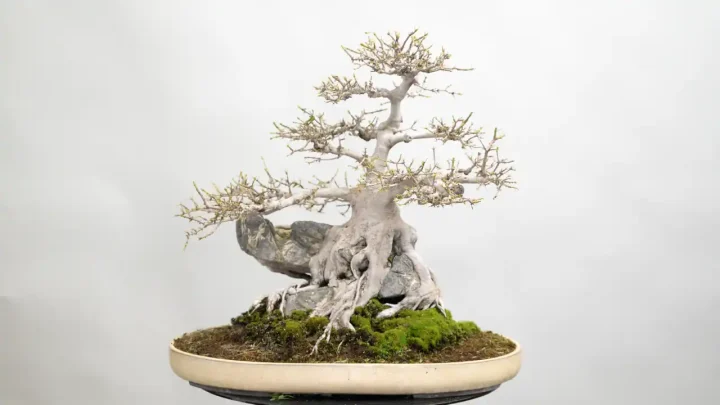
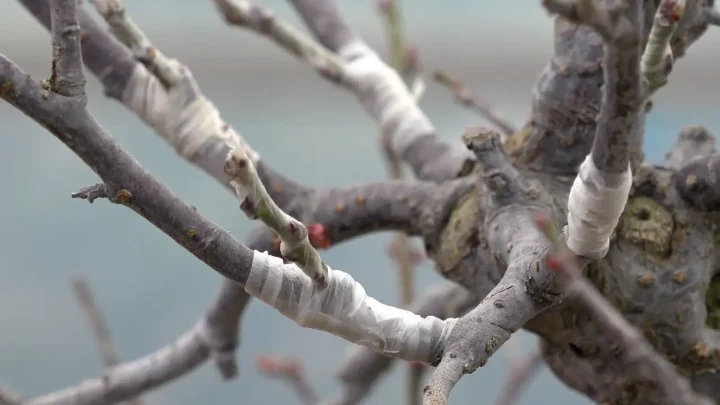
The ideal for Deciduous Trees (Zoki-rui) is fine, slender branches spreading with suppleness. If only the outer sections thicken and coarsen, strength can no longer circulate evenly. So we remove them decisively. Where a near-finished tree might use 'beauty of the tree's shape' as the standard, a tree in the development stage uses 'preparing to increase the number of branches next season' as its standard. Rather than the form in front of you now, you move your hands while imagining the form several years from now — that is the nature of Pruning at the development stage.
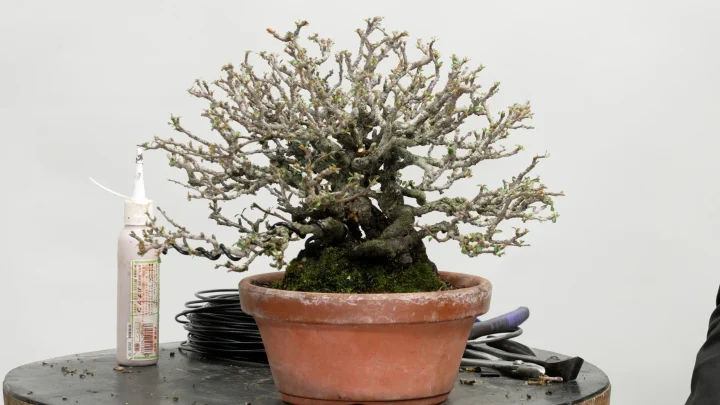
No single session brings it to completion. Each time, you observe the current condition, make a judgment, and move your hands again. When the next buds extend, you face them in the same way once more. Through that repetition, fine twigs gradually increase. Perhaps that is what developing a bonsai truly is.
Japanese Maple is a resilient tree. Cut it boldly, and it will always respond. But whether you can trust that resilience and wait — that part belongs to you.
The journey of "Master: “Fune”" begins with member registration.
Begin the JourneyYou must be logged in to post a comment.






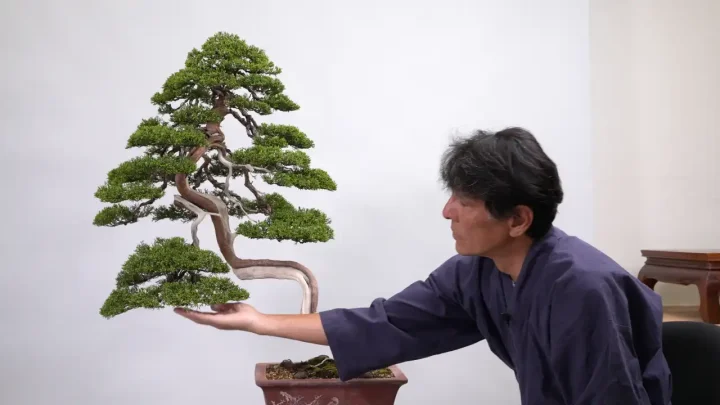
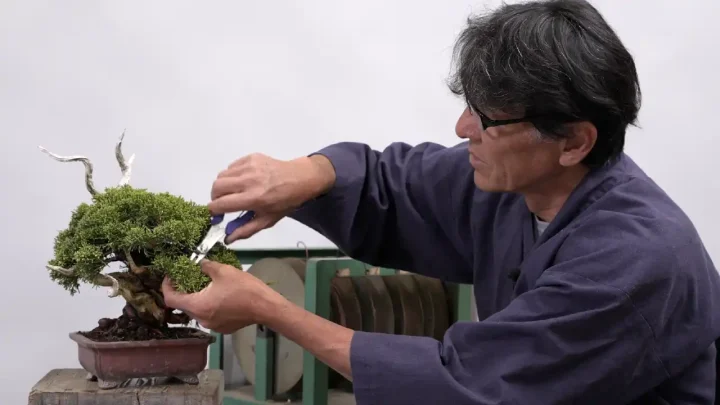
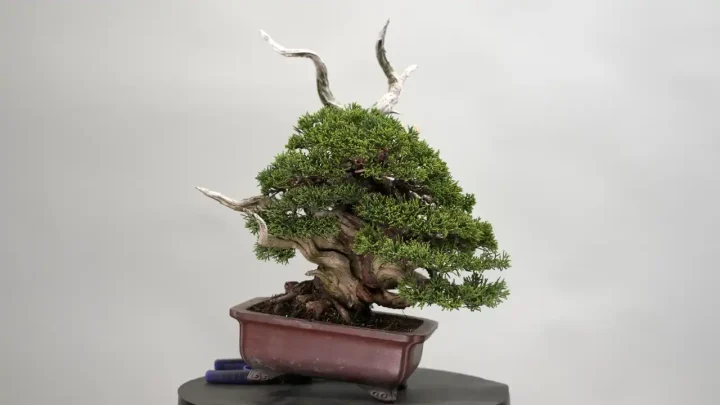
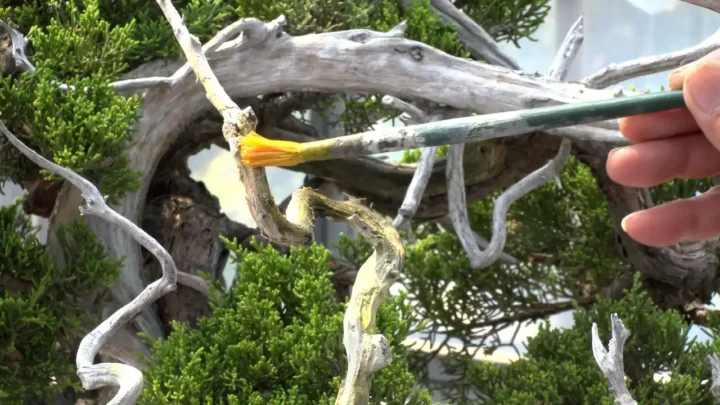
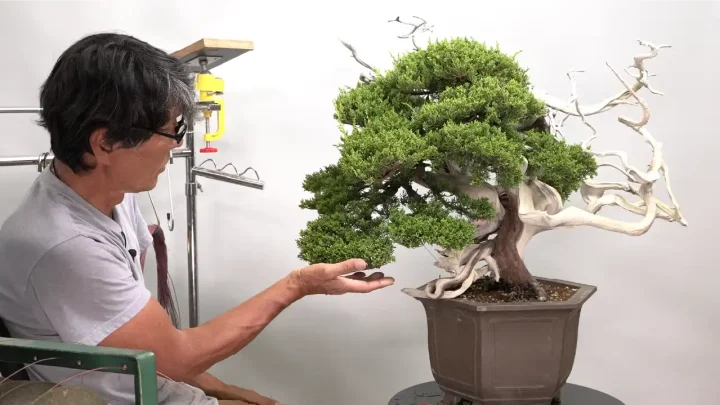
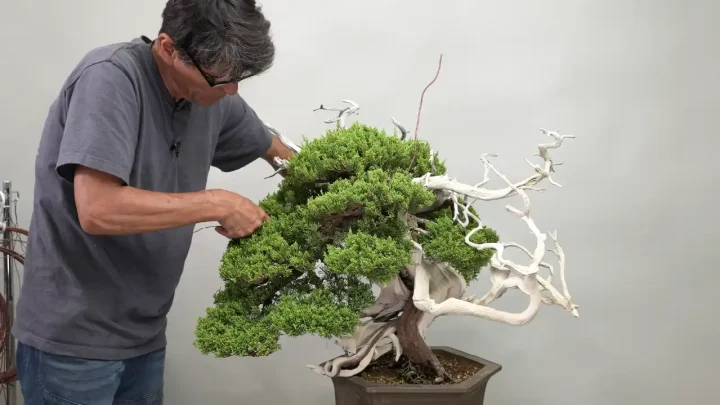
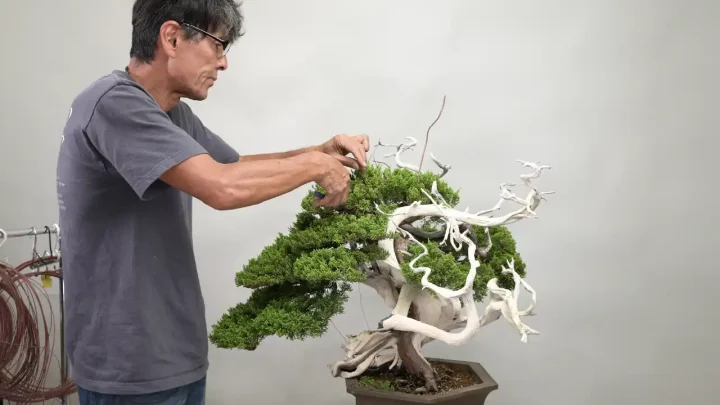
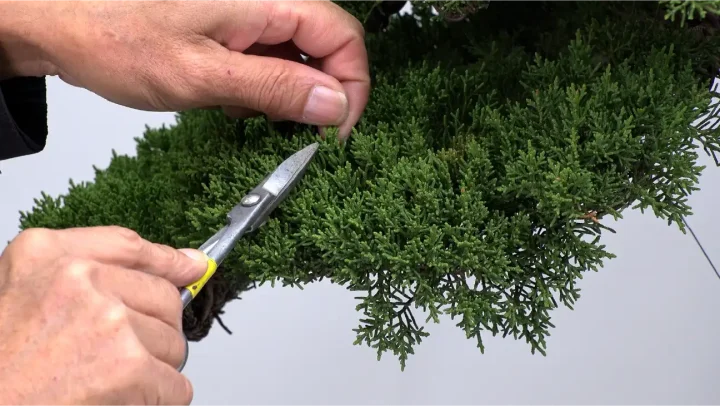
The Maple in this video is not Trident Maple it is Japanese Maple Acer palmatum.
Thanks for finding it!
We’ll fix any subtitle mismatches during site updates, so please don’t hesitate to let us know