
黒松に油かすを施し、4月から11月まで月1回のペースで交換しながら続けます。梅雨や芽摘みの後は量を絞り、木が養分を受け取れるかどうかを見きわめながら進める——その積み重ねが、来年の松葉の色に静かに映し出されていきます。
肥料の話をしているのに、気づけば樹の話をしている。黒松の施肥に向き合っていると、そう感じる瞬間があります。
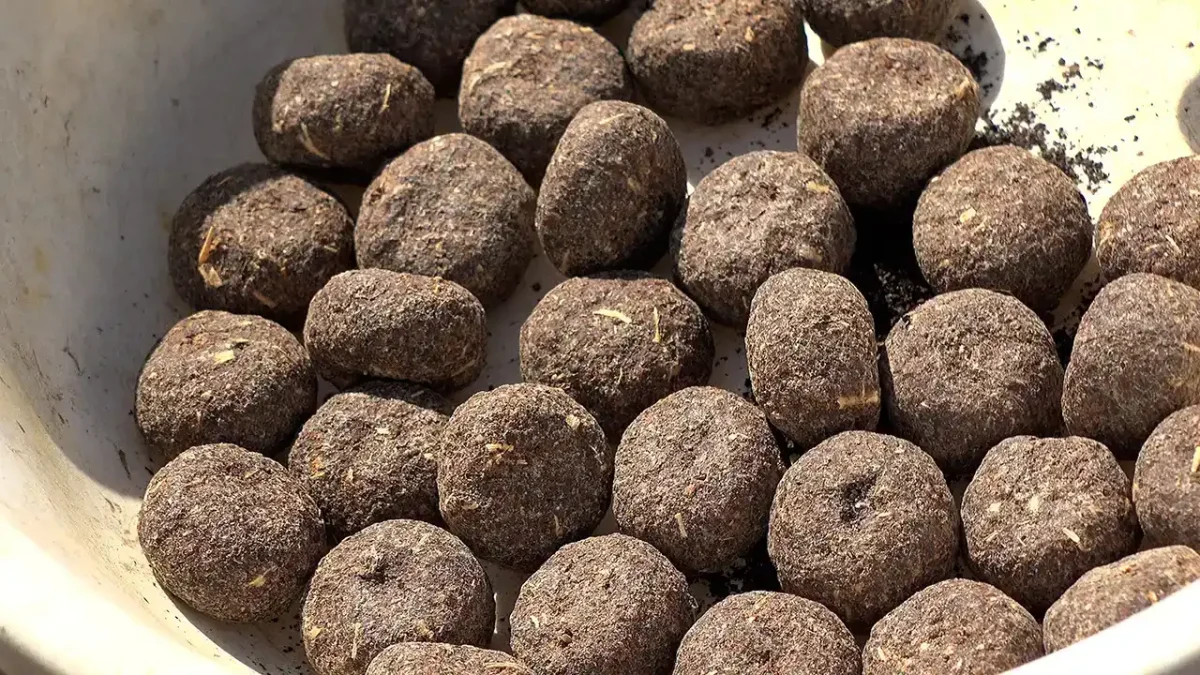
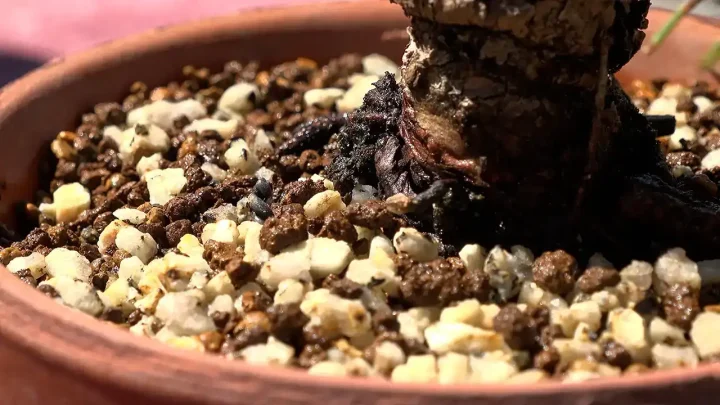
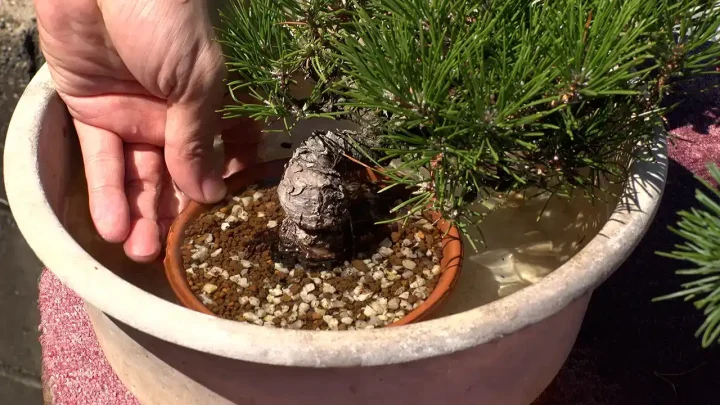
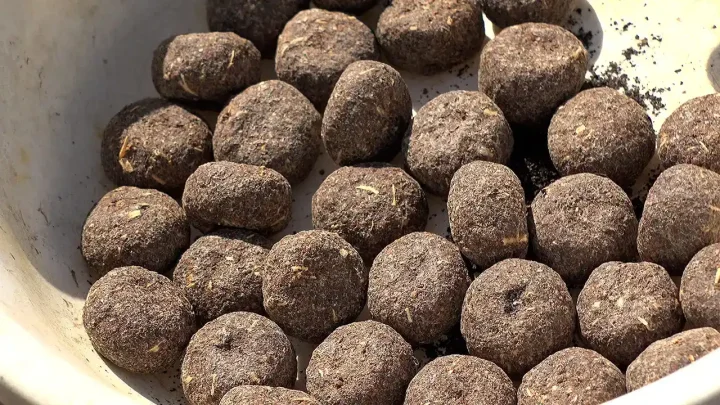
選ぶのは、ゆっくり溶ける硬いタイプの油かす。即効性を求めるのではなく、じわじわと溶け続けるものを選ぶ。それは肥料の性質というよりも、樹との関わり方そのものを選ぶことです。4月1日を目処に置き始め、およそ1か月ごとに古いものと交換しながら、10月から11月の頭まで続ける。鉢面に10センチほどの間隔で均等に配置し、根元のまわりにも、できる限り手を届かせる。水やりで転がってしまうなら、針金で留める。そういう細かな気配りが、一年を通じた関わりの骨格をつくっていきます。
梅雨の時期には、半量に減らします。土が常に湿っている状態では、肥料の効きが過剰になって根を傷めます。芽摘みを終えた6月以降も、同じように量を絞ります。芽を摘まれた黒松は、吸い上げる力が一時的に落ちている。その状態で同じ量を与え続けることは、木の助けにはなりません。
梅雨の減量と、芽摘み後の減量。二つの理由は違うようで、行き着くところは同じです。木が養分を受け取れる状態にあるかどうか——施肥の調節は、いつもそこから始まっています。与える側の都合ではなく、受け取る側の状態を見て決める。足すことよりも、引く判断の方が、実は難しいのかもしれません。
油かすに別の有機資材を混ぜた自家ブレンドを使うことがあります。それは松葉の発色という、審美的な目標があるからです。でも、特別な素材が手に入らなければ、市販の油かすで十分にやれます。大切なのは素材よりも、与えるタイミングと量を見きわめること——そこさえ丁寧に向き合えば、素材の違いは思うほど大きくない。
施肥の結果は、すぐには現れません。今年の春から積み重ねた管理が、来年の芽の勢いや松葉の色に、静かに滲み出てくる。数か月先、次の季節になってはじめて、今年の判断が問われます。急がず、与えすぎず、木の状態を読みながら続けていく——施肥とは、そういう静かな対話なのだと思います。
「初級:歩 -Ayumi-」の旅路は、会員登録から始まります。
旅をはじめるコメントを投稿するにはログインしてください。








Hi all,
I’m based in Germany in a fairly low-humidity region, which makes the use of Tamahi quite impractical in my setup.
I’m considering switching to Biogold as a fertilizer. Would this be a suitable alternative for Juniperus and Pinus parviflora, particularly in terms of growth balance and overall tree health?
I’d be grateful to hear about your experiences or any potential drawbacks I should be aware of. Thanks in advance.
Thanks for your question.
I checked with Hiramatsu, and here’s what he said:
“Biogold works just fine. The only thing to keep in mind is that it acts faster than Tamahi, so make sure to follow the recommended dosage on the package.”
So for both Juniperus and Pinus parviflora, Biogold should work well in terms of growth balance and overall tree health. The key difference from Tamahi is that you can’t be as generous with the amount — with Tamahi you have some leeway to add a bit extra, but with Biogold the effect comes through more quickly, so sticking to the package guidelines is important.
Given your low-humidity environment, Biogold may actually be easier to manage than Tamahi.
Thank you very much for your reply.
I had previously used KIORYOKU Tamahi, but it did not work properly in my environment because of the low humidity. Now I have started using Joy Agris Tamahi, and it works perfectly. After just a few days, the beneficial white mold already started to develop, which made me very happy.
I am very satisfied with this fertilizer and currently do not use Biogold.