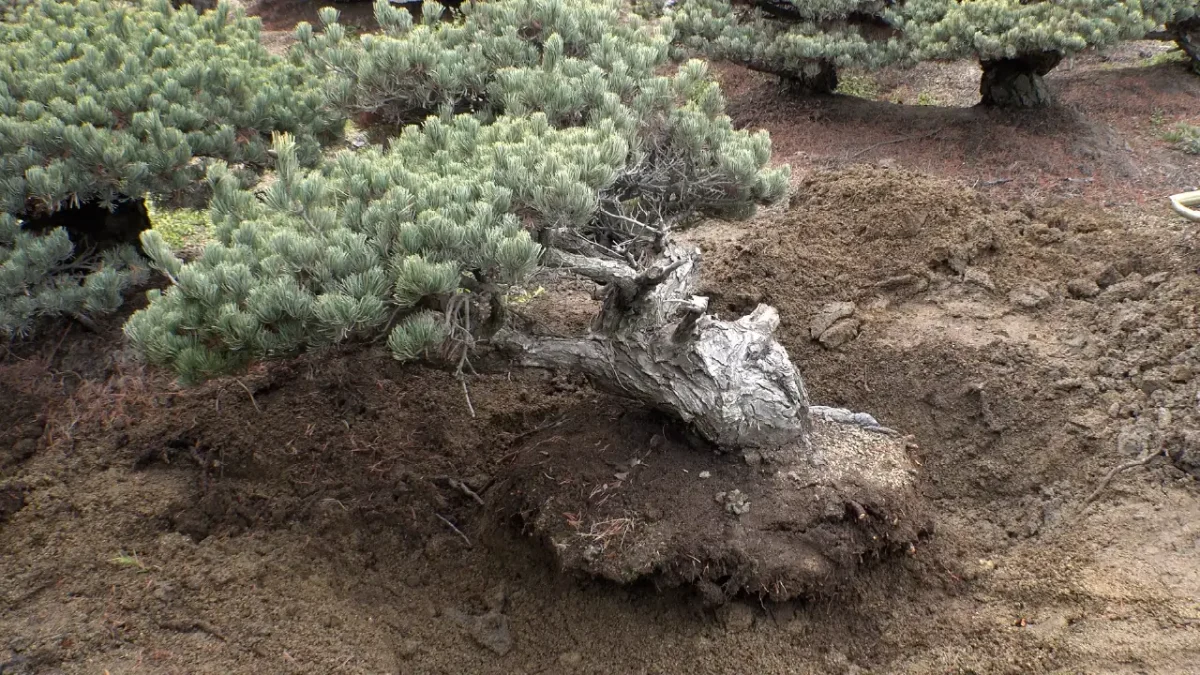
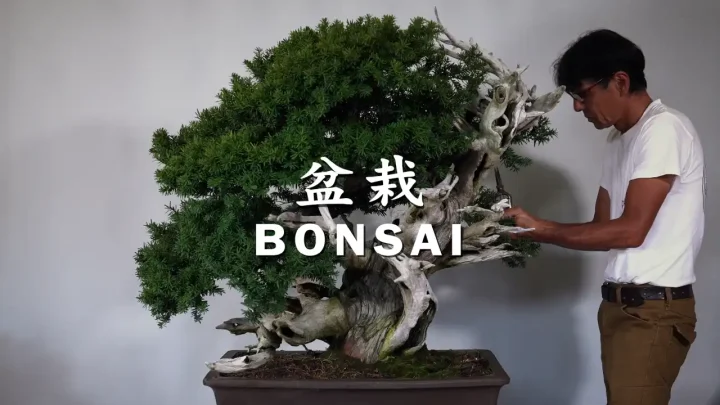
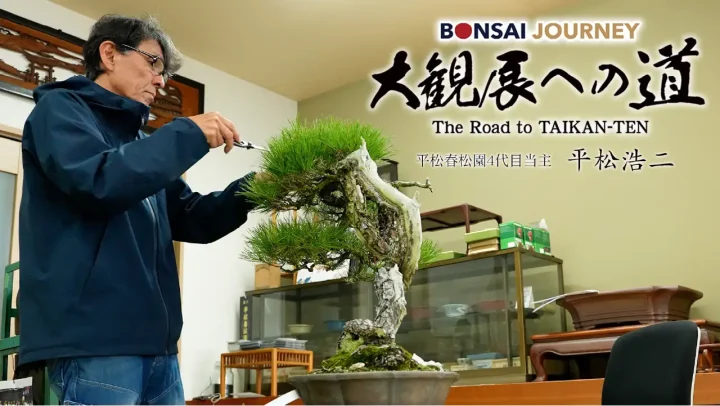
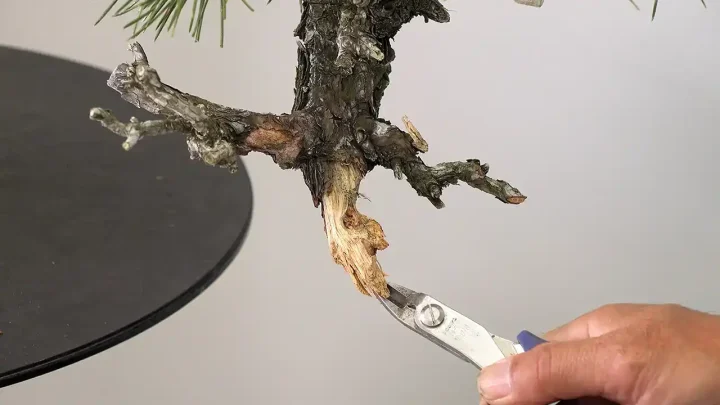
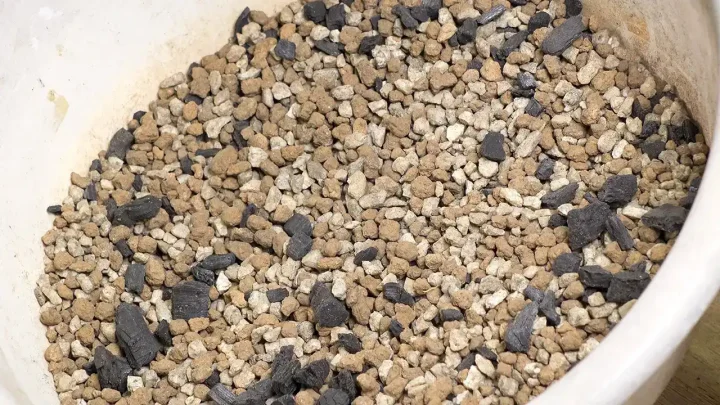
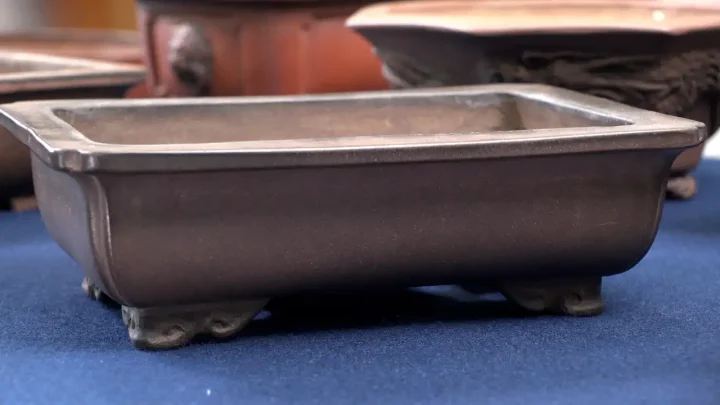
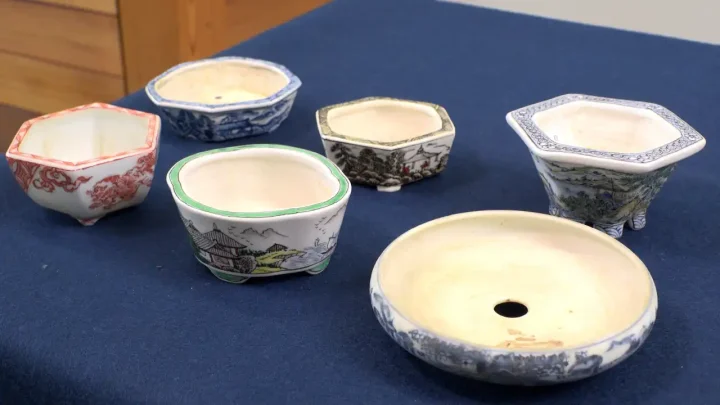
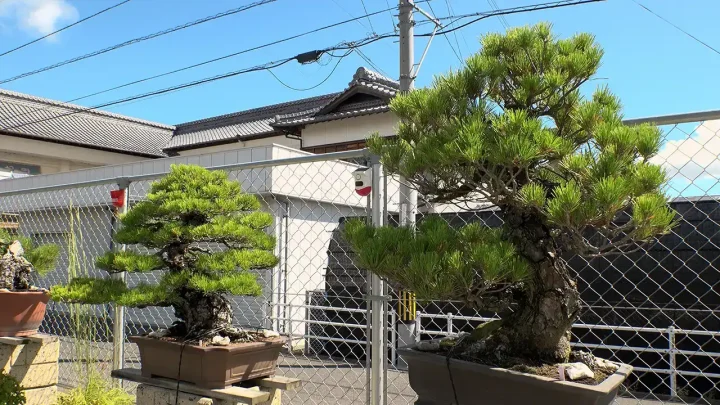
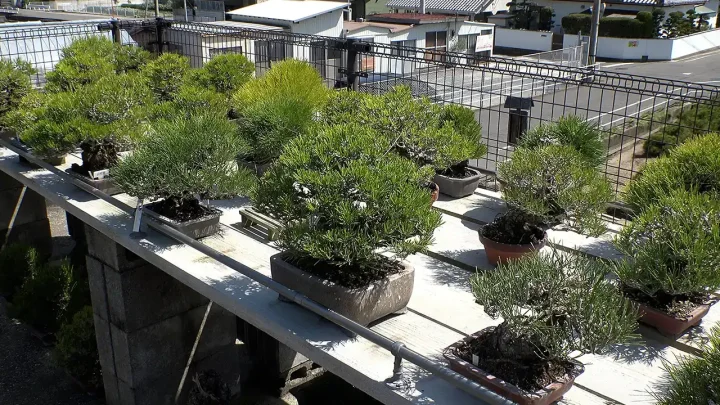
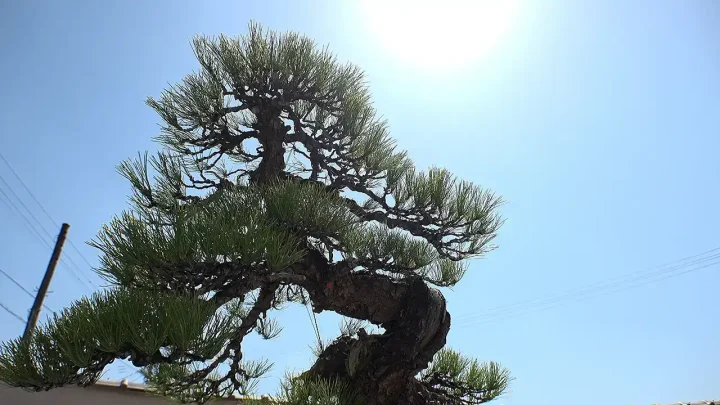
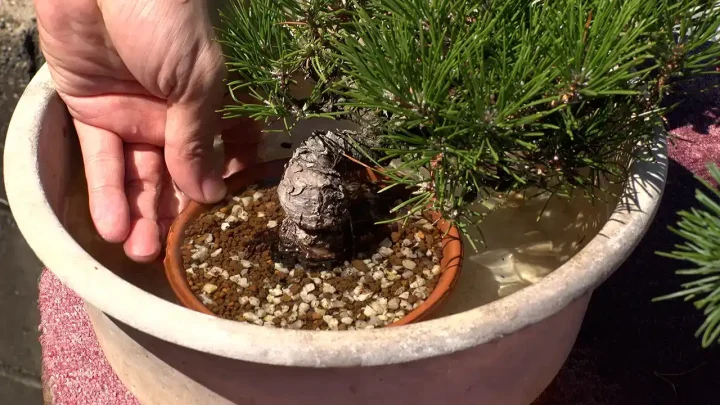
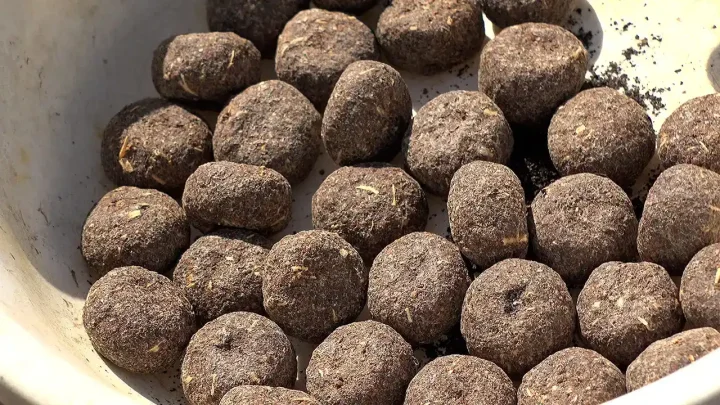
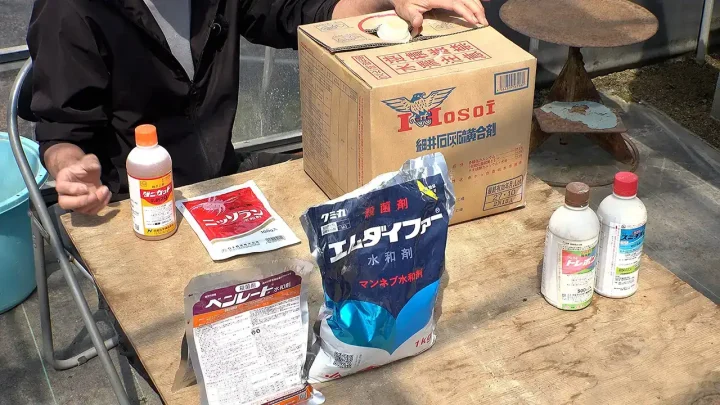
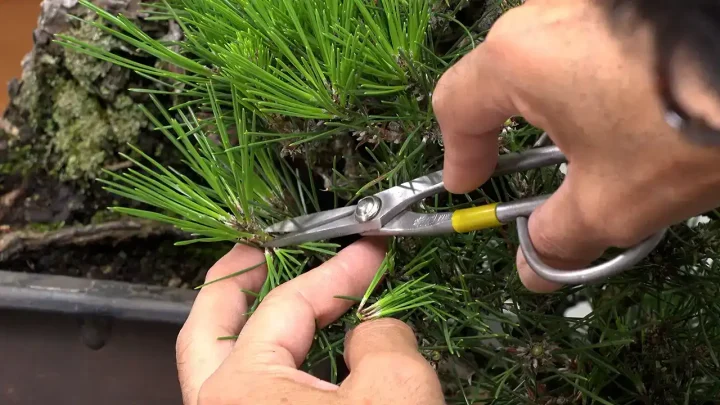
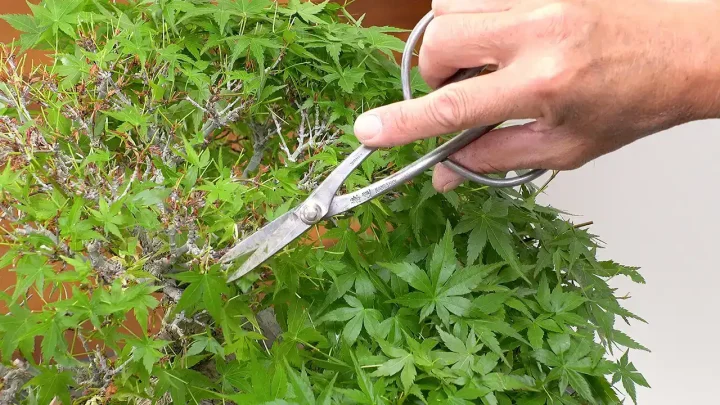
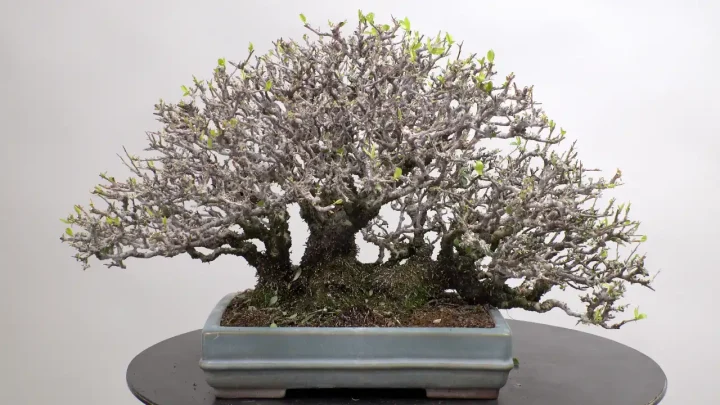
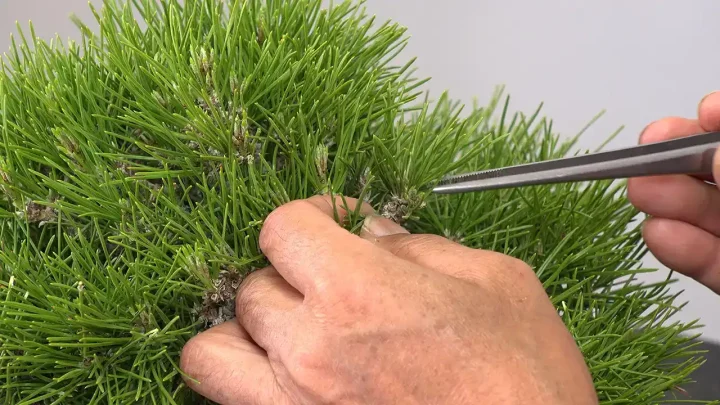
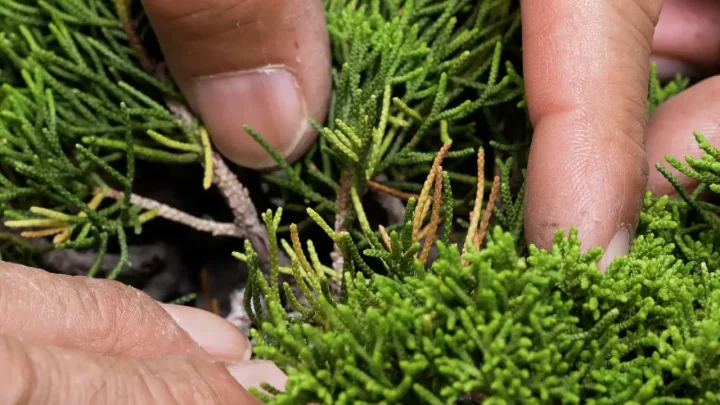
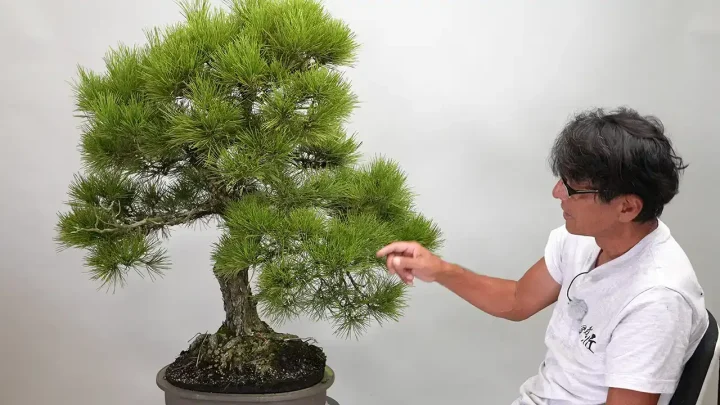
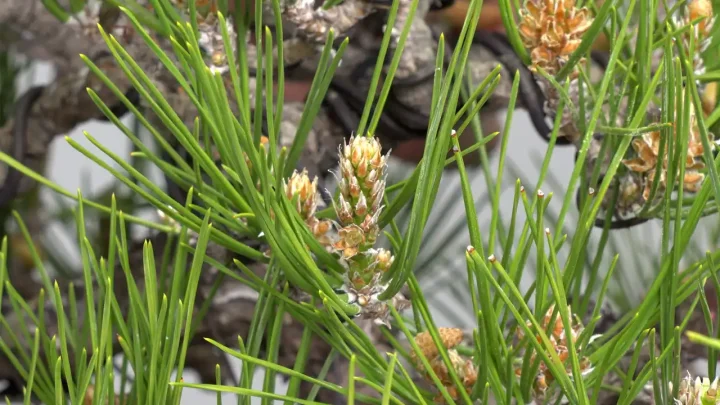
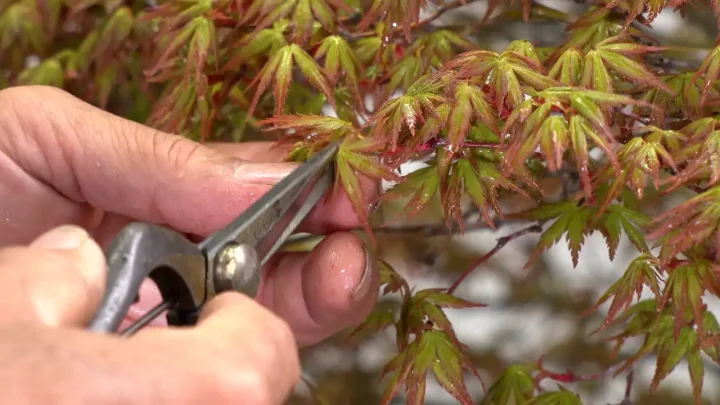
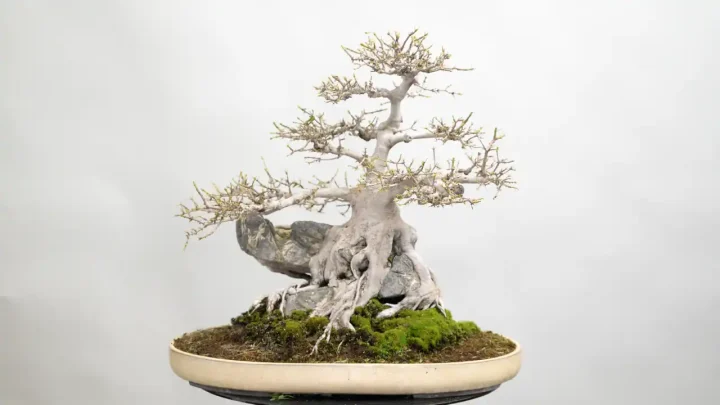
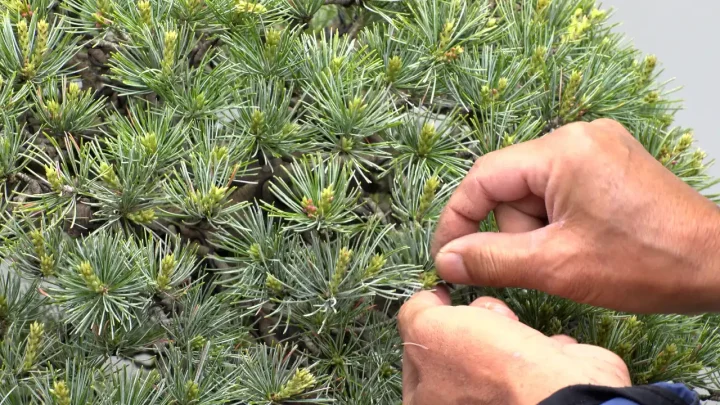
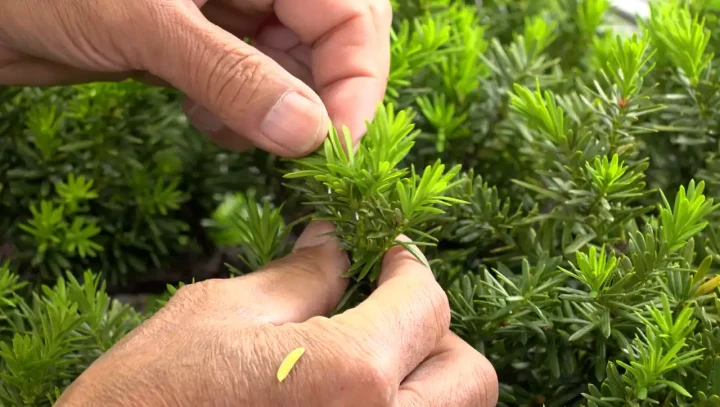
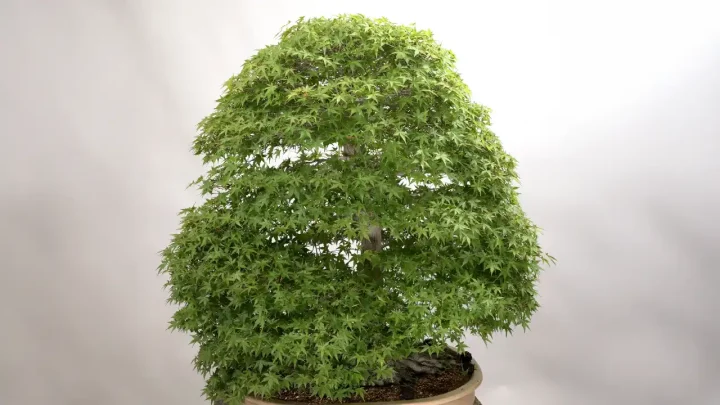
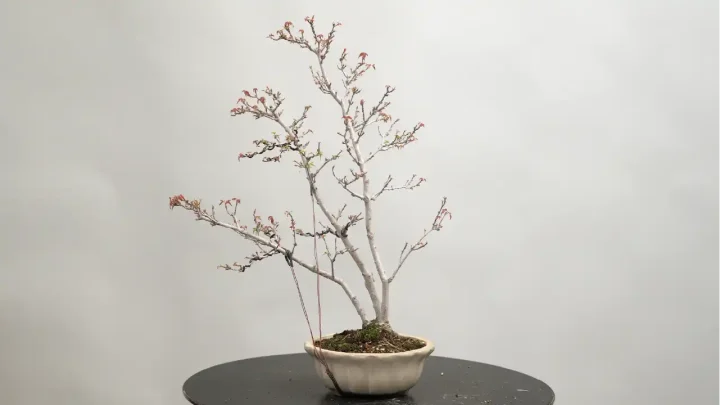
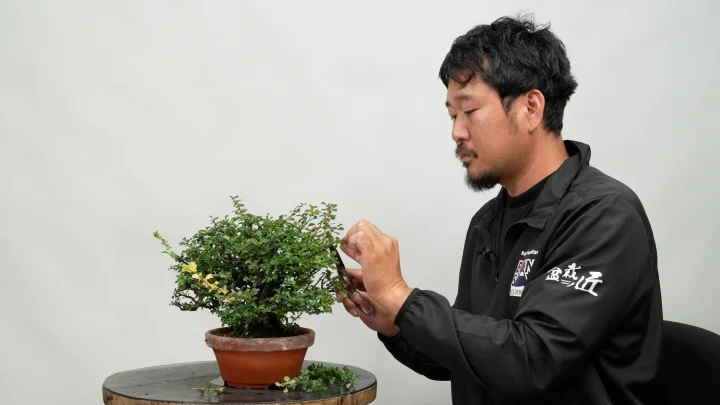
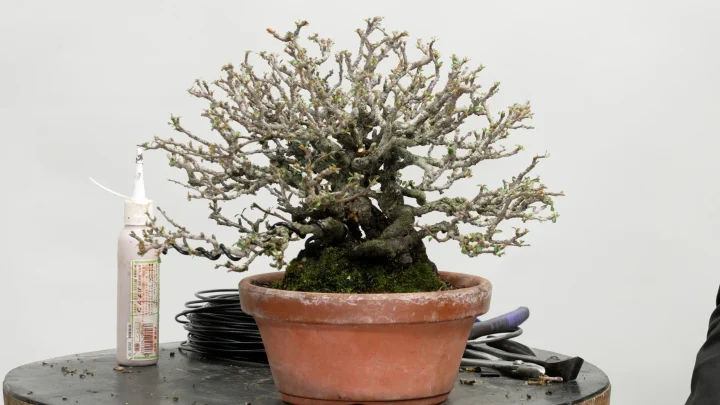
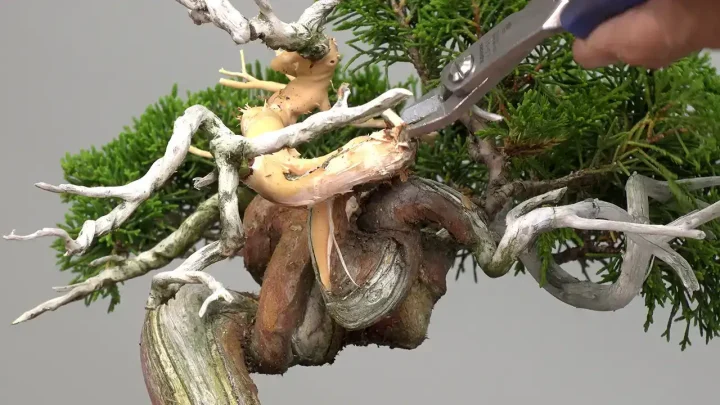
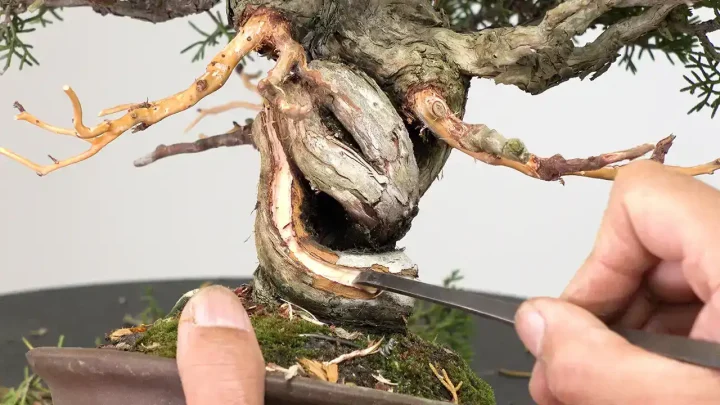
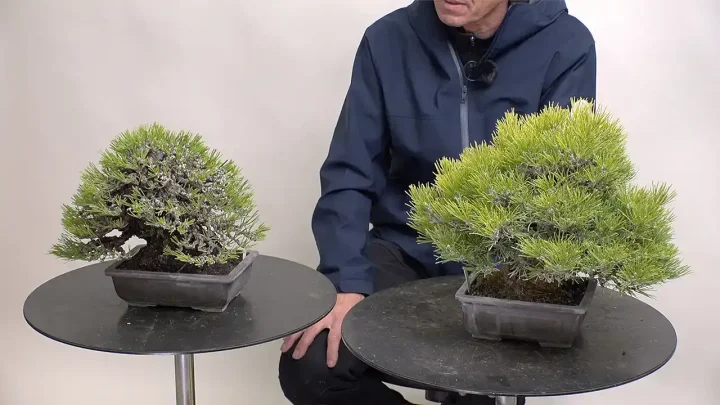
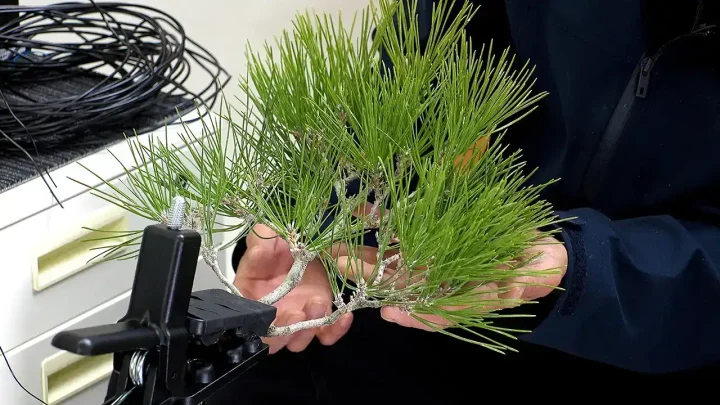
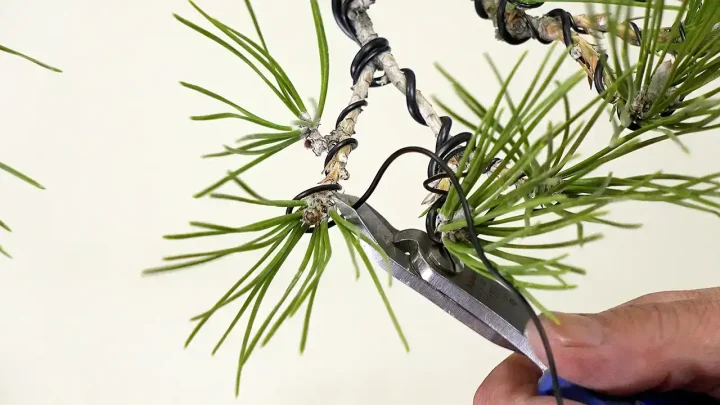
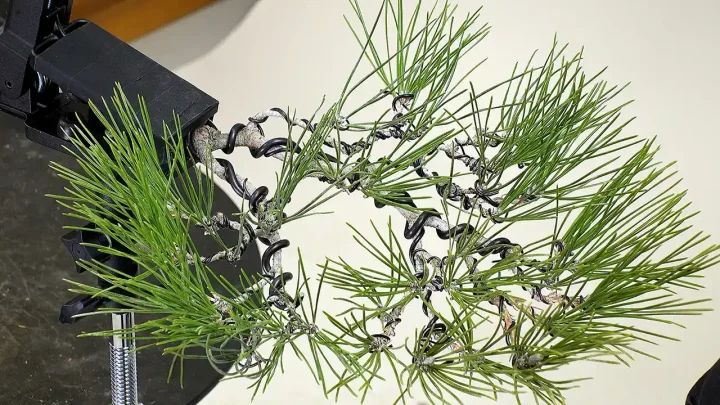
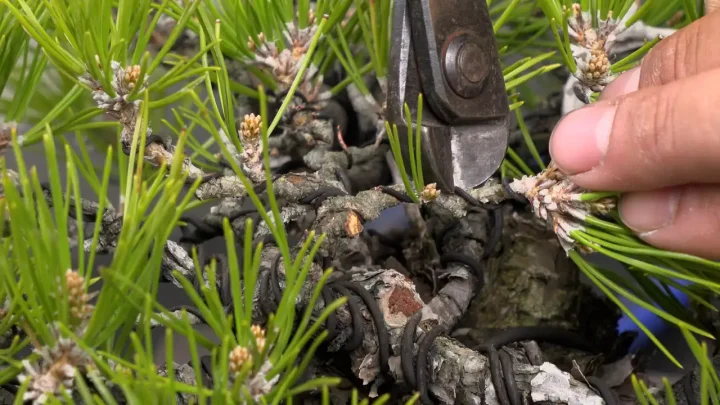
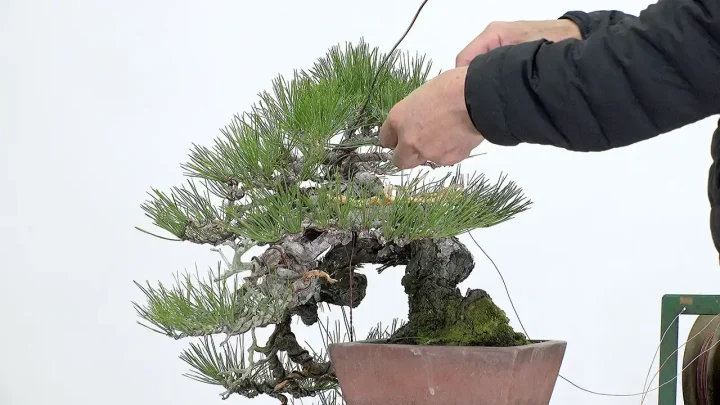
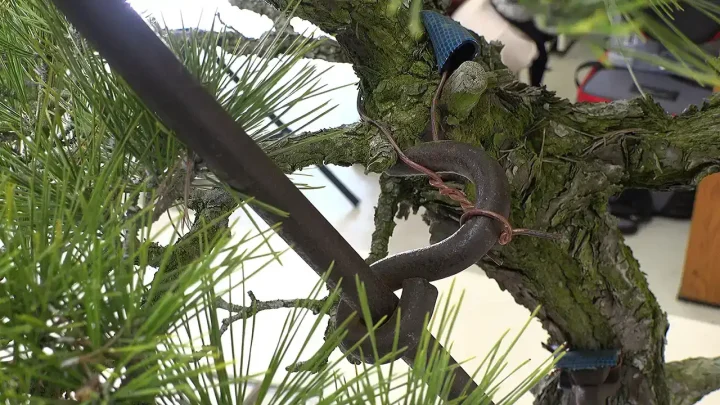
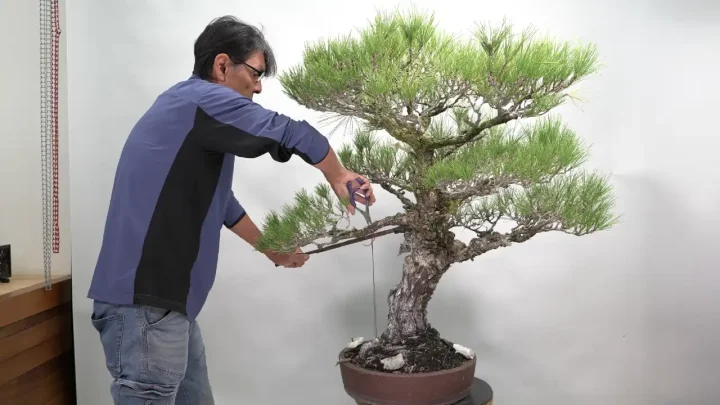
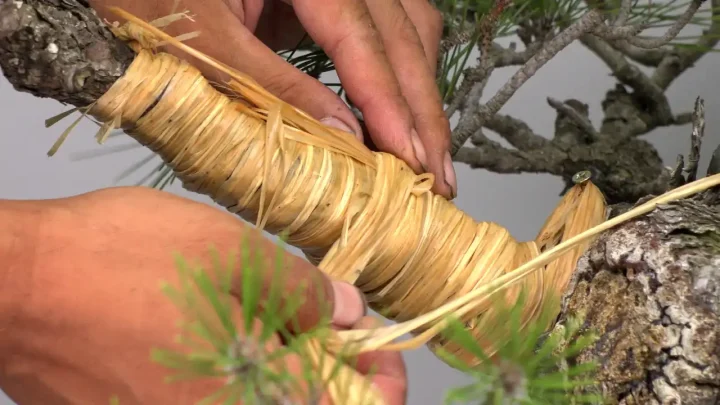
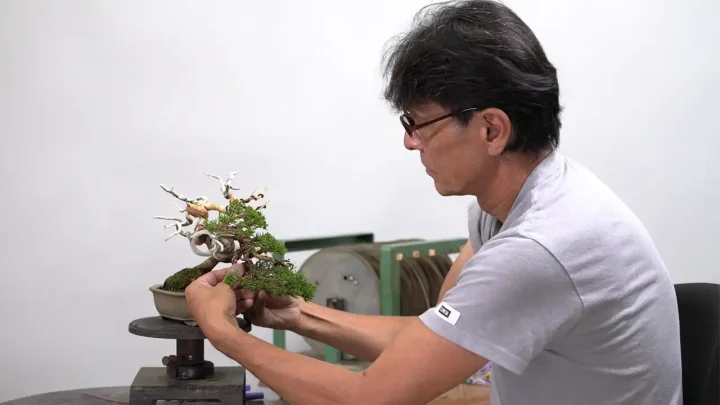
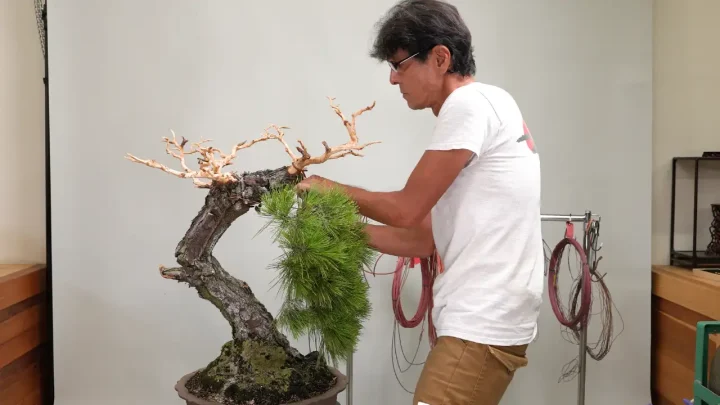
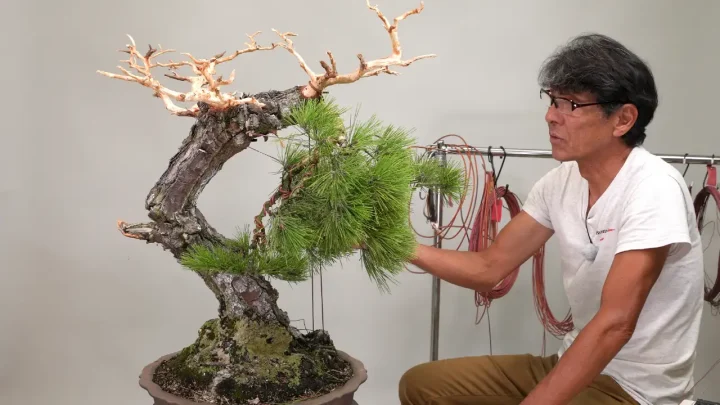
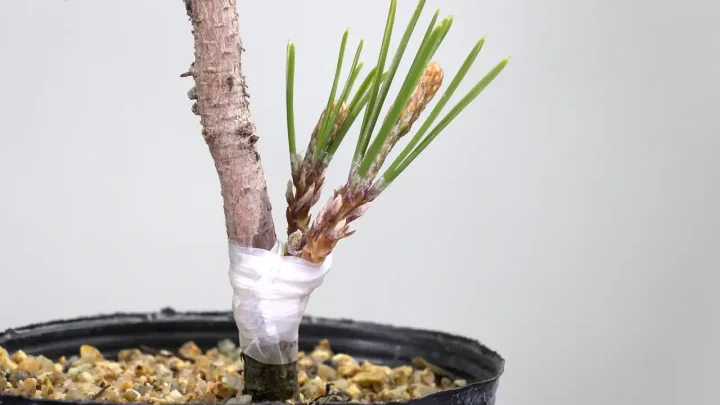
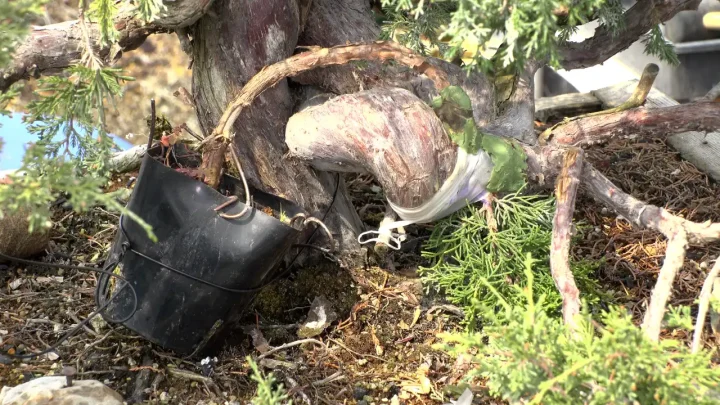
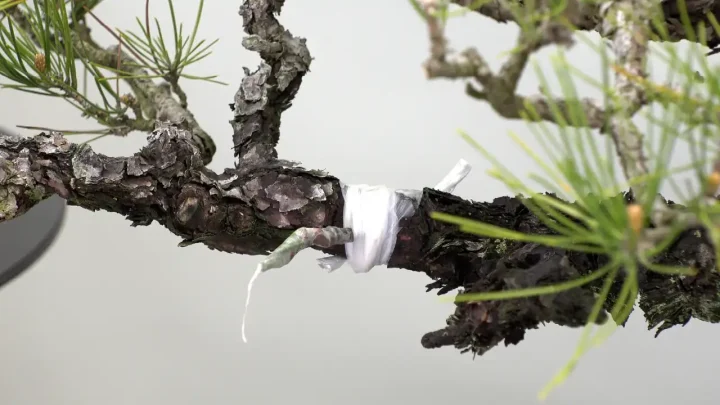
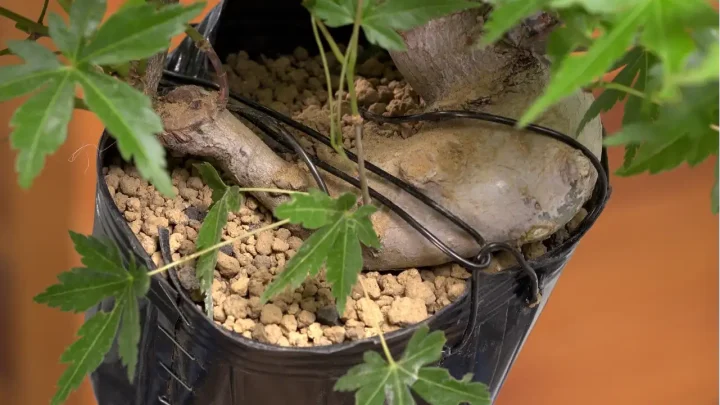
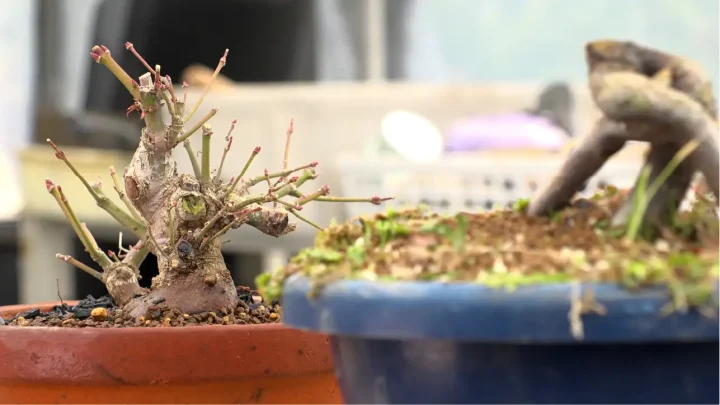
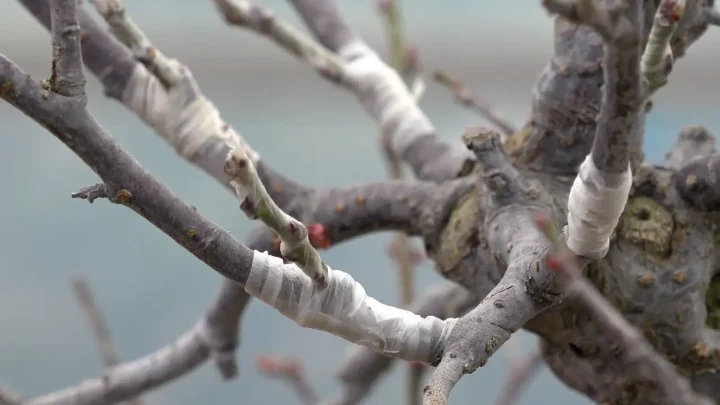
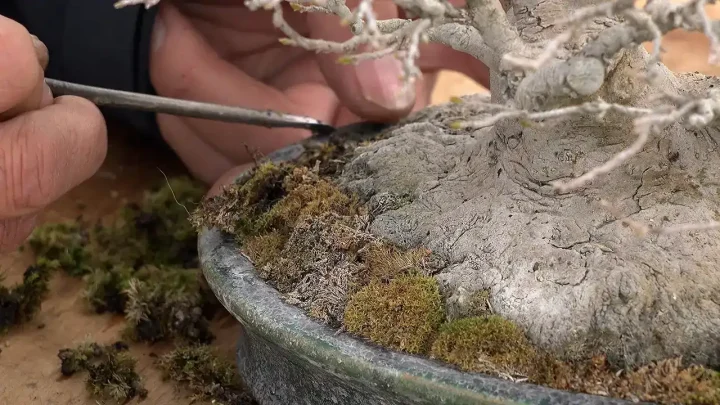
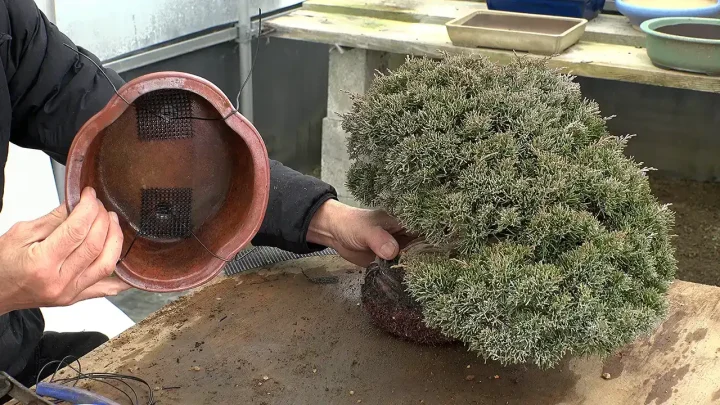
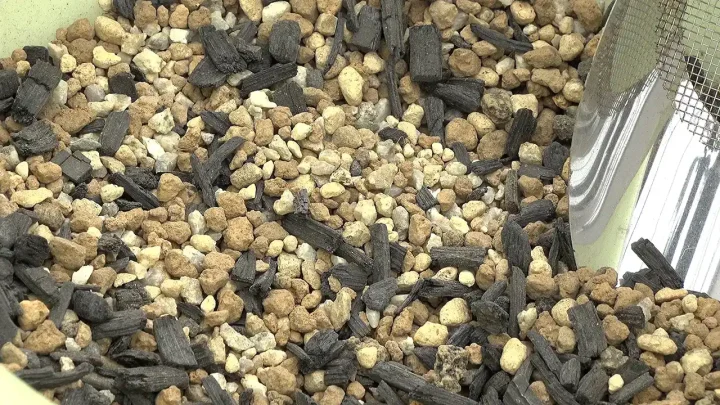
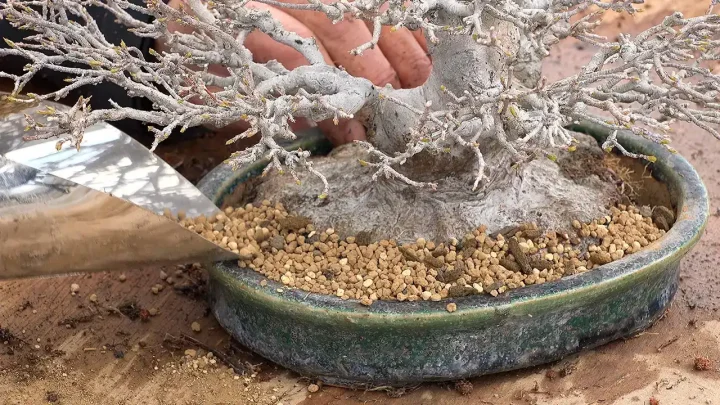
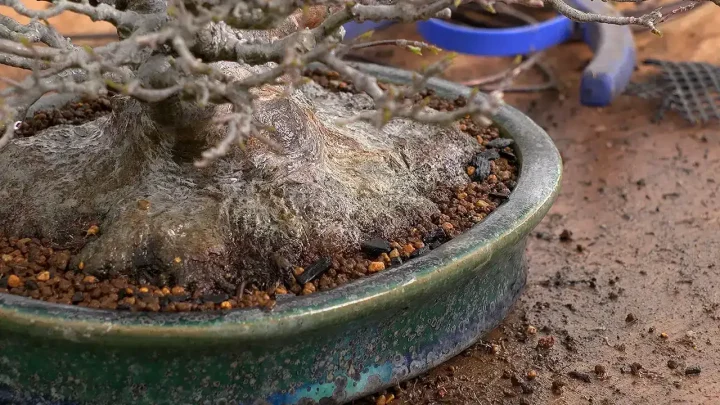
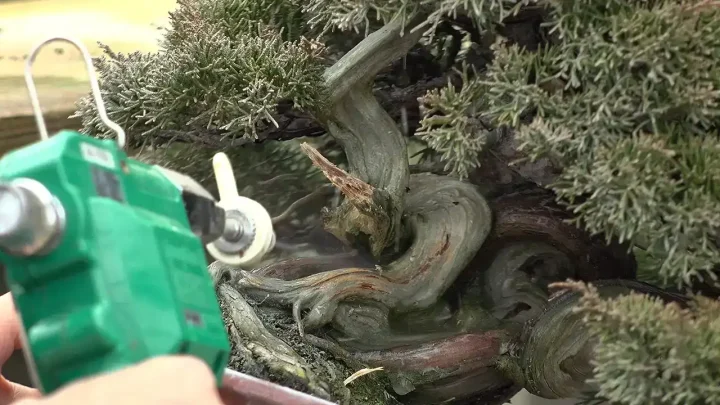
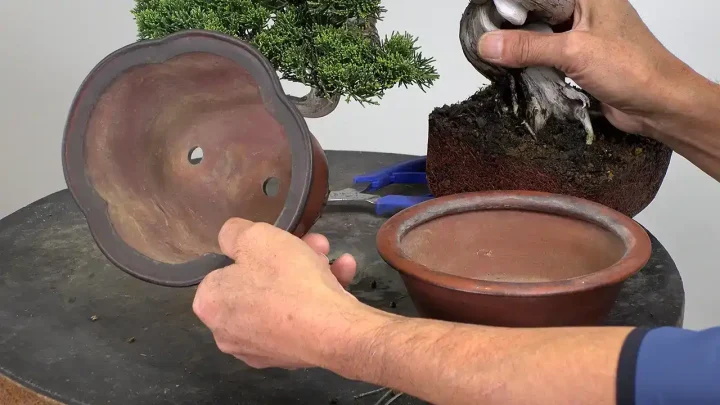
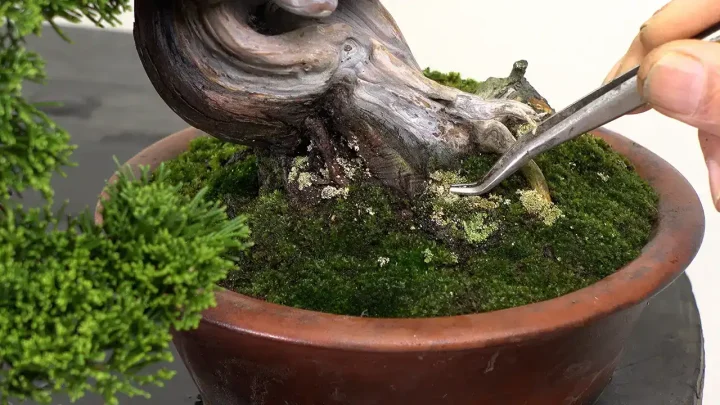
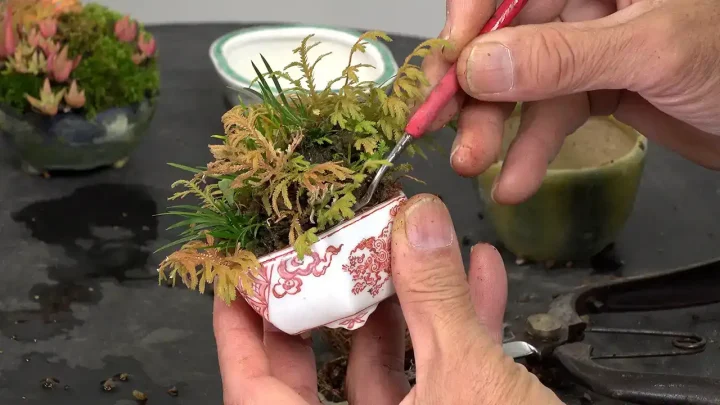
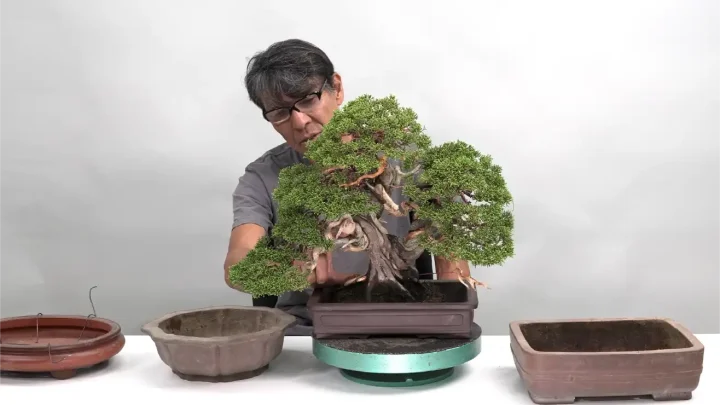
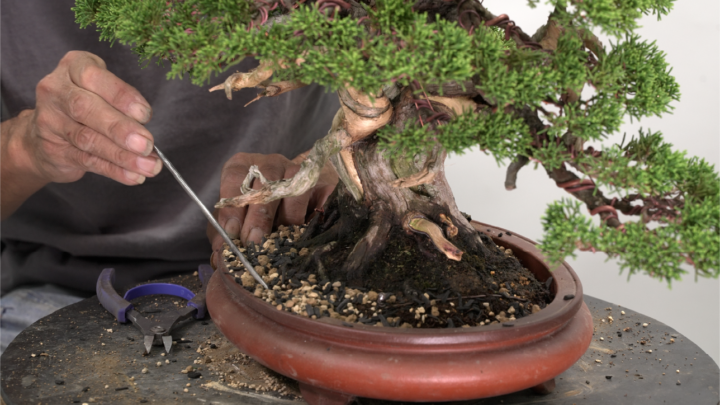
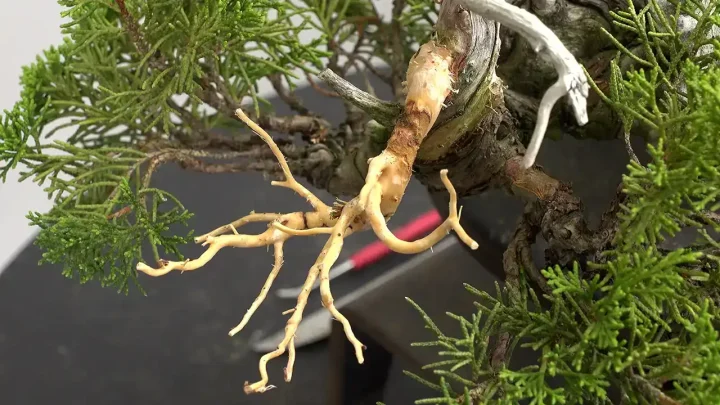
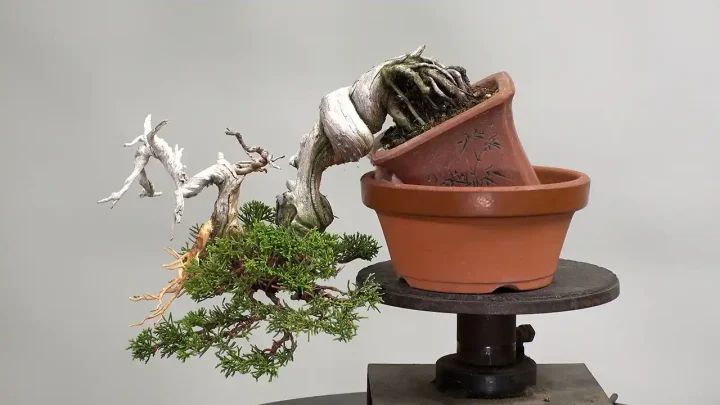
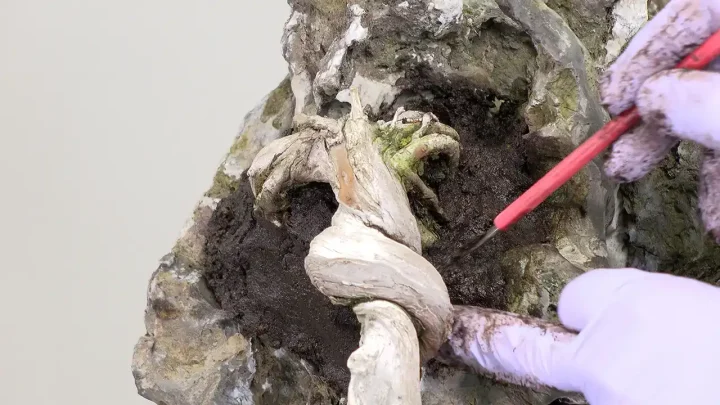
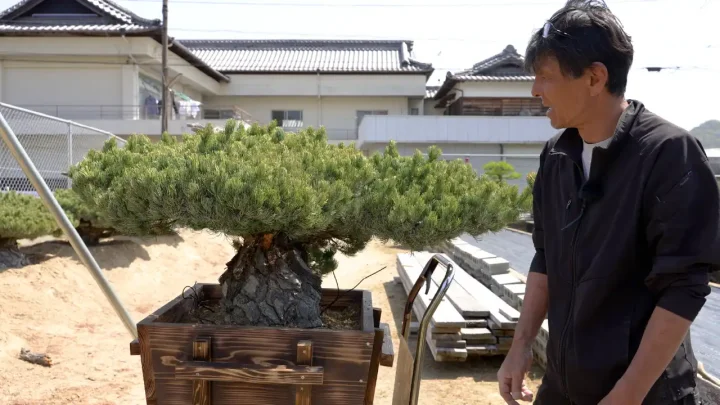
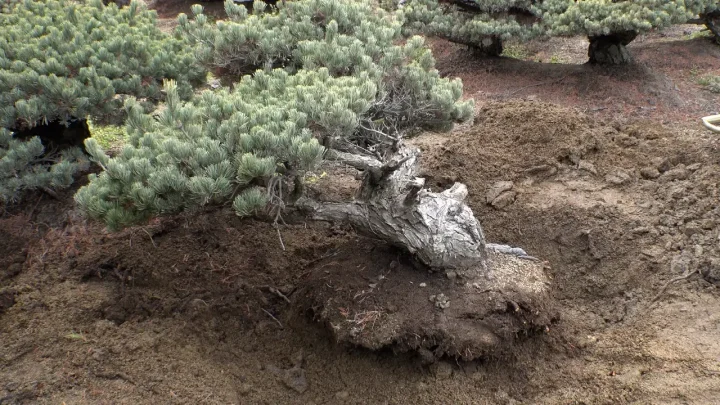
A Japanese White Pine raised by Koji Hiramatsu's father over fifty years receives Root Pruning. By cutting the thick roots, Fine Roots / Feeder Roots are encouraged to emerge, preparing the tree for potting one year from now. Where to cut each root, and how to finish each cut surface — every movement of the hands today holds within it the image of the tree next year.
Koji Hiramatsu's father raised a Japanese White Pine in a field over roughly fifty years. The thick roots that spread freely underground embody the very history of the tree. Now, scissors and saw are brought to those roots.
Why cut them? Couldn't you simply dig the tree up and put it in a pot — the answer to that question lives in the movement of the hands. A tree thrives not on ten thick roots, but on a thousand Fine Roots / Feeder Roots. Today's Root Pruning is not a signal to reduce, but a signal to draw out.
Where to cut, how large to leave the Root Ball — each decision holds many layers of time within it. Can the Root Ball be lifted intact at next year's transplant? Will the roots that remain draw enough nourishment once the tree is in a pot? One year from now, and the shape of the bonsai beyond that, are already folded into today's movement of the hands.
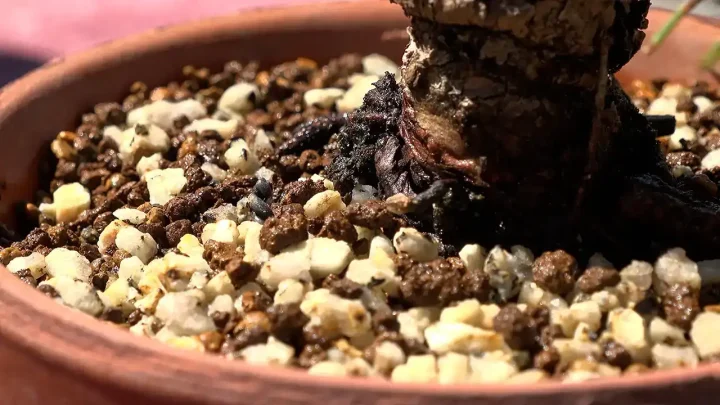
If the cut surface is crushed, new roots will not emerge. So the blade must be kept well sharpened. If gaps remain when the soil is returned, new roots will not emerge either. So the soil is pressed back in, carefully, carefully. It is not that there is no reason to hurry — it is that hurrying leads nowhere.
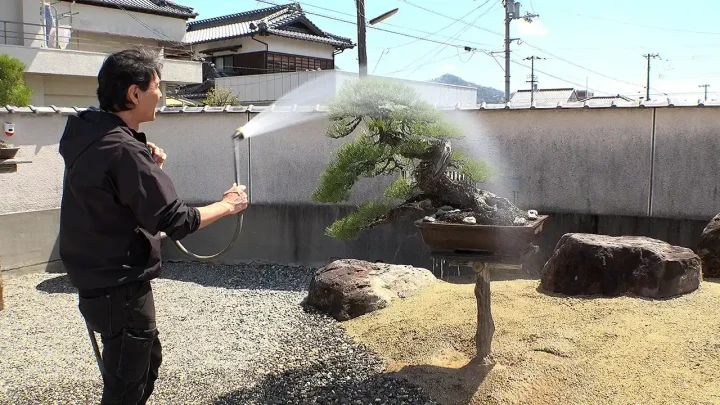
From the day the roots are cut, the care of this tree shifts to match that of a potted plant. Water without fail; in the strong summer sun, use Shade Cloth. A tree that once spread its roots through the earth and sought water on its own is, from today, entrusted to human hands.
Ring Barking is also an option. Knowing that, and choosing not to use it this time — the decision not to act sits at the heart of this work just as much as the decision to act.
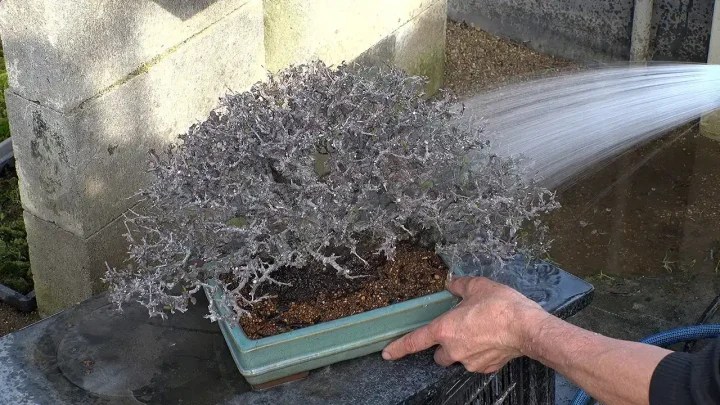
Water is given generously, allowed to seep in slowly. The work is done, and the tree begins to move quietly through the soil once more.
A tree raised over fifty years prepares to move toward its next chapter. Today's Root Pruning is that starting point. Not a completion, not a milestone — but the beginning of the next chapter in a work that spans across time.
The journey of "Master: “Fune”" begins with member registration.
Begin the Journey