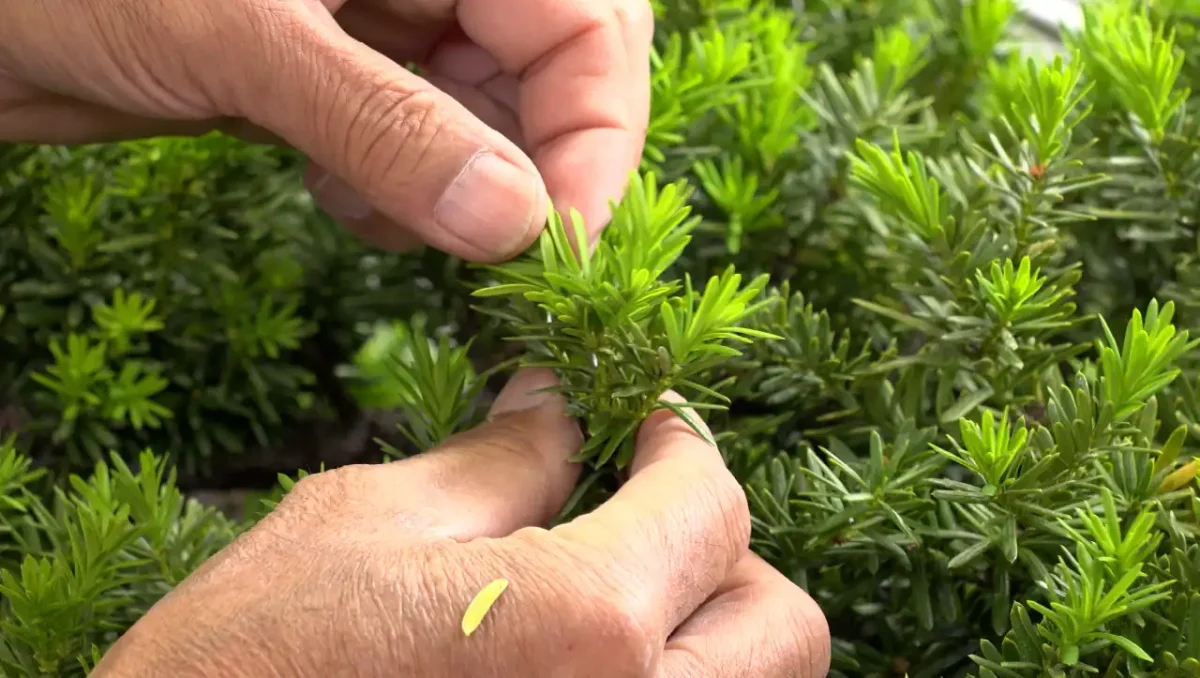
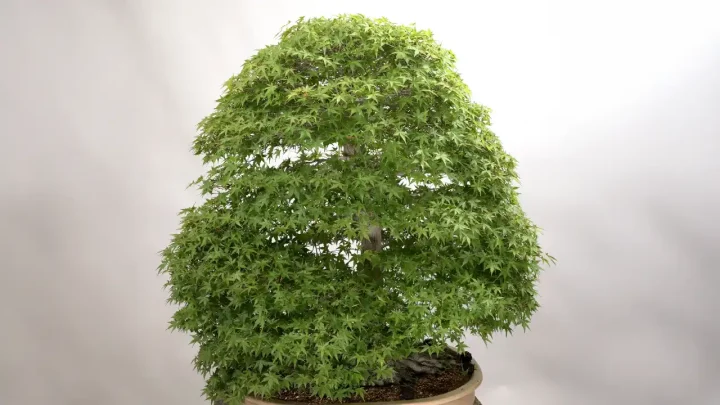
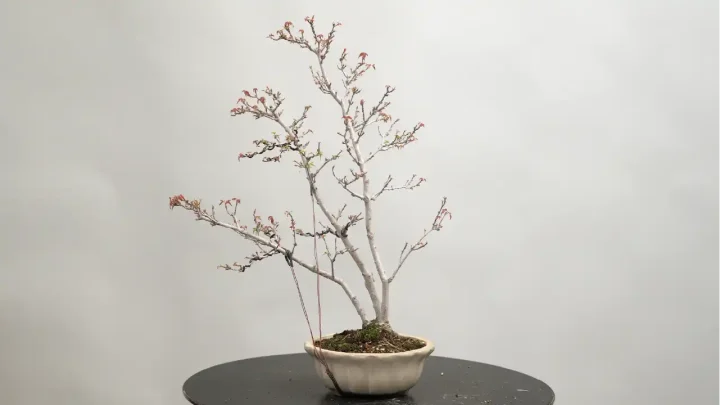
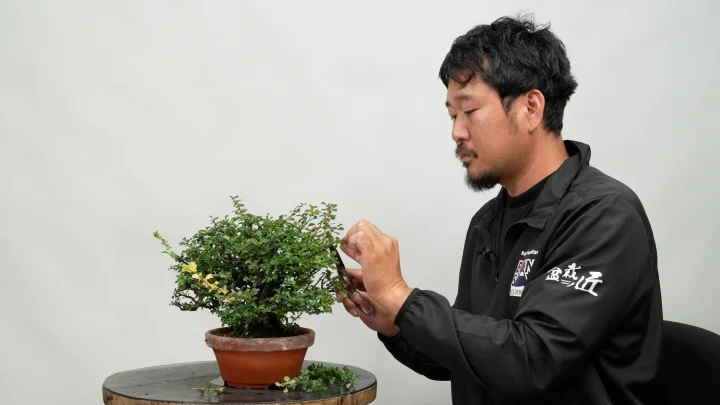
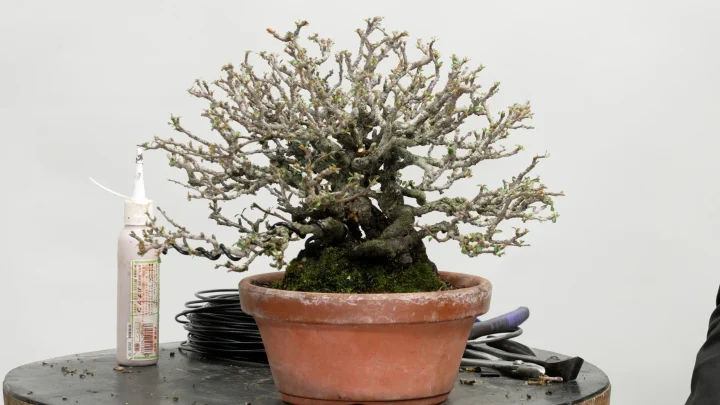
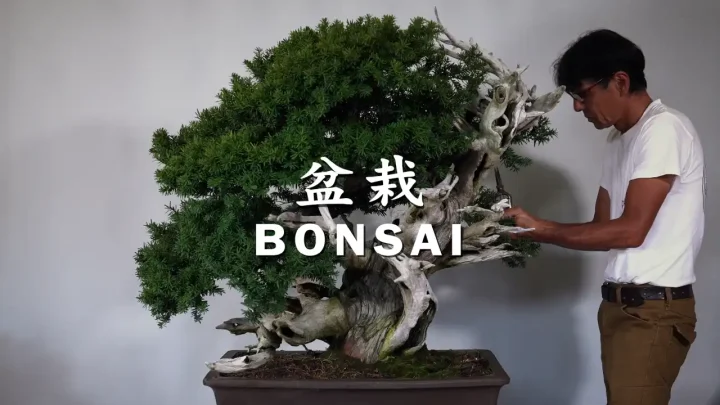
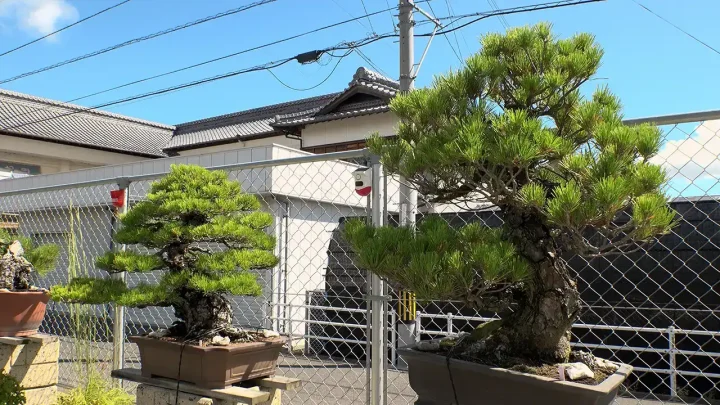
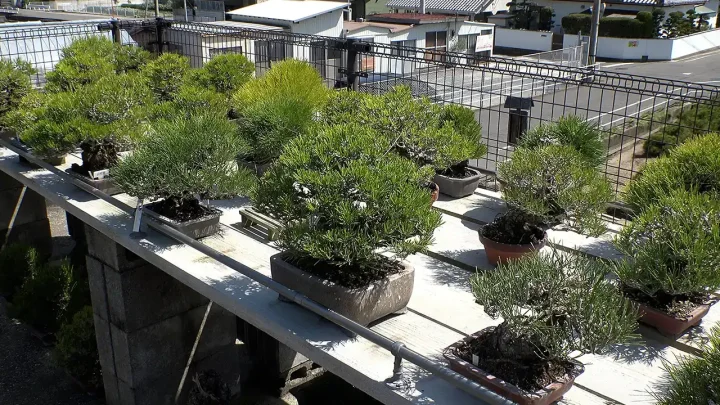
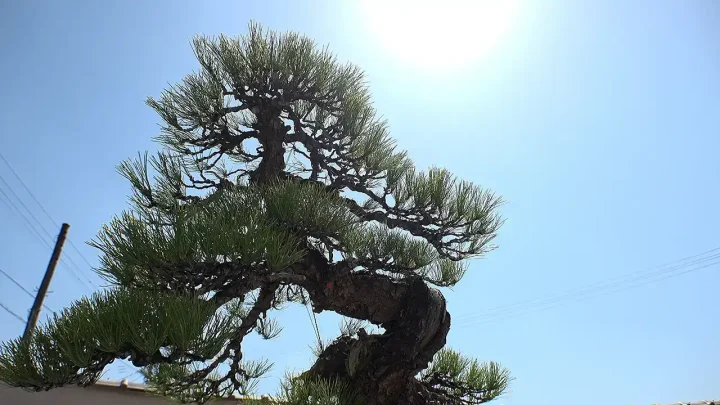
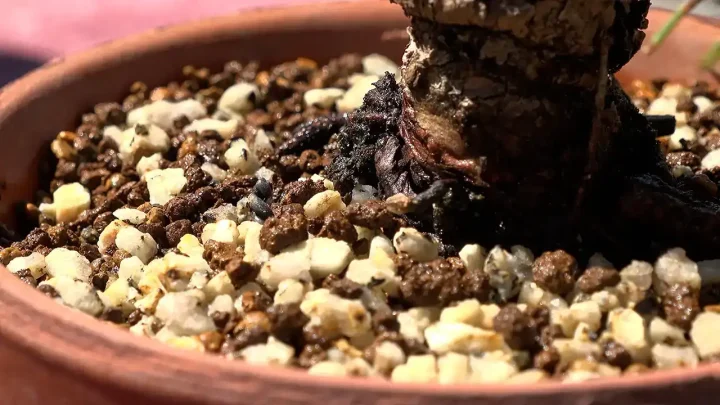
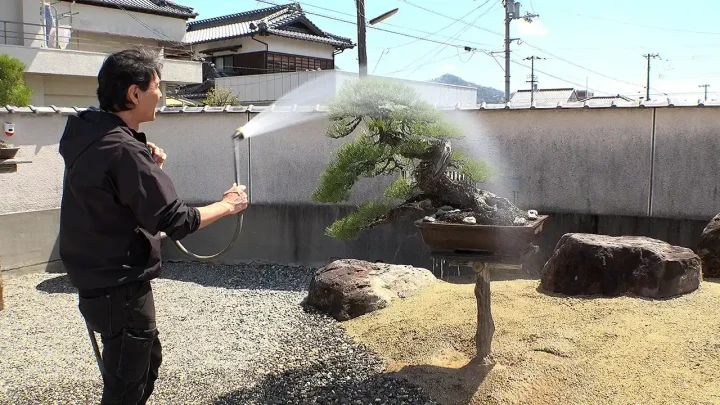
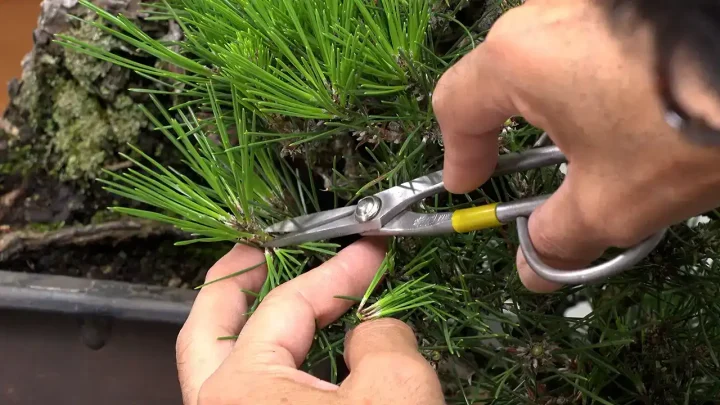
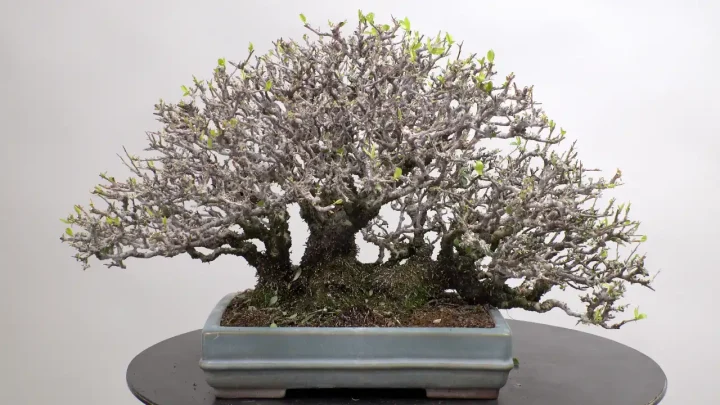
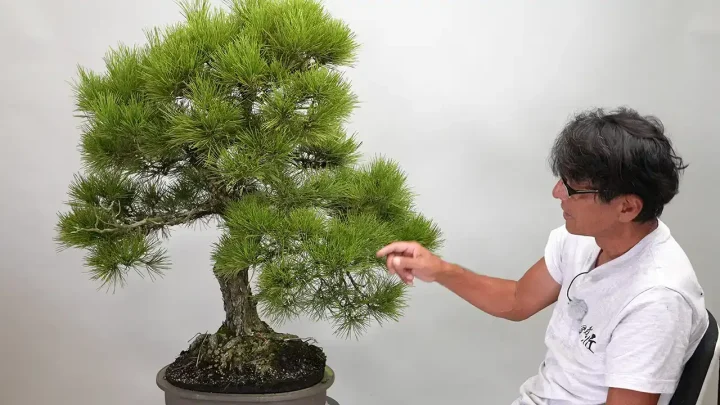
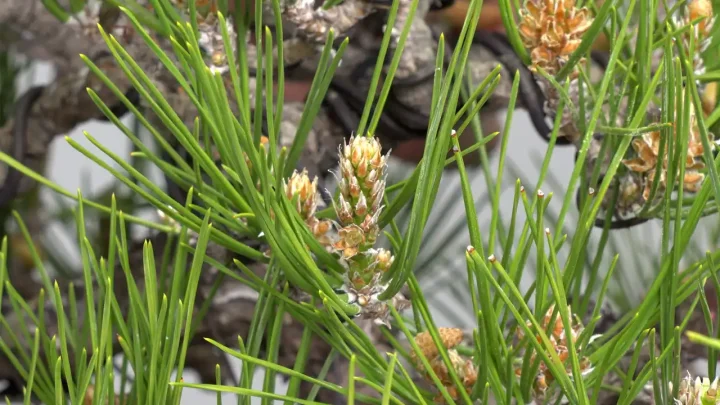
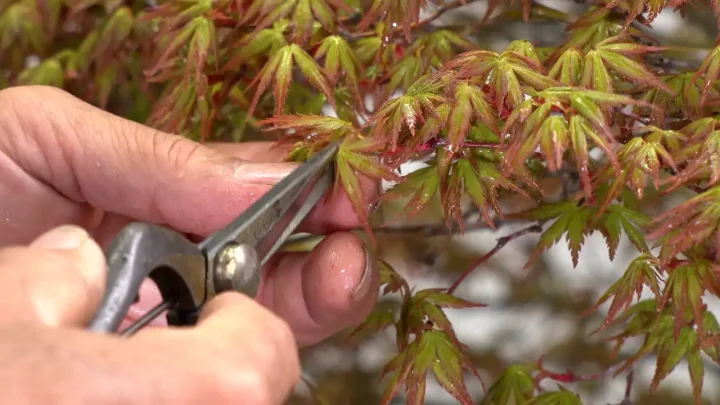
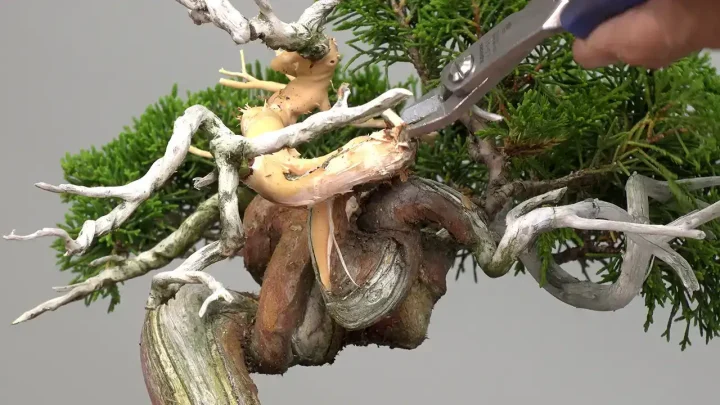
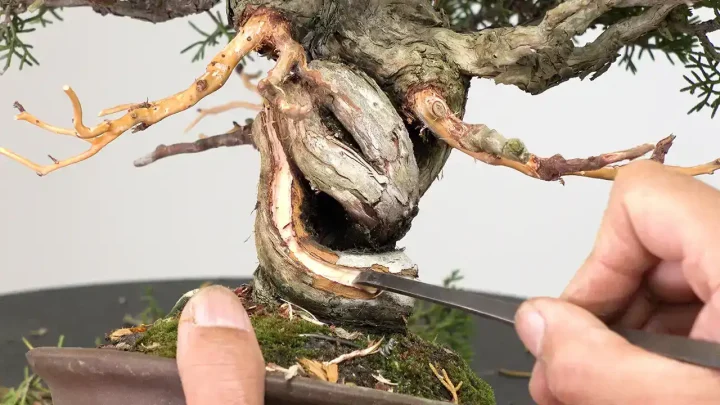
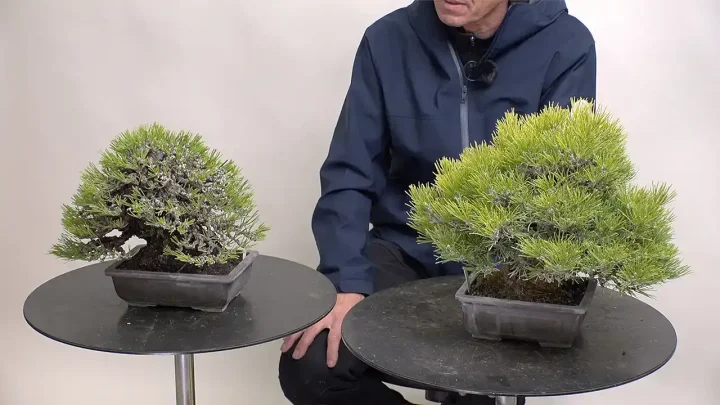
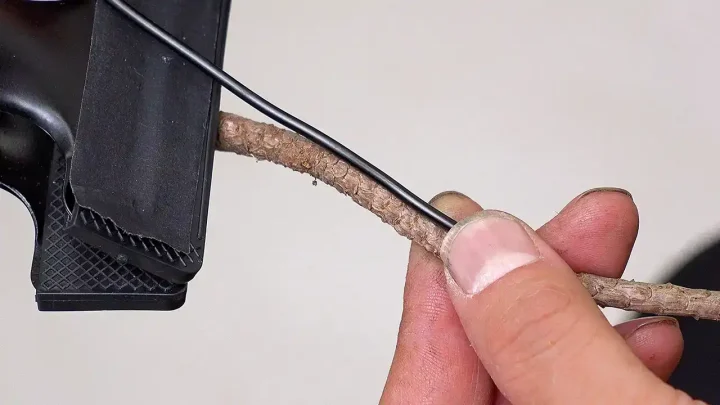
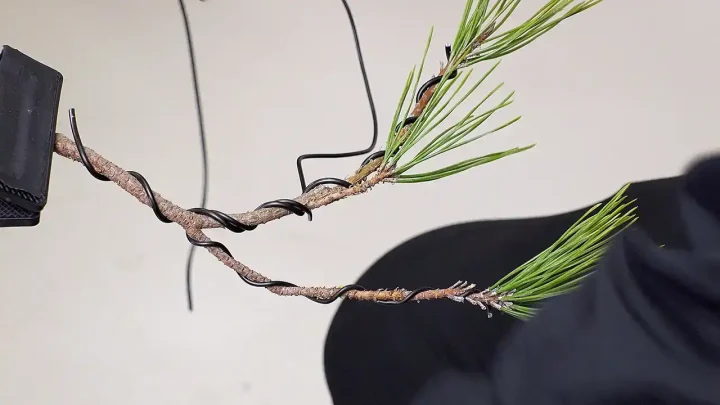
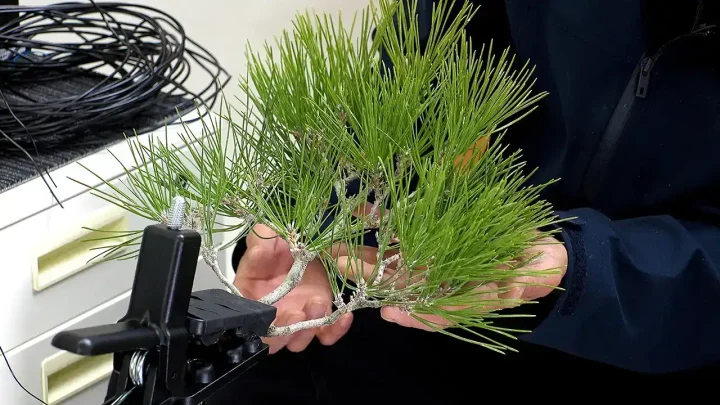
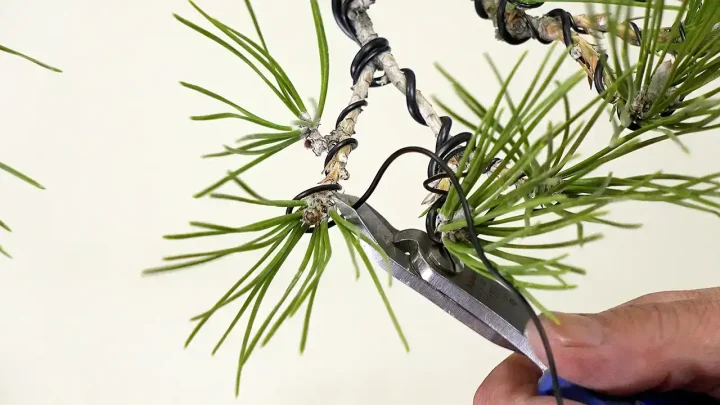
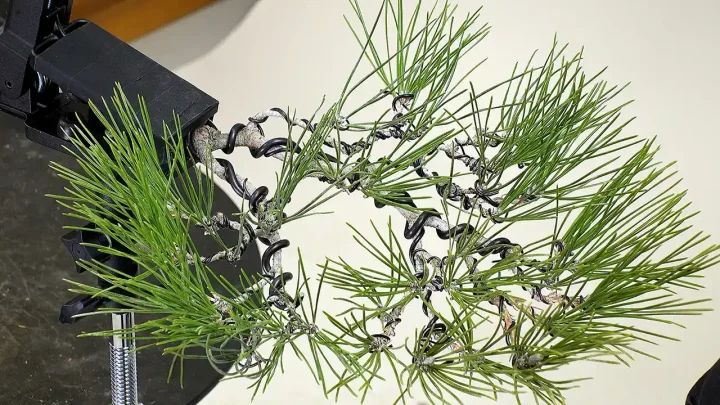
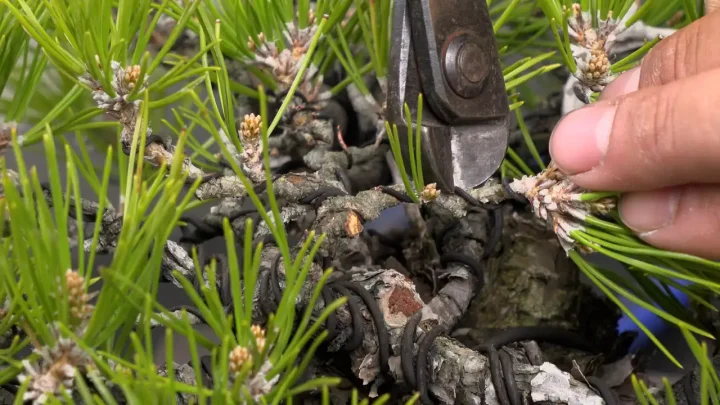
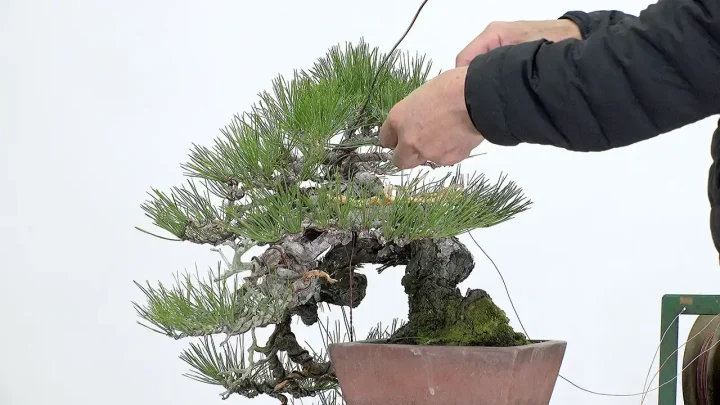
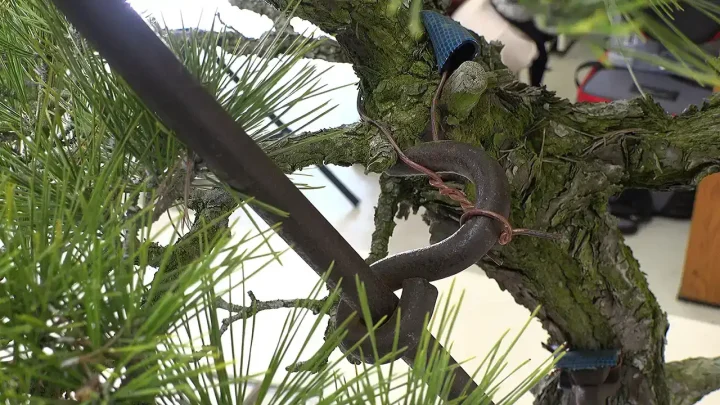
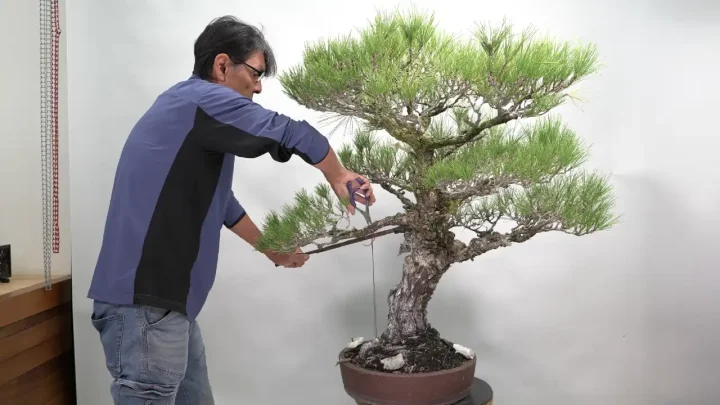
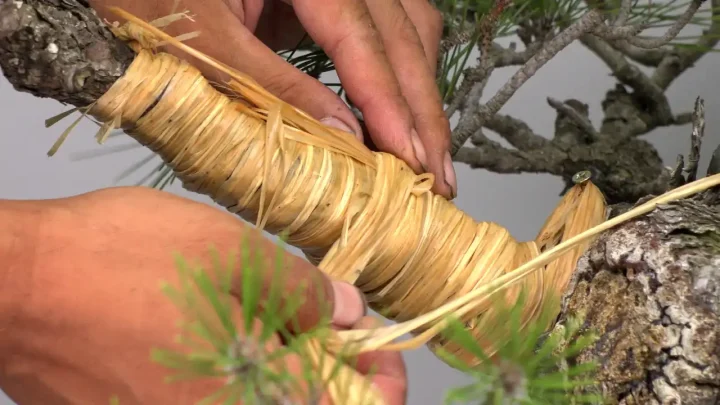
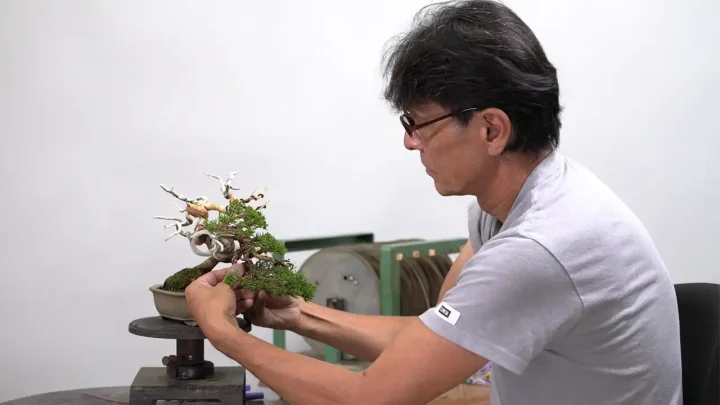
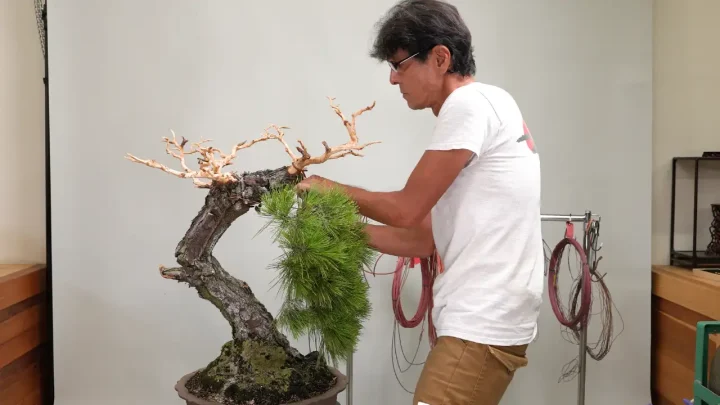
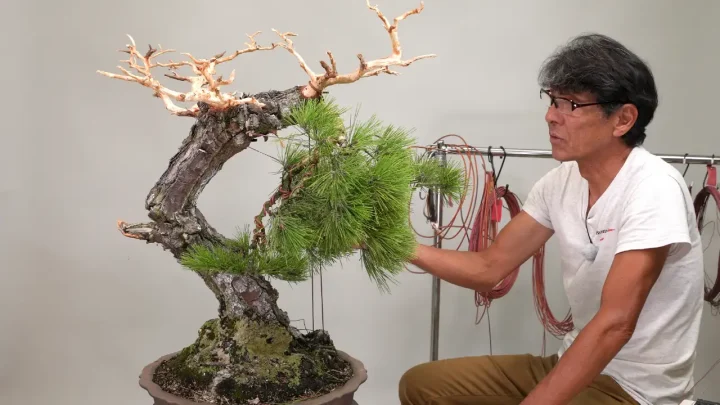
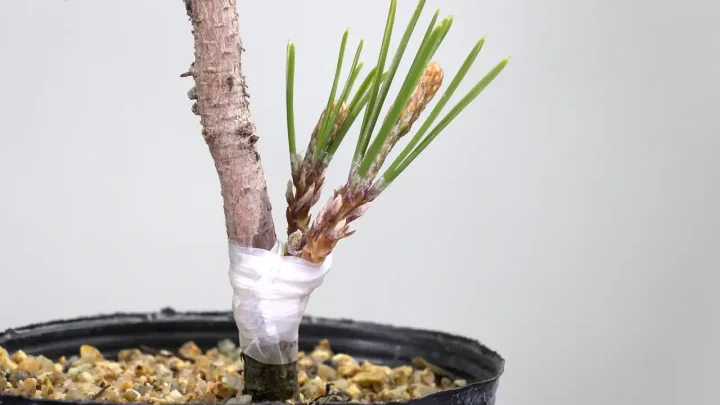
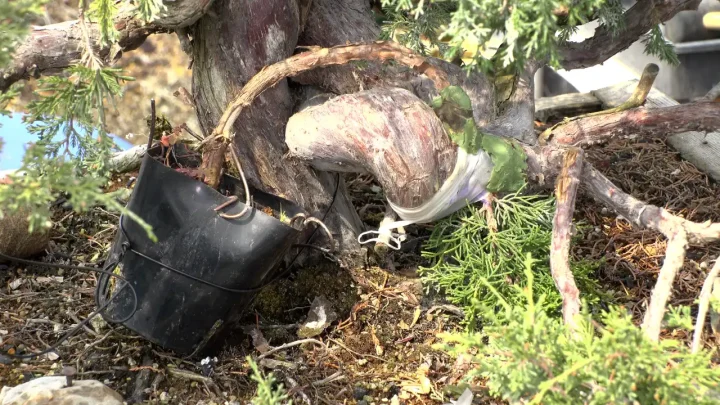
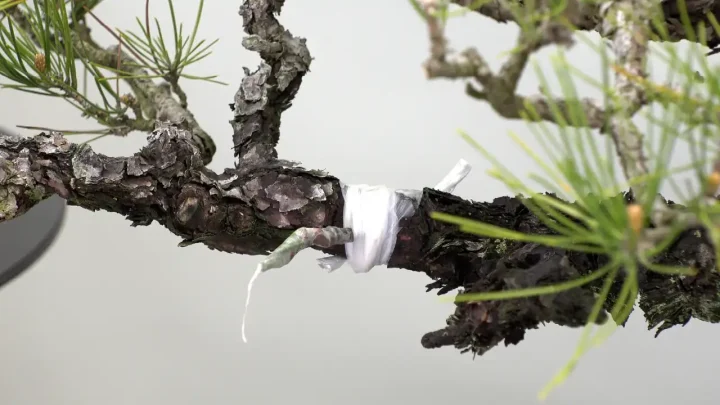
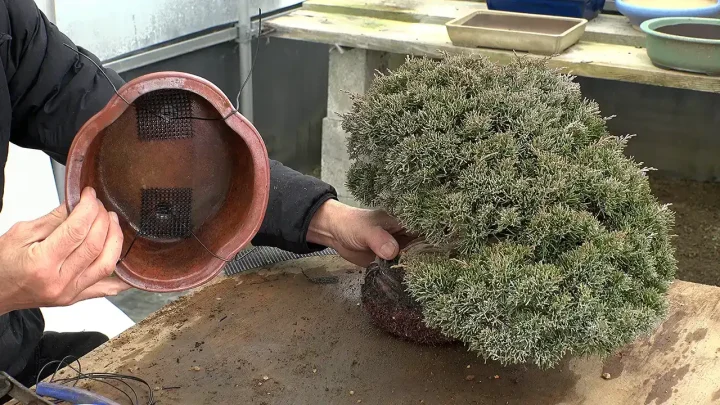
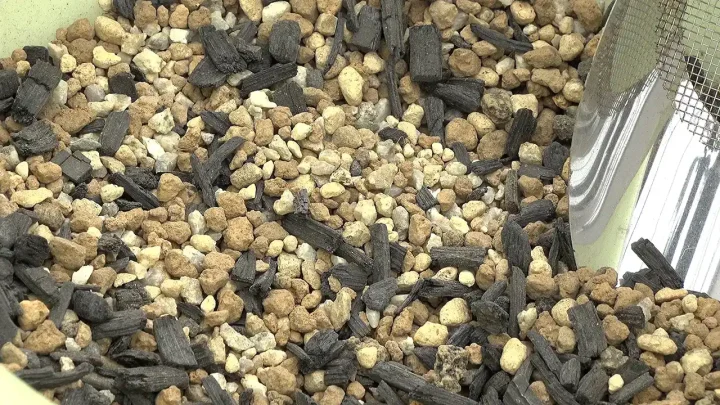
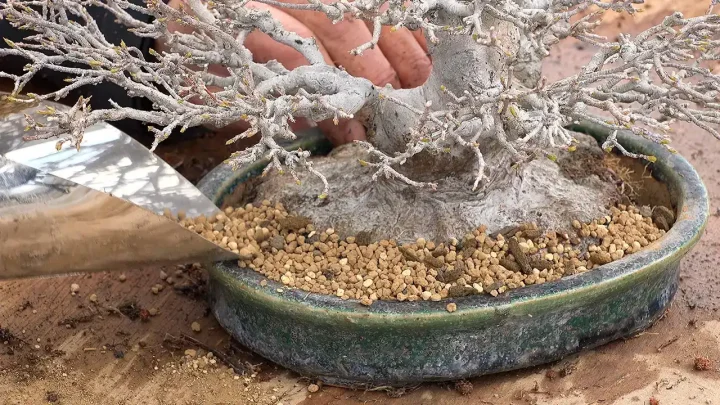
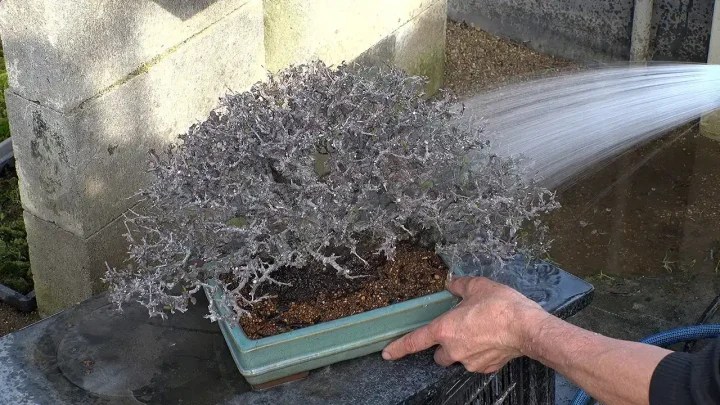
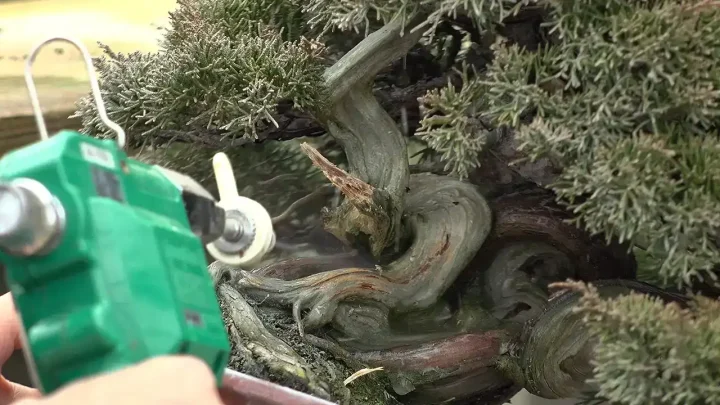
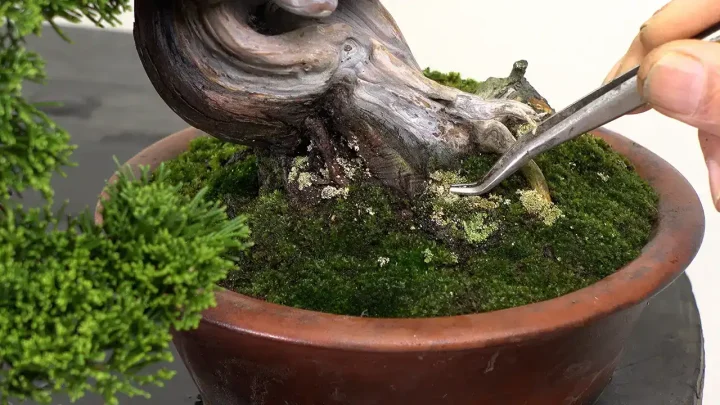
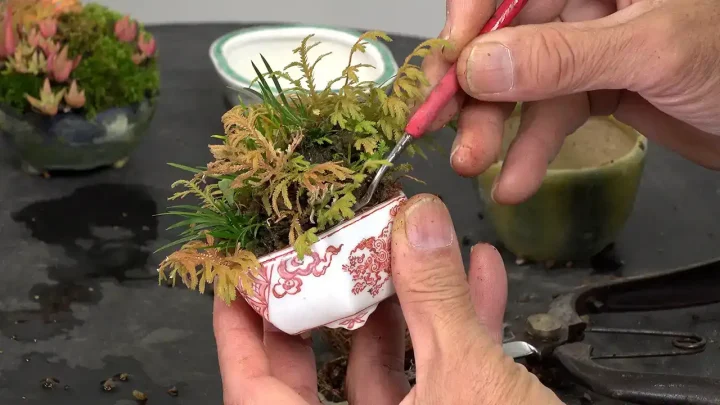
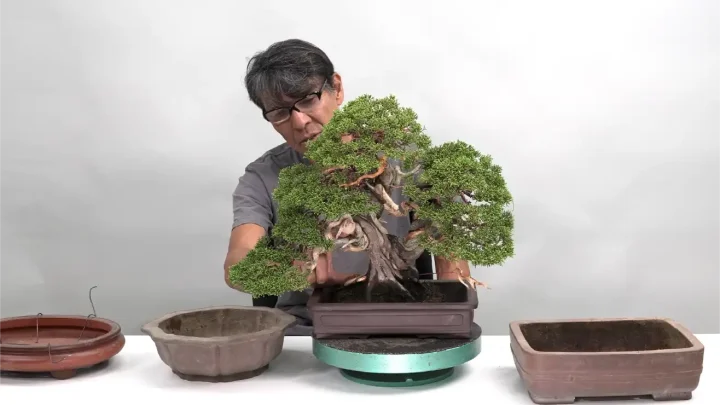
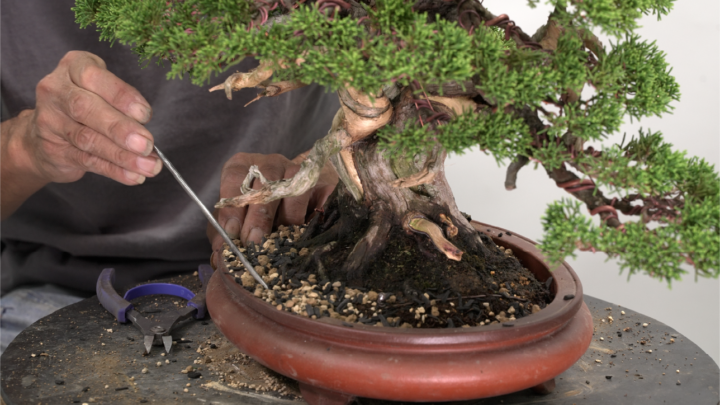
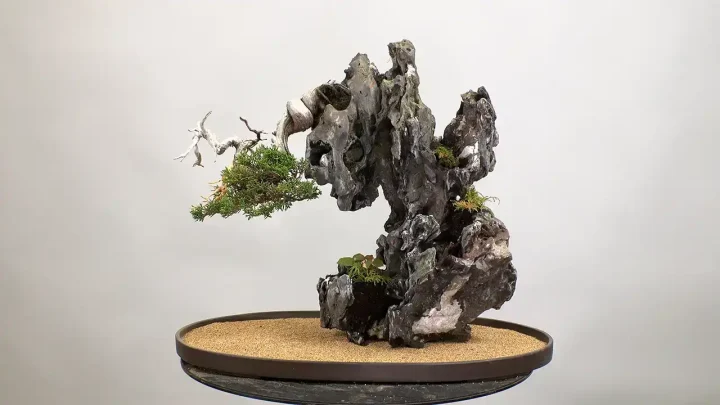
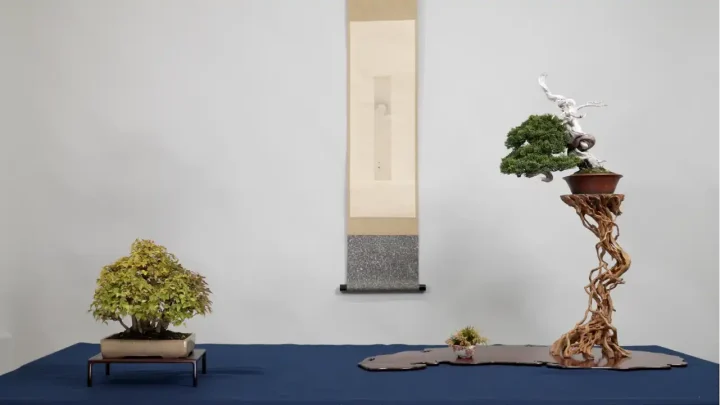
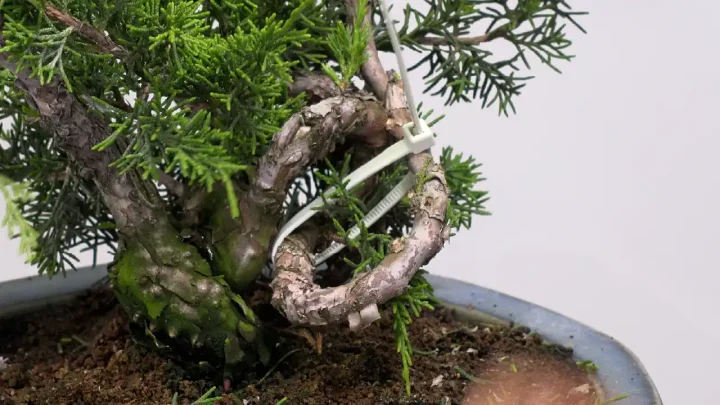
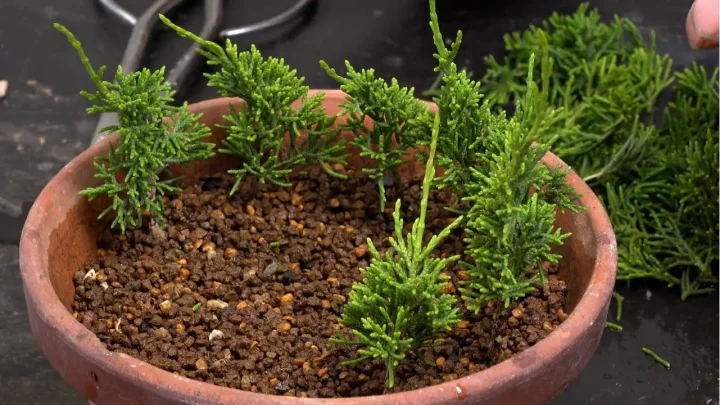
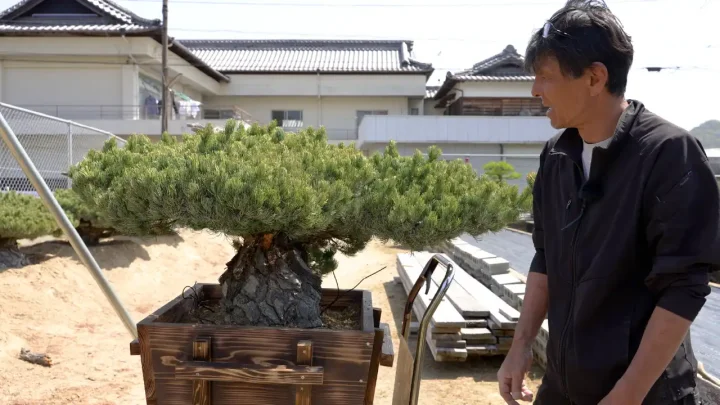
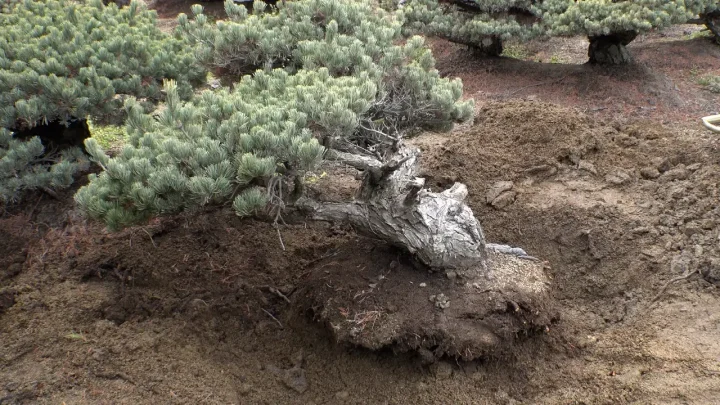
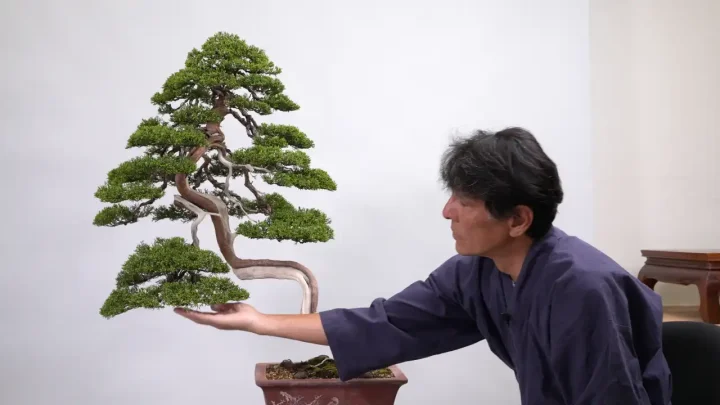
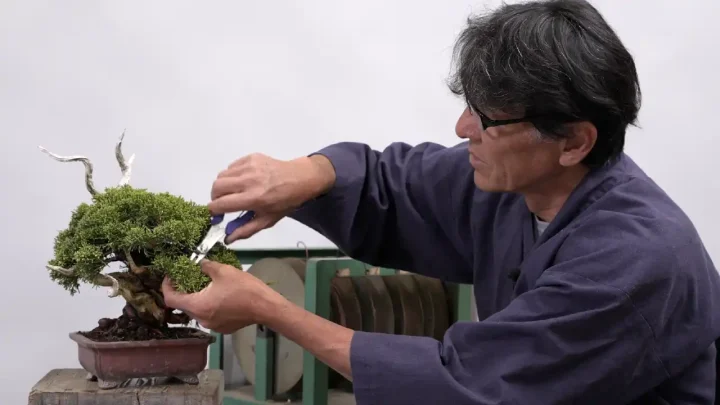
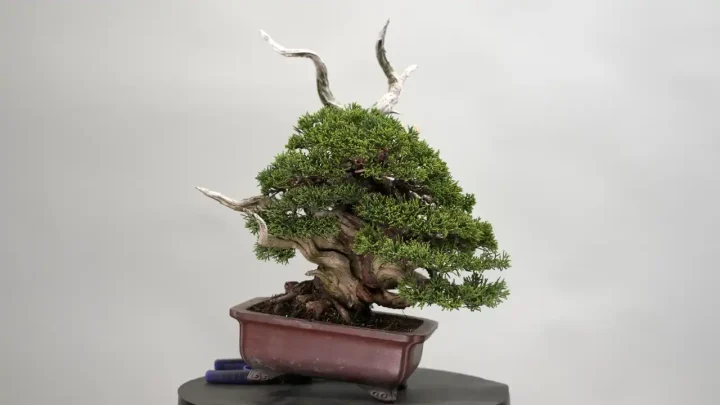
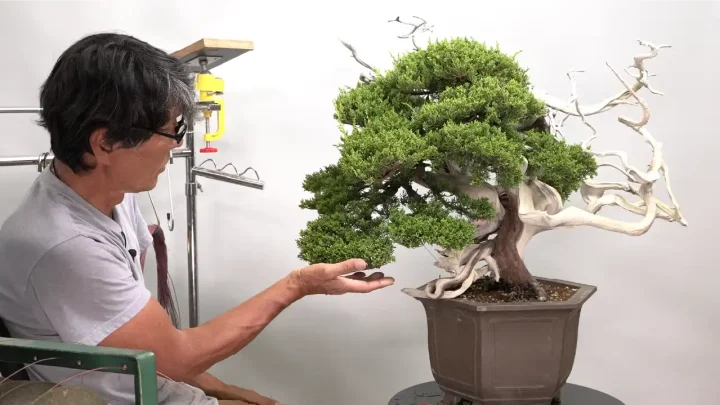
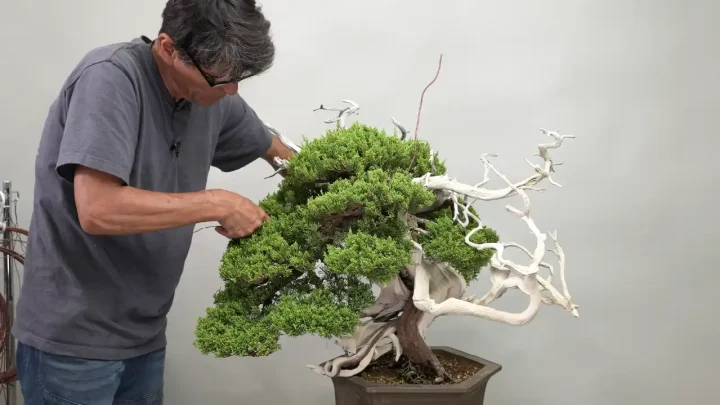
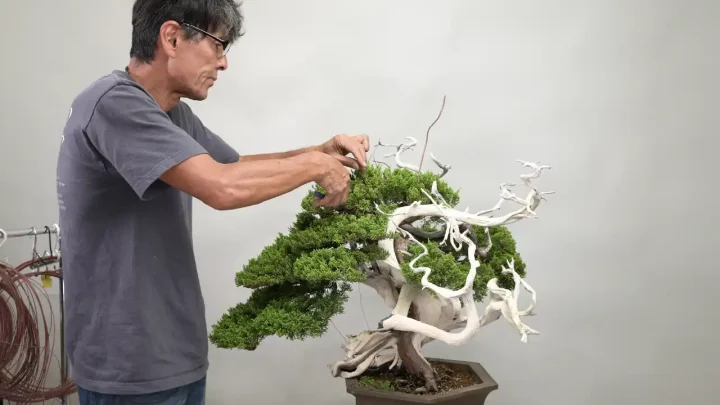
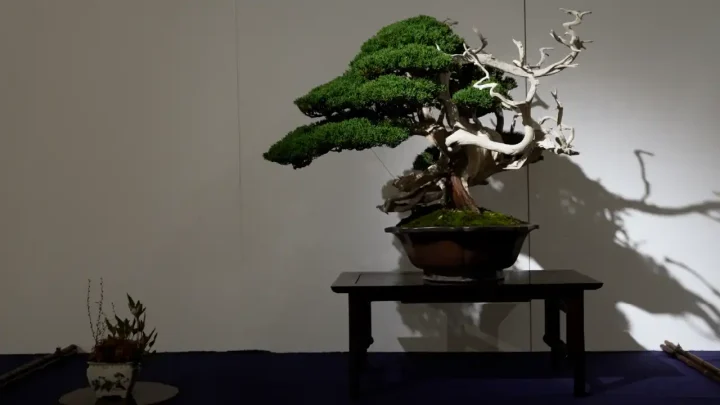
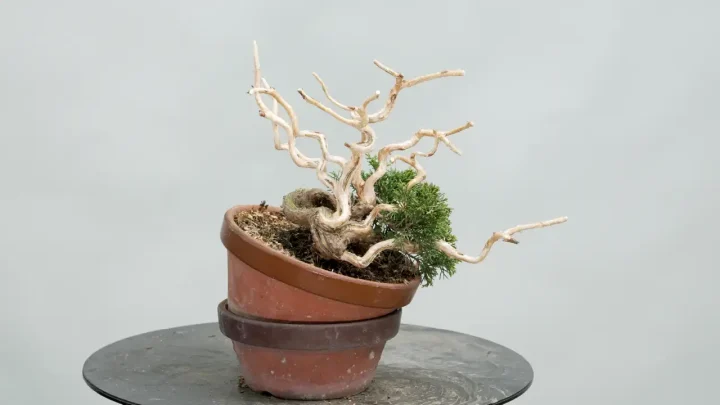
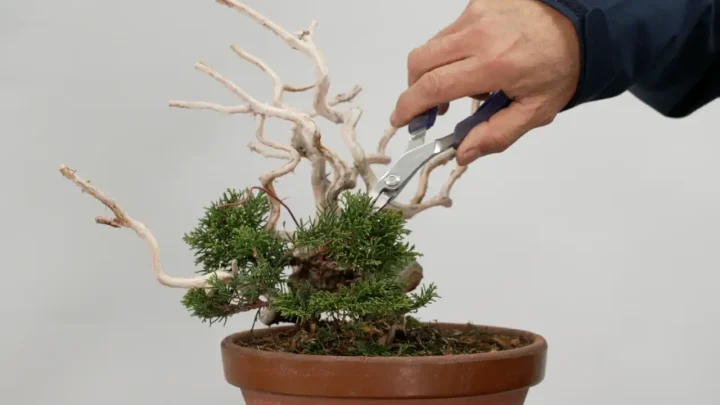
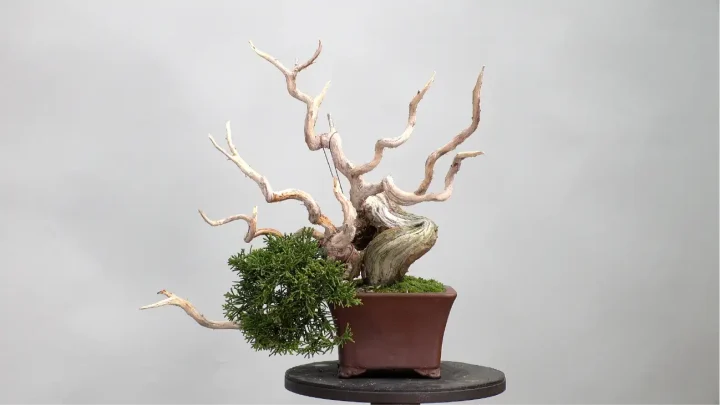
We carry out the first Bud Pinching of May on a Japanese Yew whose form was set with wire two years ago. We stop the strong tips to support the Interior Buds, drop the yellowed old leaves, and encourage new buds to push from the branch base. Maintenance is not something fixed — it is an ongoing conversation with the tree. This is the work that confirms that truth through your hands.
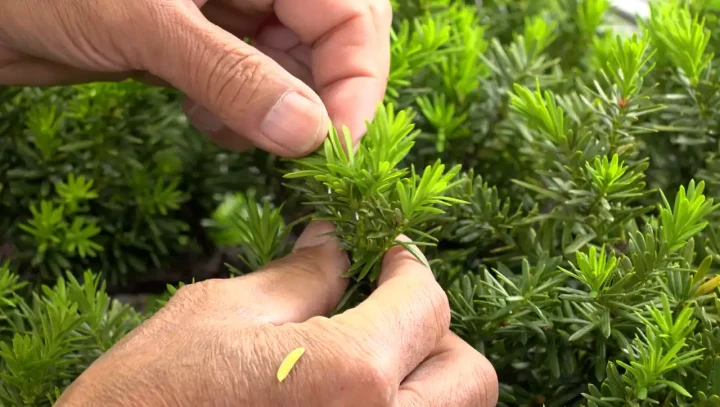
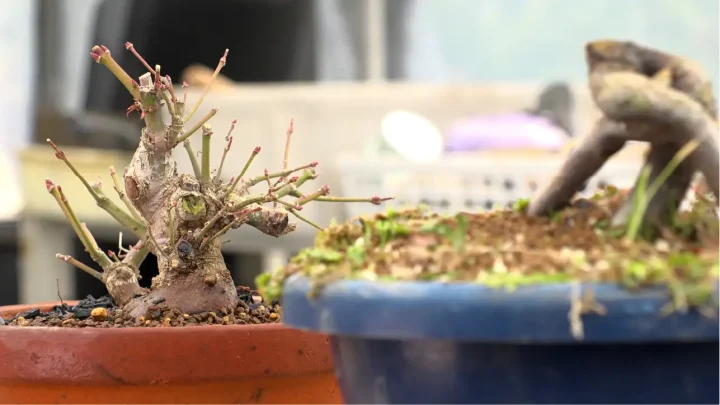
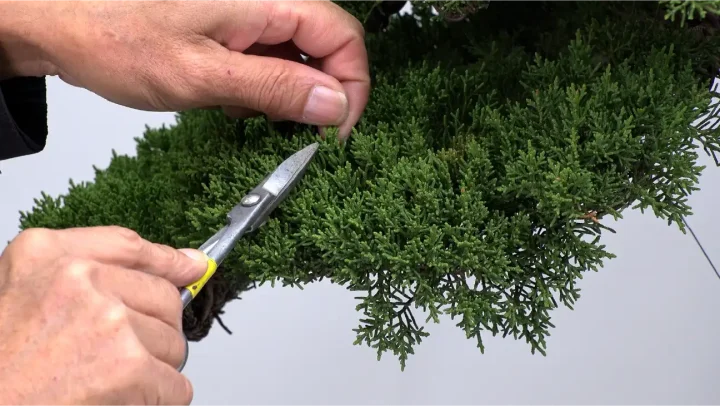
In May, the Japanese Yew looks quiet from the outside, but inside it is moving fast. Fresh yellow-green shoots push out vigorously from the tips while last year's deep green and the year before's brownish leaves all coexist — three generations at once, and the tree is in full stride right now.
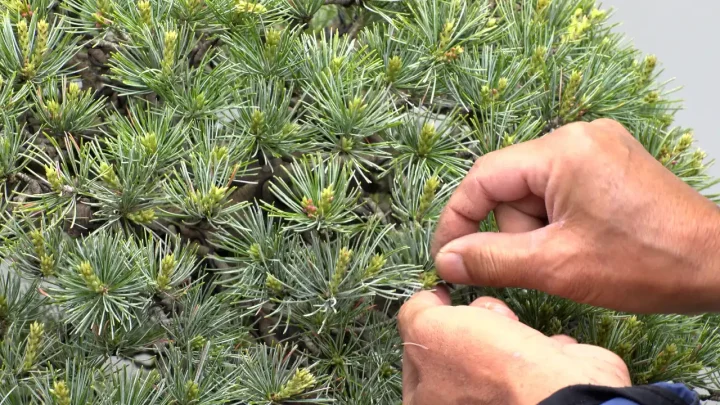
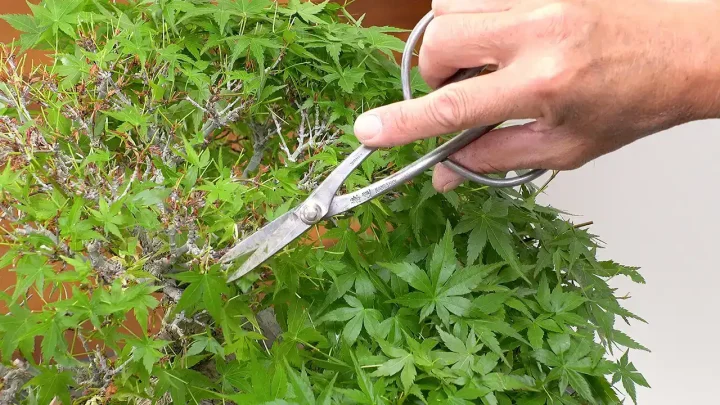
This is the moment to bring the scissors to the strongest buds first. The weaker buds — leave them alone for now. What we stop first is the vigorous tip. Why? Leave a strong tip unchecked and the tree's energy keeps moving outward. The Interior Buds gradually fall into shade, lose their light, and eventually lose their strength. Stopping the tips is an act of giving the weaker buds at the trunk base and branch base their turn. It draws the outward-reaching energy back inward.
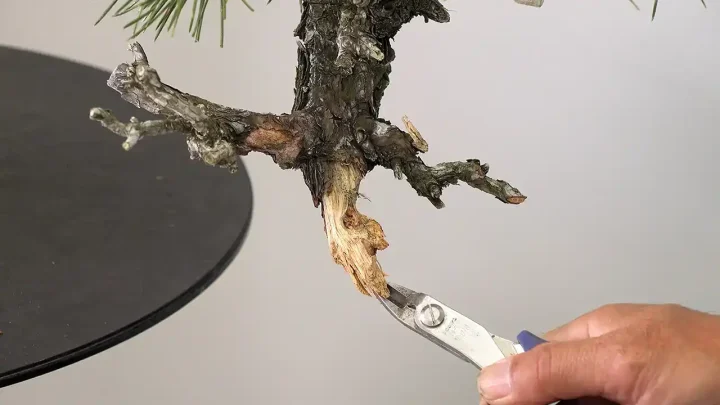
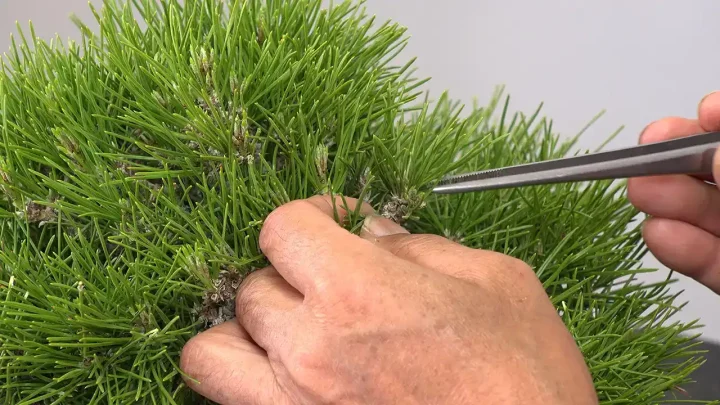
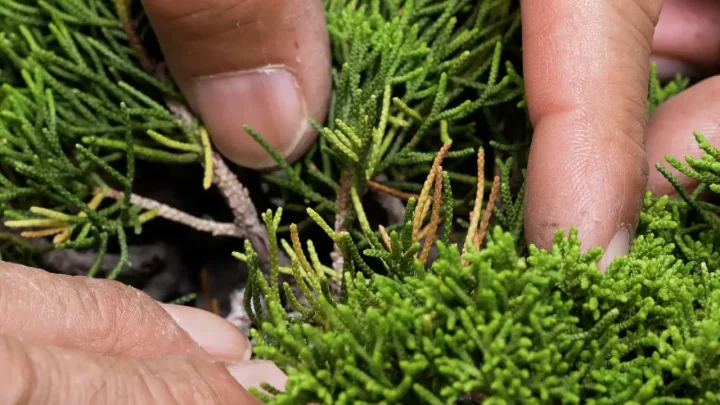
Drop the yellowed old leaves without hesitation. Where three or more branches emerge from the same point, cut the center one and let the remaining two form a fork. Where a branch has escaped the silhouette, cut back to the next young bud to keep things compact. What all of this work shares is a single idea: removing the surplus strengthens what remains.
From the leaf axils where old foliage has been removed, new buds will push again. Removal is not an act of killing — it is an act of encouraging renewal. The plant itself is always shedding what it no longer needs; we are simply moving that process forward with careful hands. Seen that way, the hesitation before bringing the scissors in may lift a little.
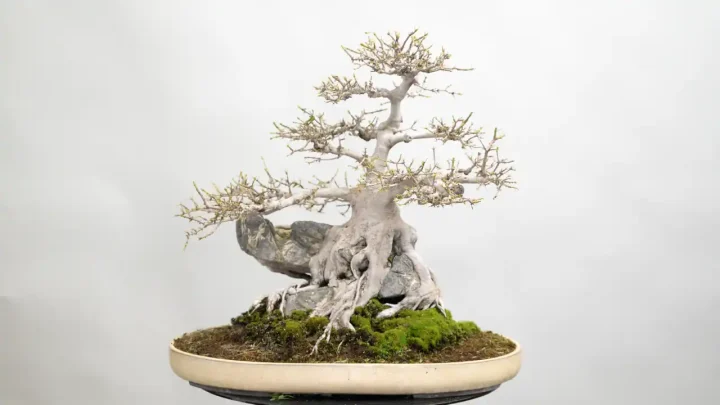
'Maintaining' the form — protecting the silhouette built up two years ago with wire — that is the purpose of Bud Pinching. But maintenance does not mean guarding something fixed.
The tree never stops. We keep refining the silhouette as it grows, building up the interior, continuously adjusting the balance between strong and weak. Maintenance is not stillness — it is an ongoing conversation with the tree. Rather than defending a form, it is only by continuing to converse with the form that the form stays alive.
This time spent moving your hands bud by bud — it is not simply maintenance. It is time that slowly deepens the relationship between you and the tree. That, you usually notice only after the work is done.
The journey of "Master: “Fune”" begins with member registration.
Begin the Journey