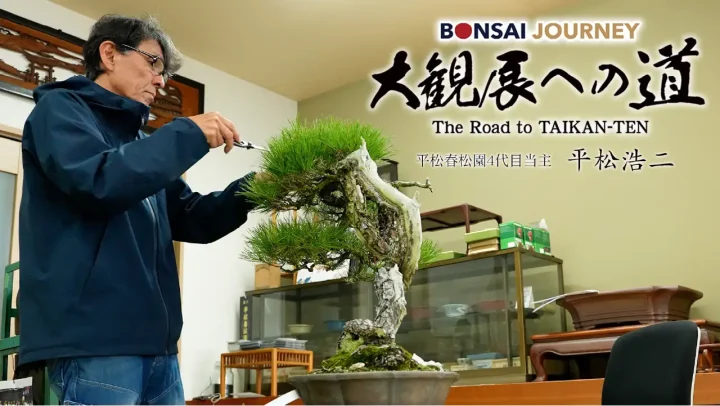
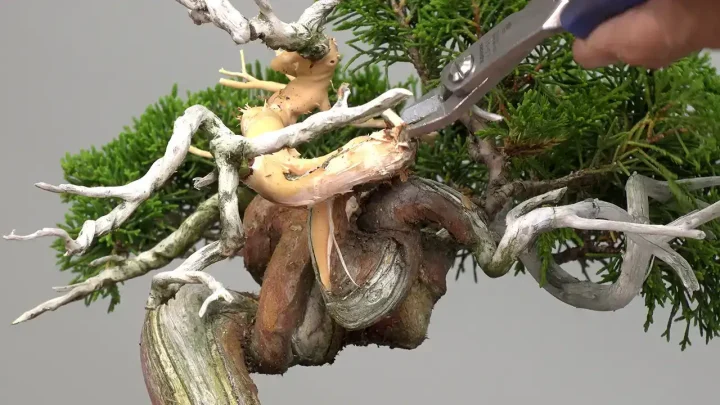
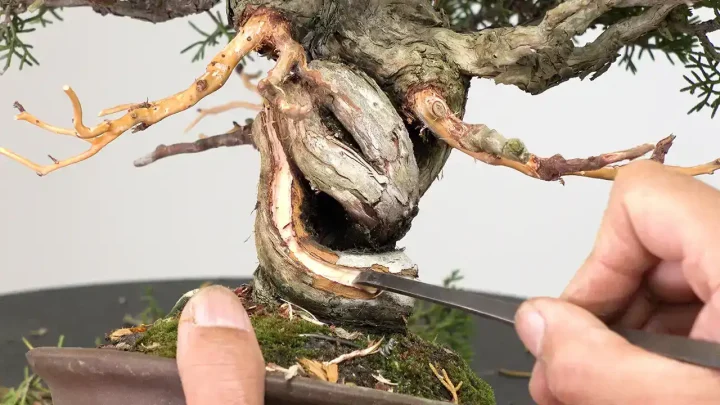
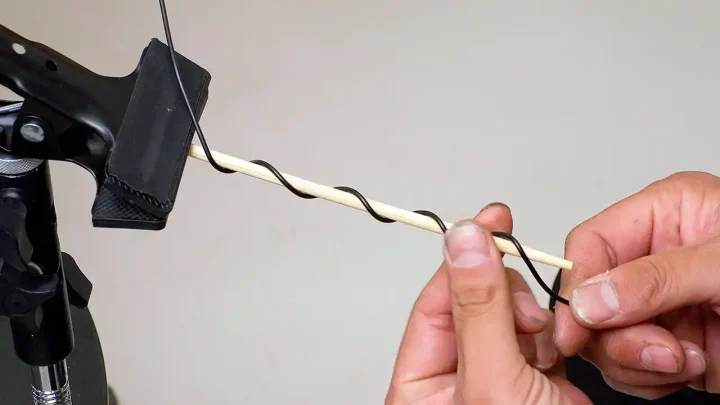
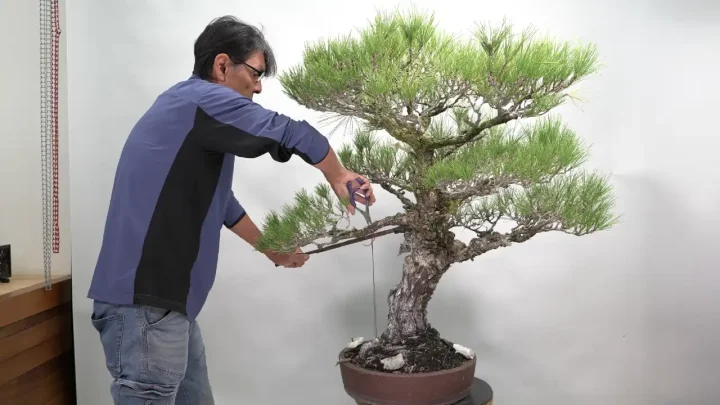
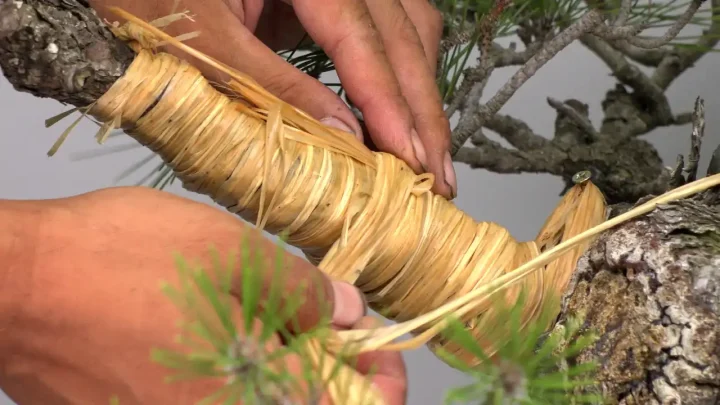
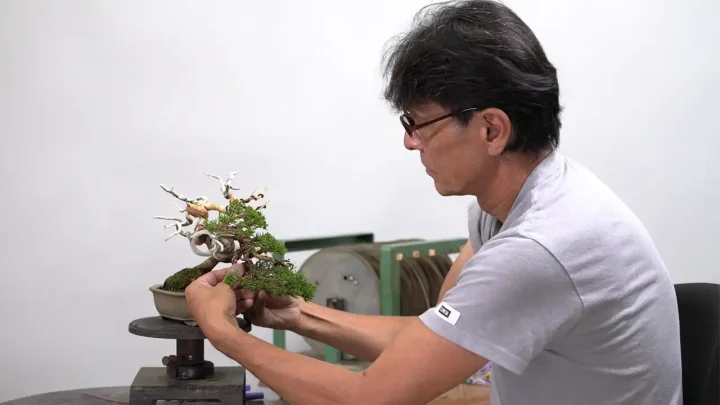
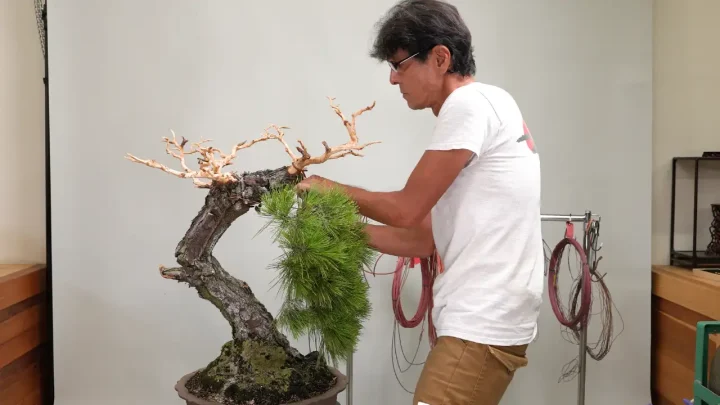
We look at the tools used for Branch Bending and Trunk Bending, together with Koji Hiramatsu. From tools handed down two generations ago that have weathered a hundred years, to off-the-shelf jacks and the rebar found on construction sites — elaborate specialty tools are not the only tools. The idea of making the most of what is there opens up, considerably, how you meet a branch.
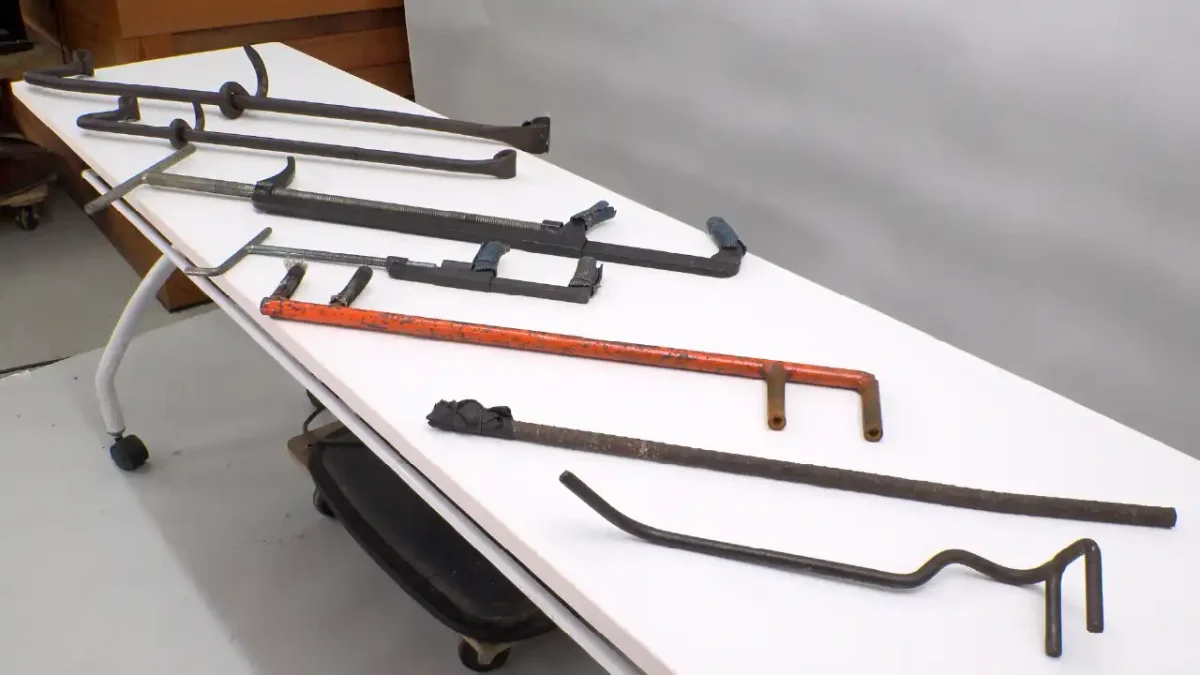
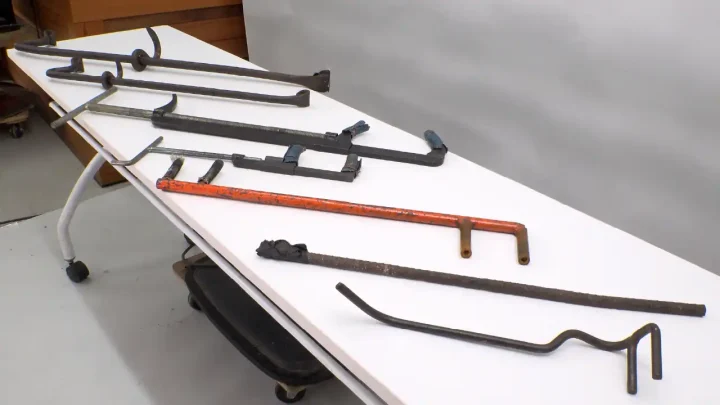
Laid out on the workbench are Branch Bending tools passed down from two generations before. A hundred years old, and still alive in these hands today.
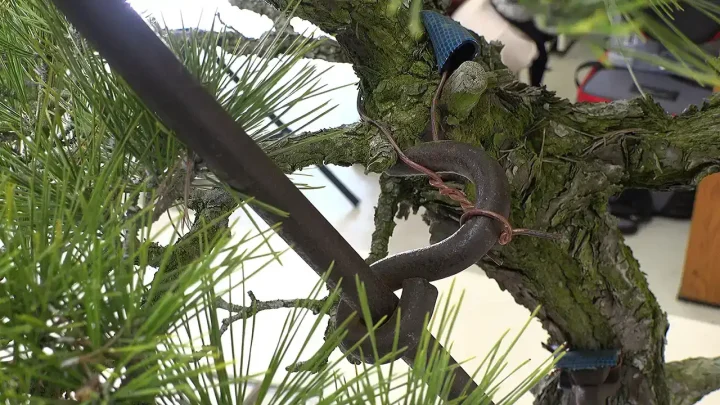
A hook type, one with a curved tip. Two kinds — for heavy branches and for mid-sized branches. The difference in shape exists because each one answered to different branches over time. These forms were born from someone's trial and error. With every use, a tool slowly gathers the memory of the hand that held it. And one day, it becomes an extension of the next hand.
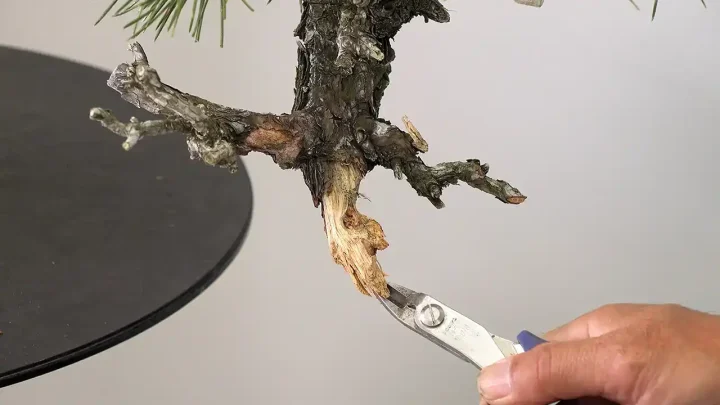
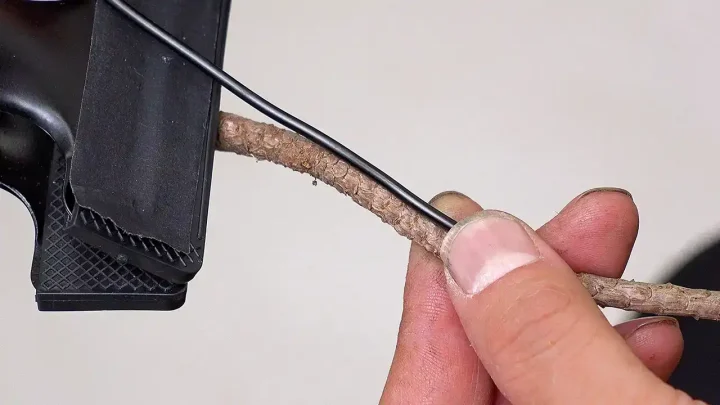
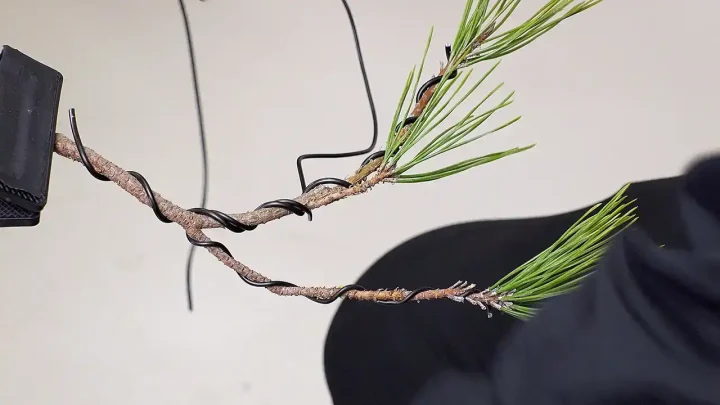
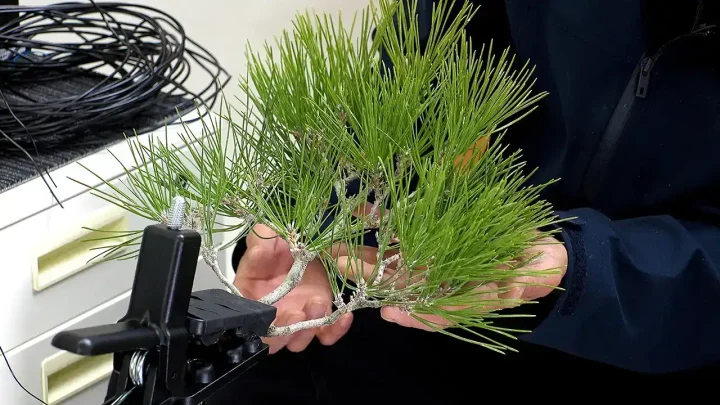
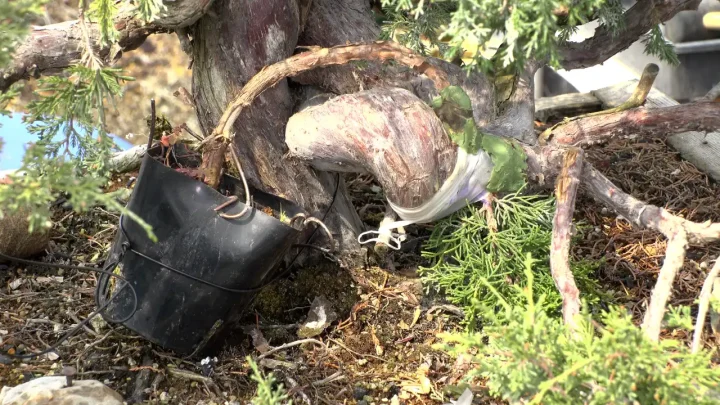
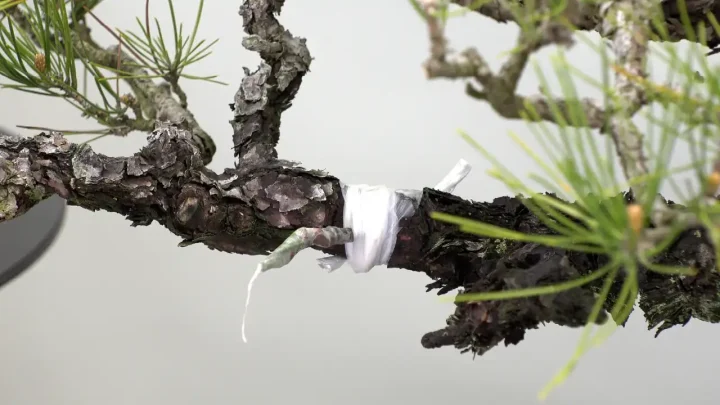
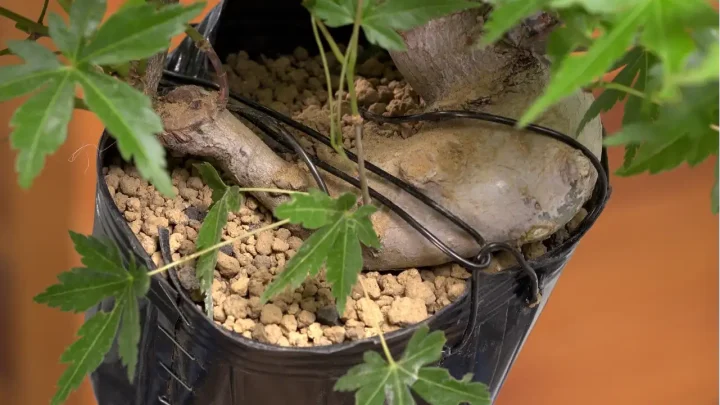
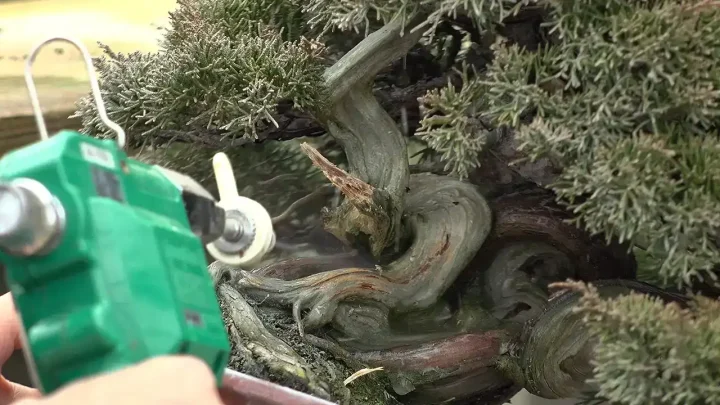
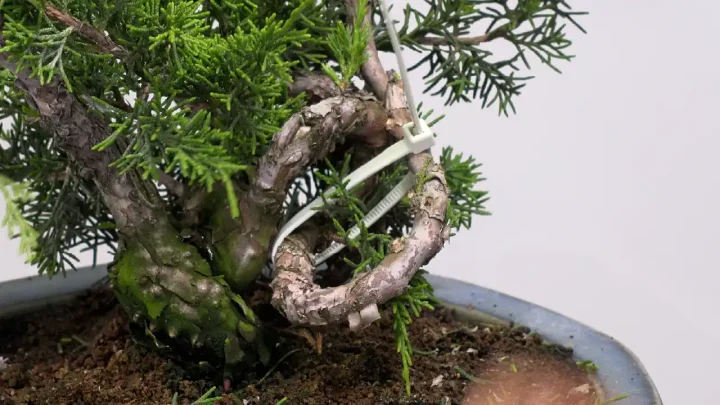
There are many tools for Trunk Bending. A screw-type jack is used to shift the angle little by little. Some work by inserting the branch and applying force; others are designed specifically for trunk work. You look at the thickness and condition of the branch, then choose your tool.
And yet among them, there is rebar — the kind of ordinary material you would find on a construction site. It does not need to be purpose-built; it only needs to be able to stand between branch and hand. The idea of making the most of what is there opens up the choice of tools considerably. Elaborate specialty tools are not the only tools. The 'ordinary' things around you can, with a small moment of ingenuity, become the best thing for the job.
Continuing to use a hundred-year-old tool is not simply a matter of cherishing old things. What branches did the generations before face, and how did they apply their strength — those traces of experience are held within the shape of the tool itself. Even as the hands change, that memory is passed along.
It is often said that technique is learned through the body. But perhaps tools, too, hold memory in the same way. A well-used tool carries the weight of time. When you face a branch with that weight in your palm, it feels as though something of those who came before flows quietly into you.
To carry something forward may not be about preservation. It is through continued use that something is truly passed on. Tools go on proving this, quietly, without a word.
The journey of "Master: “Fune”" begins with member registration.
Begin the Journey