
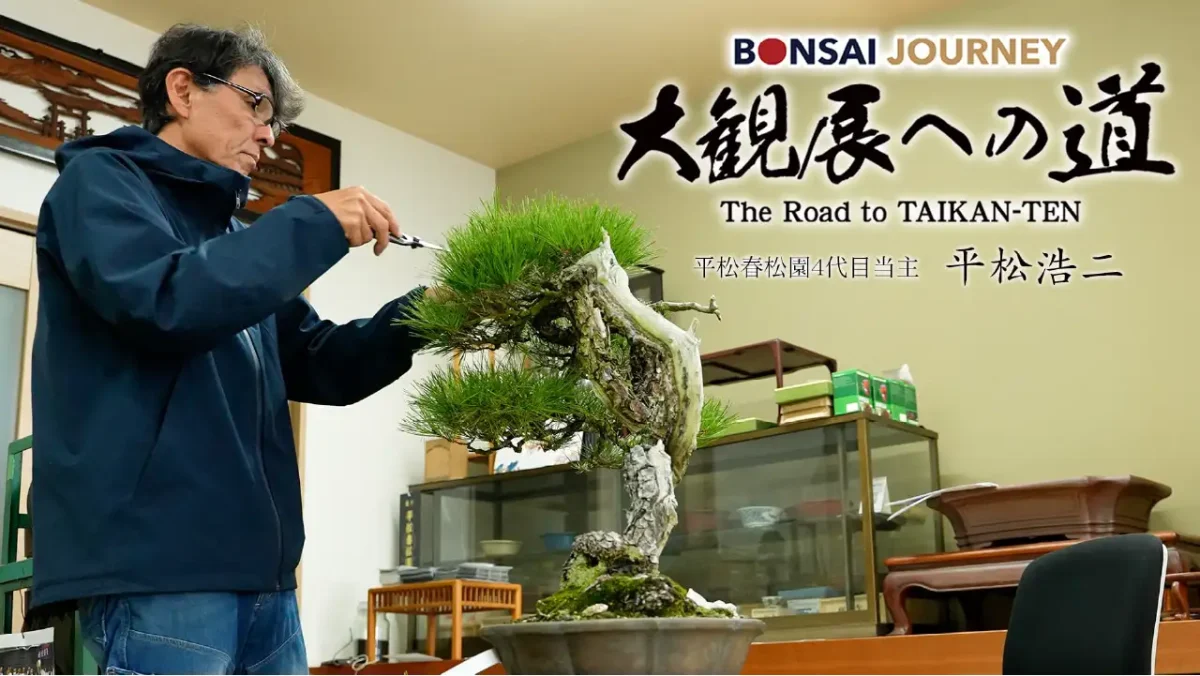
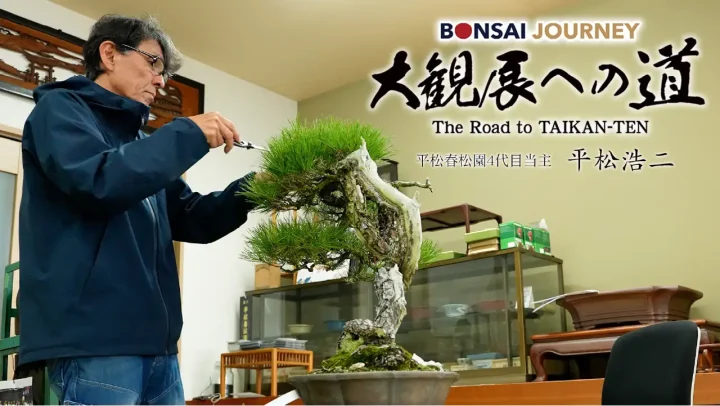
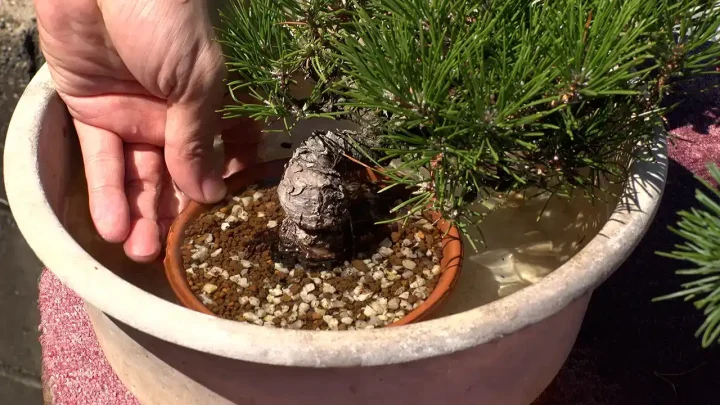
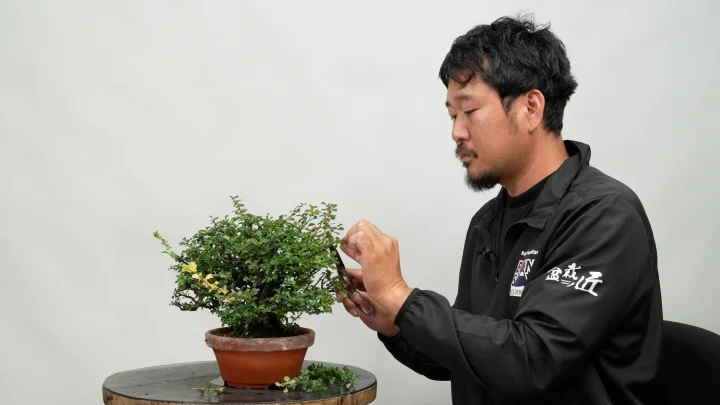
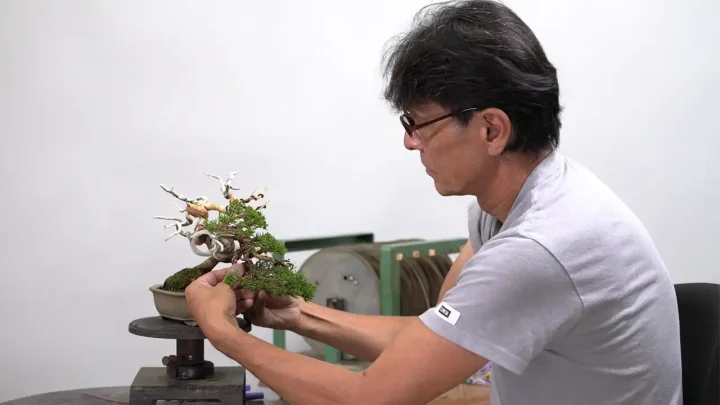
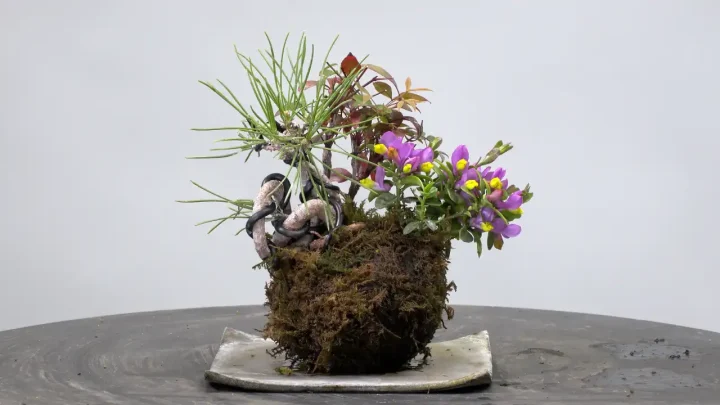
One week before the exhibition, he applies moss to a red pine in the bunjin style. Quiet hours of handwork, blending the moss with his fingertips to shape a natural bearing. “The outcome is decided in the preparation”—Sensei’s accumulation of effort toward the Taikan-ten at Miyako Messe is right here.
The Taikan-ten, held at Miyako Messe in Kyoto. For Koji Hiramatsu, this is the place where he presents his meticulously crafted work to the world each year.
Yet the true beginning of an exhibition is not at the venue itself. From applying moss a week beforehand, to loading trees in the dead of night, to setting up the following morning—the real contest lies entirely in the road that leads there.
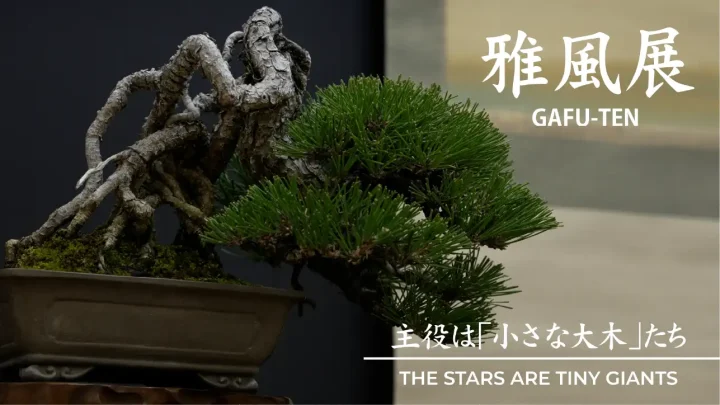
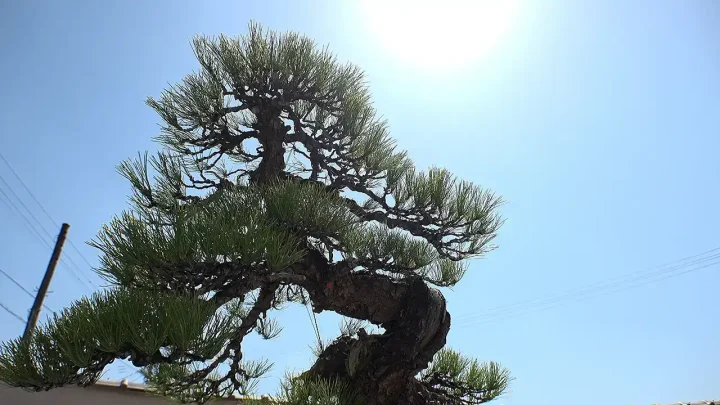
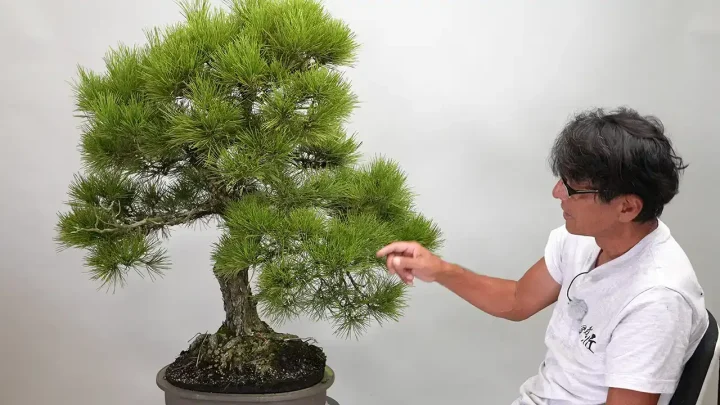
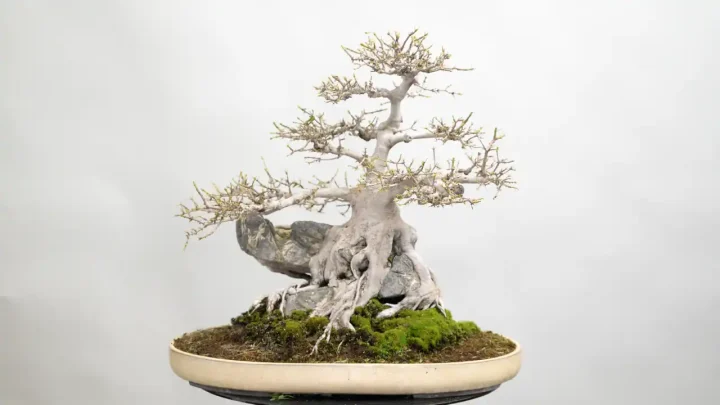
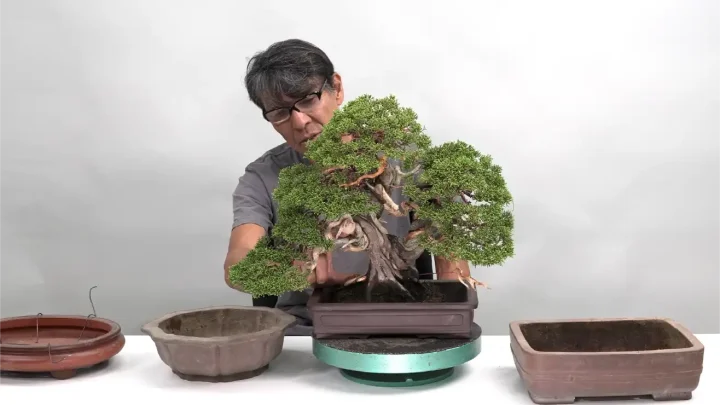
The star of this installment is a red pine in the bunjin style—a piece housed in a Shiro-Kochi pot, shaped over the course of several years.
“It’s nothing like the kind of tree that overwhelms you with sheer power”—that is what the bunjin style is. The old masters, it is said, would look at a tree like this and call it “a tree you can drink tea beside.” Though Sensei himself says he has not yet reached that level, there is something in this tree that can only be appreciated through quiet contemplation. A tree that stands in stillness, one you simply want to linger beside—the bunjin style holds that dimension of beauty.
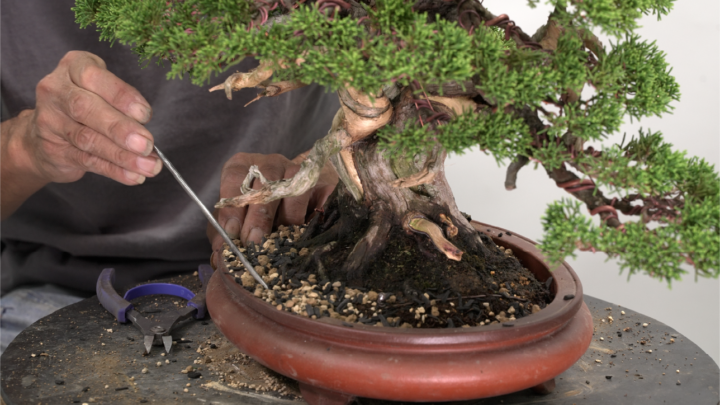
Don't over-shape the branches. Leave the flowers slightly disordered, preserving a natural air. The movement of natural shari cannot be made by human hands — that is precisely why the discernment to hold back becomes the very heart of the aesthetic. At what point does it tip into being «too much»? Knowing that boundary is perhaps something one cultivates over a very long span of time.
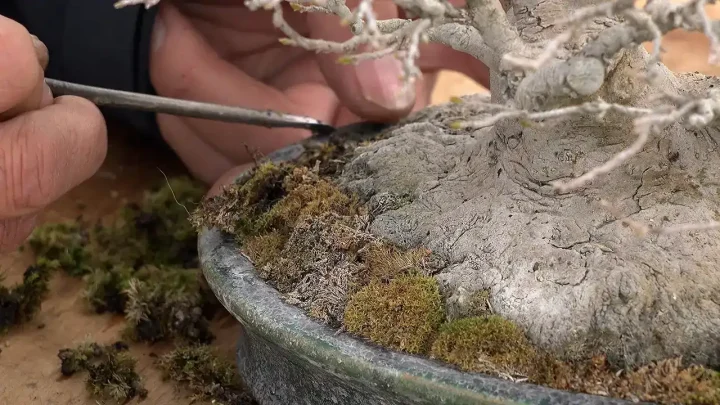
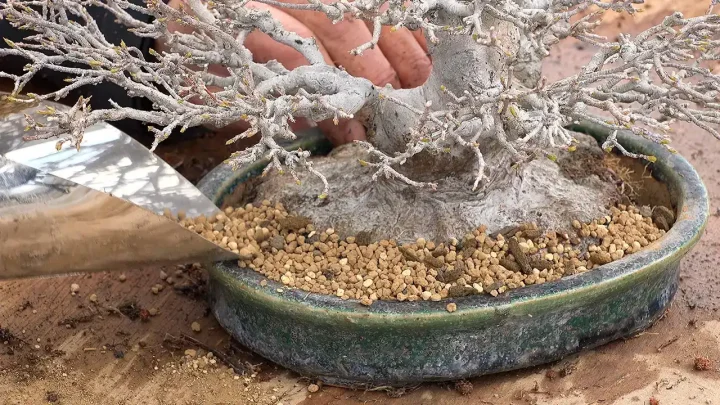
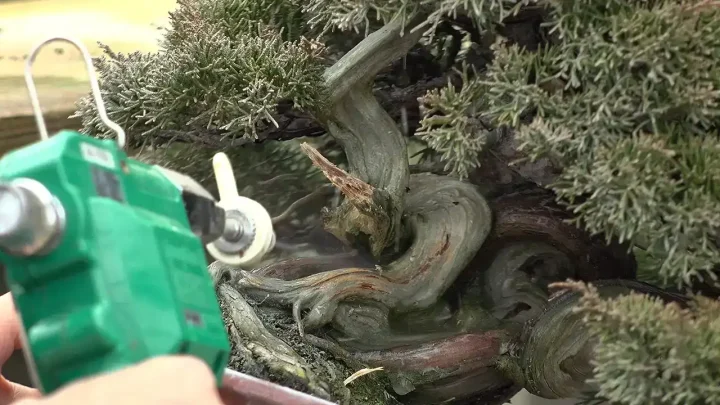
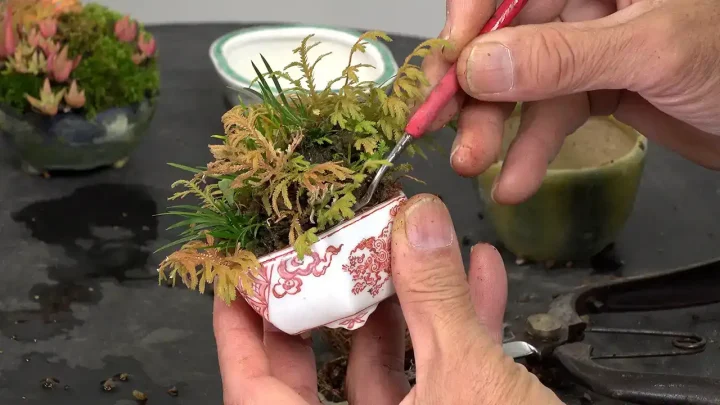
One week before the exhibition. Koji Hiramatsu picks up the moss. Not the day before, not the day of—it must be a full week ahead. Because the time it takes for the moss to settle determines the beauty of the final presentation.
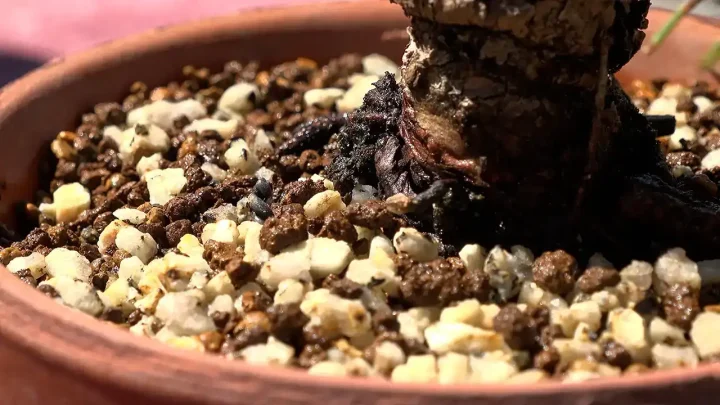
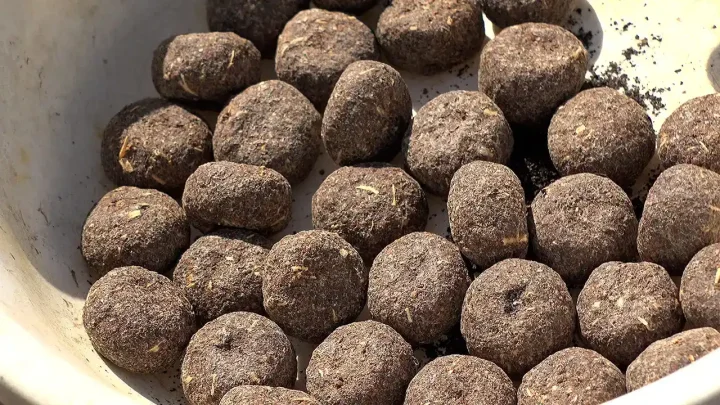
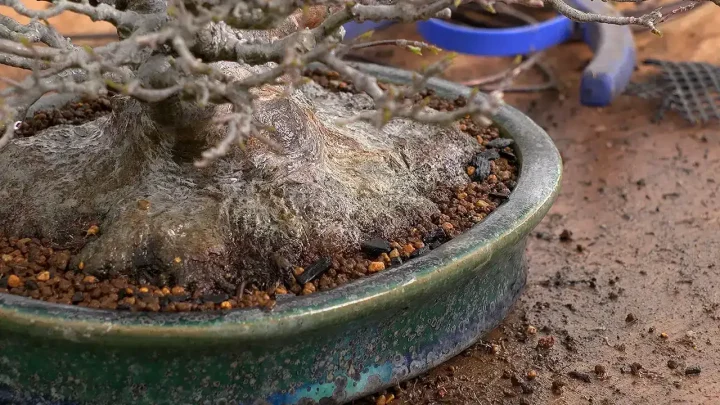
Pressing gently with the pads of his fingers, he spreads the moss across the surface of the pot. Not mounding it in thick, fluffy clumps, but letting it take hold naturally, as though rooting itself into the earth. He presses the seams with his fingertips, blending them until no join is visible. These quiet hours of handwork will ultimately define how a single tree presents itself in the exhibition hall.
“The outcome is decided in the preparation. If they don’t sell, it simply means my eye wasn’t good enough”—he loads around fifty trees into his vehicle, drives through the night, and assembles the shelving at Miyako Messe the following morning. Sensei’s resolve is already unshakable.
Before the spectacle of the exhibition comes the transport, the week of moss-laying, and years of careful cultivation. By the time exhibition day arrives, it is already too late to change anything. Every answer already lies within the time that has been accumulated.
An exhibition is also a place to put one’s carefully crafted work before the world. What is judged is not one’s conduct on the day, but the accumulation of everything that preceded it—therein lies the artisan’s pride.
“Bonsai is something that never ends until you die”—this journey has no end.
Next year too, lay the moss again, drive the night roads again, head once more for Miyako Messe. It looks like the same repetition, and yet the tree is different, the season is different, and one's own eye keeps changing little by little. Not work that aims at completion, but work in which one savors a journey without completion — perhaps that, in the end, is the true nature of bonsai.
The journey of "Adept: “Uma”" begins with member registration.
Begin the JourneyYou must be logged in to post a comment.


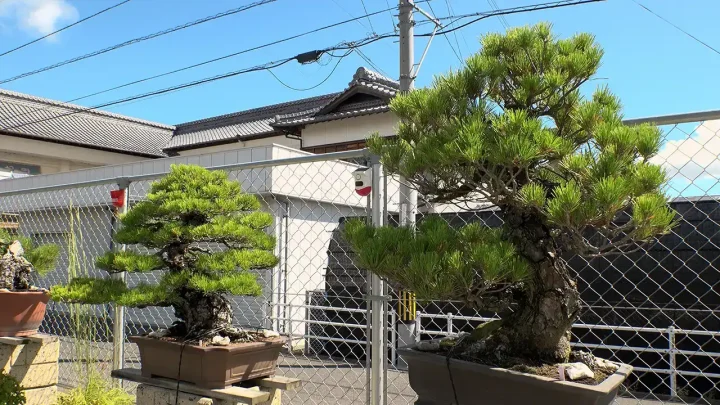
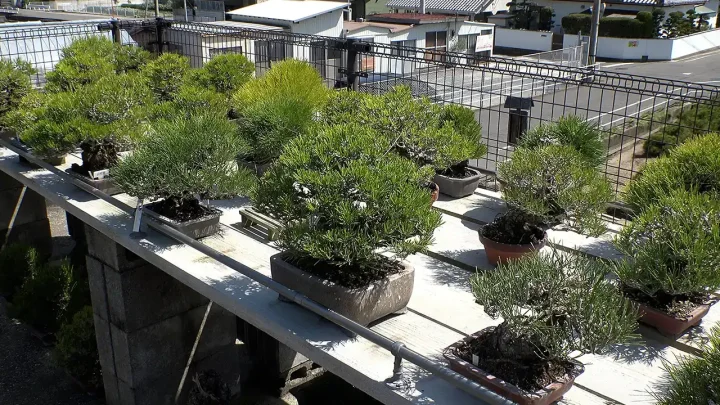

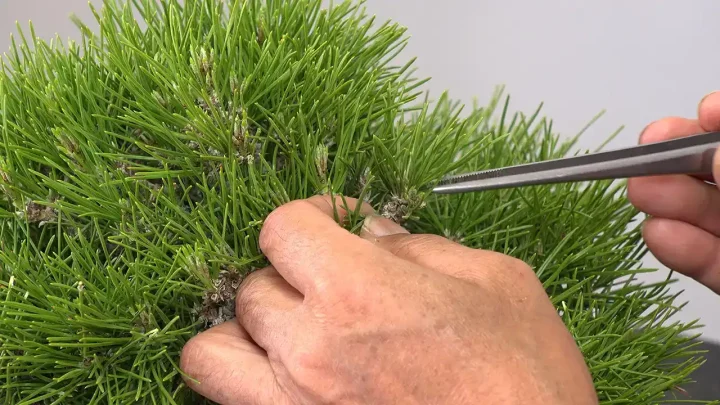
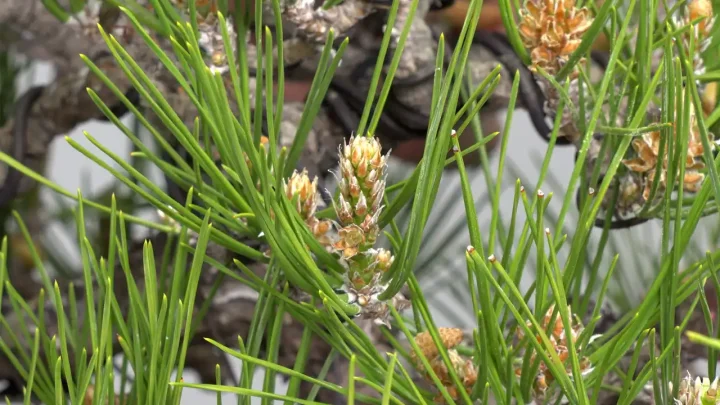
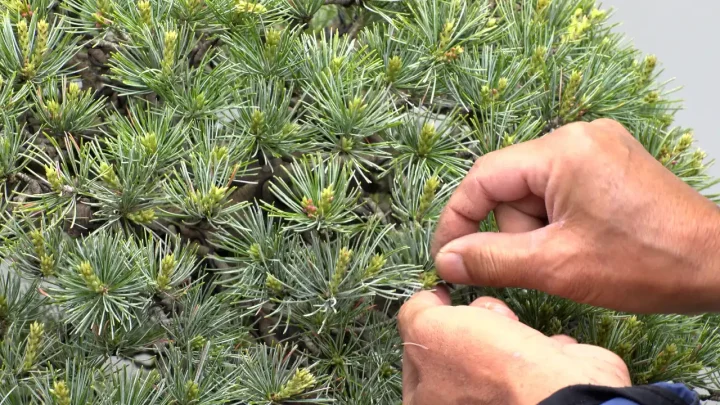
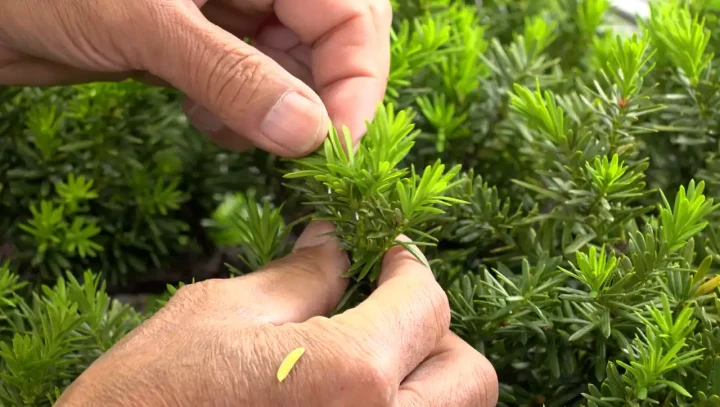
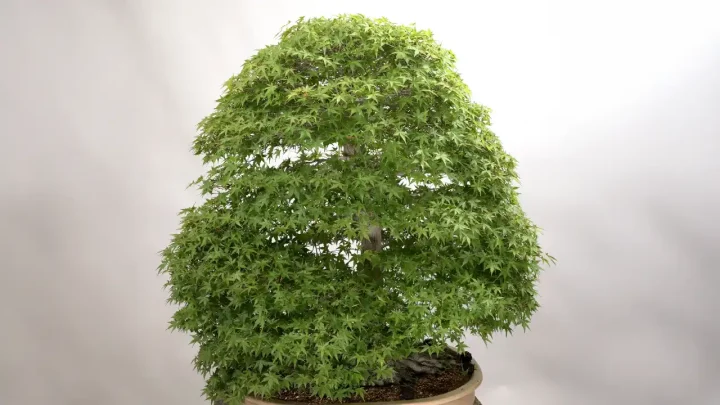
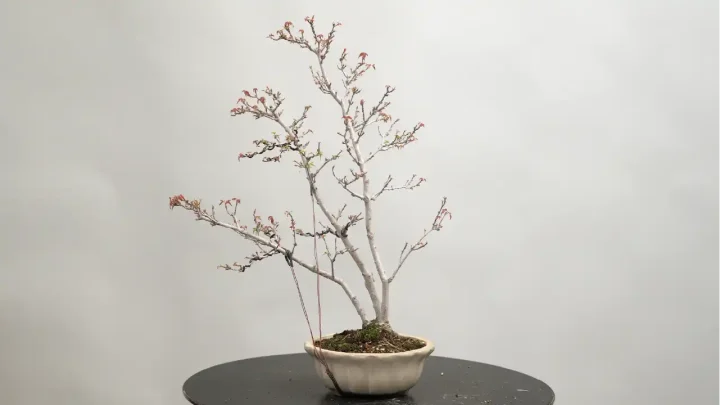
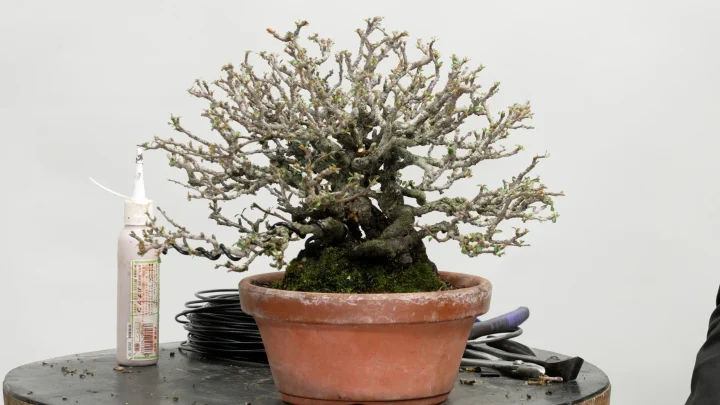
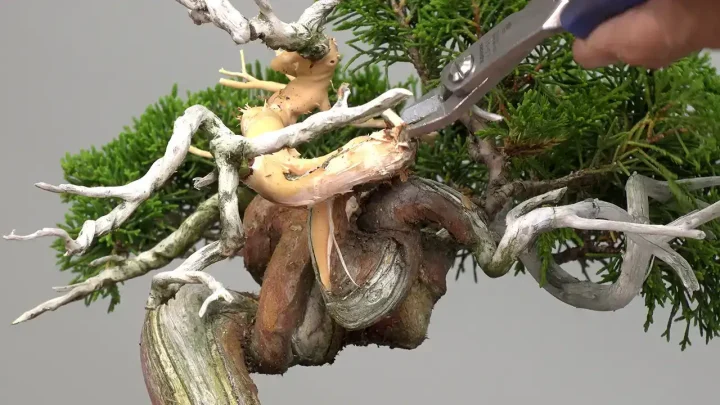
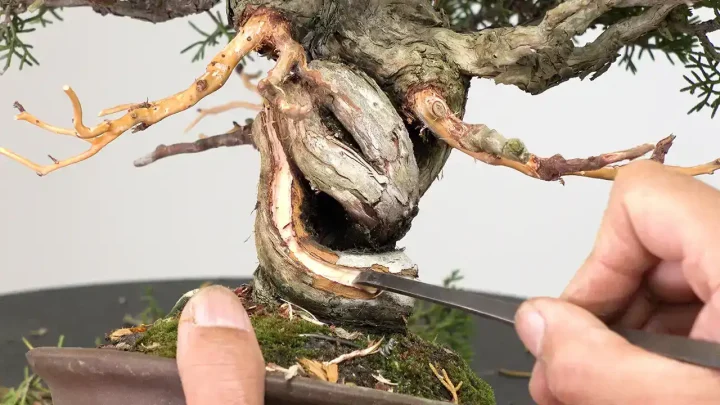
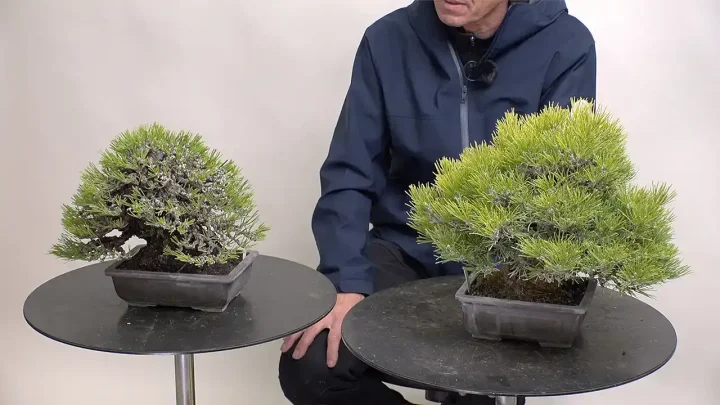
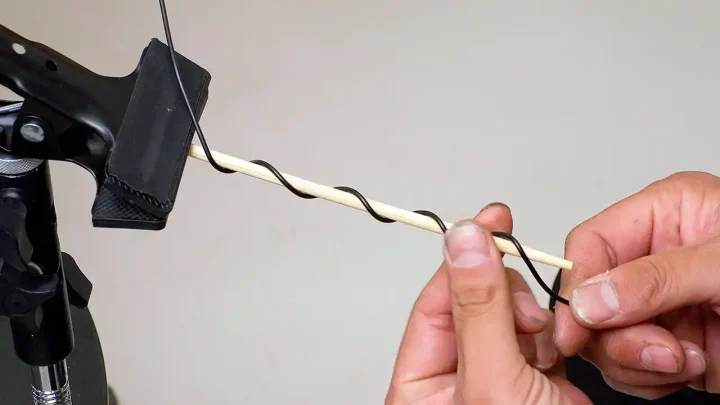
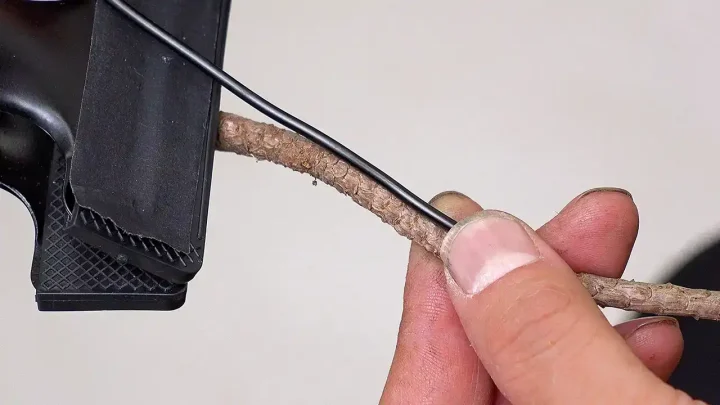
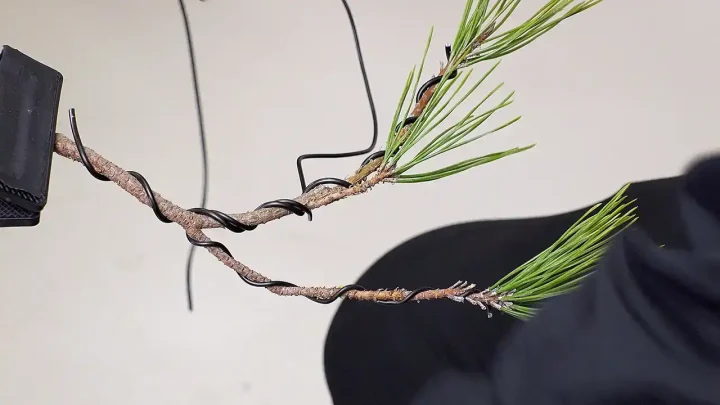
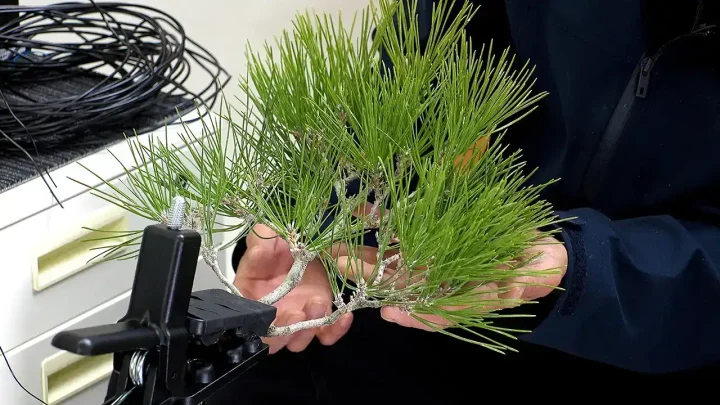
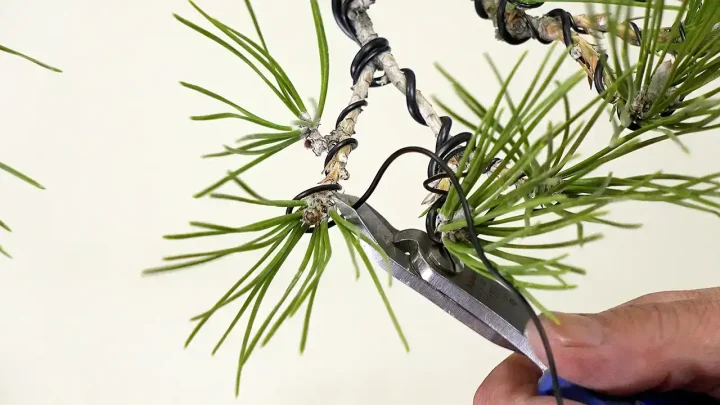
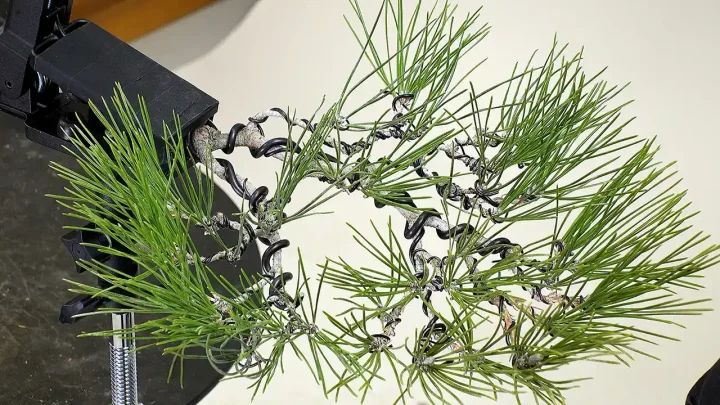
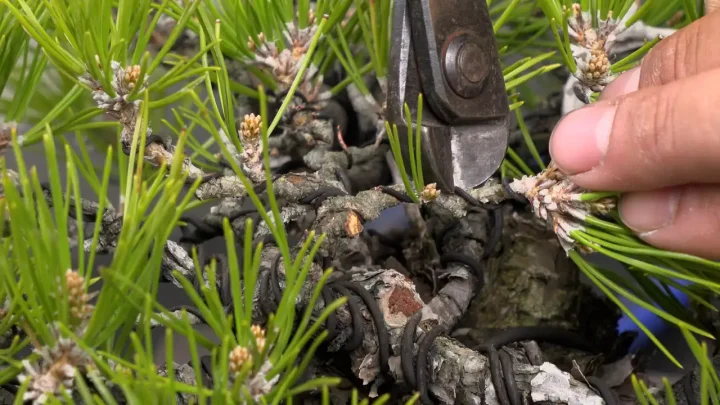

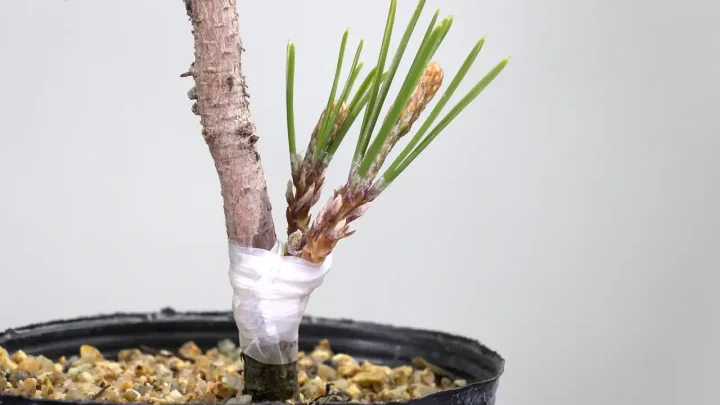
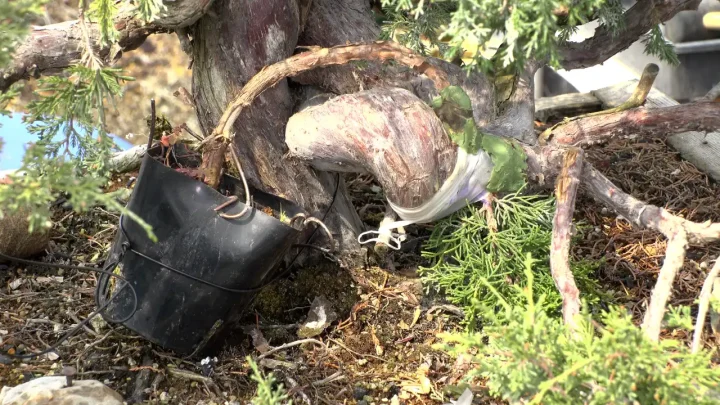
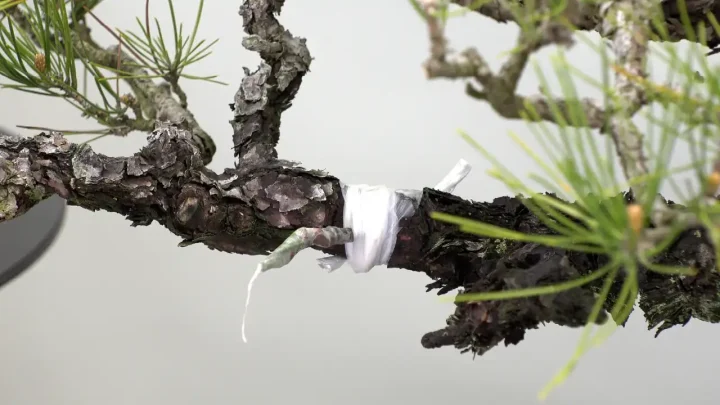
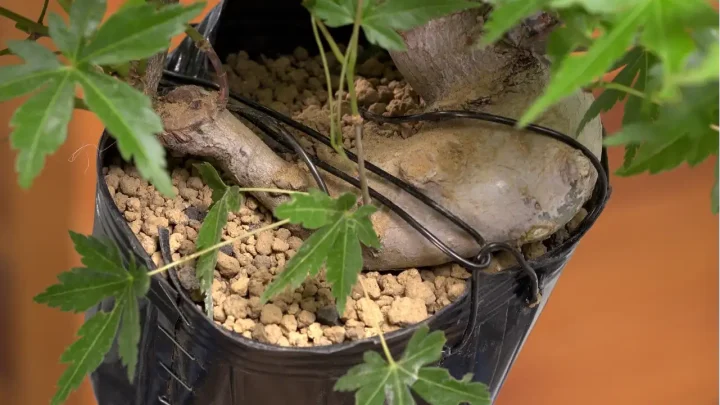
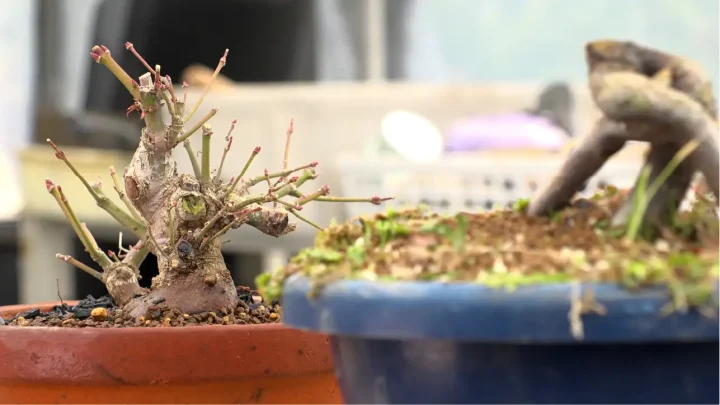


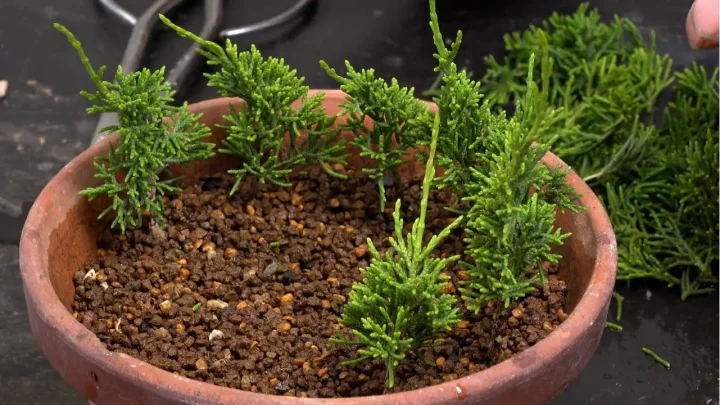
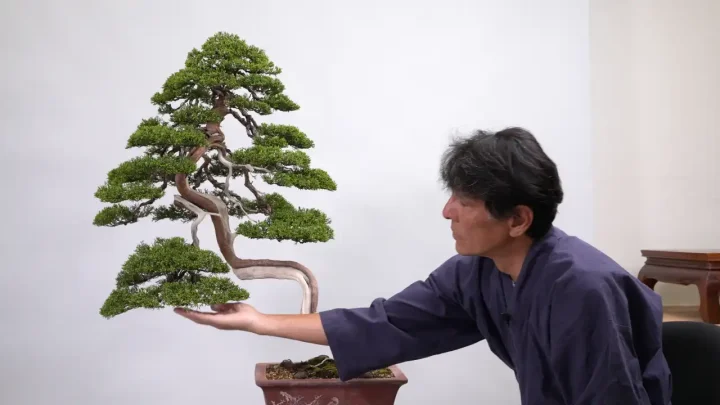
Dear Bonsai Sensei and Brothers, thank you so much for sharing with us the love and passion of the Art.. I have been growing and keeping Nishikimatsu for a bit of time now and arrived at a stage of training and shaping them to future bonsai. I have noticed that this variety is much weaker than standard kuromatsu by responding lightly to mekiri and also having some dieback branches etc.. My question is should it be better to apply metsumi instead of mekiri at right time of the year and also perform structural trimming during low growing season like winter? Thank you again
Here’s the advice from Sensei:
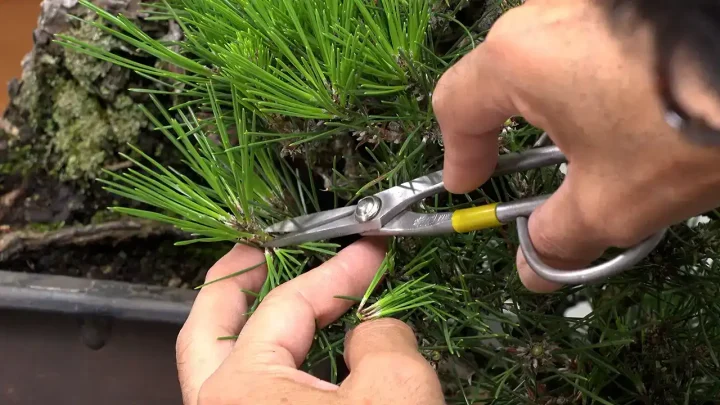
“Candle cutting and candle pinching are essentially the same technique, and as you’ve noticed, Nishikimatsu is weaker than standard kuromatsu. If you do perform full candle cutting, it’s best to do it earlier in the season than you would for kuromatsu. You also need to apply plenty of fertilizer beforehand to build up the tree’s vigor.
Generally, the recommended approach is selective candle pinching — pinching only the strong candles rather than cutting all of them. Another option is to skip candle cutting entirely in years when the tree has been repotted, and focus that year on building vigor instead.
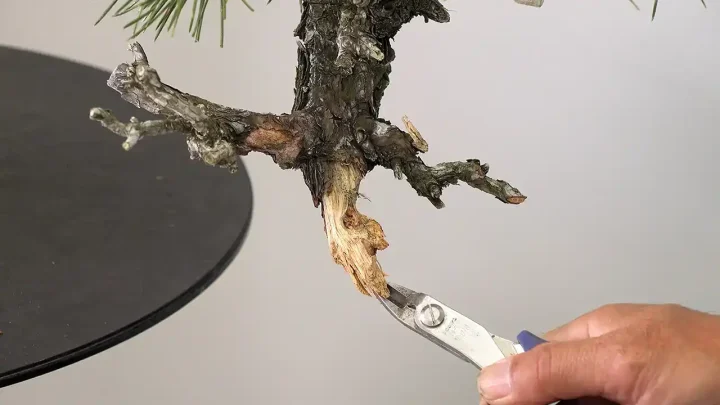
For structural pruning, any time during the dormant season from November through March is fine. However, since Nishikimatsu has weaker water uptake in the branches compared to kuromatsu, more careful and delicate work is required.”
To summarize the key points:
– Focus on selective pinching: Pinch only the strong candles rather than performing full candle cutting across the tree
– If you do full candle cutting: Do it earlier than for kuromatsu, and prepare the tree with sufficient fertilizer beforehand
– Skip it in repotting years: Let the tree recover its vigor instead
– Structural pruning: Anytime during the dormant season (Nov–March) is fine, but work carefully due to the weaker water uptake in the branches
The key to managing Nishikimatsu seems to be reading the tree’s vigor and including “doing nothing” as a valid option in your toolkit.
We don’t currently have a video dedicated specifically to Nishikimatsu, but our paid lessons cover kuromatsu candle cutting, pinching, and structural pruning in detail by season. Since Nishikimatsu management is essentially an adaptation of kuromatsu techniques, those lessons would serve as a solid foundation. Feel free to consider it if you’re interested.
Thank you so much for all these detailed information.
From: “However, since Nishikimatsu has weaker water uptake in the branches compared to kuromatsu, more careful and delicate work is required.” Should we be more careful when cutting bigger branches like applying sealing paste etc even during the dormant season?
Also as mentioned in the quote, nishikimatsu have weaker water intake than kuromatsu..So does it mean that they need more water during growing season or less water than kuromatsu (using same growing soil media)?
Regards
Here’s the advice from Sensei:
“1. For larger wounds, yes — applying sealing paste is recommended. For smaller cuts, it’s not necessary.
2. As for watering, it’s the same as for kuromatsu. ‘Weaker water uptake’ means the vascular channels are thinner, so you need to be careful during shaping and structural work — but the watering routine itself stays the same. For specifics on water quantity, please refer to the following lessons:”
– https://bonsai-journey.jp/courses/fune/lessons/l501/topics/l501-t03/
– https://bonsai-journey.jp/courses/fune/lessons/l501/topics/l501-t04/
Note: The linked lessons are part of our Fune Course (paid membership) and cover watering for pines and conifers in depth. The principles apply to pine varieties in general, including Nishikimatsu.
Thank you very much for the clear and precious information.
Are these key points also applicable for cultivar like Yatsubusa and kotobuki type?
Here’s the advice from Sensei:
“The basic management approach is the same as for kuromatsu. However, Yatsubusa-type cultivars, including Kotobuki, tend to develop crowded buds, so managing bud count is important. Depending on the cultivation stage, it’s also beneficial to use wiring to arrange the branches in a way that secures light penetration and airflow, which encourages inner buds (futokoro-me) to emerge.
Kotobuki-type varieties in particular tend to have trunks and branches that harden relatively quickly. For this reason, it’s best to establish the branch placement according to your final vision at an early stage.”
Thank you for the detailed advices.
For Yatsubusa-type cultivars, including Kotobuki, for managing the crowded buds tendency, is it better to perform Metsumi (early bud selection stage) or Mekiri (late stage)?
Regarding Futokoro-me on coniferous, does lowering down the branch tip can also help to promote inner buds to emerge?
Regards