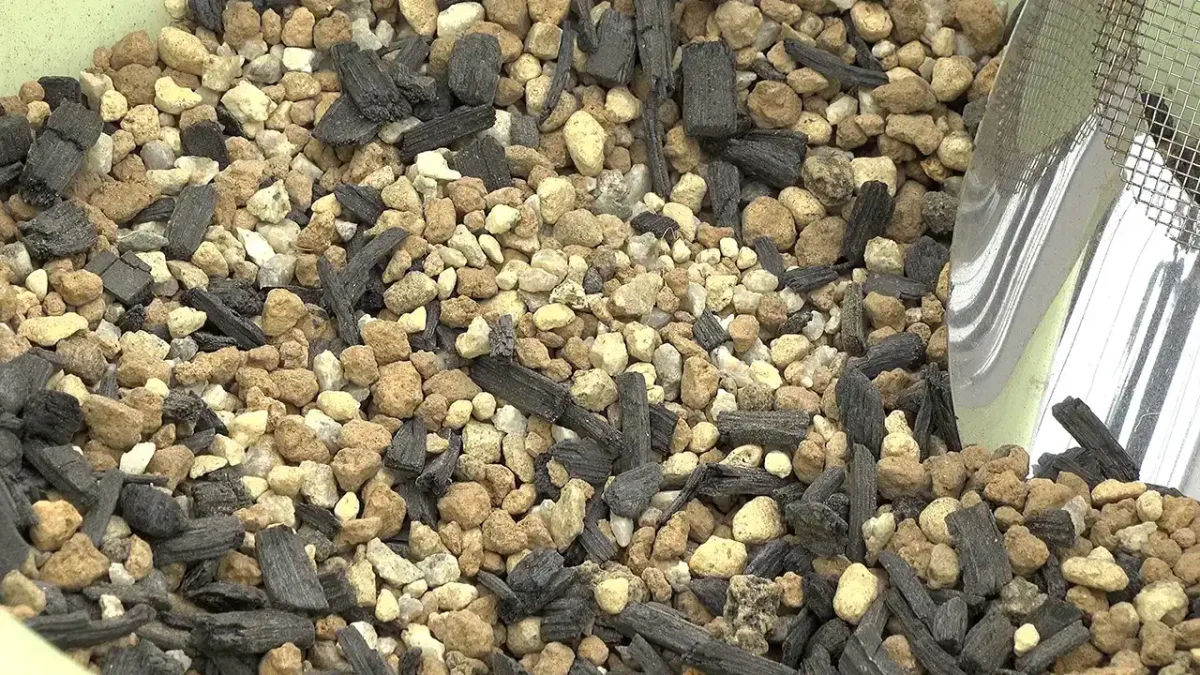
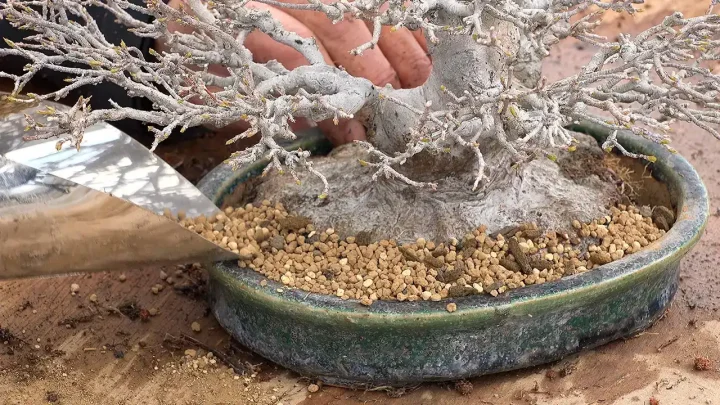
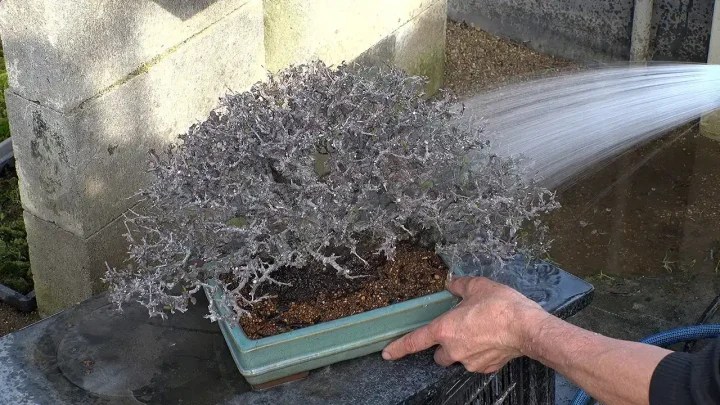
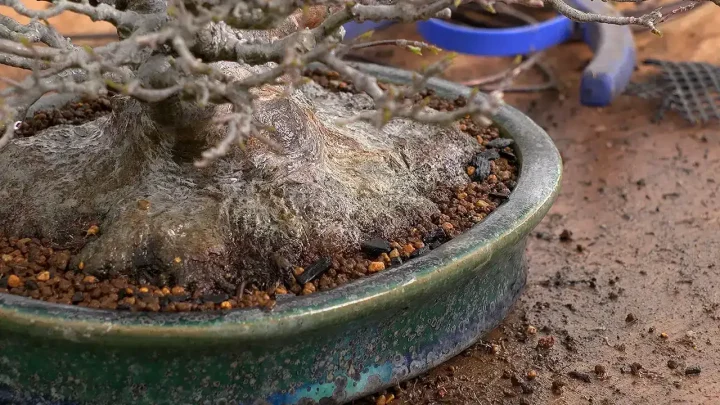
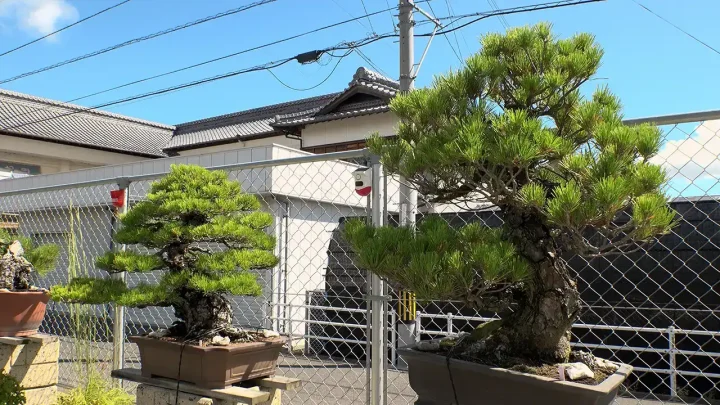
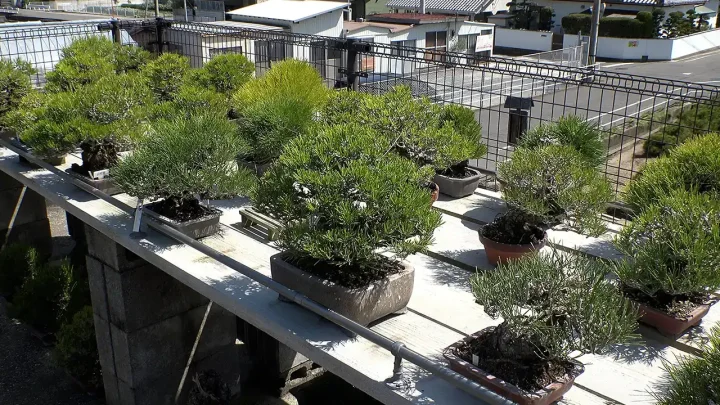
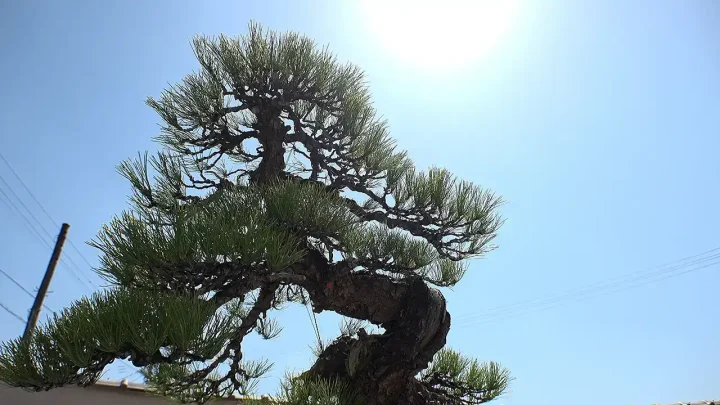
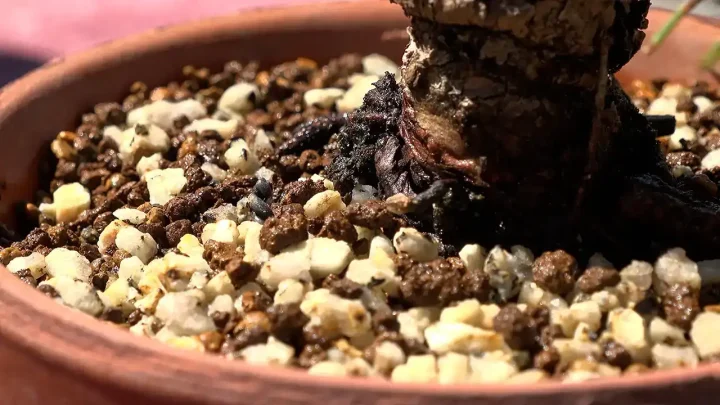
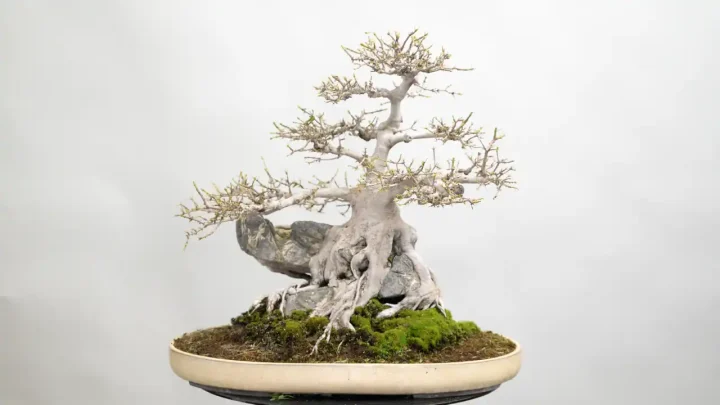
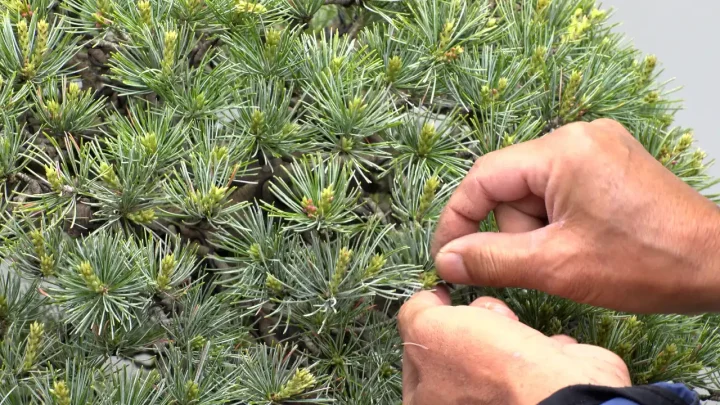
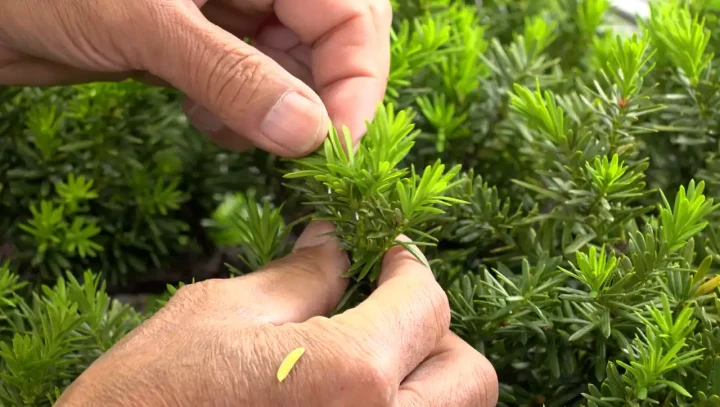
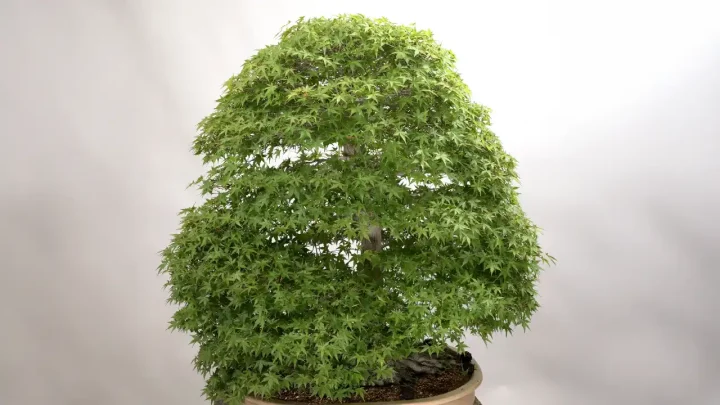
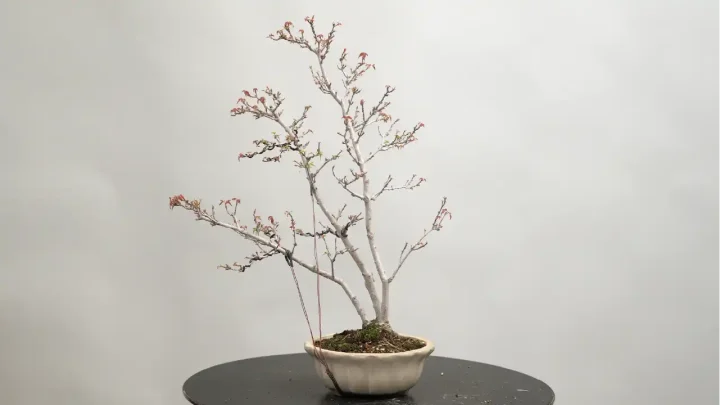
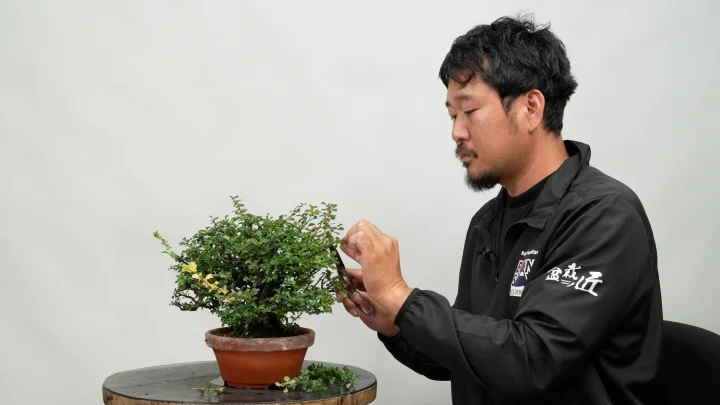
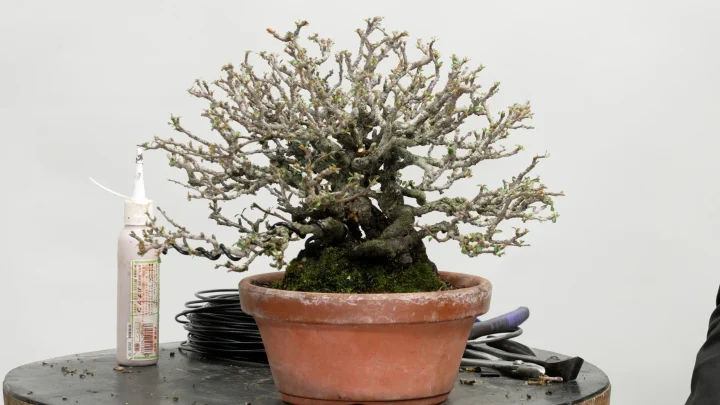
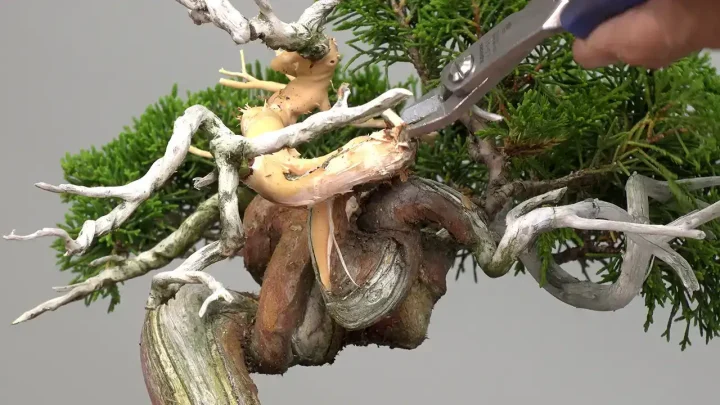
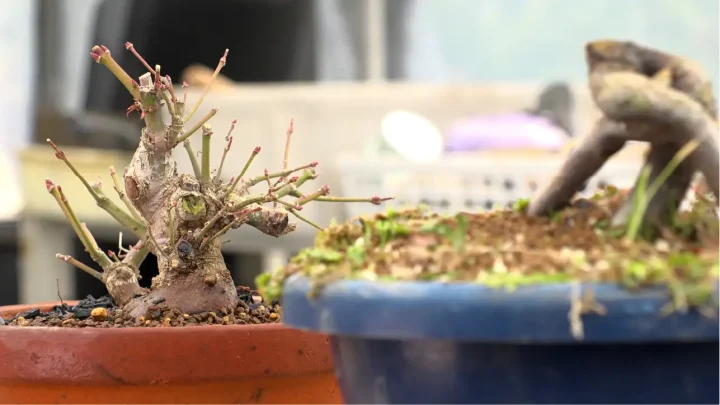
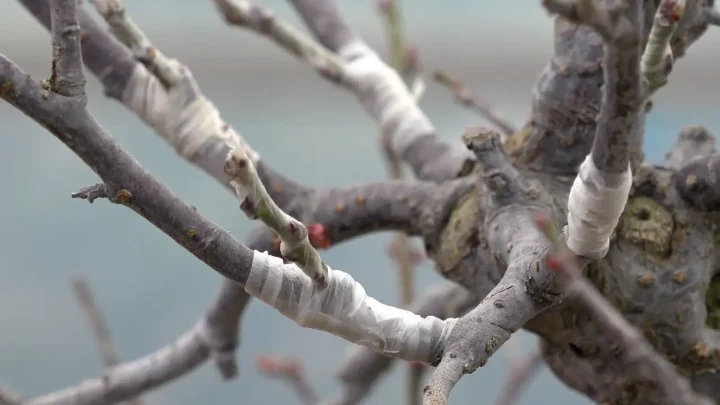
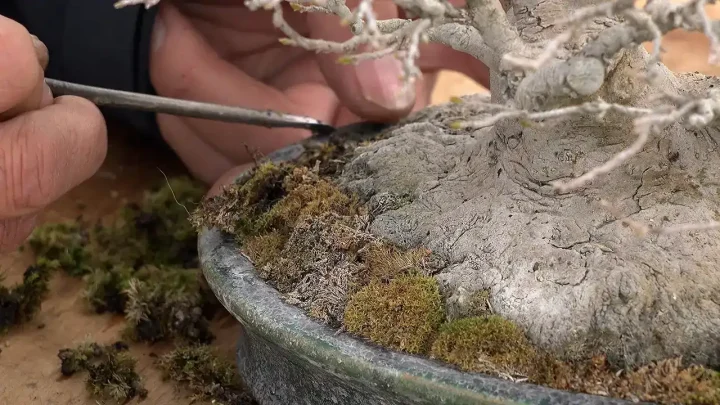
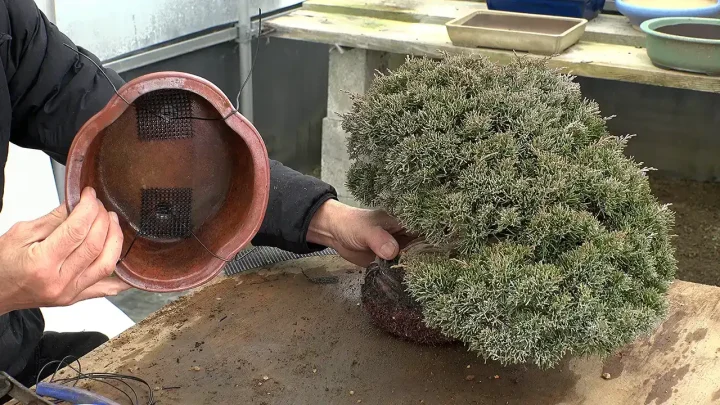
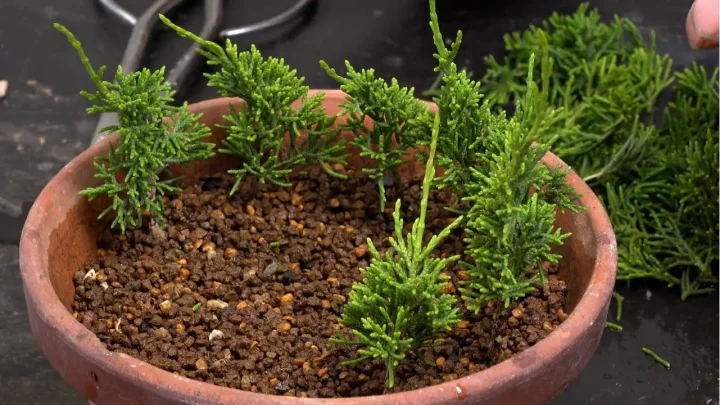
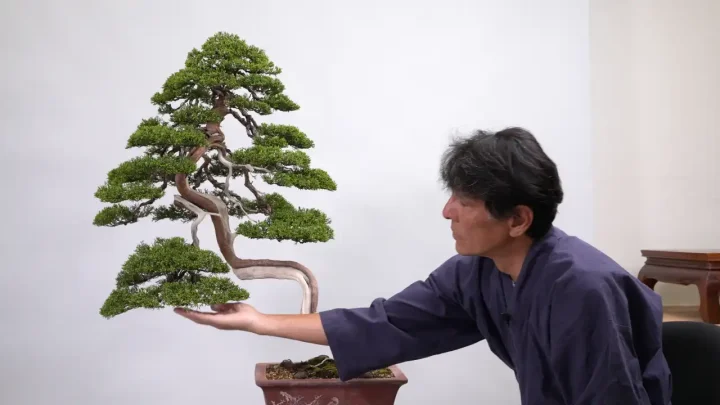
We take a careful look at soil mixes for Deciduous Trees (Zoki-rui) and Conifers (Shohaku-rui) separately, through the lens of their differing Repotting cycles. Why does particle size change? Why add Bamboo Charcoal? We quietly trace the reasons that live behind the eye-measured handful.
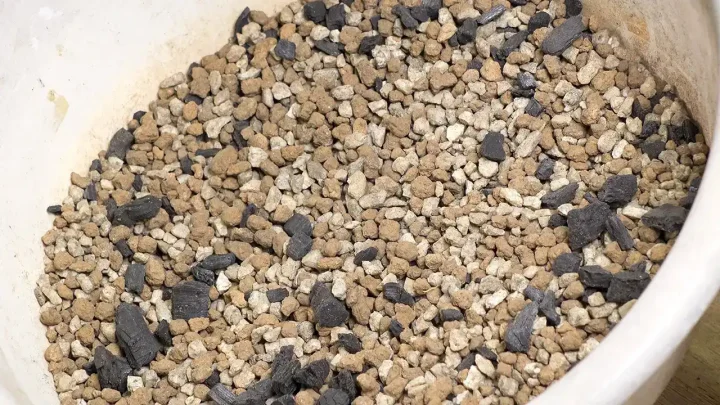
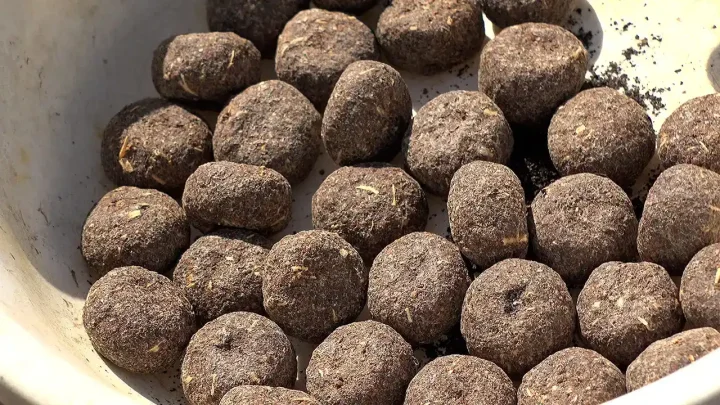
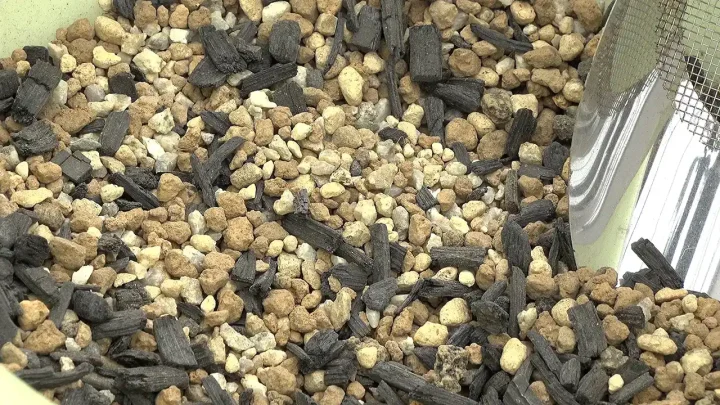
Akadama Soil blended with Kiryu Sand, then Bamboo Charcoal worked in. The task itself looks simple. But behind that mix lives a sense of 'how to be with each tree going forward.'
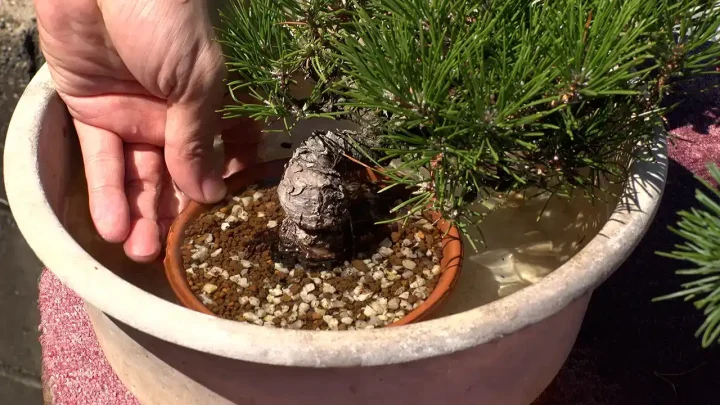
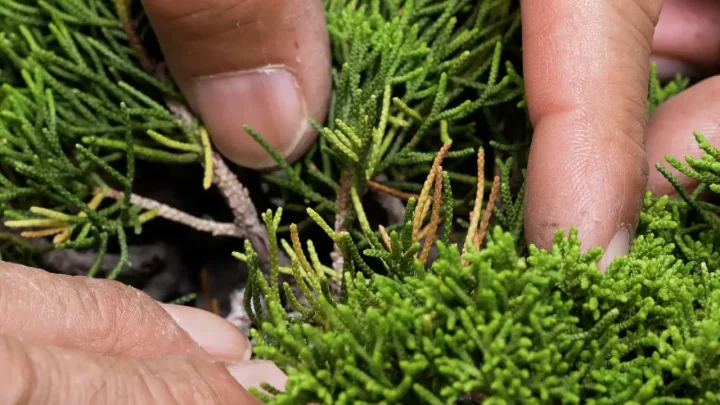
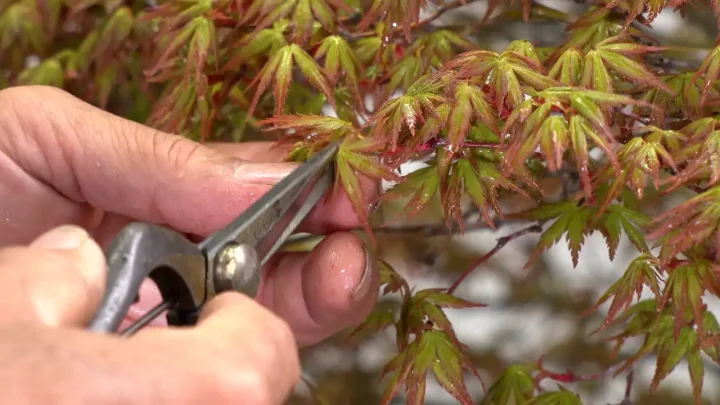
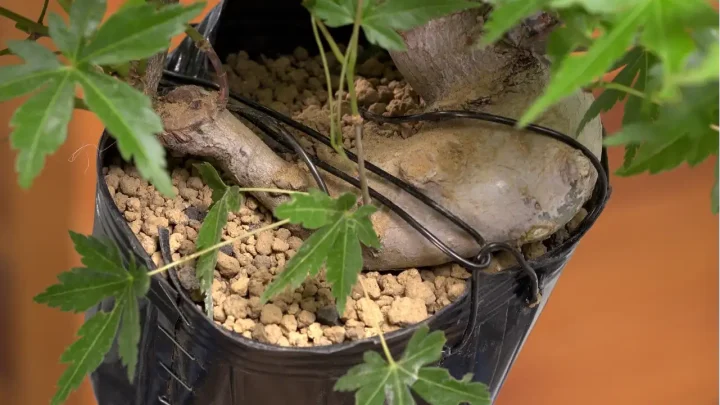
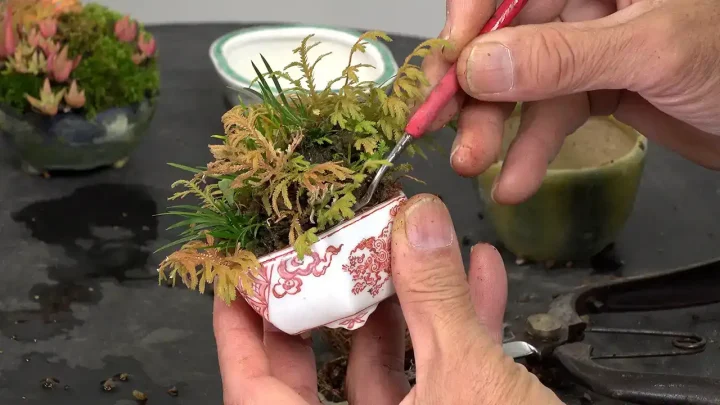
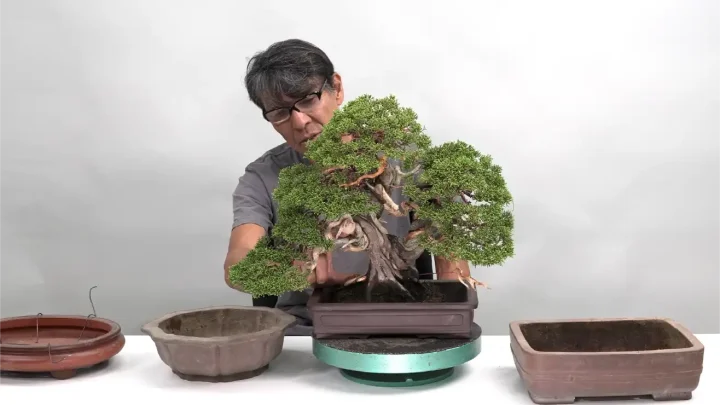
For Shohin Bonsai in the Deciduous Trees (Zoki-rui) category, I use a fine-grained mix centered on small-particle Akadama Soil and small-particle Kiryu Sand. For Conifers (Shohaku-rui) such as Shimpaku Juniper, I prepare a separate, coarser mix with Mountain Sand as its foundation. On the surface it may look like 'matching the soil to the species,' but the real reason lies elsewhere.
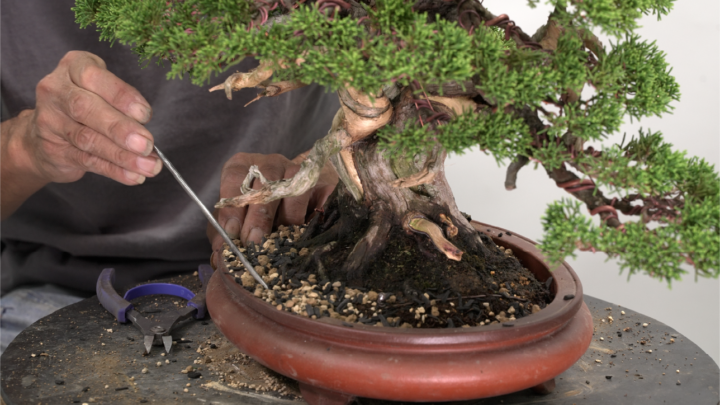
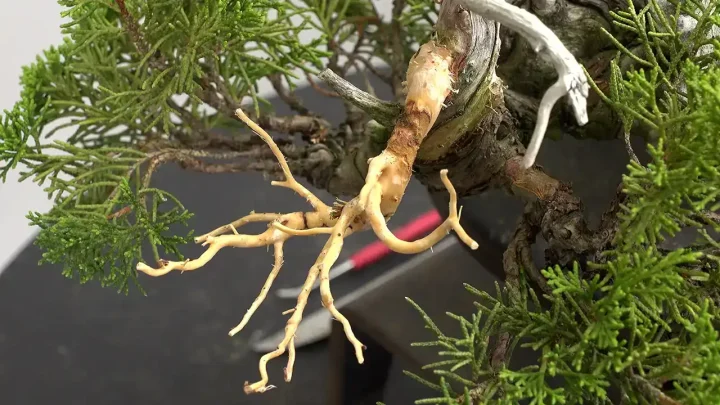
Deciduous trees come around for Repotting once or twice a year. Even with a fine-grained mix, the soil can be exchanged for fresh before the roots become bound. Shimpaku Juniper is different. Because the interval between repottings is longer, soil that is too fine will cause Drainage to deteriorate once the roots have fully spread. So the mix is made coarser.
Choosing a soil mix is not a response to what a species 'prefers' — it is a calculation worked backwards from the rhythm of care. The blend is decided by imagining not only the tree's current condition, but how the roots will develop across the time leading up to the next Repotting.
Bamboo Charcoal is added to the mix for sterilization and to improve Drainage. Something whose work cannot be seen is quietly built into the pot. What supports a tree's health is not only the visible tasks — Bud Pinching, training branches — but what works silently beneath the surface.
The proportions in a mix can be judged by eye. What matters is not the numbers, but knowing why each choice is made — once the reason is understood, you can respond to the tree's condition on your own. Rather than memorizing a formula, the aim is to grasp the thinking behind it. The conversation about soil extends that far.
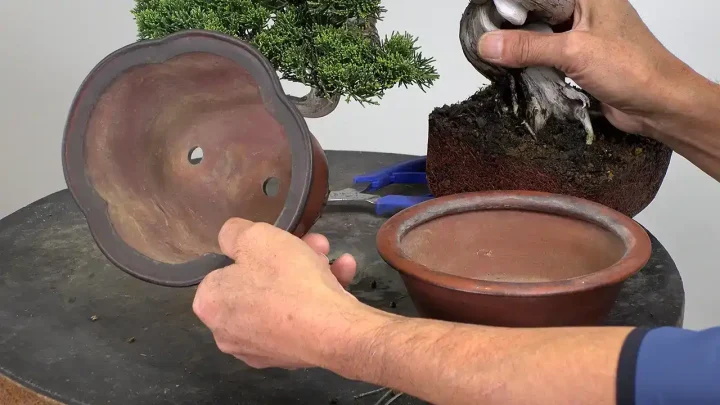
Repotting is not simply a matter of tidying the roots and moving the tree into fresh soil. The mix built into the pot goes on shaping the root environment for the years until the next Repotting.
Looking at a pot from the outside, you cannot see the soil. What blend was used, and with what intention — only the person who did the work knows. And yet the tree answers, quietly.
The journey of "Adept: “Uma”" begins with member registration.
Begin the Journey