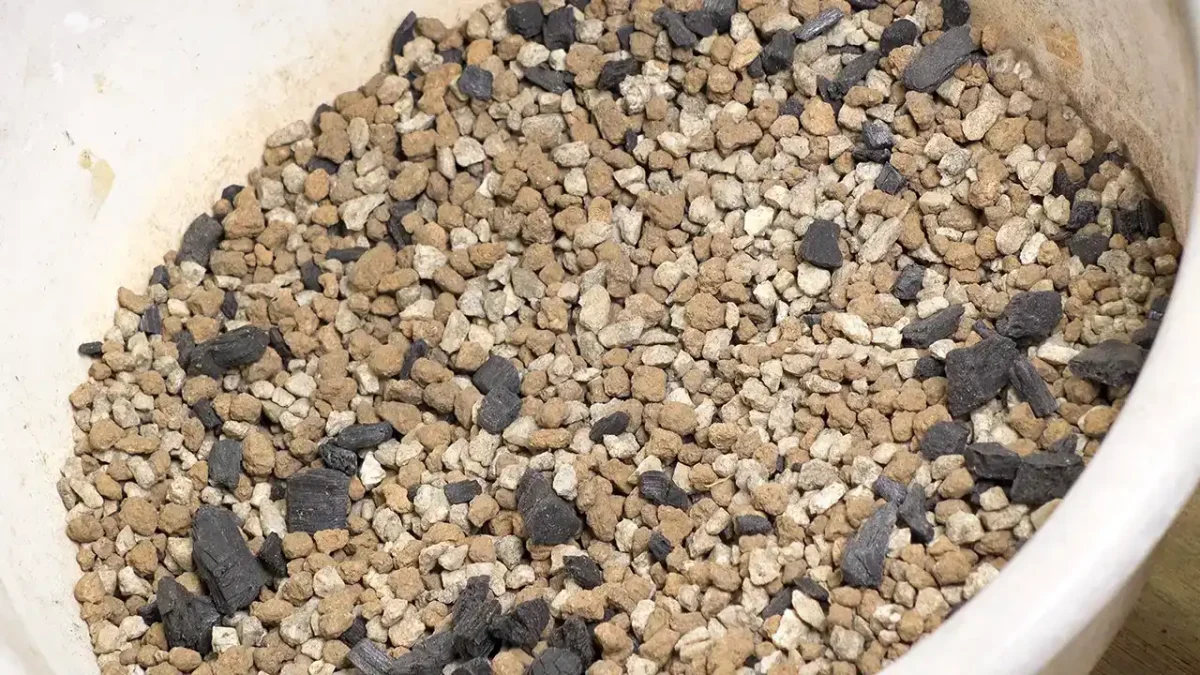
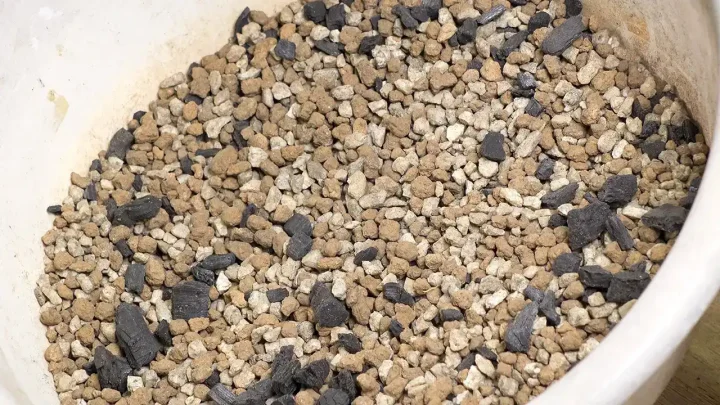
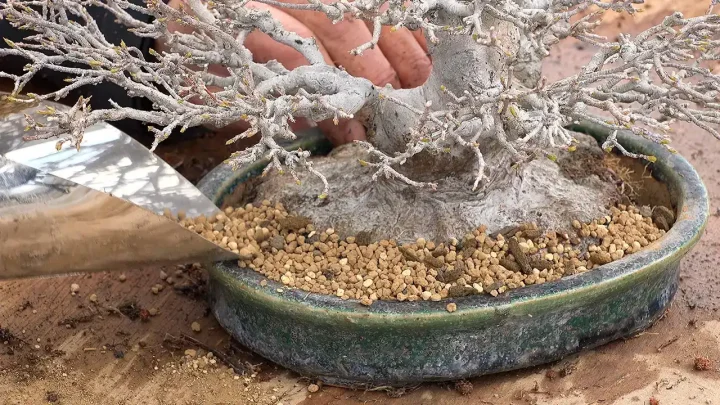
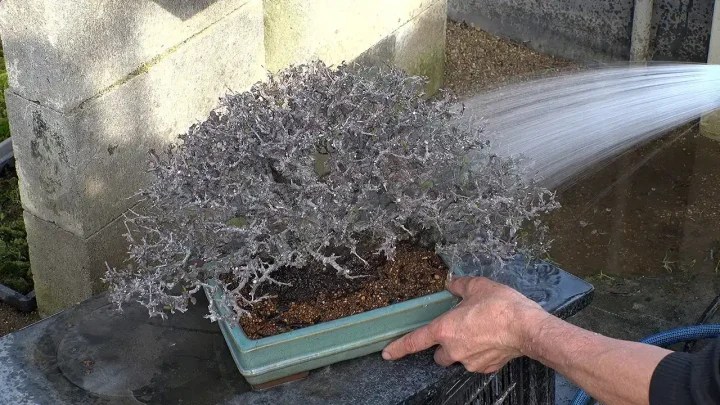
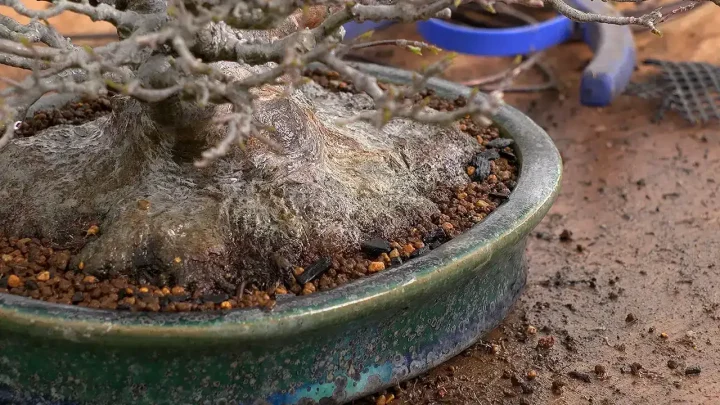
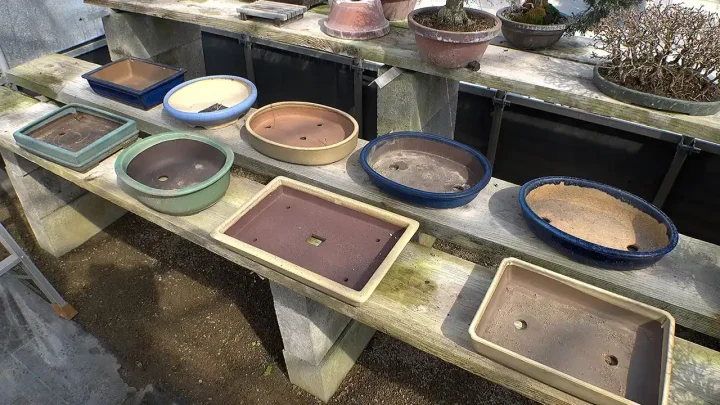
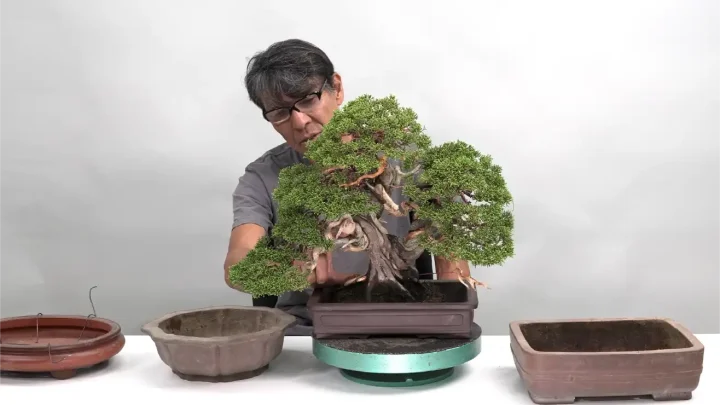
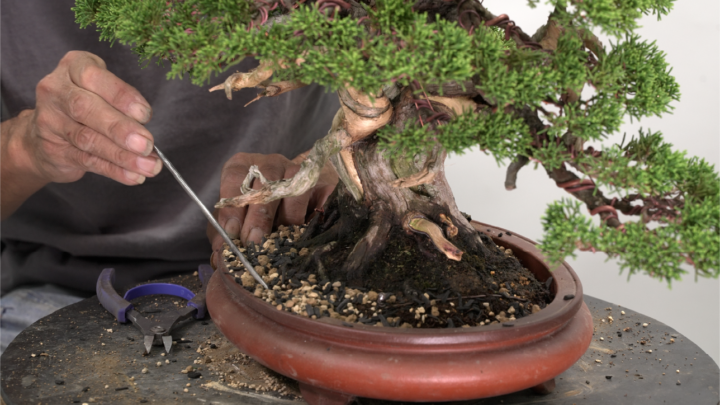
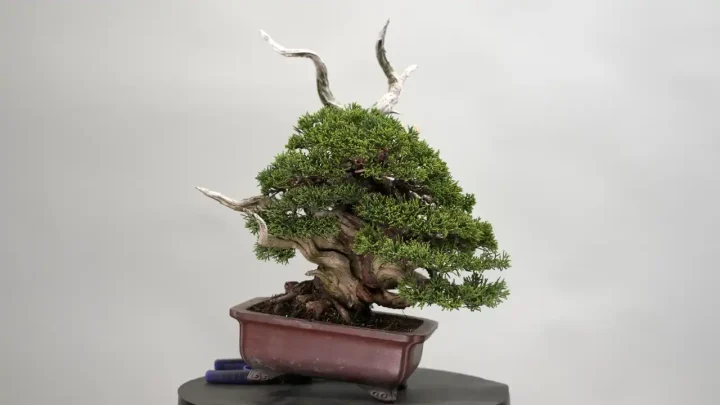
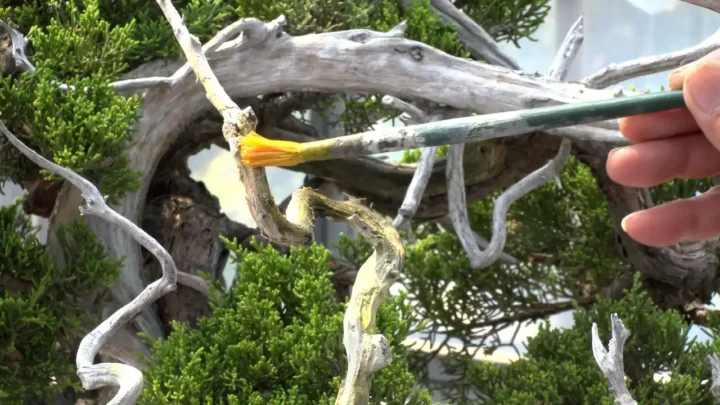
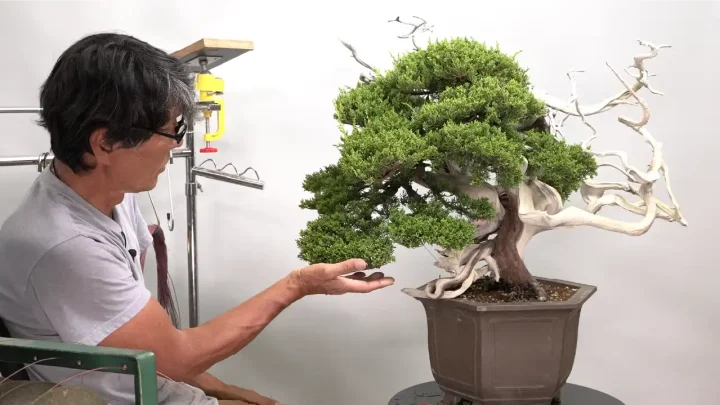
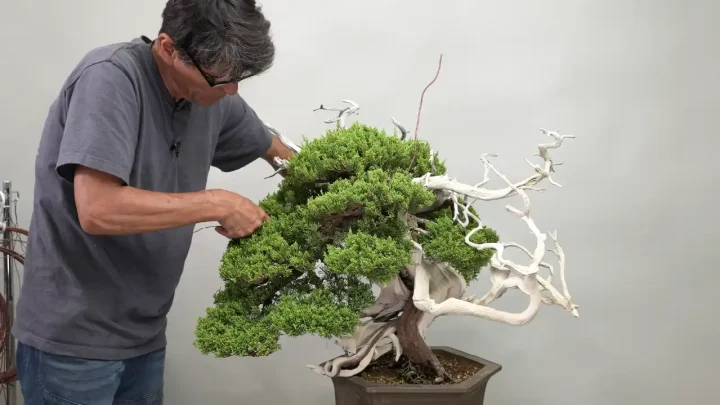
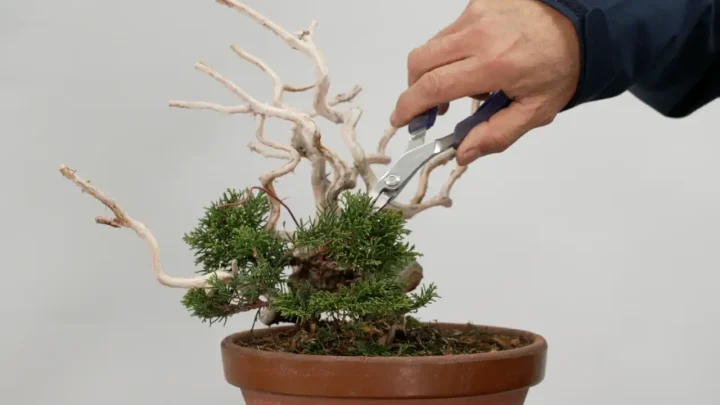
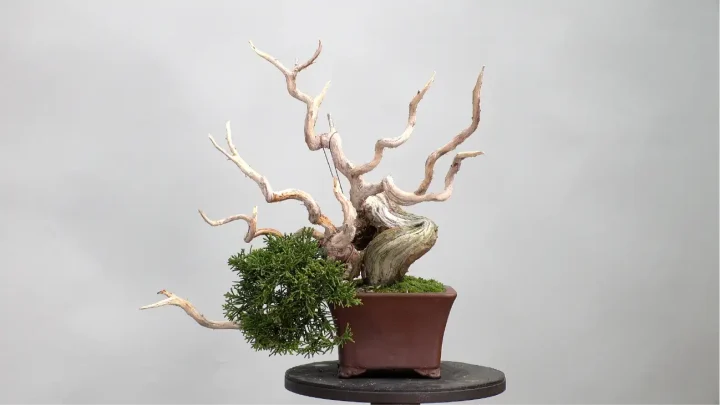
Four types of soil are used in bonsai: Mountain Sand, Akadama Soil, Kiryu Sand, and Bamboo Charcoal. Handling each material directly, we examine the properties of each and the mixing ratios suited to Conifers (Shohaku-rui) and Deciduous Trees (Zoki-rui) in turn. Choosing a soil is designing the environment in which the roots will live.
When repotting, the first question is usually 'what soil to use.' But the real question starts one step earlier. What does soil actually do for the roots — unless we think from there, the ratios we memorize are just numbers.
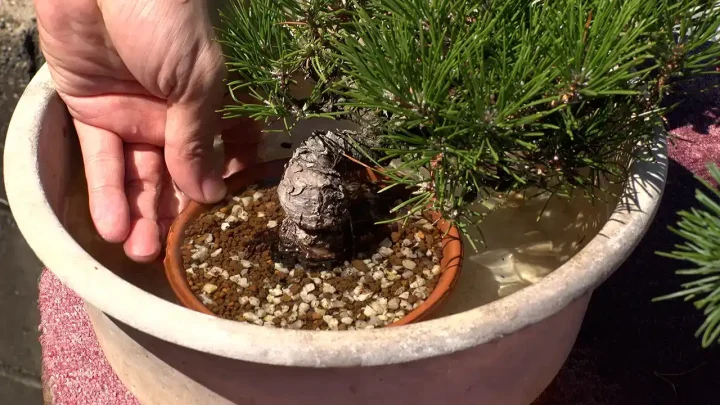
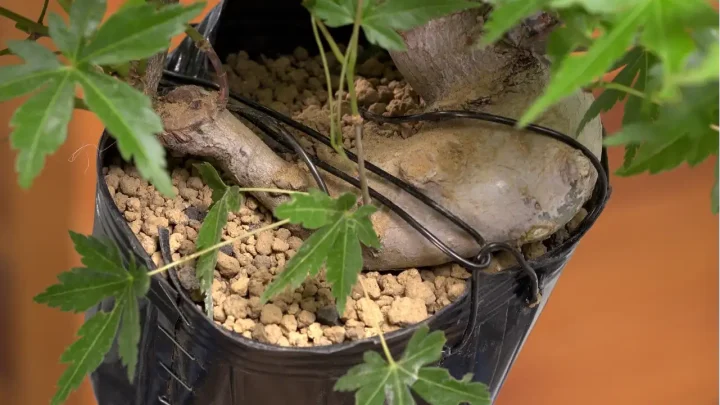
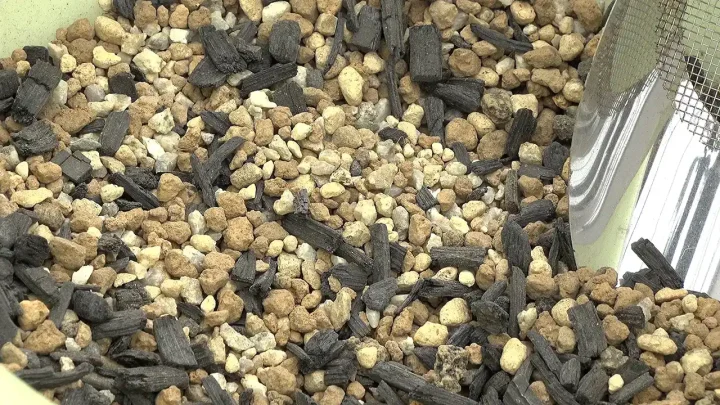
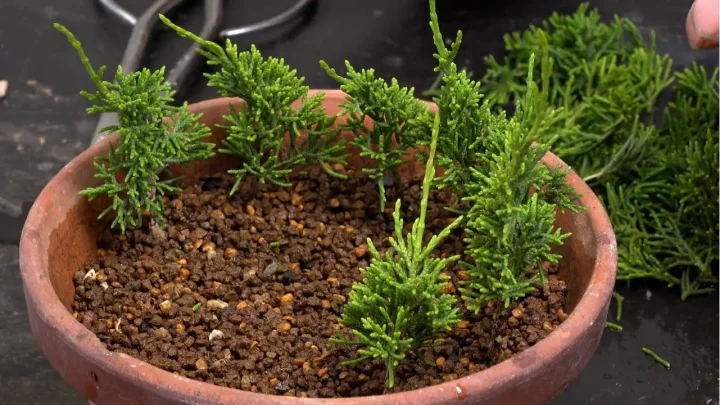
Four types of soil are used: Mountain Sand, Akadama Soil, Kiryu Sand, and Bamboo Charcoal. Mountain Sand offers exceptionally high drainage; Akadama Soil holds moisture well. Kiryu Sand sits between the two, and Bamboo Charcoal is added to assist with sterilization and drainage. Each has a clear role, and the ratio in which they are combined directly shapes how the roots develop.
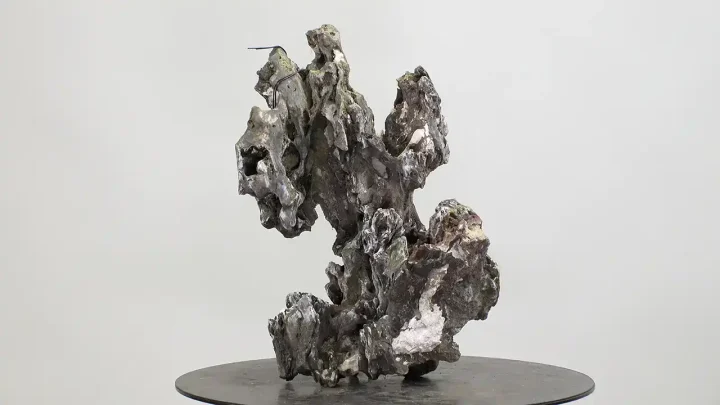
What deserves attention is the shape of Mountain Sand particles. When particles are round, roots simply grow along them. But when roots meet an angular particle, they change direction — and branch.
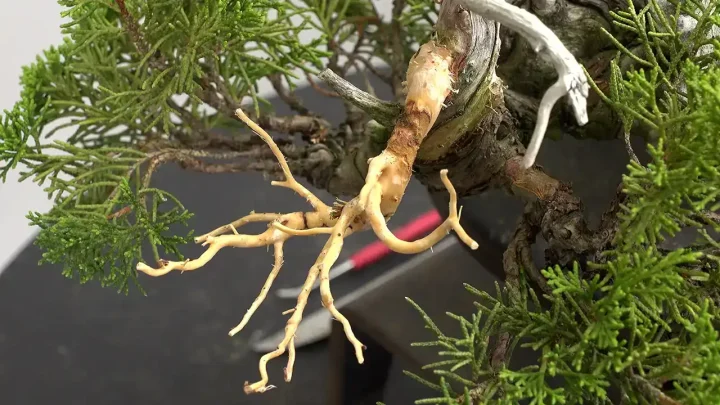
The small resistance within the soil builds the density of Fine Roots / Feeder Roots. Increasing the total volume of roots is the foundation of a healthy bonsai, which is why the shape of soil particles matters. What accumulates out of sight determines the form of the tree.
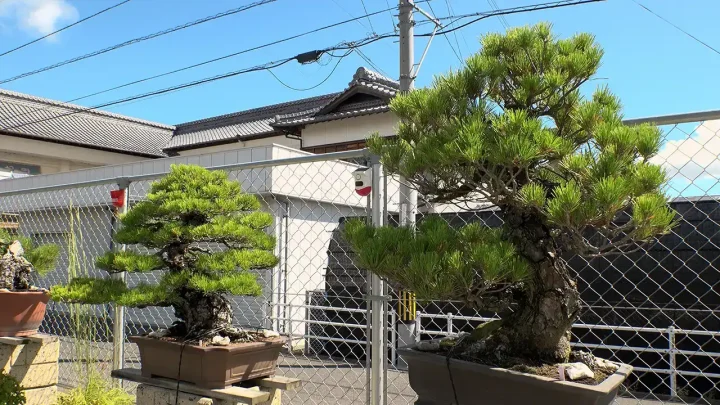
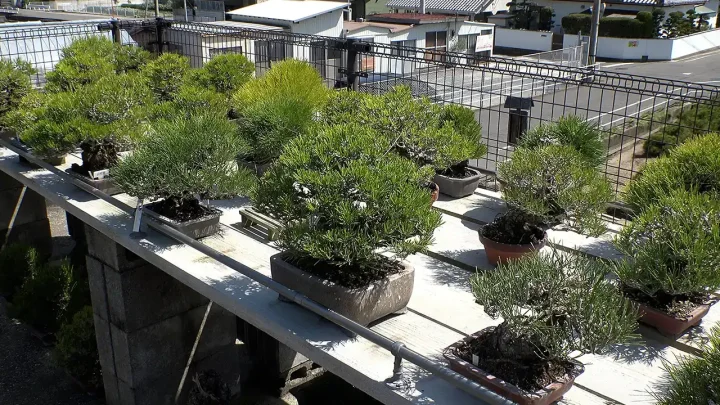
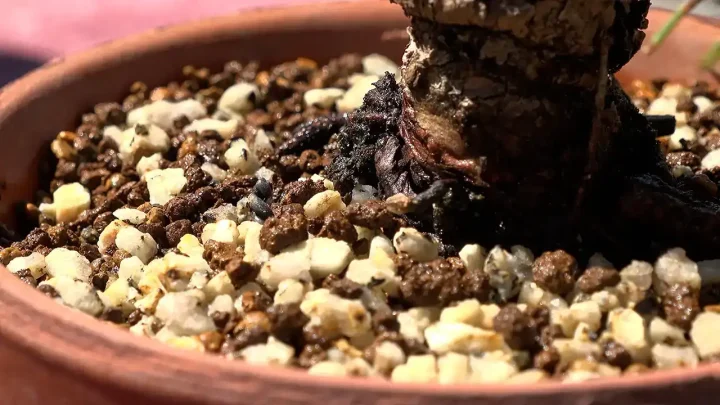
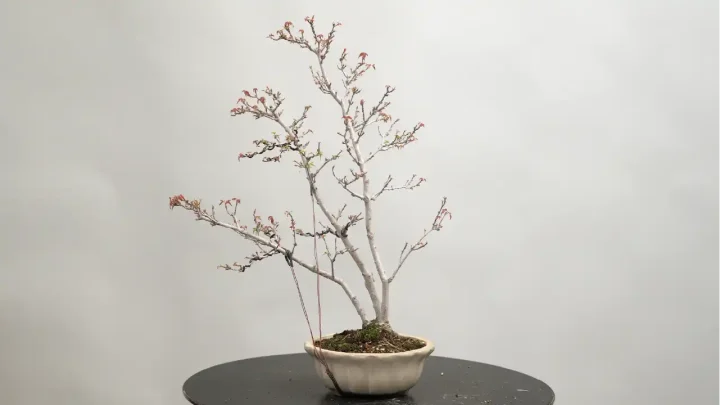
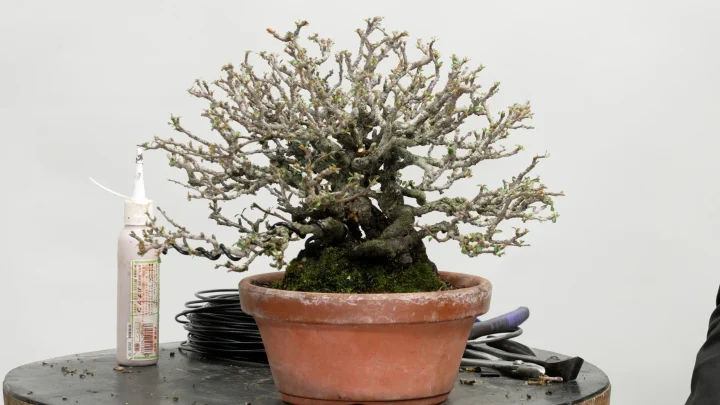
For Conifers (Shohaku-rui): sixty percent Mountain Sand, forty percent Akadama Soil, a small amount of Bamboo Charcoal. For Deciduous Trees (Zoki-rui): Akadama Soil rises to seventy percent, with around thirty percent Kiryu Sand. The same Bamboo Charcoal appears in both, yet the mixes differ considerably.
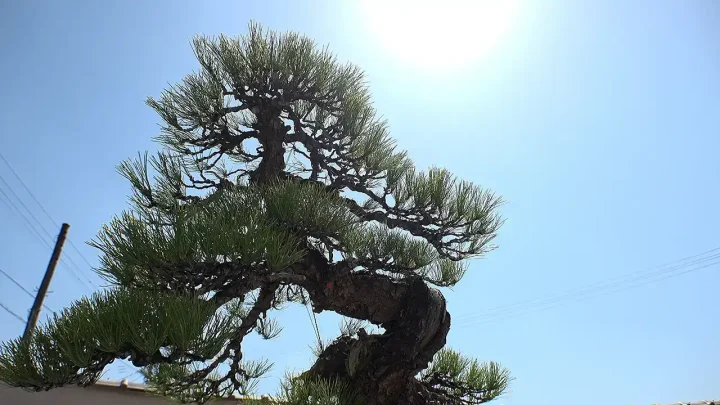
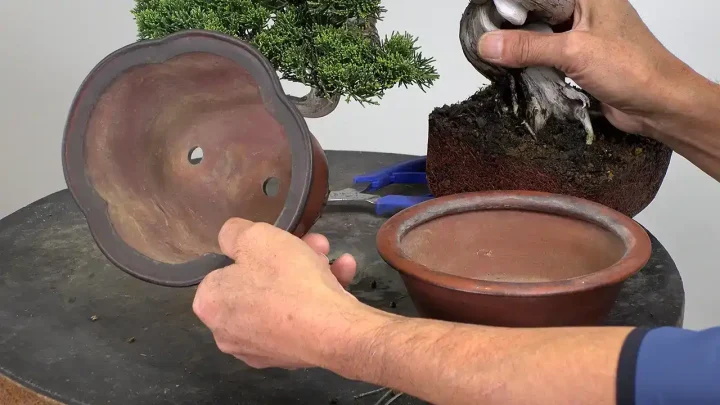
The reason lies in the repotting cycle. Conifers are repotted only once every several years. Over that long interval, drainage is essential for the roots to remain healthy. Soil that dries out encourages roots to reach further for water — this is not a risk of dying, but a stimulus for growth. Deciduous trees may be repotted as often as every year. Because the next opportunity is not far off, it makes more sense to support the roots first with a mix that prioritizes moisture retention.
The mix is a design calibrated to the timescale on which the tree lives. Which direction to choose — the tree in front of you will tell you.
Before answering 'which soil to use,' imagine first 'how will this tree grow from here.' Talk of potting soil always leads back to the tree's future.
Roots are invisible. Yet within well-prepared soil, they are certainly moving. To trust that movement while waiting for the next season — perhaps that is what repotting is really about.
The journey of "Master: “Fune”" begins with member registration.
Begin the Journey